
An expert tip from someone who’s swapped clutter for calm: Minimalist Wall Art Styling for Contemporary Homes can transform a space faster than a fresh coat of paint. We’re talking about bold yet simple choices, intentional placement, and a few prized pieces that spark joy without shouting. FYI, the right wall art makes rooms feel bigger, brighter, and more you—without banking on trends you’ll regret in six months.
Pros and Cons of Minimalist Wall Art Styling
– Pros: cleans up visual noise, highlights architectural features, creates cohesive color stories, easy to switch out seasonal pieces.
– Cons: can feel sparse if overcorrected, requires thoughtful spacing, may need higher-quality prints to avoid looking cheap.
Find Similar at Amazon
– Find similar minimalist wall art and décor from the home and kitchen category.
Why Minimalist Wall Art Works in Contemporary Homes
Minimalist wall art thrives on restraint. Instead of filling every inch of wall space, you let a few carefully chosen pieces shine. This approach highlights architectural lines, texture, and negative space. Do you want your living room to feel calm and intentional? Start with one central piece that anchors the room, then build around it with a cohesive color palette and varied textures.
What Makes a Piece “Minimalist”?
– Clean lines, limited color palette, and purposeful negative space.
– Emphasis on form, texture, and composition over busy patterns.
– A sense of balance achieved through scale and rhythm.
Choosing the Right Pieces: The Core Trio
When you’re curating a minimalist wall, quality beats quantity every time. Pick three anchor pieces that echo your space’s vibe, then add a few supporting elements. Here are the main contenders you’ll want to consider.
- Monochrome Photography: Crisp blacks, whites, and grayscale tones.
- Abstract Line Art: Simple, fluid shapes that read as sculpture on the wall.
- Texture-Focused Pieces: Subtle reliefs, woven wall hangings, or metal works with tactile surface interest.
How to Mix Media Without Clashing
– Stick to one or two dominant finishes (matte, metal, or wood) to keep the wall cohesive.
– Vary scale: a large statement piece paired with two smaller, lighter works.
– Consider frame treatment: same frame style or color to unify the trio.
Color Stories That Elevate Minimalism
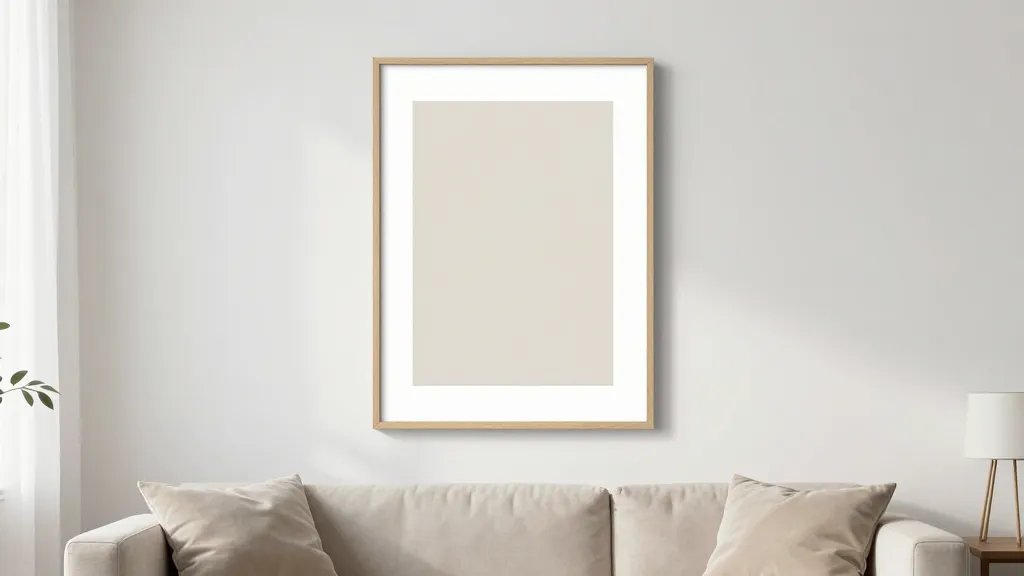
Color is your best friend here. In minimalist spaces, color creates mood without overwhelming the senses.
- Warm Neutrals: Creams, beiges, and taupes feel cozy and inviting.
- Cool Neutrals: Soft grays and alabaster white deliver modern elegance.
- Bold Accents: A single muted color (deep blue, forest green) can anchor the room without chaos.
Gallery Wall or Solo Statement?
If you’re new to minimalism, start with a single oversized piece above the sofa. When you’re ready to branch out, build a tight, aligned gallery with equal spacing for a polished look.
Framing, Hanging, and Spacing: The Practical Playbook
The right hang can make or break minimalist art. You want precision, not a DIY mishap.
- Height: Art should hang at eye level, about 57 to 60 inches from the floor to center of the piece.
- Spacing: 2 to 6 inches between frames keeps things tidy; larger walls can handle more generous gaps.
- Layout: Lay out on the floor first, or use painter’s tape to map out your grid before drilling.
Frame Finishes That Complement Minimalism
– Black and white frames for a crisp, modern look.
– Natural wood adds warmth without sacrificing simplicity.
– Metal frames in matte finishes read as architectural and chic.
Lighting: Do Your Wall Art a Favor
Lighting breathes life into minimalist wall art. Overhead lighting can wash out details, while targeted lighting can highlight texture and lines.
- Wall sconces or track lighting create dramatic shadows and depth.
- LED picture lights are energy-efficient and subtle.
- Avoid harsh direct glare; aim for soft, ambient illumination.
Layered Lighting for Depth
Combine ambient, task, and accent lighting. A simple floor lamp near the art creates a warm halo that adds dimension to a minimalist scene.
Pro Tips: Staging Your Minimalist Wall Like a Pro
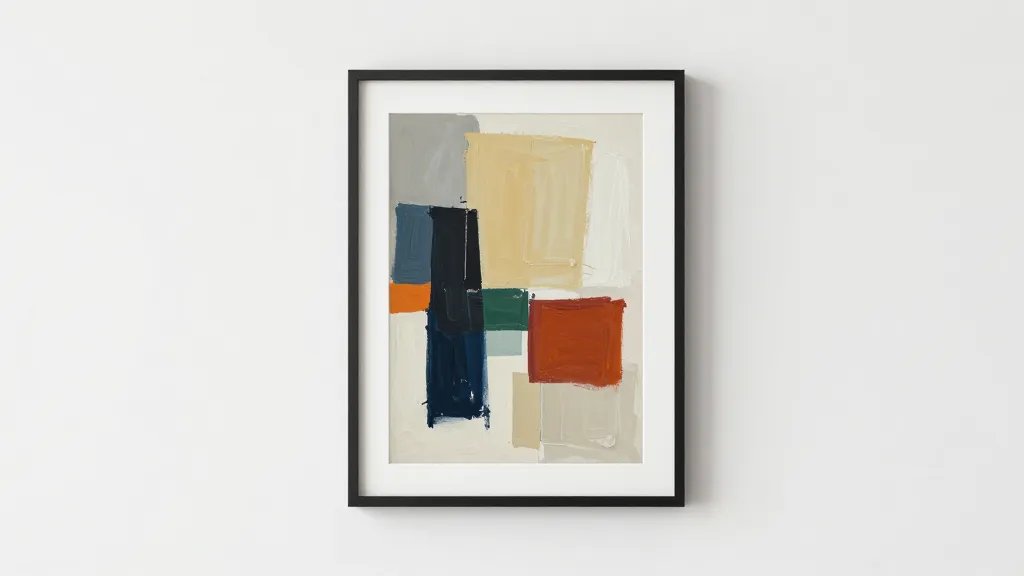
Here are quick, no-fuss strategies to nail Minimalist Wall Art Styling for Contemporary Homes.
- Start with a focal point: one striking piece anchors the room.
- Use negative space: don’t feel obligated to fill every inch.
- Limit color palette across all pieces for cohesion.
- Rotate seasonally: swap out one or two pieces to refresh the look without a big overhaul.
Common Pitfalls and How to Avoid Them
– Pitfall: Too many small pieces scattered across a wall. Fix: Consolidate into 2–3 coordinated pieces with a clear rhythm.
– Pitfall: Mismatched frames stealing focus. Fix: Pick a common frame style or color family.
– Pitfall: Lighting that hides details. Fix: Introduce a dedicated light source for the art.
Product Spotlight: Minimalist Wall Art Essentials You’ll Actually Use
To help you get started, here are some solid picks from the Amazon home and kitchen décor category. These aren’t just pretty; they’re practical, and they pair perfectly with minimalist styles.
– Standard Modern Abstract Canvas Art Print, 24×36 inches, Black and White
– Framed Black and White Photography Print, 20×30 inches
– Set of 2 Metallic Wall Sculptures, Silver Finish, 12×12 inches each
– Minimalist Wood Frame Gallery Set, 3 pieces, Natural Oak
– Textured Beige Wall Hanging, Handwoven Rope and Linen
Because you asked for practical, I’m keeping the product names front and center as your anchors. If you want options beyond these, check the Find Similar at Amazon link I dropped earlier.
In-Depth Dive: Pros and Cons Revisited
Let’s be honest about the journey from clutter to calm. Minimalist Wall Art Styling for Contemporary Homes has big upside, but you’ll want to know the rough edges.
– Pros: creates visual rest, improves room proportion, makes other décor feel intentional, easy to update with seasons.
– Cons: risk of looking sterile if you over-minimize, may require higher-quality prints to avoid pixelation or color drift, needs careful placement planning.
Problem-Focused: If Your Space Feels Stark
Add a warm-toned piece, a natural wood frame, or a textured wall hanging to introduce tactility. Even a single, well-chosen plant nearby can soften the air and balance the starkness.
The Minimalist Toolkit: Quick, Actionable Checklist
– Define your color story (one neutral base, one accent color).
– Choose 2–3 anchor pieces with a unified aesthetic.
– Plan frame styles and finishes to maintain cohesion.
– Measure wall space and map your layout before hanging.
– Test lighting to showcase textures and lines.
Would You Rather Do It DIY or Hire a Pro?
DIY is totally doable with a simple layout plan and basic tools. If you’re renovating or dealing with awkward walls, a design pro can help you dial in scale and rhythm without the guesswork.
FAQ
What qualifies as minimalist wall art?
Minimalist wall art emphasizes clean lines, limited color, and ample negative space. It aims to highlight form and texture over busy patterns, creating calm and cohesive walls.
How many pieces should you display in a minimalist setup?
Start with one large anchor piece and two complementary pieces. If the wall is larger, you can add one more piece, maintaining balanced spacing.
What frame styles work best with minimalist art?
Neutral finishes—black, white, natural wood, or matte metal—work well. The goal is to avoid competition with the art itself.
How do you hang minimalist art on a textured wall?
Use wall anchors suited for the surface, and consider a level to ensure precise alignment. If the texture distorts the frame, add a thin mounting board behind the piece.
Can minimalist wall art help small rooms feel bigger?
Absolutely. Fewer, larger pieces with generous negative space create a sense of openness and better proportion in small spaces.
Conclusion: Make Minimalist Wall Art Styling Your Signature Look
Minimalist Wall Art Styling for Contemporary Homes isn’t about stripping your space down to nothing. It’s about letting a few chosen pieces speak clearly, with space to breathe around them. Start with a solid anchor, keep your color story intentional, and tune the lighting to reveal texture and form. FYI, when you nail the balance, your room will feel instantly more sophisticated without trying too hard. Happy decorating—and may your walls finally get the respect they deserve.


