
These open layouts prove bigger is better, but not chaotic. Get inspiration, practical tweaks, and a few wow moments you can copy this weekend.
1. Bright Zones, Cozy Corners
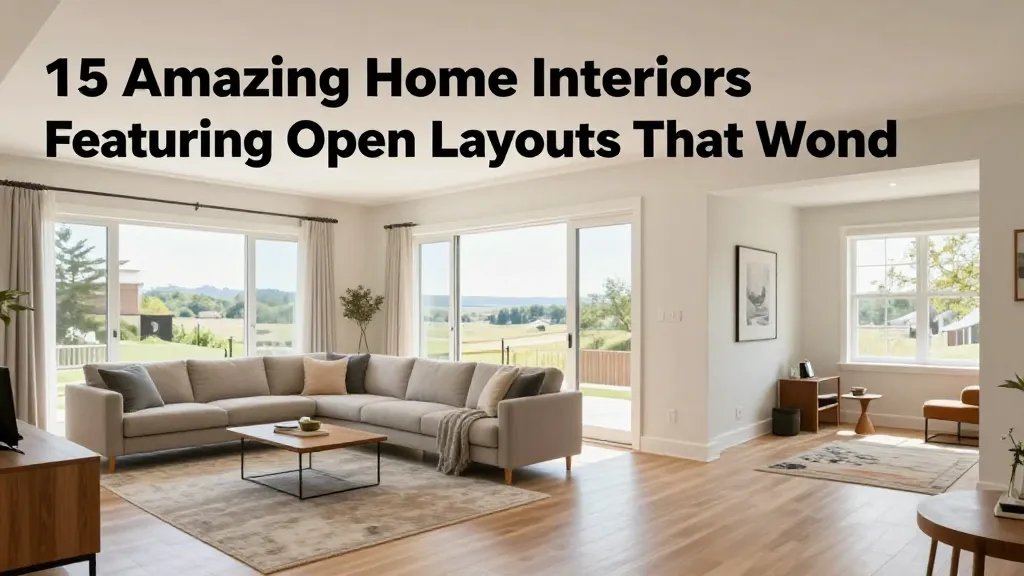
Your space should feel spacious, not hospital-white. This vibe uses deliberate zones to keep open flow while giving each area its own personality.
Why it works: smart furniture placement and color boundaries create visual cues without breaking the openness.
Key Elements
- A soft color transition between zones
- Low-profile sofa facing an expansive view
- Area rug to define the living nook
Tips: Use a rug that anchors the main seating and a secondary rug for a reading nook. FYI, layering rugs can feel luxe if the scale matches the room.
2. Kitchen Island as the Heartbeat
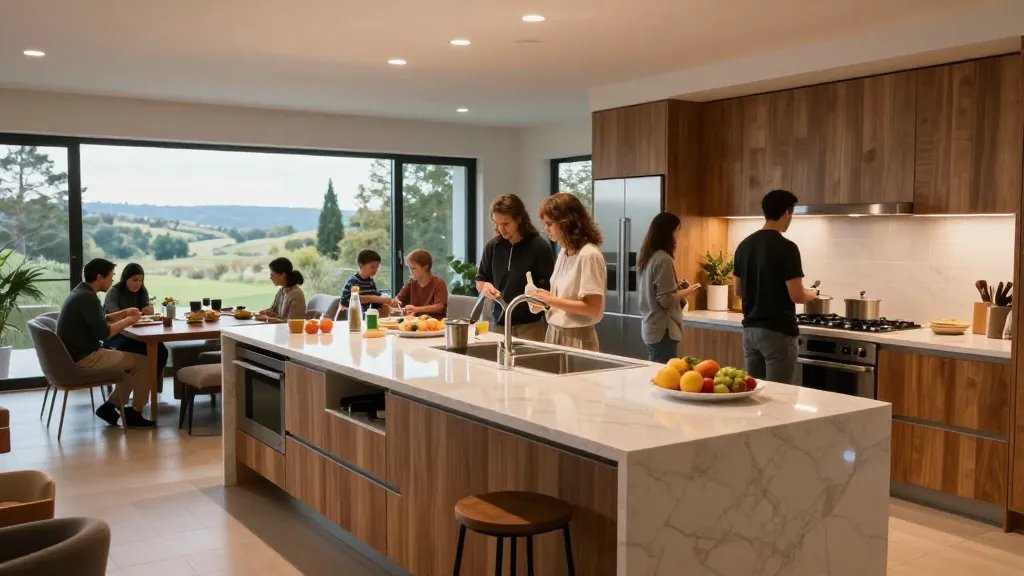
The kitchen island becomes a playground for social cooking and casual dining. It invites conversation and keeps mess out of sight.
Benefit note: an island with a clear front edge prevents awkward gaps and keeps traffic flowing.
Tips
- Install seating on the island for quick meals
- Choose a durable countertop that withstands hot pots and slicing
- Incorporate hidden storage to maintain a clean look
When to use: huge family gatherings or when you want the kitchen to feel like a social hub rather than a closed room.
3. Floor-To-Ceiling Windows, Minimal Drapery
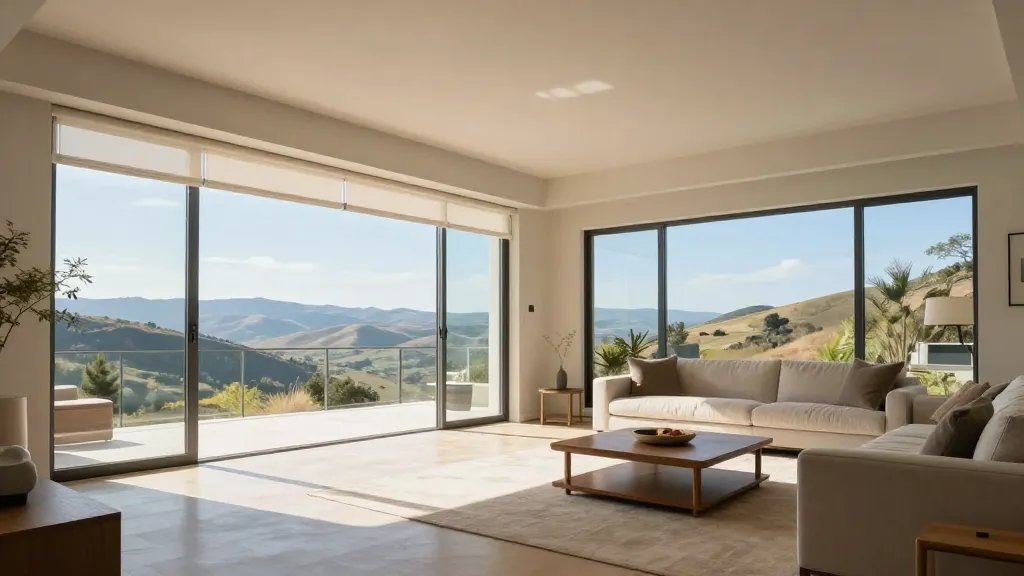
Let the outdoors in and keep the interior breathing. Open layouts love natural light, and big windows are the simplest upgrade.
Why it’s amazing: light change the mood of every room and makes small spaces feel grand.
What to consider
- Clear, unobtrusive blinds or sheer shades
- Energy-efficient glazing to save on bills
- Furniture placement that avoids blocking sightlines
Bottom line: this is the quickest way to elevate an open floor plan—trust me, you’ll notice the glow immediately.
4. The One-Room-Three-Uses Concept
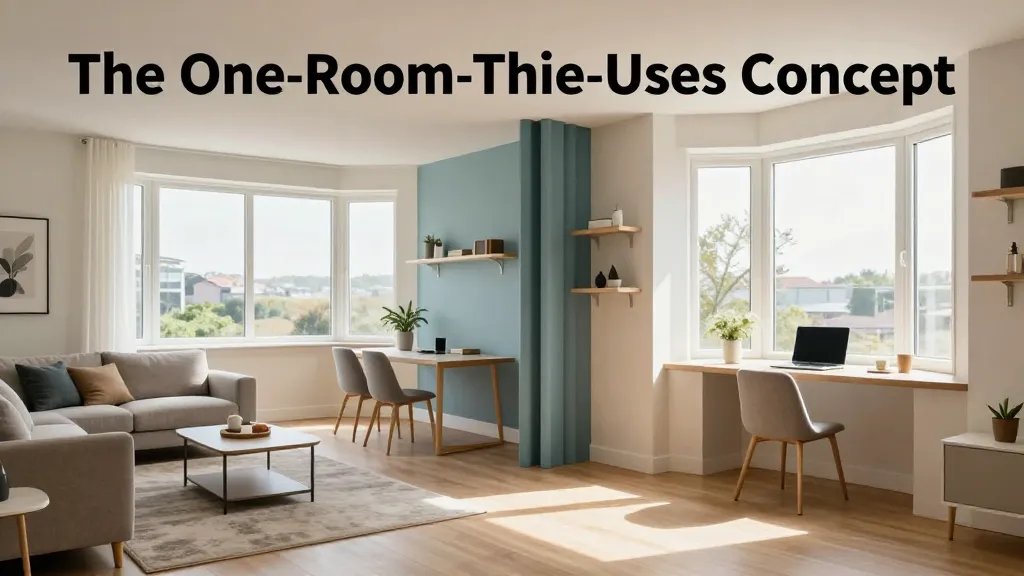
Open plans don’t have to be chaotic. Design one big space with three distinct purposes: living, dining, and a home office corner.
How it shines: smart furniture and a few vertical dividers keep each zone functional yet connected.
Strategies
- Floating shelves to delineate without walls
- Compact desk tucked into a bay window for a sunny workspace
- Color-blocked areas to signal different uses
Benefit: you get the efficiency of an apartment studio and the vibe of a larger home.
5. The Soft-Color Palette that Py said “Yes” To
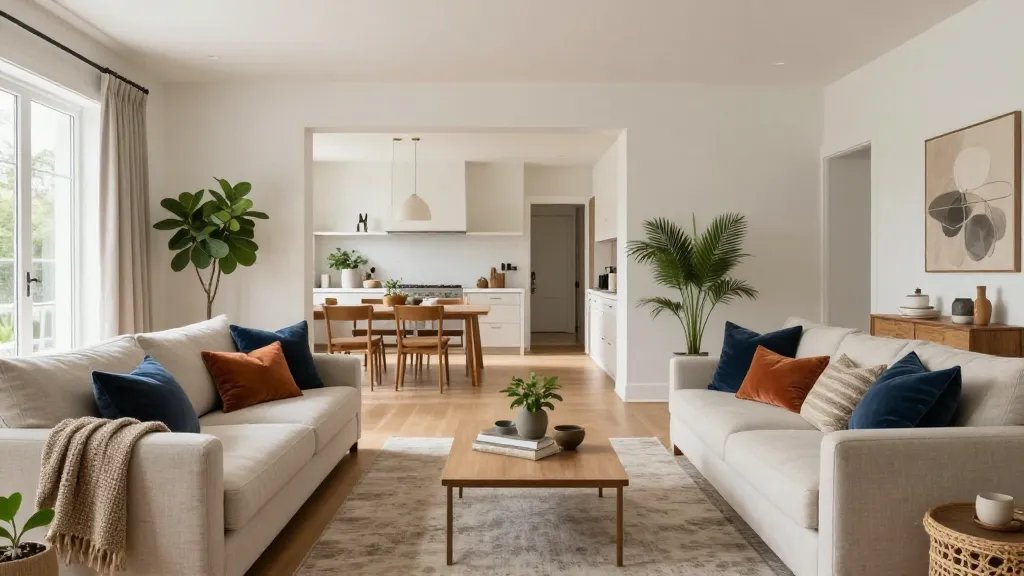
A cohesive color scheme ties open spaces together. Soft neutrals with a few bold accents create unity without dullness.
Why it matters: color guides the eye through the flow, making every transition feel intentional.
Color playtips
- Base neutrals: warm whites, greiges, taupes
- Accent pops: botanical greens, deep blues, burnt orange
- Texture in textiles to add depth without clutter
When to use: great for renters and homeowners who want a timeless, adaptable backdrop.
6. Floating Storage That Keeps It Airy

Wall-to-wall cabinetry can weigh down an open plan. Floating storage preserves openness while giving you serious organization power.
Why it’s cool: it reduces visual bulk and makes cleaning a breeze.
Pro tips
- Install low-profile bases to keep sightlines clean
- Mix closed cabinets with open cubbies for personality
- Lighting inside shelves adds drama
Use case: media walls, home libraries, or a streamlined entryway that still welcomes guests.
7. Multi-Functional Furniture Wins Again
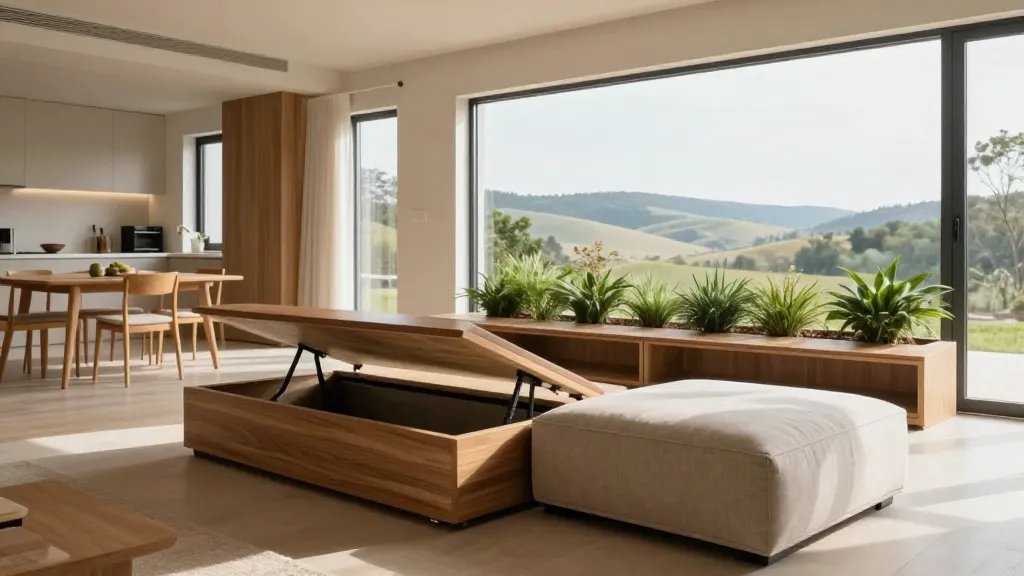
Give each piece a second job: a coffee table with hidden storage, an ottoman that doubles as extra seating, or a bench with a built-in planter.
Why you’ll love it: less stuff, more practice in clever living.
Ideas
- Expandable dining tables
- Ottomans with removable tops for quick storage
- Bed frames with under-bed drawers for guest rooms integrated into living areas
Bottom line: space savers that don’t scream “space saver.”
8. Textural Layering Without Clutter

Open plans crave texture to avoid sterile vibes. Mix woods, metals, textiles, and plants for a tactile, inviting feel.
How it translates: each texture adds a mood, not a mess.
Key Textures
- Rattan or woven chairs
- Wool or boucle throws
- Matte metals in lighting
Tip: balance shiny and matte finishes to keep things balanced and cozy. Seriously, it matters.
9. Lighting That Journeys Across the Room

Open spaces love a good lighting strategy that travels with the eye. Layer ambient, task, and accent lighting to sculpt corners as you move.
Why it matters: lighting changes mood faster than a playlist.
Layered lighting blocks
- Ceiling fixtures for general glow
- Floor lamps to highlight seating groups
- Under-cabinet or shelf lighting for the kitchen and shelves
When to dial it up: evenings, entertaining, and cozy Sundays with a book.
10. Indoor-Outdoor Flow Without Sacrifices
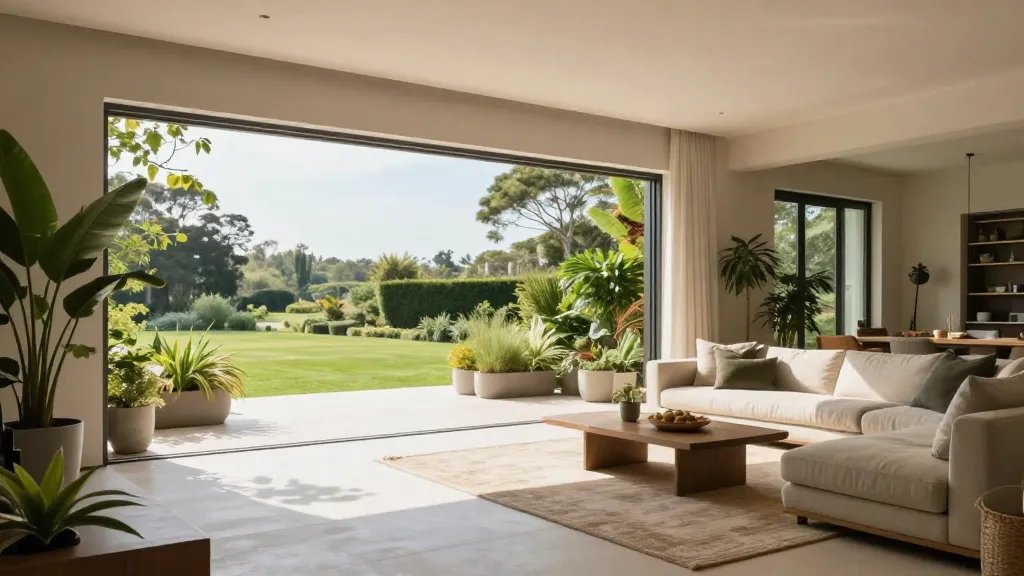
Open layouts shine when they seamlessly connect to patios or gardens. A sliding door or pocket door can be a hero move or your arch-nemesis—choose wisely.
Why it’s worth it: you extend your living space and invite nature inside.
What to snag
- Wide-aligned thresholds
- Weatherproof seating that doubles as indoor furniture
- Plants that thrive indoors for a fresh vibe
Bonus: an outdoor rug can visually extend the interior color story.
11. Black Accents for Modern Edge
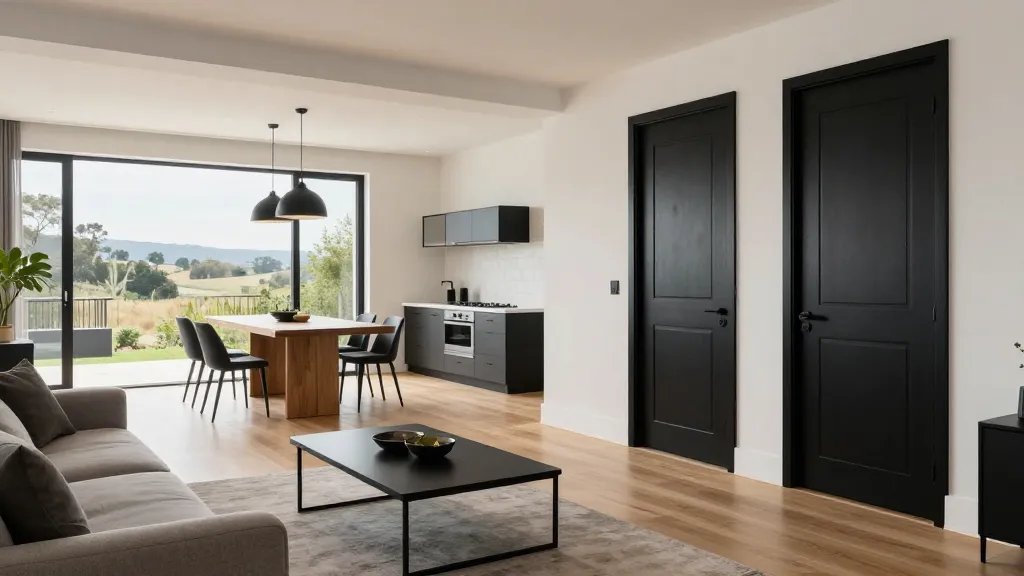
A few black details can ground an open space and prevent it from feeling too airy or clinical.
Where to place them: legs of tables, picture frames, or a dramatic light fixture.
Implementation ideas
- Black metal frames on coffee tables
- Matte black pendant lighting over the dining area
- Door hardware that’s cohesive with the rest of the room
FYI, don’t overdo it—one bold accent per zone keeps things sharp.
12. The Artful Divider That Isn’t a Divider
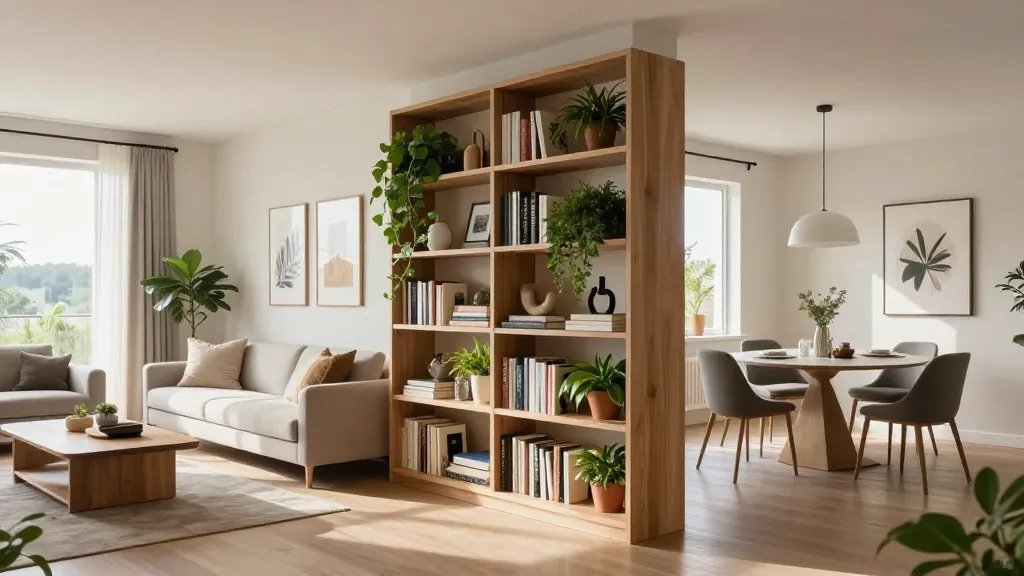
People worry about losing openness to walls. Smart art, shelving, or a low plant screen creates boundary lines without breaking flow.
Why you’ll love it: it curates space and adds personality.
Suggestions
- Bookcases with a mix of decor and plants
- Statement art that acts as a focal point
- Open-faced shelves spanning a short wall
Use cases: perfect for defining dining vs living zones in a single room.
13. Sustainable Surfaces for Everyday Living
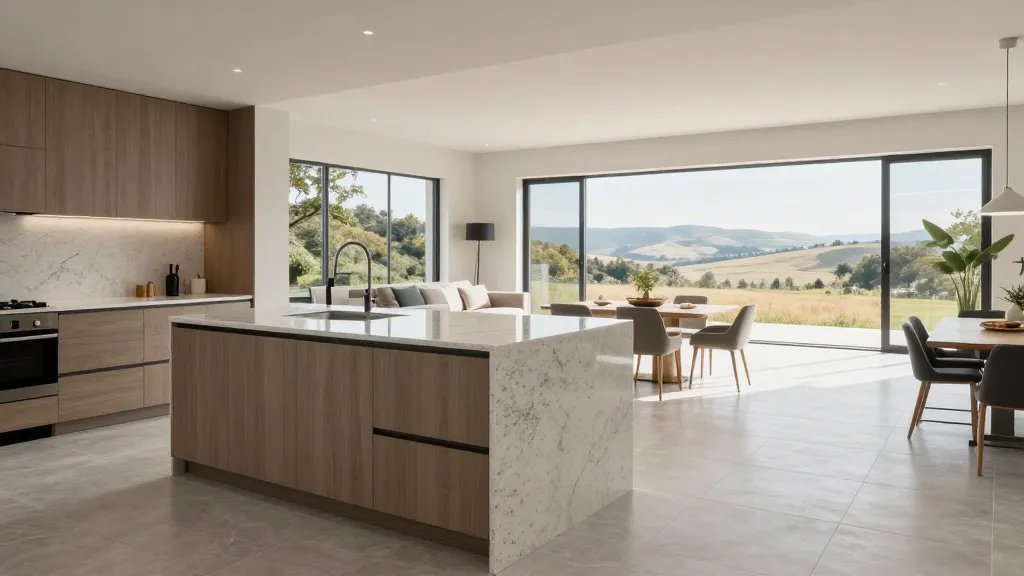
Open layouts deserve surfaces that stand up to daily life. Durable materials keep things looking fresh without constant upkeep.
What to pick:
Materials
- Quartz countertops for a seamless look
- Engineered wood with a matte finish
- Porcelain or ceramic floor tiles in large formats
Benefits: easy cleaning, long-lasting, and less maintenance—sound good?
14. Personal Touches That Travel
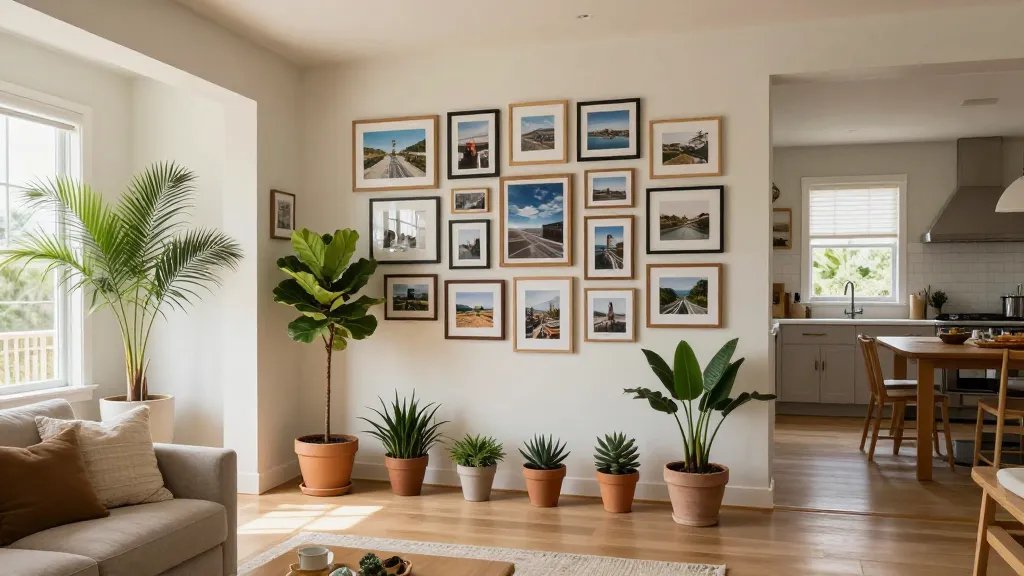
Make the space feel like you with curated moments that tell your story. Open layouts love personal touches that don’t crowd shelves.
What to add: photos in cohesive frames, souvenirs from travels, a signature plant collection.
Tips
- Choose a consistent frame style for a cohesive gallery
- Rotate statement pieces every season
- Balancing bold pieces with quiet backgrounds keeps things calm
Bottom line: personality adds warmth and makes open spaces feel like home.
15. The Quick Refresh Checklist

Want to test-drive open-layout magic without a full remodel? Start here and see what sticks.
Checklist:
- Declutter and store out-of-sight items
- Add a unifying rug to anchor the main seating
- Rearrange furniture for better sightlines
- Layer lighting to soften evening hours
When you finish, you’ll notice the space feels instantly more intentional and open. Trust me, the before-and-after is real.
Conclusion: You’ve got the blueprint for spaces that feel connected yet intimate. Grab a few ideas, mix in your personality, and watch your open layout come alive with energy and flow. Ready to try one this weekend?


