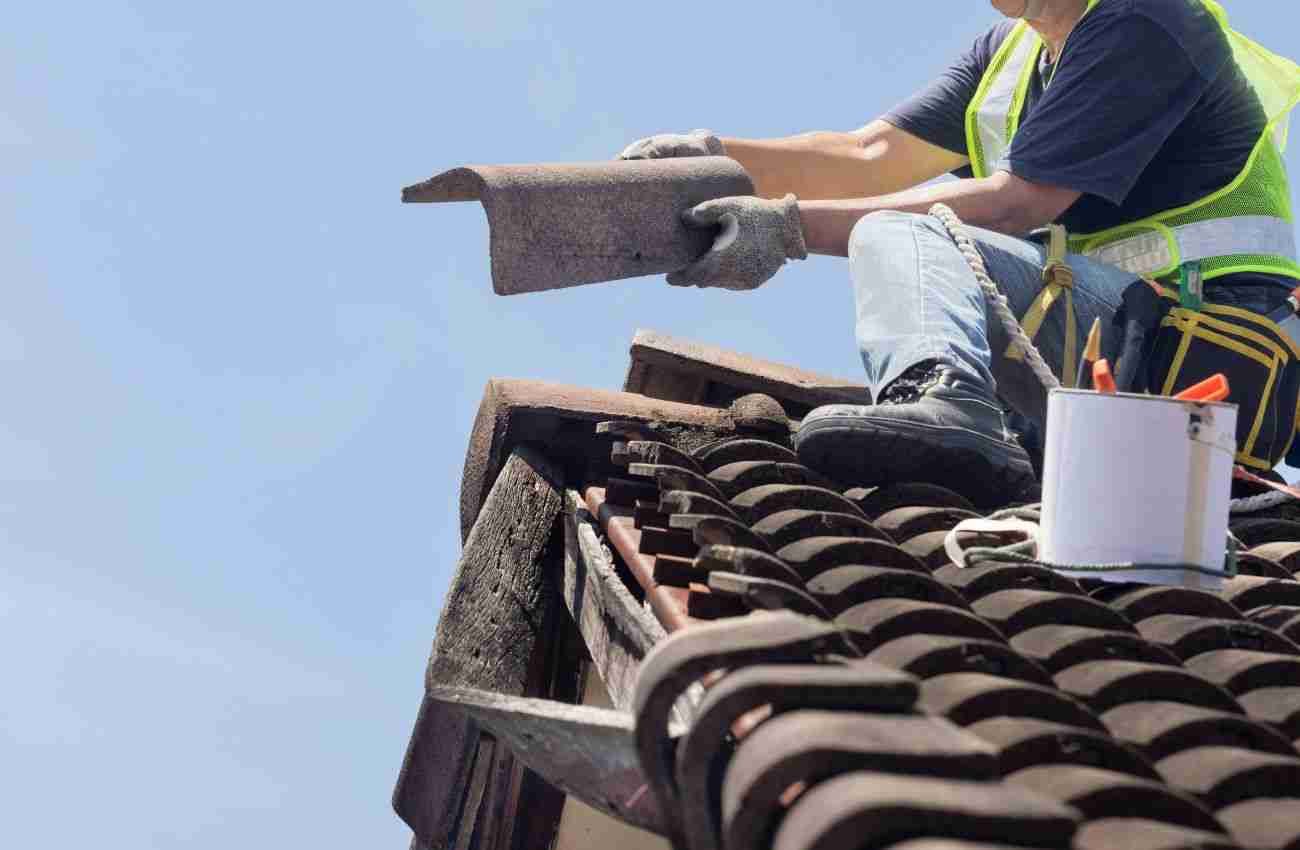
A roof is one of the most critical components of a home, providing protection from the elements and contributing to the structural integrity of the property.
However, over time, roofs deteriorate due to weather conditions, aging materials, and general wear and tear.
Homeowners often wonder, “How do you know if you need a new roof?” and seek guidance on how to tell if you need a new roof. Understanding the lifespan of roofing materials, such as how long does a tile roof last, and estimating the cost of roof replacement are crucial in making informed decisions.
Additionally, homeowners may want to explore how to get a new roof for free in the UK through government grants or assistance programs.
This guide provides insights into identifying when a roof needs replacement, estimating costs, and understanding the timeframe for a complete roof replacement.
Signs That You May Need a New Roof

Recognizing the warning signs of roof deterioration early can prevent costly damage and ensure your home remains safe.
Here are key indicators that you may need a roof replacement:
1. Water Damage and Leaks
Water stains on ceilings or walls often signal a leaky roof. These stains may appear as discolored patches, mold growth, or peeling paint. Unaddressed leaks can cause extensive damage to the structure and insulation.
2. Visible Light in the Attic
If daylight is visible through the roof boards when inspecting the attic, it indicates gaps or holes in the roofing material. These openings allow water and pests to enter, compromising the home’s safety.
3. Moss and Mold Growth

Excessive moss, mold, or fungi on roof tiles can be a sign of trapped moisture. Moss can lift roof tiles, creating gaps that allow water ingress and structural damage.
4. Missing, Curled, or Damaged Tiles
Cracked, curled, or missing roof tiles expose the home to leaks and heat loss. Regular inspections help identify and replace damaged tiles before they cause severe issues.
5. A Sagging Roofline
A sagging roof often suggests underlying structural damage, usually caused by prolonged water infiltration or weakened roofing materials. Immediate professional assessment is required.
6. Increased Energy Bills
A sudden spike in heating or cooling costs may indicate poor roof insulation, often due to deteriorating materials or ventilation issues.
7. Age of the Roof
Understanding how long does a tile roof last is essential for determining when a replacement is necessary. Tile roofs generally last 50 to 100 years, while asphalt shingles may need replacement every 20 to 25 years.
Estimating Roof Replacement Costs in the UK

Determining the estimate cost of a new roof depends on several factors, including material choice, roof size, and labor costs. Here is a breakdown of the costs associated with replacing a roof in the UK:
1. Roofing Material Costs
- Asphalt Shingles: £5,000 – £8,000 (affordable and common for UK homes)
- Slate Tiles: £12,000 – £15,000 (durable and aesthetically pleasing)
- Clay Tiles: £10,000 – £18,000 (long-lasting but heavier)
- Flat Roofs (Felt or Rubber): £1,000 – £3,000 (cheaper but requires maintenance)
2. Additional Cost Factors
- Size and Complexity: Larger or complex roofs (e.g., multiple angles or dormers) require more materials and labor.
- Location: Costs in London and the South East tend to be higher due to labor rates.
- Chimneys, Skylights, and Ventilation: These features increase labor and material costs.
3. Average Cost Estimates by Property Type
| Property Type | Estimated Cost |
|---|---|
| Terraced House | £3,000 – £5,000 |
| Semi-Detached | £5,000 – £7,500 |
| Detached House | £6,300 – £12,000 |
How Long Does It Take to Replace a Roof?
The how long to replace a roof question depends on various factors such as weather, roof size, and complexity.
| Roof Type | Time Required |
| Small House (Terraced) | 1-3 Days |
| Medium House (Semi-Detached) | 3-5 Days |
| Large House (Detached) | 5-7 Days |
Factors such as adverse weather conditions, the need for structural repairs, and material availability can extend the replacement timeline.
How to Get a New Roof for Free in the UK

For homeowners concerned about affordability, various programs can help cover the cost of a new roof:
1. Government Grants
The UK government occasionally provides funding for home energy improvements, including roof repairs. Eligibility is based on income level, age, and location.
2. Energy Company Obligation (ECO) Scheme
Under this initiative, energy companies assist low-income households by funding insulation and roofing improvements. Homeowners on benefits such as Universal Credit or Pension Credit may qualify.
3. Local Authority Assistance
Some councils provide grants or low-interest loans for roof replacements, particularly for elderly or disabled homeowners.
4. Charitable Organizations
Non-profits and charities sometimes offer support to vulnerable homeowners in need of essential home repairs.
Conclusion
Determining how do I know if I need a new roof involves assessing visible damage, leaks, and overall roof age. Knowing how to tell if you need a new roof can prevent costly repairs and structural issues.
Understanding how long does a tile roof last and estimating the estimate cost of a new roof helps homeowners plan financially.
Those in need can explore how to get a new roof for free in the UK through available grants and assistance programs.
Investing in timely roof replacement ensures home safety, energy efficiency, and long-term durability, making it a wise decision for UK homeowners.
How to find a reputable roofer?