When you’re undertaking a flooring project, understanding the drying time for floor screed is crucial.
Whether you’re a DIY enthusiast or a professional contractor, getting the timing right ensures the longevity and quality of your flooring.
In this article, we’ll explore the factors that influence screed floor drying time, the types of screed available, and tips for speeding up the process.
What Is Floor Screed?

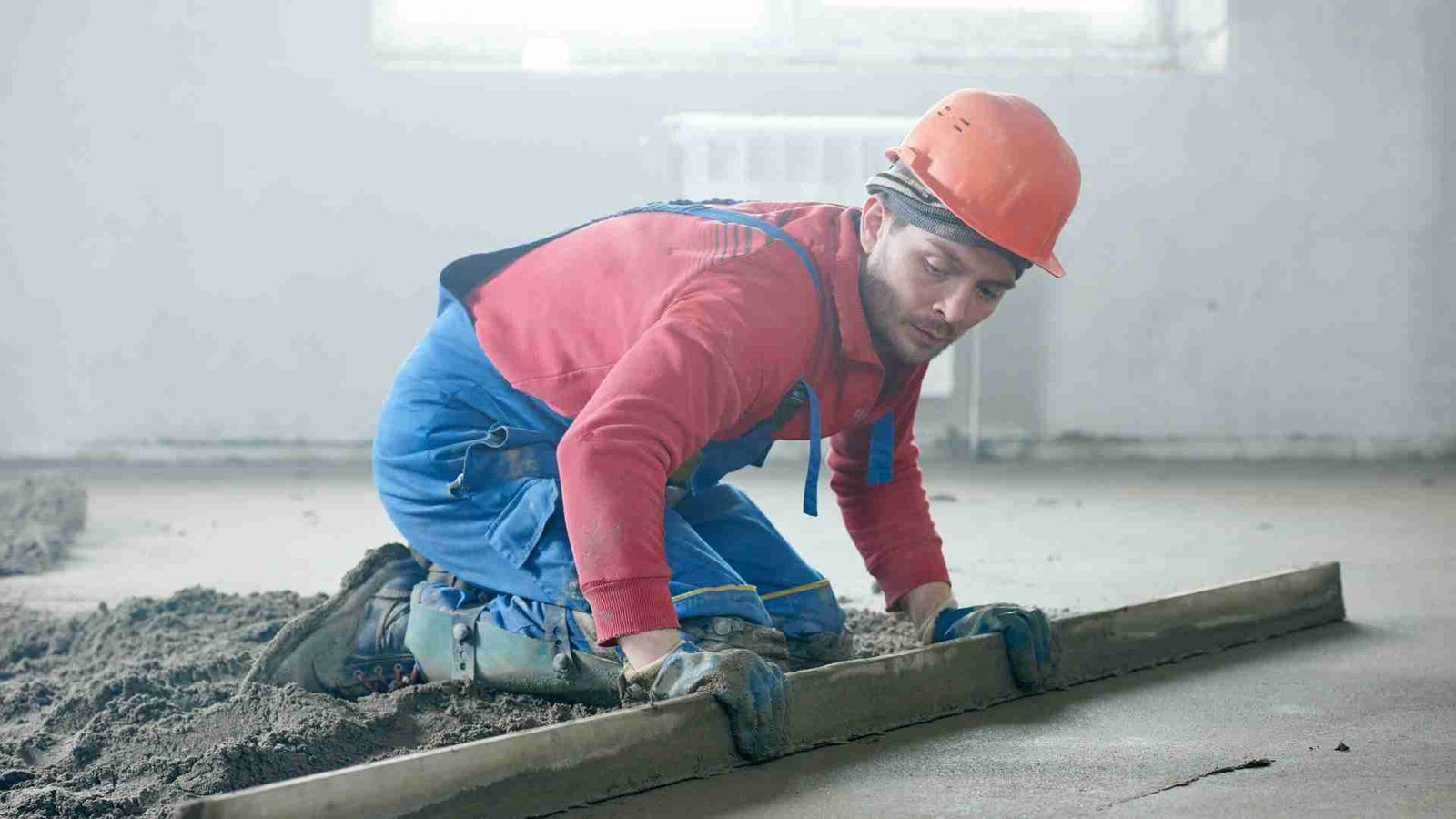
Floor screed is a mixture of cement, sand, and water, used to create a smooth, level surface on which to lay a final floor finish. It’s typically applied over a concrete subfloor.
The purpose of screed is to provide a suitable substrate for flooring materials like tiles, wood, or carpet.
Factors Affecting Screed Drying Time
Type of Screed
The type of screed used significantly impacts the drying time. There are several types of screed, each with its own drying characteristics:
- Traditional Sand and Cement Screed: This is the most common type of screed and typically takes longer to dry. The standard drying time is approximately one day per millimeter of thickness for the first 50mm, and two days per millimeter thereafter.
- Fast Drying Screed: As the name suggests, fast drying screeds are formulated to reduce drying times significantly. They can dry in as little as 12 hours to 4 days, depending on the product used.
- Liquid or Flowing Screed: These screeds are self-leveling and often dry quicker than traditional screed. The drying time can range from 24 hours to a week.
Thickness of the Screed
The thickness of the screed layer directly affects the drying time. Thicker layers require more time to dry completely. As a rule of thumb, the drying time increases as the thickness of the screed increases.
Environmental Conditions
Environmental factors, such as temperature and humidity, play a significant role in screed drying time. Warmer temperatures and lower humidity levels accelerate drying, while cooler and more humid conditions can extend it.
Ventilation
Proper ventilation is essential for efficient screed drying. Good airflow helps to remove moisture from the screed, speeding up the drying process.
Typical Screed Drying Times

Traditional Sand and Cement Screed
For a traditional sand and cement screed, the drying time is often calculated as one day per millimeter of thickness for up to 50mm. For thicknesses beyond 50mm, it is recommended to allow two additional days per millimeter.
For example, a 75mm thick screed would typically require:
- 50mm x 1 day/mm = 50 days
- 25mm x 2 days/mm = 50 days
- Total drying time = 100 days
Fast Drying Screed
Fast drying screeds are designed to cure much quicker. Depending on the brand and product used, these screeds can dry within a range of 12 hours to 4 days, making them ideal for projects with tight timelines.
Liquid or Flowing Screed
Liquid screeds generally dry faster than traditional screeds. The drying time for liquid screeds can range from 24 hours to approximately a week, depending on environmental conditions and screed thickness.
Tips for Accelerating Screed Drying Time
Use Fast Drying Screed
Opt for a fast drying screed when time constraints are a major concern. These products are specifically designed to set and dry quicker than traditional screeds.
Optimize Environmental Conditions
To enhance the drying process, maintain a warm and well-ventilated environment. Use heaters and dehumidifiers to control temperature and humidity levels, especially in cooler climates or during winter months.
Ensure Proper Ventilation
Open windows and doors to promote airflow across the drying screed. If possible, use fans to increase air circulation and assist in moisture evaporation.
Avoid Over-Watering the Mix

Follow the manufacturer’s guidelines for water-to-cement ratios to avoid an overly wet mix, which can delay drying.
Use a Moisture Meter
Regularly check the moisture levels in the screed using a moisture meter. This tool helps ensure that the screed has reached the appropriate dryness before proceeding with further flooring work.
Conclusion
Understanding the drying time for floor screed is key to planning your flooring project effectively.
By considering the type of screed, thickness, environmental conditions, and using fast drying options, you can manage the timeline efficiently.
Proper preparation and attention to detail not only ensure a successful project but also contribute to the durability and quality of your flooring.
By following these guidelines and making informed choices, you can achieve optimal results and ensure a smooth, level surface ready for your final floor finish.
Whether you opt for a traditional screed or a fast drying alternative, patience and precision will pay off in the long run.