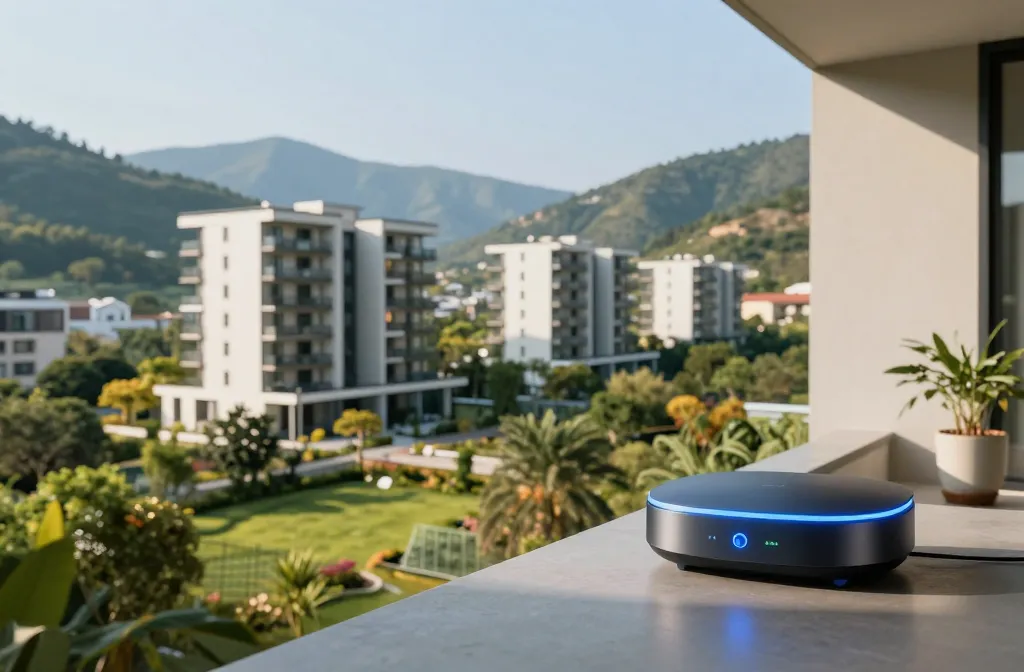
The punchline is simple: smart home features sell apartments faster, and they keep tenants happier longer. If your unit can beep, buzz, and learn from you, you’ve got a serious rental advantage. Let’s talk about why these gadgets aren’t just shiny toys—they’re real magnets for modern renters.
Smart homes aren’t luxury fluff—they’re practical perks tenants actually crave
Renters aren’t chasing bells and whistles for bragging rights. They want safety, convenience, and control. A smart lock, for example, means no more fumbling for keys at midnight. A thermostat that learns your schedule saves money and reduces the “ick” factor when utility bills arrive. When you frame features as practical solutions to real annoyances, you’re speaking the tenant’s language.
– Convenience: remote door entry, voice-activated lighting, automatic scheduling.
– Security: cameras, alarm systems, and smart locks with activity logs.
– Efficiency: energy dashboards, smart thermostats, and LED lighting that lasts longer.
If a feature checks two or three of those boxes, it earns serious street cred with applicants. And FYI, tenants tend to stay longer when they feel their space actually works for them, not against them.
The practical benefits in numbers: cost, risk, and retention
You don’t need a science fair project to see the ROI. Here are the quick takeaways that make landlords sit up:
– Lower operating costs: smart thermostats and LED lighting cut energy waste. That savings can be passed along or reinvested into even better amenities.
– Reduced maintenance headaches: remote diagnostics and fault alerts flag issues before they become emergency repairs. No more “the AC stopped working on Friday night” surprises.
– Higher occupancy rates: modern, tech-forward spaces attract a broader pool of applicants, often at a premium, especially among younger renters and professionals.
What does this mean in plain English? Smart home features can pay for themselves over time through energy savings, fewer repairs, and the ability to command higher rents.
What tenants actually want in a smart home package
This is where you separate “cool gadget” from “must-have amenity.” Not every feature earns a spot on the lease. Here are the movers-and-shakers tenants typically expect.
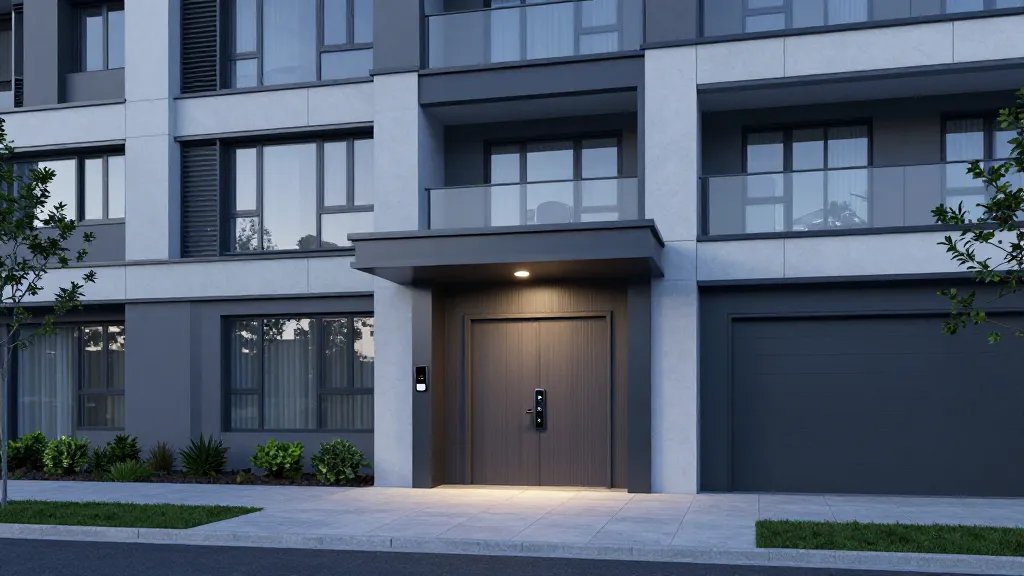
Smart locks and secure access
– Pros: keyless entry, temporary codes for guests, no more lockouts.
– Cons: trust is essential; you’ll want robust encryption and a clear access policy.
– Tip: Pair a smart lock with a traditional deadbolt as a backup. Also, provide a simple guest-code cleanup routine so codes don’t pile up like إلى archive jungle.
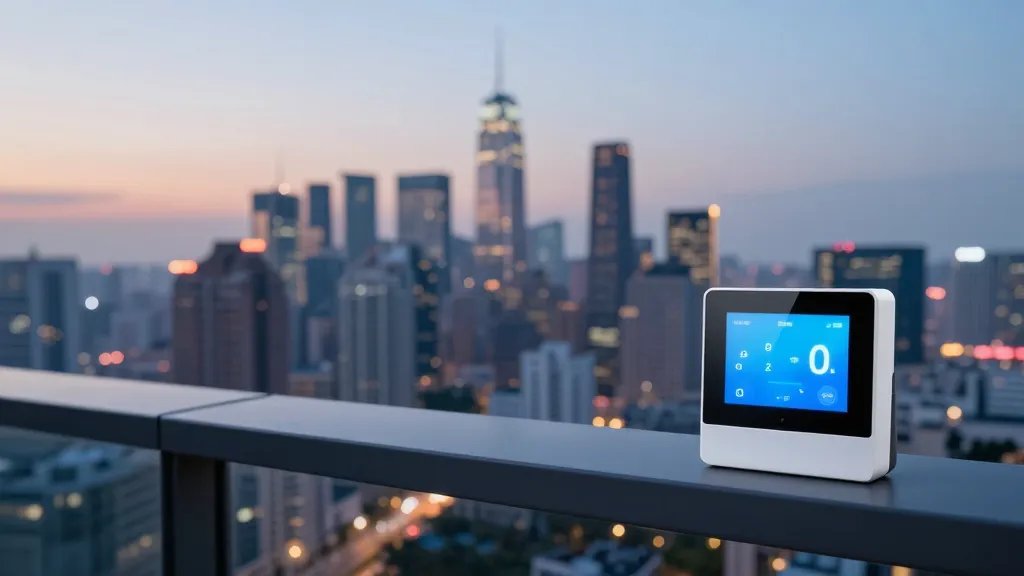
Smart climate control
– Pros: energy savings, comfort, and a wow factor. A smart thermostat can learn your patterns and reduce wasted heating/cooling.
– Cons: be mindful of wonky schedules if you have diverse occupancy (roommates, landlords, or short-term tenants).
– Tip:Include a clear manual override and a recommended temperature range for good energy balance.
Smart lighting and scenes
– Pros: customizable ambiance, motion-activated lights for hallways, energy efficiency.
– Cons: too many scenes can confuse guests—the simpler, the better.
– Tip: pre-program “Welcome Home” and “Good Night” scenes for ease of use.
How to package smart tech without overwhelming tenants
Tech should simplify life, not create a user manual maze. Here’s how to do it right.
- Keep the core set lean: focus on essential items that deliver real value—smart locks, thermostat, and lighting. Think quality over quantity.
- Provide a simple onboarding experience: a one-pager with setup steps, privacy notes, and who to call for help. No one wants to hunt for a manual in the couch cushions.
- Offer optional add-ons: smart cameras or doorbells are nice, but let tenants opt in rather than forcing a gadget they don’t want.
- Prioritize privacy and security: clearly state data handling, who has access, and how to reset devices. People will pay a premium for trust.
IMO, keep the tech as a service, not a trap. If tenants feel they’re being watched or upsold constantly, they’ll bail faster than you can say “privacy policy.”
Designing the space around smart tech
Smart features aren’t just gadgets; they influence how a space feels and functions. Here’s how to weave tech into design without it feeling like a lab experiment.
Hidden but accessible
– Hide wires and hubs in cabinetry or closets.
– Mount devices where they’re easy to use but not visually dominant.
– Use wireless ecosystems that minimize clutter and simplify updates.
Unified ecosystem, minimal friction
– Pick a single platform for lock, climate, lighting, and sensors to avoid compatibility headaches.
– Ensure the app experience is intuitive—no 10-step chore to adjust a room’s temperature.
– Document common routines in a short, tenant-friendly guide.
Safety, privacy, and trust: the non-sexy-but-crucial parts
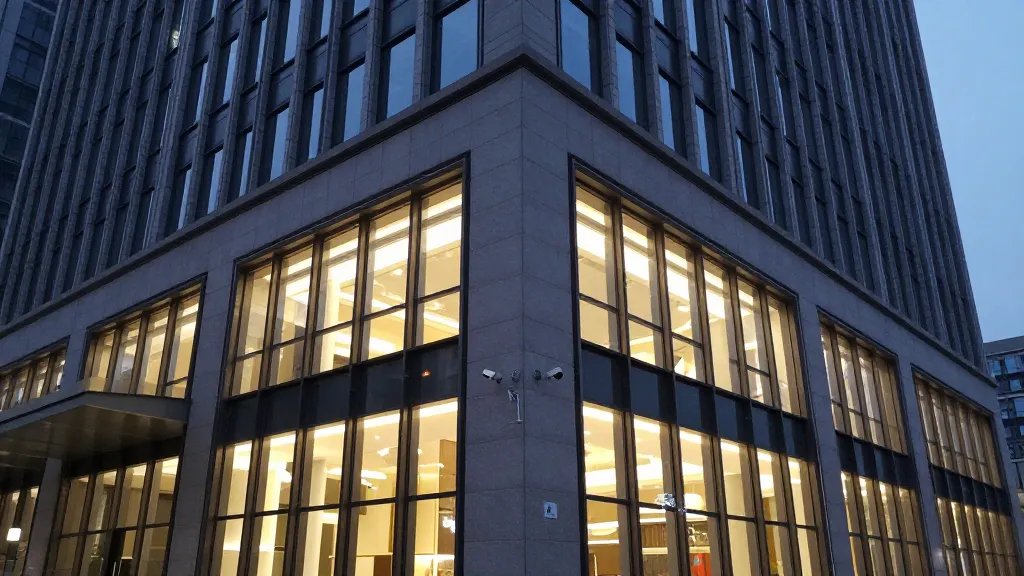
Smart tech shines brightest when tenants feel safe using it. Here’s how to earn their trust without sounding like a corporate policy manual.
- Transparent data practices: tell tenants what data you collect, how it’s used, and who can access it.
- Regular security updates: commit to firmware updates and provide a straightforward process for landlord-initiated resets.
- Clear access control: define what the landlord or maintenance team can access and when, with tenant consent where possible.
Remember, FYI, a tenant who trusts your security standards is more likely to renew and even recommend your place to friends. Trust isn’t optional here; it’s part of the value proposition.
Pricing and positioning: how to price smart features
You don’t want to nickel-and-dime, but you also want to reflect value. Here’s a sane approach to pricing smart features without scaring applicants away.
- Bundle savings: show the energy savings from a smart thermostat as part of the value prop. If the unit uses 15-20% less energy, that’s money back in their pocket.
- Incremental rent carefully: consider a modest monthly premium for tech-forward units, balanced by higher occupancy and longer retention.
- Highlight perks in listings: emphasize convenience, security, and energy efficiency to justify the premium without feeling pushy.
Remember, renters are price-sensitive but also won’t overlook real value. If you can quantify the benefits in practical terms, you’ll win more shows and fewer questions at the showing.
Case studies: real-world wins and misses
Let’s look at a couple of quick stories to illustrate what works and what doesn’t.
Win: a smart retrofit that doubled inquiries
An apartment complex added smart thermostats, smart lighting, and a single app for all devices. Application volume jumped by 40% in three months, and turnover decreased. Tenants cited comfort and energy savings as the top reasons to renew. The upfront cost paid off in two years through higher rents and lower utility bills.
Miss: overloading with gadgets
A building tried to equip every unit with cameras, motion sensors, smart plugs, and voice assistants. The result? Tenant confusion, privacy complaints, and higher maintenance time. The lesson: more tech isn’t always better. Start with essential features and scale thoughtfully.
Maintenance mindset: keep tech healthy
Smart devices aren’t “set-and-forget.” They need a maintenance rhythm just like any other system.
- Schedule regular firmware checks and reminders for tenants to update apps.
- Offer a quick-start guide and a dedicated support line for smart-home issues.
- Track device health internally so you can plan replacements before failure hits tenants.
If you treat tech maintenance as a core part of property management, you avoid embarrassing outages during peak rental periods and keep tenants happier longer.
FAQ
Are smart home features worth the extra rent?
Usually yes, especially if the features deliver energy savings, security, and convenience that tenants value. The key is to demonstrate measurable benefits, not just cool vibes. Show energy savings, reduced manual tasks, and peace of mind in the listing and during tours. IMO, tenants appreciate practical benefits over bragging rights.
What are the biggest privacy concerns tenants have with smart devices?
Most tenants worry about data sharing, who has access to cameras or doorbell footage, and how often devices listen or track. Be transparent: publish a simple data policy, offer opt-outs where possible, and keep guest access strictly controlled. Clear boundaries = happier tenants.
How should I install smart tech in a rental without voiding warranties?
Choose devices with renter-friendly installation and clear revert options. Avoid permanent changes to walls or fixtures unless you’re sure the tenant owns the unit or you’ve obtained written consent. Use wireless options when possible and provide removable, renter-friendly mounting solutions.
What’s the fastest way to market a tech-forward unit?
Highlight the live demo. In tours, point to the lock, thermostat, and lighting scenes. Let applicants see the app in action, show energy dashboards if available, and share a quick, honest summary of maintenance expectations. People love seeing “how it works” in real time.
Can smart devices really lower energy bills in a rental?
Yes, when used intelligently. Smart thermostats learn occupancy and adjust temperatures accordingly; smart lighting reduces electricity use. The combined effect can be substantial, especially in multi-unit buildings with shared or poorly managed systems. Show the math in your marketing materials for credibility.
Conclusion
Smart home features aren’t gimmicks; they’re practical upgrades that make a rental feel modern, secure, and easy to live in. They attract renters who want convenience, lower bills, and a sense of control over their environment. Implement the essentials, keep the experience simple, and be upfront about privacy and maintenance. Do that, and you’ll not only fill units faster but also build loyalty that turns renters into long-term residents.
If you’re debating where to start, start small—smart lock and thermostat, plus a basic privacy policy and a friendly onboarding guide. The payoff isn’t just a higher rent: it’s fewer vacancies, happier tenants, and a building that feels like it’s 2026, not 2010. FYI, tenants notice when you put real thought into their everyday comfort. They’ll reward you with renewals and referrals.