If you’ve ever walked past an empty lot with a for-sale-by-owner sign that looks more like a dare, you’re not alone. Abandoned properties aren’t just eyesores; they’re low-key gold mines for the right buyer. The catch? You’ve got to buy them legally, which means dotting i’s, crossing t’s, and maybe tracking down a few stray titles. Let’s walk through the practical, no-nonsense path to snagging an abandoned property without turning into a high-stakes scavenger hunt.
Why abandonments aren’t as scary as they look
Abandoned properties come with a built-in story: years of neglect, a tangled paper trail, and probably a neighbor with a few opinions. But they also come with motivation from sellers (or custodians) who just want them off their hands. The upside? Cash flow can be fast if you handle the title, liens, and code compliance upfront. The downside? You’ll want to third-wheel the usual real estate processes—inspections, appraisals, and title searches—so you don’t wind up with a swamp full of headaches.
First, figure out what “abandoned” means in your area
Not all empty-looking homes are legally abandoned. The exact definition varies by jurisdiction, but you can start with these cues:
- Long vacancy: 6+ months with no rent or maintenance.
- Public notices: tax delinquencies or escheatment filings.
- Custodianship: a city or nonprofit running the property.
- Unclaimed after probate or foreclosure, sometimes flagged by the county.
FYI: Some places treat “abandoned” as a municipal issue, others as a private sale. Do not skip the local rules—these are the things that turn a DIY dream into a courtroom drama.
How to find abandoned gems without spelunking through a landfill of filings

Finding suitable targets is a mix of sleuthing and strategy. Here’s how to stack the odds in your favor:
- Look for public records: delinquent taxes, notices of foreclosure, or escheatment lists.
- Scan auction and tax-lien websites: you’ll see properties that legal systems have begun to shove toward sale.
- Drive-by scouting: note the condition, access, and any obvious hazards. Don’t trespass, but you can observe from the sidewalk.
- Talk to neighbors and local officials: they often know the backstory and who’s handling the estate.
Pro tip: Build a small watchlist of 5–10 properties. Cast a wide net, then narrow down to the ones with clean paths to purchase.
Due diligence that doesn’t feel like brain surgery
This is where you separate the dreamers from the doers. You’ll want a solid grip on these items before you bid, knock, or knock-knock on doors:
- Title status: Is the owner clear? Are there heirs, liens, back taxes, or mechanic’s liens? Get a title search done by a pro or a reputable title company.
- Liens and encumbrances: A house with a ton of debt attached to it can sink your ROI fast. You’ll need a plan to clear or negotiate these.
- Code compliance: If the place has been sitting, it’s likely got violations. Check the current code violations and what it takes to cure them.
- Condition assessment: Structural issues, roof, electrical, plumbing—these aren’t deal-breakers, but they impact budget and timing. Bring a contractor along if you can.
- Environmental concerns: Water damage, mold, asbestos in older builds—these sneak up on you and bite budgets.
Subsection: Title work basics
What a clean title looks like
– Clear chain of ownership
– No unresolved liens or judgments
– All taxes paid or resolved
– No competing heirs betting on the same prize
What to ask a title company
– Do you run a full tax lien search?
– Can you issue a preliminary title report quickly?
– How long does it take to clear a potential cloud on title?
– What are the costs involved and who pays closing costs?
Structuring the purchase like a boss (without adulting too hard)
There are several ways to structure an acquisition of an abandoned property. The right one depends on risk tolerance, financing, and whether you’ll use the property as a flip, rental, or personal project.
- Direct purchase from the heir or custodian
- Assisted sale through a county or city program
- Short sale or deed in lieu scenarios
- Wholesaling to another investor (if you don’t want to rehab yourself)
Pro move: Start with a simple purchase agreement, then layer in contingencies for title clearance, inspection results, and permitting timelines. You’ll thank yourself when surprises pop up.
Financing options that won’t turn you into a budget zombie
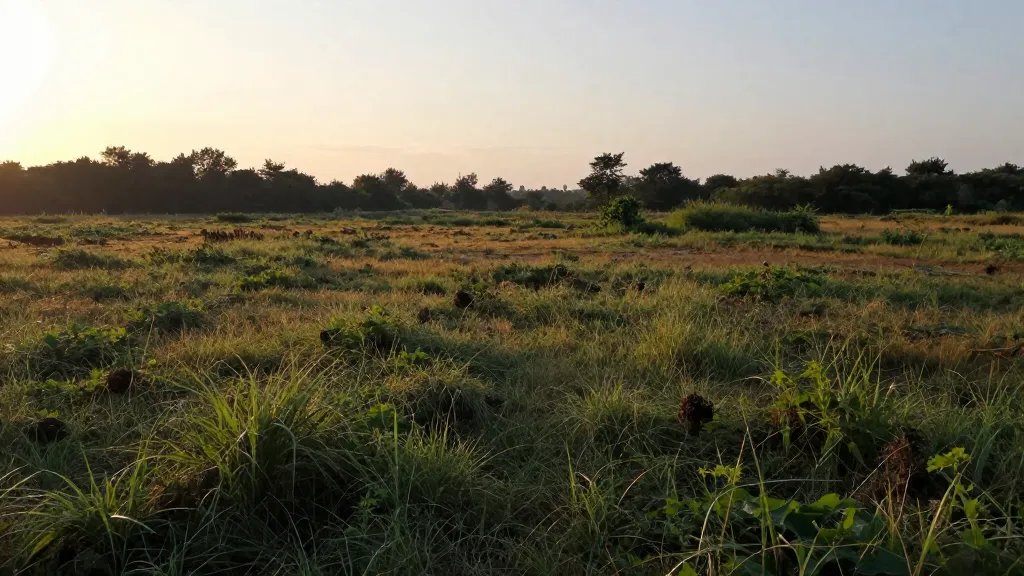
Abandoned properties often require a different financing mindset than turnkey buys. Here are practical options:
- Cash is king: Quick, clean, and often negotiable. It also shows you’re serious.
- Private lenders: Friends, family, or local hard-money lenders can bridge the gap for rehab costs, sometimes faster than banks.
- Conventional loans with rehab add-ons: Some lenders allow you to roll in renovation costs with traditional mortgages via “rehab loans.”
- Seller financing: If the owner is motivated, they might carry the note for you. It’s a win-win if the numbers align.
FYI: Lenders will scrutinize your plan, budget, and timeline more tightly for abandoned properties. Have contingency cushions and a clear, realistic scope of work.
Renovation reality check: make it livable (and sellable) without tears
If you’re aiming to flip or rent, you’ll want a plan that respects budget and zoning rules. A phased approach helps:
- Phase 1: Stabilize basics — roof, plumbing, electrical, and securing the site.
- Phase 2: Exterior refresh — siding, windows, doors, paint, curb appeal.
- Phase 3: Interior core — drywall, flooring, kitchen, baths.
- Phase 4: Systems and safety — HVAC, water heater, fire escapes, alarms.
Question to ask yourself: Do you want a quick flip or a longer-term rental? Your rehab strategy should match. IMO, don’t over-improve a fixer-upper in a rough market; you’ll erase your margins.
Legal landmines you don’t want to step on
Buying abandoned property is thrilling until you encounter the boring-but-crucial legal hoops. Here are the big ones:
- Escrow and title clearance timelines can vary. Don’t rely on someone saying “it’s easy.”
- Zoning and occupancy permits: Ensure the rehab plan aligns with local zoning. Otherwise, you might end up with a gorgeous paperweight.
- Environmental and lead paint disclosures if the house is old. You may be required to handle remediation or disclosures in certain jurisdictions.
- Homestead and tax exemptions: Some places let new owners salvage extra credits if they qualify. It’s not universal, but worth checking.
Remember: Paperwork moves slower than a sloth on vacation, so build in extra time and expect the unexpected.
Closing the deal: what the handshake (and the paperwork) actually looks like

Once you’ve got your title clean, your funding lined up, and your rehab plan in hand, it’s time to close. Here’s a crisp checklist:
- Lock in a purchase agreement with clear contingencies for title, liens, and permits.
- Hire a reputable title company or attorney to handle escrow and closing documents.
- Secure permits early; you don’t want to wait months while the property sits idle.
- Do a thorough final walk-through and verify that all agreed-upon repairs or settlements are in place.
- Record the deed and secure ownership with the proper county offices.
Final word: Don’t rush. Abandoned properties reward patience, not impulse.
How to avoid common missteps (so you don’t become a cautionary tale)
A few quick cautions to save you time, money, and sanity:
- Don’t skip professional title work. Hidden heirs and old liens can tank a deal faster than a flood at a camping trip.
- Avoid “one-day renovations.” Plan, budget, and schedule realistically. Overpromising on rehab timelines wrecks cash flow.
- Don’t ignore local regulations. A permit mishap can turn your dream project into a zoning nightmare.
- Be mindful of community impact. If the property becomes a nuisance, neighbors will call the city—and nobody wants that drama.
FAQ
What’s the first step to buy an abandoned property legally?
Start with research. Identify properties with clear ownership and check for liens, back taxes, and any encumbrances. Then connect with a title company or real estate attorney to run a preliminary title search and confirm you can legally acquire the property.
Are abandoned properties a good investment for beginners?
They can be, but they’re not a set-it-and-forget-it play. They require patience, careful due diligence, and realistic budgeting for repairs and legal hurdles. If you go in with a solid plan and money set aside for surprises, they can pay off big time.
How do I handle liens on an abandoned property?
Liens don’t dissolve on their own. You’ll need to negotiate with lienholders, decide what portion you’ll pay to clear the lien, and factor that into your overall budget. Title insurance can help manage some risks, but you’ll likely deal with this directly or through your attorney.
Do I need a contractor before I buy?
Not always, but it’s smart to have a rough scope of work and cost estimates. A licensed contractor can spot red flags you might miss, and their quotes help you set realistic budgets and timelines for rehab.
What if the property is in probate or has heirs?
Probate can complicate things, but it’s not a dead end. You’ll typically need court approval or a willing executor, and the process can take longer. A real estate attorney who handles probate can keep you from wandering into a legal maze.
How long does it typically take to close on an abandoned property?
It varies wildly. In some markets you can close in 30–45 days if everything lines up (title clear, funds ready, permits in place). In other places, delays with liens, probate, or permits can stretch to several months. Build buffer time into your plan.
Conclusion
If you’re chasing a project with character, an abandoned property can be your sandbox. Do the homework, respect the legalities, and go in with a practical renovation plan. The payoff isn’t guaranteed, but the thrill of turning a neglected lot into something you’re proud of is totally worth it. So grab your notebook, pick a target, and start tailing those titles. With a little luck—and a lot of due diligence—you might just turn an empty shell into your next paycheck.