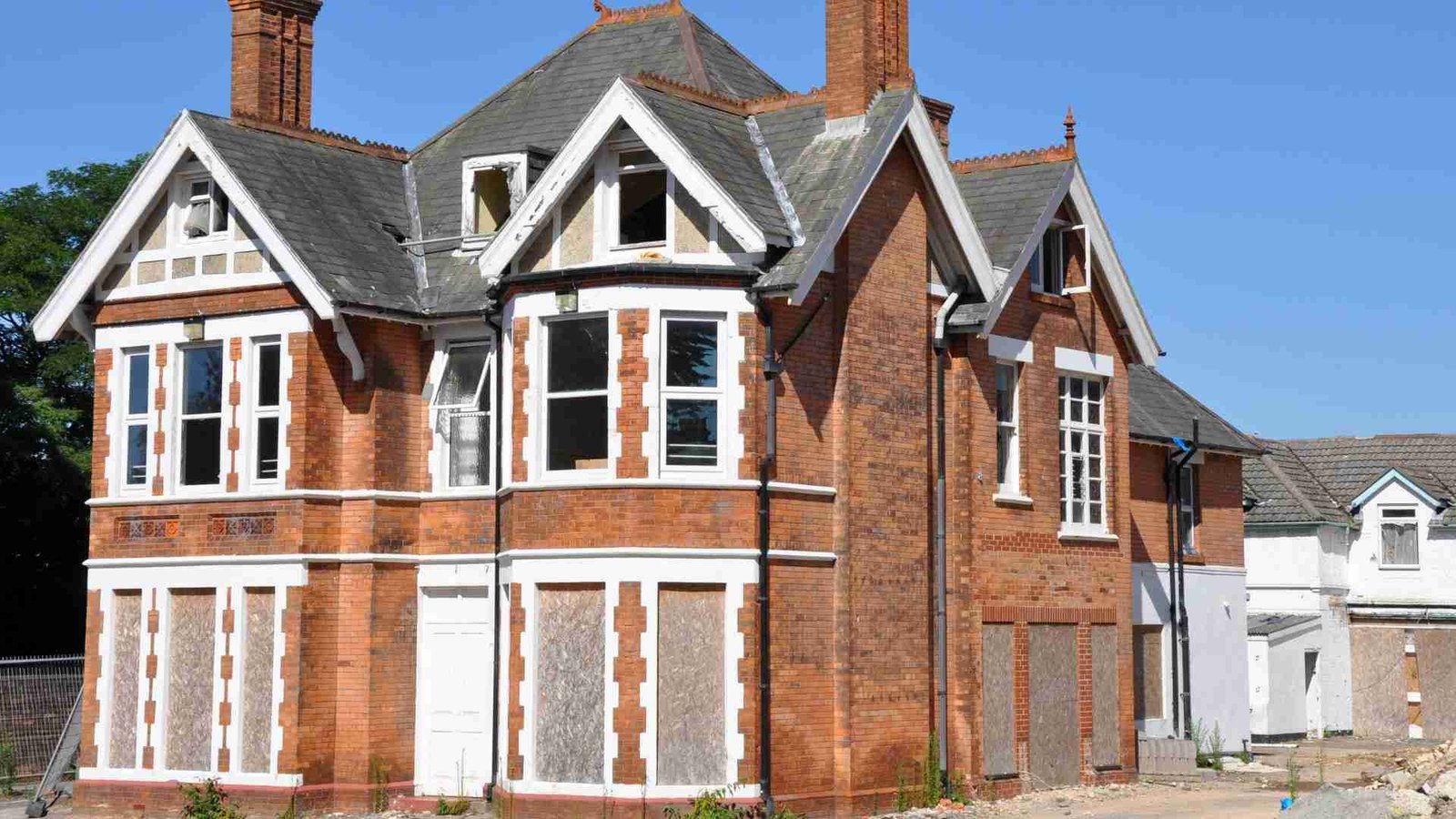
Have you ever walked past a run-down house, overgrown with weeds and boarded up, and thought, What could this become?
Abandoned properties hold an undeniable allure. They offer the potential for a fresh start, a creative project, or even a lucrative investment opportunity.
Whether you’re a property investor, a home renovation enthusiast, or simply someone curious about these deserted treasures, learning how to find abandoned property can open doors to exciting possibilities.
Let’s dive into how you can uncover these hidden gems and what you need to know before taking the plunge.
Why Buy an Abandoned House?

Buying an abandoned house is not just about saving money (although that’s a major perk). These properties often come with character and history, which makes them stand out in a world full of cookie-cutter developments.
For property investors, they represent a chance to transform a forgotten structure into a profitable asset. For homeowners, they’re an opportunity to craft a truly unique space.
Renovating abandoned houses also helps revitalize neighborhoods, bringing life back to deserted streets and creating homes needing renovation that can add value to the community.
While the process may be challenging, the rewards can far outweigh the effort.
What to Look For When Searching for Abandoned Houses
Finding the right abandoned property isn’t as simple as picking the first run-down house you see. Here are some key things to consider:
- Signs of Abandonment
- Overgrown gardens and lawns.
- Boarded-up windows or broken glass.
- Piled-up mail, newspapers, or debris.
- No visible signs of occupancy, such as lights or vehicles.
- The Location
- Look for properties in neighborhoods with potential for growth.
- Consider proximity to schools, shops, and public transport.
- Evaluate whether the area has a good resale or rental market.
- Structural Integrity
- Be prepared to deal with issues like roof damage, mold, or faulty plumbing.
- Always factor in the cost of renovations when considering a property.
By focusing on these aspects, you’ll find abandoned properties and homes needing renovation that are worth your time and investment.
How to Find Abandoned Properties in the UK
Now that you know what to look for, let’s talk about where to start your search. Here are some tried-and-true methods:
- Online Resources and Platforms
- One of the easiest ways to find abandoned properties is through specialized websites like urbexology.com. This platform lists reported run-down properties and offers a wealth of information for urban explorers and prospective buyers alike. For property investors, urbexology.com is a game-changer. It provides detailed insights into abandoned locations, including their history, condition, and potential. By using the site, you can narrow your search, focus on properties with real potential, and save time and effort in the process.
- Browse real estate listings for keywords like “homes needing renovation” or “distressed properties.”
- Driving Around
- Take a drive through areas you’re interested in. Keep an eye out for properties that show clear signs of neglect.
- Don’t hesitate to talk to neighbors, who may have valuable insights about the property and its ownership.
- Local Records and Auctions
- Visit your local council office to access public records that may reveal ownership details of abandoned properties.
- Attend property auctions, which often include homes needing renovation or distressed sales.
- Networking and Word of Mouth
- Let friends, family, and colleagues know you’re searching for abandoned properties. They might have leads or know someone who does.
- Join local property investor groups or online forums to exchange tips and resources.
Using these methods, you’ll be well on your way to discovering some of the most intriguing abandoned places near you.
Determining Ownership and Legal Considerations
Once you’ve identified an abandoned property, the next step is finding out who owns it. This can be a tricky process, but it’s essential for moving forward legally and ethically.
- Checking the Land Registry
- In the UK, the Land Registry is your go-to source for ownership information. For a small fee, you can access records that show who owns the property and whether there are any mortgages or liens against it.
- Contacting Local Authorities
- Your local council may have records or knowledge about the property’s status.
- In some cases, councils hold lists of abandoned properties, particularly if they pose a safety risk.
- Engaging a Solicitor
- If ownership details are unclear, a solicitor can help you navigate complex legal scenarios, such as adverse possession claims.
- They can also ensure you’re compliant with local laws regarding property renovations and usage.
Buying and Restoring an Abandoned Property
Once you’ve identified the property and verified its ownership, it’s time to move forward with your purchase and restoration plan.
- Negotiating the Purchase
- Reach out to the property owner (if known) and express your interest.
- Be prepared to negotiate, especially if the property has significant repair needs.
- Securing Financing
- Look into specialized loans or grants for homes needing renovation. Many lenders offer favorable terms for buyers intending to restore and occupy the property.
- Planning the Renovation
- Work with architects and contractors to develop a realistic budget and timeline.
- Prioritize repairs that ensure safety, such as fixing structural issues and updating electrical systems.

Restoring abandoned properties can be incredibly rewarding. With the right planning, you can transform a neglected building into a stunning home or profitable investment.
Tips for Property Investors
For those considering abandoned properties as an investment opportunity, here are some tips to maximize your success:
- Do Your Homework
- Research market trends to identify areas with strong growth potential.
- Focus on homes needing renovation in locations where demand is high.
- Start Small
- If you’re new to property investment, consider starting with a smaller project to build experience and confidence.
- Plan for the Unexpected
- Always budget extra for unforeseen expenses, such as hidden structural damage or delays in obtaining permits.
By keeping these tips in mind, you can turn abandoned properties into a thriving part of your investment portfolio.
Exploring Abandoned Places Responsibly
For those interested in urban exploration, abandoned properties offer a unique glimpse into history and architecture. However, it’s important to approach these places responsibly:
- Safety First
- Always carry safety gear, such as gloves, sturdy shoes, and flashlights.
- Avoid entering properties that are clearly unsafe or structurally unstable.
- Respect Legal Boundaries
- Trespassing is illegal, so always seek permission before entering abandoned properties.
- Use platforms like urbexology.com to find legal exploration opportunities.
- Leave No Trace
- Respect the property by not damaging or removing anything.
- Report hazardous conditions to local authorities to ensure public safety.
Success Stories: From Ruins to Stunning Homes
To inspire you, here are a few examples of abandoned properties that have been transformed into remarkable homes:
- A derelict Victorian townhouse in London was restored to its former glory by a young couple, turning it into a modern family home.
- An abandoned farmhouse in rural Wales became a luxurious countryside retreat after a dedicated renovation effort.
- A property investor turned a neglected warehouse into stylish loft apartments, reaping significant financial rewards.

These stories prove that with vision, determination, and the right resources, you can achieve incredible results.
Conclusion
Finding and buying abandoned property is not just a real estate endeavor—it’s an adventure. By learning how to find abandoned property, you’re opening yourself up to a world of creativity, opportunity, and potential profit.
Whether you’re searching for homes needing renovation or exploring abandoned places near you, the journey is as rewarding as the destination.
So, start today! Explore websites like urbexology.com, take a drive through your favorite neighborhoods, and tap into local resources. Who knows? Your dream property might just be waiting for you behind a boarded-up door.