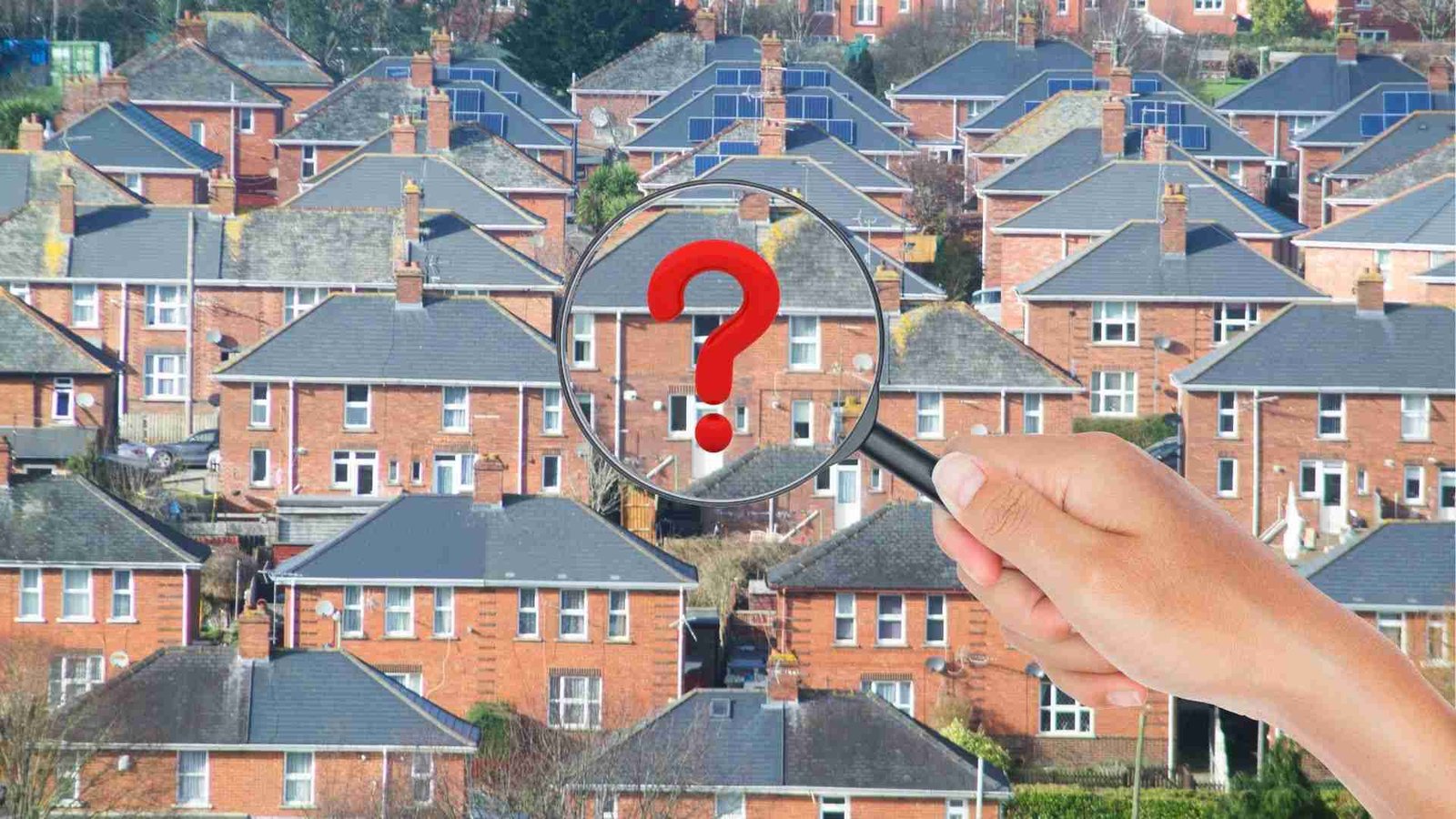
When you’re curious about the ownership of a property in the UK, whether for personal interest or professional reasons, there are several methods you can use to uncover this information.
Knowing who owns a property can be crucial for potential buyers, real estate agents, or even neighbors. Here’s a step-by-step guide on how to find out who owns a property in the UK.
Utilize the Land Registry
The most straightforward way to find out who owns a property in the UK is through the HM Land Registry. This government service holds records of land and property ownership in England and Wales.
You can access the Land Registry online for a small fee. Here’s how to find out who owns a property in the UK:
- Visit the HM Land Registry website: Navigate to the official site and use the search tool provided.
- Enter the property details: You’ll need the address or title number of the property.
- Pay the search fee: A small fee is required to access the details, which usually amounts to £3.
- View the title register: Once paid, you can download the title register, which contains the ownership details and other relevant property information.

Check Local Council Records
Sometimes, local council records can provide information about property ownership. This method is particularly useful if you’re looking for historical ownership or additional property details. Contact the local council where the property is located and inquire about any public records they might have.
Use Online Property Platforms
Several online platforms offer property information services, though they may charge a fee. Websites like Zoopla or Rightmove may not directly provide ownership details but can offer insights into property history, which might be helpful for your research.
Contact a Local Solicitor
If the above methods don’t yield results, consider contacting a local solicitor. Solicitors have access to various resources and can conduct a thorough search to determine property ownership. While this service will come with legal fees, it can be a reliable method if other attempts fail.
Explore Historical Archives
For those interested in historical ownership, visiting local libraries or historical archives might provide valuable insights. These places often hold historical maps and records that can trace property ownership back through the years.
Conclusion
Finding out who owns a property in the UK doesn’t have to be a daunting task. By using resources like the HM Land Registry, local council records, or online platforms, you can efficiently gather the information you need.
Whether it’s for purchasing purposes, resolving disputes, or satisfying curiosity, these methods will help you uncover the ownership details with ease. For further assistance, local solicitors and historical archives can offer additional support.
By following these steps, you’ll be equipped to answer the question, “How can I find out who owns a property?” with confidence.