Introduction
If you’re getting a house ready for tenants, you’re not just swapping curtains and cleaning the fridge. You’re setting up a smooth, stress-free rental experience that pays off in happier tenants and fewer headaches for you. Let’s walk through a practical, no-nonsense plan you can tackle in a weekend (or two, if you’re juggling life). Ready to turn a rundown into rental-ready? Let’s go.
1. Start with a rock-solid clean sweep
A fresh slate makes everything else fall into place. Tenants notice the little things and will forgive a lot, but not a dirty baseboard.
- Deep clean all rooms, especially kitchens and bathrooms. Don’t just wipe surfaces—clean behind appliances, inside cabinets, and grout in bathrooms.
- Replace filters, scrub vents, and wash light fixtures. Bright, clean spaces feel bigger and more inviting.
- Ask yourself: would I be happy living here? If the answer is no, clean again until the answer is yes.
Deep-clean checklist
- Vacuum and mop floors; steam clean tile if possible
- Wipe walls to remove scuffs; touch up with paint if needed
- Sanitize high-touch areas: doorknobs, switch plates, handles
- Check appliances feel clean on the inside and outside
2. Fix what actually matters
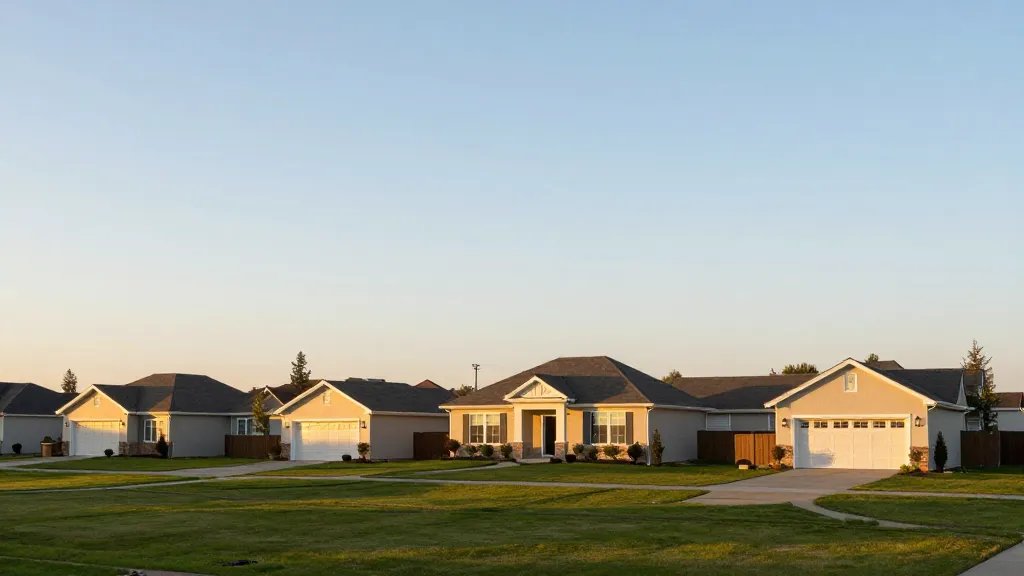
You don’t need to chase perfection, just fix the stuff that can derail a lease.
- Repair leaks, faulty outlets, and sticking doors. Small issues fade fast into big headaches.
- Test heating and cooling systems. If you’re unsure, hire a licensed pro for a quick check.
- Update broken or outdated fixtures in the kitchen and bathrooms where it counts.
Must-do vs nice-to-have
- Must-do: functional plumbing, heat, hot water, safe electricals
- Nice-to-have: modern faucet, stylish but sturdy light fixtures
3. Set up safety and compliance, no drama
This is the boring but essential part. Do it once, breathe easy after.
- Smoke and carbon monoxide detectors: test them and replace batteries. Place detectors on every living floor and near bedrooms.
- Locks and security: upgrade scary-looking knobs and ensure deadbolts work. Consider a renter-friendly smart lock if you’re comfortable with it.
- Electrical safety: check outlets for scorch marks; ensure circuit breakers aren’t overloaded.
- Compliance: verify local rental licensing and habitability standards. If in doubt, ask a local pro or your property manager buddy.
Emergency plan makes life easier
- Post emergency numbers and access to keys in a common area
- Provide a simple guide for tenants on what to do during power outages or leaks
4. Create a turnkey interior that tenants love
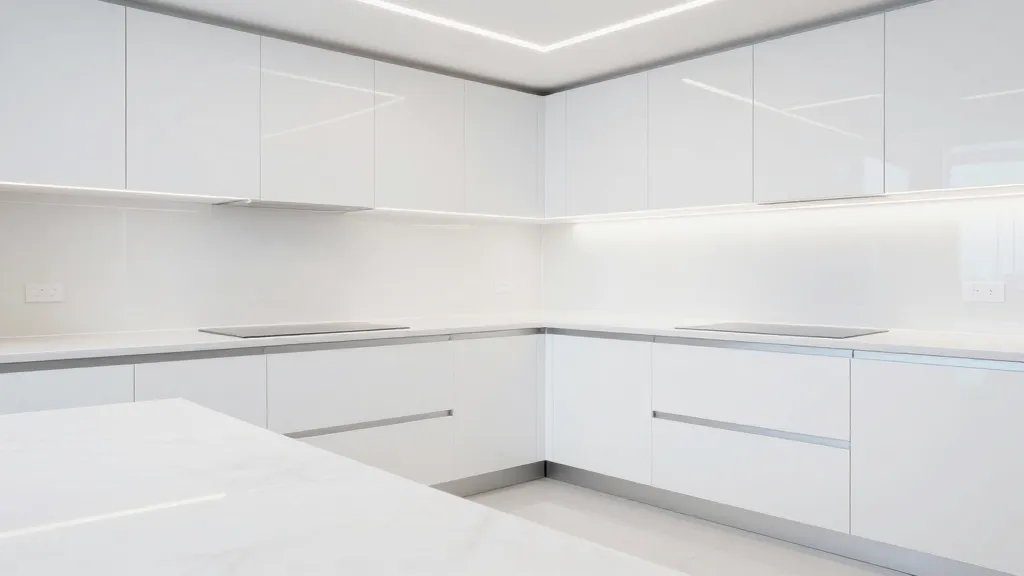
Think durable, easy to maintain, and a little welcoming.
- Paint with neutral, durable finishes. Eggshell or satin hides scuffs and is easy to wipe.
- Flooring that lasts: consider vinyl plank or updated carpet in bedrooms where you expect traffic. Easy to clean matters more than fancy textures.
- Kitchen and bath updates: replace worn hardware, update cabinet handles, and ensure appliances are clean and functional.
Furniture and staging on a budget
- Provide essential items only: a bed frame, a dining setup, and a sofa if you’re renting unfurnished. If furnished, invest in sturdy basics that won’t fall apart after a tenant move-out.
- Declutter and keep surfaces clear. A tidy space feels bigger and more inviting.
5. Fine-tune the practicals: utilities, storage, and accessibility
Make life easier for both you and your future tenants.
- Utilities: set up or clarify which utilities are paid by tenants vs. you. Prepare transfer instructions and meter readings.
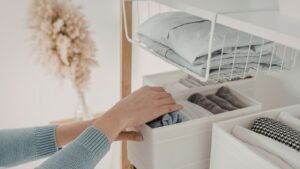
- Storage: ensure closets and storage spaces are clean and functional. Add adjustable shelves if possible.
- Accessibility: check door widths, grab bars in bathrooms if the house is older, and consider a lever-style handle for easier use.
Smart startup tips
- Install a few smart plugs or a basic thermostat if it fits your budget. It’s a nice perk without breaking the bank.
- Label circuit breakers clearly to make life easier for tenants during fixes.
6. Documentation that saves you the grief later
Documentation saves you from endless back-and-forth with tenants and helps set expectations.
- Move-in readiness checklist: have both sides sign off on the condition of the home. Take dated photos.
- Rental disclosures: disclose known issues, safety hazards, and HOA rules (if applicable).
- Lease clarity: outline who handles what, maintenance timelines, and how repairs requests are submitted. Use simple language—no legalese jargons.
What to include in a move-in packet
- Emergency contacts and local service numbers
- appliance manuals or simple operating guides
- Waste collection days and recycling guidelines
7. The move-in and move-out flow: smooth transitions
A clean handoff makes both sides happy and reduces disputes.
- Move-in inspection: do a walk-through with the tenant and notarize it. Take photos or video for reference.
- Timing matters: schedule the move-in date, key handover, and any pre-existing issues to be resolved before the tenant arrives.
- Move-out expectations: explain the cleaning standards and the refund of deposit conditions. Be transparent about wear and tear vs damage.
Dealing with deposits without drama
- Document everything, keep receipts, and maintain a clear return policy
- Always communicate major issues in writing to protect yourself
FAQ
How often should I re-check a rental property after turnover?
Schedule a quick check every 6–12 months, or sooner if you notice maintenance issues arise. Regular mini-inspections can catch problems before they become big repairs. FYI, always give proper notice before entering a tenant’s space and respect privacy laws in your area.
What should I do if I find hidden issues after a tenant moves out?
Document what you find, take photos, and assess whether it’s normal wear and tear or tenant-caused damage. Communicate with the tenant in writing, and if needed, deduct only for actual damages from the security deposit per your local laws. Stay fair and transparent to keep relations smooth.
Is it worth upgrading to smart home features for a rental?
Depends on the market and budget. A few smart basics (like a programmable thermostat or smart locks) can be a selling point and improve energy efficiency without breaking the bank. IMO, don’t go overboard—tenants value reliability and ease more than gadgetry.
How do I handle pet-friendly rentals without turning into a zoo?
Set clear pet rules and deposits, require a pet addendum, and specify areas off-limits or enhanced cleaning expectations. A well-managed pet policy protects you and keeps a good tenant fit. Humor helps—just keep it professional.
What’s the quickest way to prep a property for showings?
Do a rapid “30-minute spruce”: quick clean, declutter, plug in fresh air, open blinds for natural light, and set a neutral scent with a light air freshener. Have a ready-to-go rental packet and a sign-in sheet to capture contact info for interested renters.
Conclusion
prepping a house for tenants isn’t glamorous, but it pays off in faster leases, happier tenants, and fewer headaches down the line. Start with a solid clean, fix what truly matters, and lock in safety and compliance. Then layer in durable finishes, practical utilities, and clear documentation. Before you know it, you’ll have a turnkey rental that feels inviting without costing you a fortune.
If you want a quick, buddy-to-buddy recap: clean like you mean it, fix the essentials, safety first, make it easy to live in, document everything, and keep the flow smooth from day one to move-out. Ready to tackle the checklist? Grab a cup of coffee and dive in—your future self (and your tenants) will thank you. FYI, a little humor helps when the to-do list grows longer than a grocery receipt.