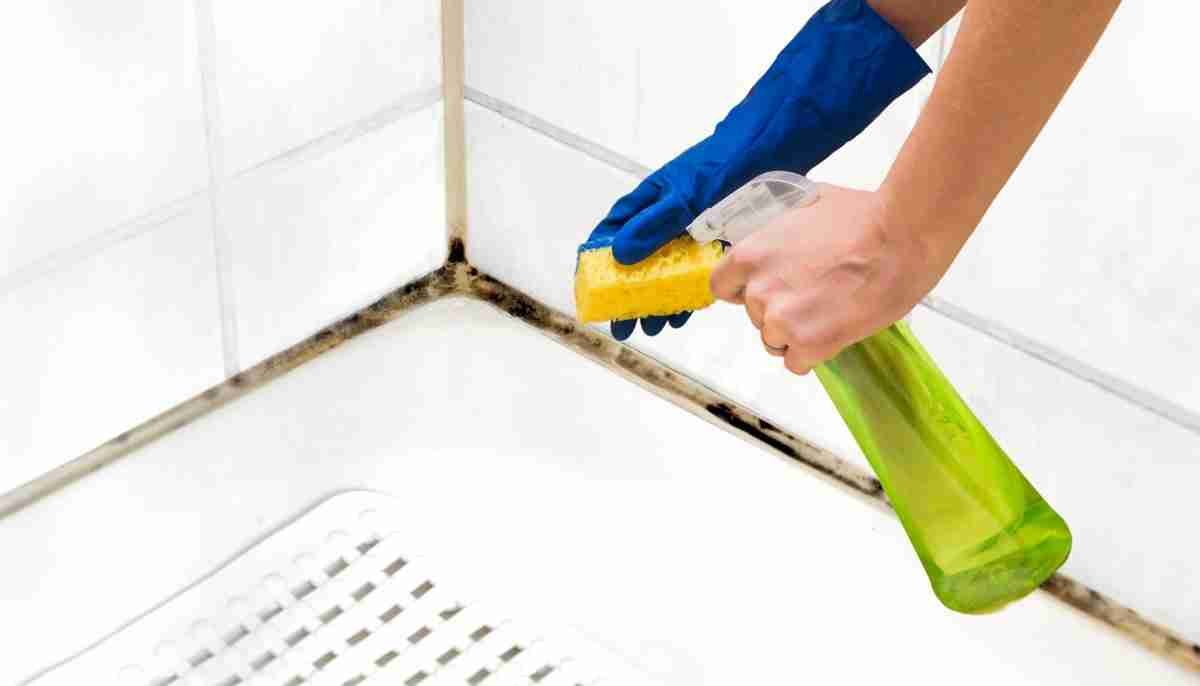
Dealing with black mould on silicone sealant can be frustrating and unsanitary. But, it’s a problem you can solve.
This guide will show you how to remove black mould from silicone sealant in your home. You’ll learn about mould growth causes and how to use natural and chemical solutions.

Key Takeaways
- Understand the causes and implications of black mould growth on silicone sealant
- Prepare the necessary tools and protective gear for safe mould removal
- Discover effective natural remedies, such as vinegar and baking soda, for mould removal
- Learn about chemical solutions for stubborn mould cases
- Explore prevention tips to avoid future mould growth on silicone sealant
What is Black Mould on Silicone Sealant?
Black mould, also known as Stachybotrys chartarum, is a fungus that loves damp places. It can grow on silicone sealants in bathrooms, kitchens, and other damp areas. This happens when there’s poor air flow, leaks, or high humidity, making it perfect for black mould on silicone sealant to grow.
Causes and Implications of Mould Growth
There are many reasons why mould grows on sealant. Too much moisture, not enough air, and the sealant’s porous nature are common causes. These conditions let mould spores spread quickly, causing health risks and damage.
Being exposed to black mould in the bathroom can lead to breathing problems, allergies, and even toxicity. So, it’s important to act fast.
- Inadequate ventilation
- Plumbing leaks or water damage
- High humidity levels
- Porous nature of silicone sealant
Dealing with black mould on silicone sealant is key for looks and health. Identifying and fixing the problem stops it from getting worse and reduces health risks.
“Mould growth on sealant can be a persistent and hazardous issue, requiring prompt attention to preserve both the appearance and the health of the occupants.”
Preparing for Mould Removal

Before you start removing black mould from silicone sealant, make sure you’re well-prepared. Having the right tools and protective gear is key for your safety and the success of the mould removal.
Essential Tools and Protective Gear
When facing black mould, you need the right tools and protective gear. Here’s what you should get:
- A pair of gloves to protect your hands from mould and cleaning solutions
- Goggles to shield your eyes from splashes or airborne particles
- A mask or respirator to prevent breathing in mould spores
- A stiff-bristled scrub brush to effectively scrub away the mould
- Vinegar, baking soda, or a mould-killing solution to disinfect and clean the area
- Cloths or rags for wiping down the surface
Being well-prepared keeps you safe and helps you remove the mould effectively. With the right tools and protective gear, you can confidently tackle mould removal and reduce the risk of exposure.
“Equipping yourself with the necessary tools and protective gear is the first step towards successfully removing black mould from silicone sealant.”
| Tool or Gear | Purpose |
|---|---|
| Gloves | Protect hands from mould and cleaning solutions |
| Goggles | Shield eyes from splashes or airborne particles |
| Mask or Respirator | Prevent inhalation of mould spores |
| Scrub Brush | Effectively scrub away the mould |
| Cleaning Solutions | Disinfect and clean the affected area |
| Cloths or Rags | Wipe down the surface after cleaning |
How to Remove Black Mould from Silicone Sealant
Dealing with black mould on silicone sealant can be tough, but you can get rid of it with the right steps. These steps will help you make your bathroom or kitchen look fresh and mould-free again.
Step-by-Step Guide to Cleaning Black Mould from Silicone Sealant
- Start by cleaning the sealant with a stiff brush and warm water mixed with mild detergent. This loosens the mould.
- Then, put a mould-killing solution on the sealant. You can buy special products or use white vinegar or baking soda at home.
- Let the solution work for 15-20 minutes to kill the mould fully.
- Use the stiff brush again to scrub off any mould left. Make sure you get all of it.
- Clean the area with water to get rid of any cleaning solution or mould spores left behind.
- Dry the area well before putting on new silicone sealant. This step is key to stopping mould from coming back.
By doing these steps, you can remove black mould from silicone sealant. This will make your bathroom or kitchen clean and mould-free again.
| Step | Description |
|---|---|
| 1 | Scrub the affected sealant with a mixture of warm water and mild detergent to loosen and dislodge the mould. |
| 2 | Apply a mould-killing solution, such as white vinegar or a commercial product, and let it sit for 15-20 minutes. |
| 3 | Scrub the sealant with a stiff-bristled brush to remove any remaining mould growth. |
| 4 | Rinse the area thoroughly with clean water to remove any residual cleaning solution or mould spores. |
| 5 | Ensure the area is completely dry before applying new silicone sealant to prevent future mould growth. |
Follow this guide to remove black mould from silicone sealant. You’ll get your bathroom or kitchen back to a clean, mould-free state.
Natural Remedies for Mould Removal
Looking for a green way to fight mould on silicone sealant? Try using vinegar, baking soda, and hydrogen peroxide. These items are as good as chemical cleaners but are better for your health and the planet. They help you remove mould from silicone sealant safely and keep it away in the future.
Vinegar: Nature’s Mould Killer
White vinegar is a strong natural way to remove mould from silicone sealant. It has acetic acid that breaks down the mould’s cells. Just spray or wipe the area with vinegar, wait an hour, scrub, and rinse. You might smell the vinegar at first, but the smell goes away fast, leaving your surface clean.
Baking Soda: Gentle Yet Effective
Baking soda is a eco-friendly mould removal option for silicone sealant. Mix it with water to make a paste, then put it on the mould. Wait a bit, scrub, and rinse. Baking soda gently removes mould and stops it from growing with its alkaline properties.

| Natural Remedy | How it Works | Effectiveness |
|---|---|---|
| Vinegar | Acetic acid disrupts mould cell structure | Highly effective |
| Baking Soda | Mild abrasive and alkaline properties inhibit mould growth | Moderately effective |
| Hydrogen Peroxide | Oxidising agent kills mould spores and fungus | Highly effective |
For tough mould, mix these household items for mould removal for best results. Try different ratio mixes and ways to apply them to find what works best for you. Never mix different solutions together.
“Natural remedies can be just as effective as chemical-based products for removing mould, while offering a safer and more sustainable solution.”
Chemical Solutions for Stubborn Mould
Dealing with tough black mould on silicone sealant? Chemical solutions can help. These products are made to kill even the toughest mould. But, always be careful and follow the instructions when using chemical mould removal products.
Bleach Solution
Bleach is a strong mould remover it is also the most Common DIY Chemical Method of Mould Removal. Bleach must be used with caution:

- Mix: Create a bleach solution by mixing one part bleach with four parts water in a spray bottle.
- Apply: Spray the solution onto the mouldy sealant.
- Wait: Allow it to sit and evaporate. For particularly stubborn areas, soak a cloth or tissue in bleach and leave it on the mould overnight.
- Clean: After treatment, wipe the area with clean water and dry it thoroughly.
Commercial mould killers for silicone sealant like chlorine-based cleaners work well. They break down the mould, clean the area, and stop more growth. Make sure to ventilate well and wear protective gear when applying these products.
Enzymatic cleaners are another choice. They use enzymes to eat away the mould. These are gentler than chlorine cleaners, good for the environment and those who prefer a natural method.

“Using the right chemical mould removal products can change how you deal with stubborn mould on silicone sealant. Just make sure to follow the instructions and keep safety first.”
It doesn’t matter which commercial mould killers for silicone sealant you pick. Always clean and dry the area well before sealing again to stop mould from coming back. With the right strong mould removal solutions, you can get rid of mould and keep your sealant looking good.
Preventing Future Mould Growth
To keep your silicone sealant mould-free, you need to act early. Follow some simple tips and best practices. This will help stop black mould from coming back and keep your home safe.
Improve Ventilation

Good ventilation is key to managing moisture, which stops mould from growing. Think about putting in or upgrading exhaust fans in places like bathrooms and kitchens. These fans help move air around and cut down on humidity.
Address Leaks and Moisture Issues
It’s vital to fix any leaks or moisture problems quickly. Check the sealant and nearby for any water damage or damp. Fixing these issues right away stops mould from growing on the sealant.

Clean and Maintain the Sealant
Clean the silicone sealant often with a mild cleaner made to fight mould. This stops dirt and mould from building up. Also, think about reapplying the sealant every few years to keep it working well and mould-free.
By using these maintenance tips and best practices, you can stop mould from getting on your silicone sealant. This makes sure your home stays mould-free and healthy for many years.
When to Replace Mouldy Silicone Sealant
Removing black mould from silicone sealant can work, but sometimes, it’s better to replace it. Knowing when to switch can stop mould from coming back and keep your sealant working well for longer.
If the mould is deep or covers a lot of the sealant, it might be too hard to remove. In these cases, it’s best to replace the sealant.
Look out for signs like big cracks, peeling, or wear and tear in the sealant. These can make it hard to clean and keep the sealant in good shape. Replacing it can solve these problems and stop mould from coming back.
- When the mould has become deeply embedded or covers a large area of the sealant
- If the sealant is severely cracked, peeling, or deteriorating
- When previous attempts to remove the mould have been unsuccessful
- If the sealant has become discoloured, misshapen, or has lost its flexibility

To replace mouldy silicone sealant, first remove the old one, clean and dry the area well, and then put on a new, quality sealant. This takes some time but is key to keeping your bathroom or kitchen mould-free. Spotting the right time to replace the sealant helps you act fast and keep your space safe from mould.

“Replacing mouldy sealant is essential for maintaining a healthy, mould-free environment in your home.”
Hiring a Professional for Severe Mould Issues
If you’re dealing with severe mould problems you can’t handle, think about getting help from a mould removal company. These pros have the right tools, knowledge, and experience to tackle tough mould issues safely. They ensure the job is done right, following health and safety rules.
Wondering when to call a mould removal expert? If the mould is widespread or could be harmful, it’s time to call in the experts. They can find the source of the mould, stop it from spreading, and fix it for good.
Choosing a mould removal company means getting a detailed plan and skilled execution. They know how to assess the situation and remove the mould safely. You won’t have to risk your health or deal with the dangers of mould yourself.
FAQ
What is black mould on silicone sealant?
Black mould, or Stachybotrys chartarum, is a fungus that grows on silicone sealant in damp places like bathrooms and kitchens. It thrives in moist conditions caused by poor ventilation, leaks, or high humidity. This mould can be harmful to health, causing breathing problems, allergies, and toxicity. It’s important to deal with it quickly.
What causes mould growth on sealant, and what are the implications?
Mould grows on silicone sealant due to poor ventilation, leaks, and high humidity. These conditions are perfect for mould. Being exposed to black mould can lead to health issues like breathing problems, allergies, and toxicity. It’s vital to tackle this issue fast.
What tools and protective gear are needed for mould removal?
Before removing mould, gather the right tools and wear protective gear. You’ll need gloves, goggles, a mask or respirator, and cleaning items like a brush, vinegar, baking soda, or mould solution. This prepares you safely and helps remove the mould effectively.
How can I remove black mould from silicone sealant?
Removing black mould from silicone sealant involves cleaning the area well, applying a mould solution, and scrubbing with a brush. Make sure the area dries before sealing it again. This ensures the mould is fully removed.
What natural remedies can I use to remove mould from silicone sealant?
For a natural approach, try using vinegar, baking soda, or hydrogen peroxide to remove mould. These items are safe and effective, unlike some chemical products. They can remove mould without harming health or the environment.
When should I use chemical solutions for stubborn mould?
Use chemical solutions for tough mould that natural methods can’t remove. These products can get rid of stubborn mould on sealant. But, be careful and follow the instructions closely.
How can I prevent future mould growth on my silicone sealant?
To stop mould from coming back, improve ventilation, fix leaks, and clean the sealant regularly. These steps help keep your home mould-free and healthy.
When is it necessary to replace mouldy silicone sealant?
Replace sealant if mould is too deep or widespread to remove. Look for signs it’s time to replace and follow the steps for doing so. This prevents mould from coming back and keeps your sealant healthy.
When should I hire a professional for severe mould issues?
For big or complex mould problems, consider hiring a mould removal expert. They have the skills, tools, and knowledge to safely and effectively fix mould issues. This ensures the problem is solved right and safely.