
The moment you peek at a rental listing and notice the price tag, you probably also notice the closest tram, bus, or train line. Transport links aren’t just a convenience; they quietly steer how much you should expect to pay, how fast you’ll get bored of the neighborhood, and whether you’ll actually want to live there. In short: transport can make or break rental value.
Two flats, same square footage, same condition, different routes in and out. Which one costs more to rent? The one with better transport. It’s not magic. It’s simple supply-and-demand with wheels.
How accessibility shapes rent: the basics
There’s a reason investors chase transit corridors. People want to spend less time commuting, more time living. If a place is a 5-minute walk to a station, it becomes a hotspot. If it’s a 20-minute bus ride and a transfer maze, the price stalls.
Think of transport links as a “validator” for your neighborhood value. They validate what you can do with your day: work, gym, social life, groceries, weekend trips. The better you validate those activities, the more rental value you’ll see.
Quick reality check: transport quality isn’t just speed; it’s reliability, proximity, safety, and fare cost. A hyper-fast line that stalls often feels worse than a slower route that’s consistently on time. FYI, tenants notice reliability more than fancy branding.
What tenants really care about: time, money, and stress
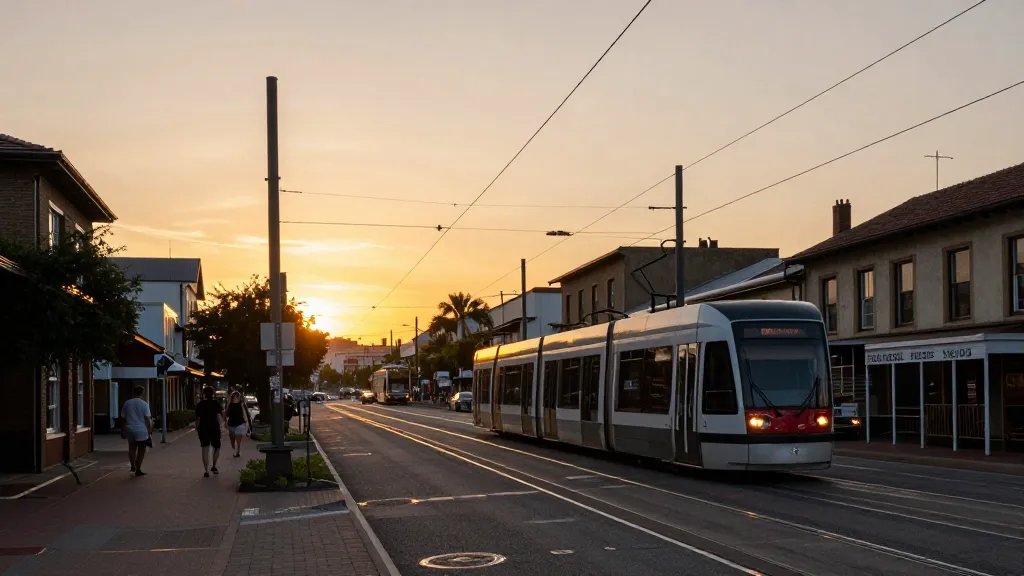
When you’re hunting for a rental, you’re negotiating with your calendar. The calendar wants to know: how long will this commute take? How much will it cost (both money and mental energy)? How stressful will leaving home be during rush hour?
- Time is money: short commutes free up evenings for hobbies, socializing, or binge-watching guilt-free.
- Transit costs: frequent riders feel every fare increase. A monthly pass or capped fares can sweeten a lease deal.
- Stress and reliability: a rollercoaster service eats at your patience. Consistent schedules beat heroic but inconsistent routes.
If a property offers a 15-minute stroll to a reliable station with predictable peak times, you’ve likely hit a rent premium. If the same place sits near a bus stop where buses vanish into the ether during rain, you’re looking at a discount or at least a long negotiation.
Different modes, different value: rail, bus, and bike-friendly zones
Not all transport is created equal, even within the same city. Rail tends to offer speed and a sense of permanence. Central bus routes offer flexibility plus coverage, but may feel less glamorous. Bike lanes and pedestrian-friendly streets are also part of the equation, especially in urban areas where parking is scarce.
Rail and rapid transit: the luxury upgrade
Rail access often commands higher rents. Why? Longer zones, fewer stops, and predictable schedules make the daily grind smoother. A signal-free ride, less door-to-door friction, and the aura of “I can be anywhere in under 30 minutes” add up.
Pro tip: look for through-lines—stations that connect to multiple neighborhoods or business districts. Those exist goldmines for rental value.
Bus networks: coverage beats speed in many places
Buses win on reach but lose on consistency. If a route sweeps across low-density areas and feeds into a rail hub, it becomes valuable. If it’s a dead-end loop with confusing transfers, tenants may look elsewhere.
- Direct routes to workplaces
- Connections to major shopping centers
- Reliable timetable and real-time updates
Be mindful of peak congestion too. A bus that’s delayed by a few minutes every day can feel endless during rush hour.
Cycling and walking: the local vibe boost
Bike-friendly neighborhoods often command a premium, even if the transport isn’t flashy. Short, safe routes to the station or city center, plus good sidewalks and lighting, make life easier. Tenants love the freedom of pedal-powered commutes and the gym-to-office flow.
Tip: proximity to bike storage, showers, and secure bike parking adds tangible value. It’s a small feature, but it moves the needle for many renters.
Neighborhood mix: how transport shapes demand clusters

Transport doesn’t just influence single properties; it reshapes whole areas. A new line could turn a sleepy suburb into a commuter hotspot. Conversely, a line’s rerouting or a station’s closure can deflate demand almost overnight.
- Transit-oriented development (TOD): mixed-use projects near stations, predicting higher rents due to convenience and amenities.
- Park-and-ride dynamics: generous parking near transit hubs attracts long-distance commuters, often pushing rents up near stations.
- Gentrification signals: improved access often follows with rising rents and changing store rosters.
If you’re evaluating a neighborhood, map out the future transit plans. A shiny new line or a major bus rapid transit (BRT) corridor nearby can be a sneakily profitable signal.
The flip side: what happens when transport isn’t there
No transport, no problem? Not so fast. A decent property can still fetch good rent in walkable, car-friendly cities, but you’ll leave money on the table if you ignore access to transit.
- Over-reliance on cars: in cities with growing congestion and pollution concerns, renters chase options that minimize driving time and costs.
- Gaps in service: long gaps between buses, late-night limitations, or seasonal changes can cause tenant churn.
- Underbuilt infrastructure: a fantastic property in a transit desert loses value as people prioritize ease of travel.
Consider a scenario: two similar apartments, one a block from a busy rail line with frequent service, the other a 15-minute walk to a stopped service that’s often delayed. The first is likely to command a higher rent, not only due to time savings but also due to the perceived reliability and lifestyle upgrade.
When to push for a rent premium or negotiate down

Understanding market signals helps you decide when to push a premium and when to dial back. Here are some practical cues.
Signals to push for a premium
- Nearby stations connect to multiple major destinations (city center, airport, hospitals, universities).
- Frequent service with low average delays and good fare integration (same-ticket systems, easy transfers).
- Recent or planned improvements to the transit network that will boost accessibility.
Signals to negotiate down
- Relying on a single late-running line or a corridor with frequent outages.
- High noise or air quality issues due to train traffic or station construction nearby.
- Long walks to stations with unclear safety or lighting at night.
Negotiation takes two: be ready with data. Check commute times during peak and off-peak hours, look at weekly fare trends, and scan the local council’s transport plans. FYI, a well-prepared tenant can save hundreds over a lease by proving you’ll value the transit access without paying for a fantasy scenario.
How landlords can use transport facts to attract tenants
Landlords aren’t just selling a property; they’re selling a lifestyle and a predictable monthly bill. Transport facts help you tell that story.
Highlight the practical wins
- Distance to the nearest station or stop and typical commute times to common work hubs.
- Evidence of reliability—on-time performance data from the transit agency.
- Nearby amenities that pair well with transit—cafes, grocery stores, gyms near stations.
Sell the intangible perks
- Less time stuck in traffic means more predictable weekends.
- Less dependence on cars lowers monthly costs and boosts eco-friendly vibes.
- Active transport options (bike storage, showers) appeal to health-minded tenants.
FAQs about transport and rental value
Is proximity to a transit hub always worth more rent?
Generally yes, but not blindly. The value depends on reliability, safety, and what you can actually do with the extra time saved. If a hub is chaotic, crowded, or confusing for newcomers, value may dip. Do your homework and compare similar properties in the same corridor.
How much can transport access increase rent by?
Numbers vary by city and market, but expect a noticeable premium for reliable rail access within a short walk. In some hot markets, you might see a 5-20% uplift just from being a few minutes closer to a major line. It’s not universal, though—local demand, school performance, and job centers all tip the scales.
What about neighborhoods with improving transit but not yet connected?
Anticipation matters. If residents expect a future line or upgrade, rents can rise in advance as investors buy up properties. Still, avoid paying top-dollar for plans that may stall. Ask for a transit map, project timelines, and contingency notes.
How do I factor in fare prices and transfer costs?
Transit affordability matters as much as travel time. If monthly fares eat into disposable income, renters will push back on higher rents. Look for areas with integrated ticketing, capped fares, or employer-sponsored transit programs. It’s a quality-of-life win.
What about bike-friendly streets—do they count toward rent?
Absolutely. If a place makes biking to work easy, you attract active renters who value flexibility. Secure bike storage, showers, and safe routes all add value and can justify higher rents in the right market.
Conclusion
Transport links aren’t just a feature; they’re a powerful driver of rental value. They shape who wants to live there, how much they’ll pay, and how long they’ll stay. A neighborhood with reliable rail access and thoughtful transit-oriented amenities can command a premium, while a transit desert quietly suppresses value—no magic involved, just human behavior and time saved.
If you’re renting, map your commutes, compare options, and notice how transit affects your daily life. If you’re an investor or landlord, lean into transit benefits with honest data, clear storytelling, and practical amenities. IMO, the best listings aren’t the flashiest; they’re the ones that promise smoother, cheaper, and less stressful days because you can actually get where you need to go without a sweat.
So next time you tour a place, ask not just “What’s the view?” but “How easy is the ride to work, the station, and the grocery store?” The answers might just tip the scales in favor of a winning rent. FYI, it’s all about making the commute feel like a choice, not a chore.