Struggling to see a real boost from your EPC rating? You’re not imagining it. A better EPC can slash bills, boost value, and make future selling that much easier. Let’s break down practical, doable steps to lift that number and your wallet at the same time.
Why a higher EPC matters more than you think
Have you ever thought, “My property is fine as is”? Think again. An improving EPC isn’t just about ticking a box on a brochure; it’s about real, tangible benefits. Lower energy bills, comfier rooms, and a smarter home that buyers actually want. FYI, many lenders now lean toward greener properties, which can widen your buyer pool when the time comes.
– It signals efficiency: better insulation, smarter heating, and less waste.
– It protects against rising energy costs: the savings add up over years.
– It can unlock value: higher sale price or rental yield in competitive markets.
Audit first, action second: where to start
You don’t fix what you don’t measure. Start with a clear plan, not a shopping list of gadgets.
Know your current standing
– Get a formal EPC assessment if you don’t already have one. It’ll name the big players: heating, insulation, and building fabric.
– Note the “most efficient” and “least efficient” areas. Is it the boiler, the loft, or draughts around doors?
Identify quick wins vs long-term investments
– Quick wins: seal gaps, weatherstrip, and upgrade LED lighting. These often pay back fast.
– Long-term plays: boiler upgrade, loft insulation, or underfloor insulation. These shift the baseline EPC band.
Low-hanging fruit that actually pays off
Some improvements cost little and deliver a surprising bang for your buck. Let’s focus on ones you can realistically tackle in a weekend or two.
- Seal air leaks around doors, windows, and loft hatches
- Upgrade to a smart thermostat and zoning if you can
- Switch to high-efficiency LED lighting across the whole home
- Install radiator reflectors to cut heat loss into walls
- Draft-proof pipes and add pipe insulation in unheated spaces
Upgrading heating controls
A smart thermostat isn’t just a fancy gadget; it’s a bona fide energy saver. You’ll have more control over when the heat runs, reducing waste. If you can’t swap the boiler soon, at least optimize your current setup with better timers and zones.
Insulation matters more than you might think
Insulation is the silent workhorse of EPC improvements. It keeps warm air in and cold air out, which means your heating doesn’t have to work as hard.
Loft and attic insulation
If your loft is under-insulated, you’re basically tossing energy up into the void. A good rule of thumb: upgrade to the recommended thickness for your area. It’s a one-and-done fix that pays back over time.
Floor and wall insulation
– Floor insulation helps on those chilly mornings when you’re padding to the kettle.
– Wall insulation takes longer and can involve more disruption, but it’s a strong long-term performer.
Heating systems: smarter, not louder
Heating is often the biggest EPC villain. Let’s turn it into a superstar.
- Boilers: If yours is old, a new high-efficiency condensing boiler can drop your bills and lift the EPC.
- Heat pumps: Great for the long game and future-proof, though upfront costs are higher.
- Radiant heating or smart zoning: Not essential for every home, but fantastic in the right layout.
Choosing the right upgrade
– Budget-friendly option: upgrade the boiler controls, add a room thermostat, and optimize your flow temperatures.
– Moderate budget: switch to a modern condensing boiler or mini-split heat pumps for specific zones.
– Big investment: air-source heat pump installation with proper insulation upgrades.
Ventilation and indoor air quality

Efficient homes still need to breathe. Proper ventilation prevents damp, mold, and the dreaded stuffy rooms, which can indirectly affect energy use.
- Mechanical ventilation with heat recovery (MVHR) if you’re renovating
- Balanced trickle vents on windows for continuous mild air changes
- Exhaust fans in bathrooms and kitchens to control humidity
Mind the damp, keep the EPC happy
Damp and mold are energy efficiency’s worst enemies. When you get moisture under control, your insulation and walls perform better, which helps the EPC rise.
Renewables as a value engine
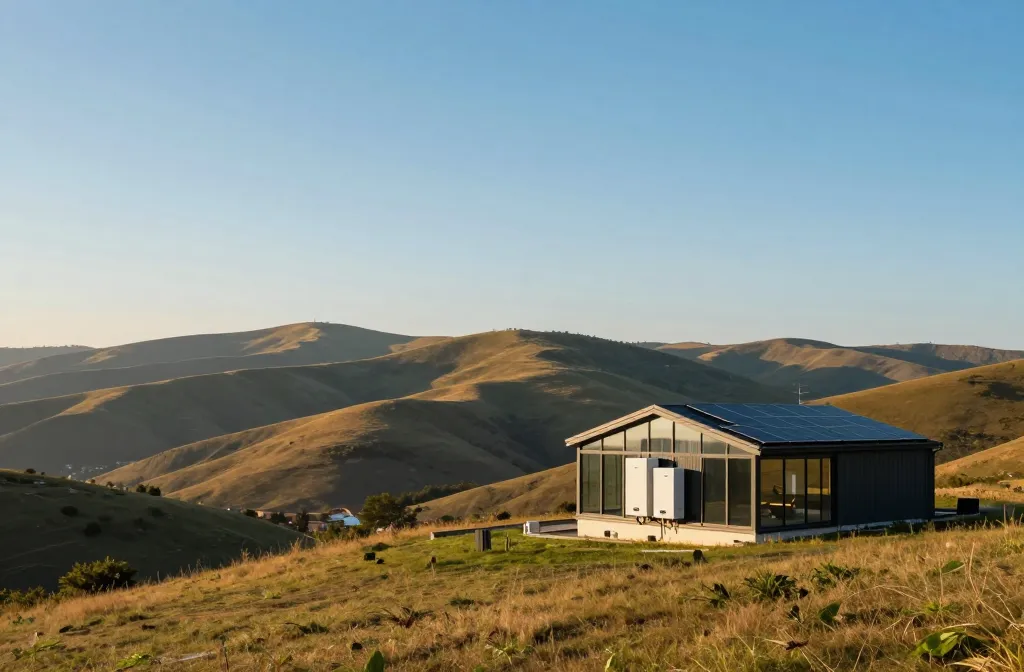
Renewables aren’t just trendy; they can meaningfully lift your EPC and market value, especially if you’re in a region with good incentives.
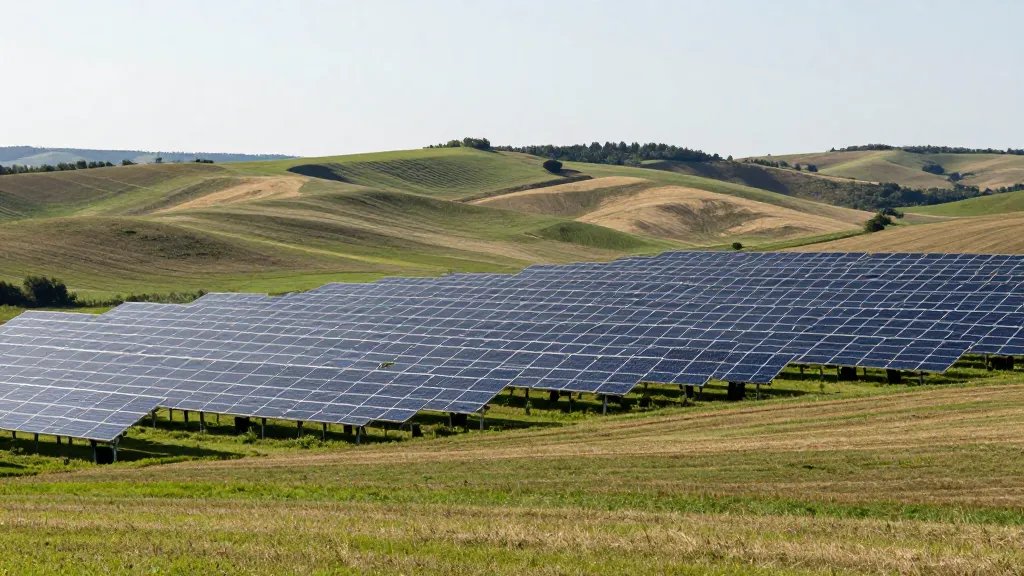
- Solar PV panels: straightforward install with long payback and ongoing savings
- Solar thermal: useful for hot water in some setups, complementing a gas boiler
- Battery storage: less common, but it can maximize self-consumption and impress eco-conscious buyers
Finances and incentives
– Check if you qualify for green grants or feed-in tariffs where applicable.
– Consider the long-term savings vs upfront cost; IRR is your friend here, not just the headline EPC boost.
What to expect when you re- assess
Updating your EPC is a journey, not a one-off sprint. How do you manage expectations?
- Plan the sequence: quick wins first, major systems later
- Document improvements with receipts and photos for the next EPC assessor
- Reset your energy baseline post-upgrade to track real gains
Documentation that speeds things up
– Keep receipts for insulation, new boilers, or heat pumps
– Save old EPC alongside the new one for comparison
– Maintain a simple log of energy bills before and after improvements
How to talk value to buyers or tenants
You’re not just chasing a higher number; you’re making a story about cost certainty and comfort.
- Show the energy bills trend after improvements
- Highlight comfort upgrades: fewer drafts, more even temperatures
- Explain maintenance plans and warranties for heating and insulation
A practical buyer-facing cheat sheet
– A couple of bullet points on what was upgraded and why
– Expected monthly savings and typical payback time
– Any ongoing maintenance recommendations or service intervals
FAQ
Will improving my EPC automatically increase my property value?
Yes, not automatically in a dollar-for-dollar way, but it often translates to a higher sale price or rental yield. Buyers understand lower running costs and fewer comfort issues. FYI, some lenders prefer higher EPCs, which can widen your pool of buyers.
What are the cheapest upgrades with the biggest EPC impact?
Sealing leaks, upgrading to a programmable thermostat, and swapping to LED lighting are typically high-impact with relatively low cost. Loft and pipe insulation offer solid returns too. Remember: quick wins matter when you’re trying to lift the rating fast.
Is a heat pump worth it in a cold climate?
Generally yes, but it depends on your property and insulation. In well-insulated homes, heat pumps can dramatically cut energy use. In poorly insulated spaces, you’ll want to tackle fabric first so the system isn’t fighting a losing battle.
How long does it take to see an EPC improvement?
It varies. Some quick wins show up on the next assessment cycle, while major system upgrades may take weeks to months to plan and install. The key is scheduling and budgeting, not hoping for a miracle overnight.
Should I DIY or hire a pro for EPC upgrades?
For anything beyond the basics, call in a professional. Efficient upgrades require correct sizing, safe installation, and compliance with regulations. DIY can save money, but mistakes can cost you EPC points later.
Can I still improve my EPC while renting out my property?
Absolutely. Some improvements require consent, but many, like insulation or smart thermostats, can be arranged with your landlord. If you’re a tenant, focus on cost-effective upgrades and keep receipts for potential deductions or rent negotiations.
Conclusion
So, what’s the TL;DR? Improving your EPC isn’t just a number-boosting exercise; it’s about slashing bills, living easier, and making your property genuinely more appealing. Start with the quick wins, then tackle the bigger systems when the budget allows. FYI, the long-term payoff isn’t just a higher rating—it’s a more comfortable home and a stronger resale or rental position.
If you treat this like a small remodeling project with a clear plan and honest goals, you’ll notice the impact sooner than you think. And if you want a second pair of eyes on your plan, I’m here to help map out a practical, cost-effective path tailored to your place.