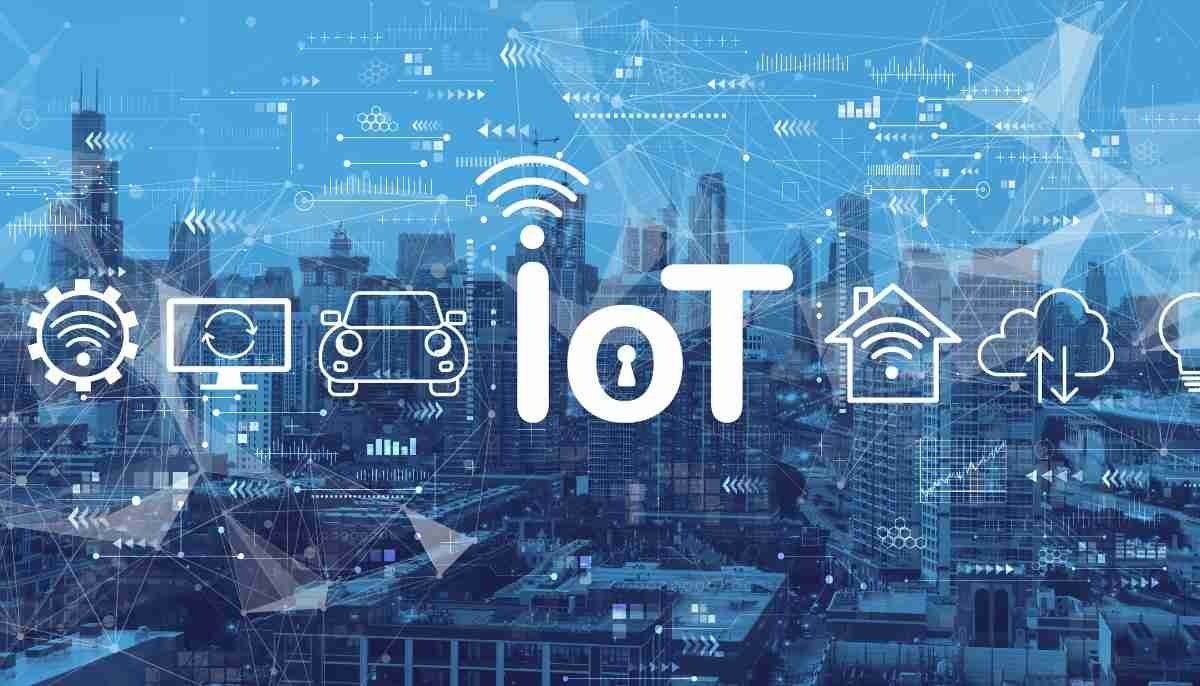
The Internet of Things (IoT) is changing how we see the world. It’s all about devices and systems talking to each other. This creates a link between the physical and digital worlds.
IoT uses smart tech and machine communication to make things more efficient and smart. It’s making our homes, workplaces, cities, and transport smarter. This is just the start of a future where everything works together to make our lives better.

Key Takeaways
- The Internet of Things (IoT) refers to the network of interconnected devices and systems that can exchange data and communicate with one another.
- IoT harnesses the power of smart technology, machine-to-machine communication, and data exchange to create a more efficient, responsive, and intelligent environment.
- IoT is transforming various sectors, from homes and workplaces to cities and transportation systems, by enabling seamless integration of the physical and digital realms.
- IoT offers a glimpse into a future where devices and environments work in harmony to enhance our lives.
- Understanding the meaning and scope of IoT is crucial as it continues to shape the way we live, work, and interact with the world around us.
What is the Internet of Things?
The Internet of Things (IoT) has changed how we interact with the world. It’s a network of devices, from home appliances to vehicles, all connected and sharing data. This lets us live more efficiently and smartly.
Understanding the Concept
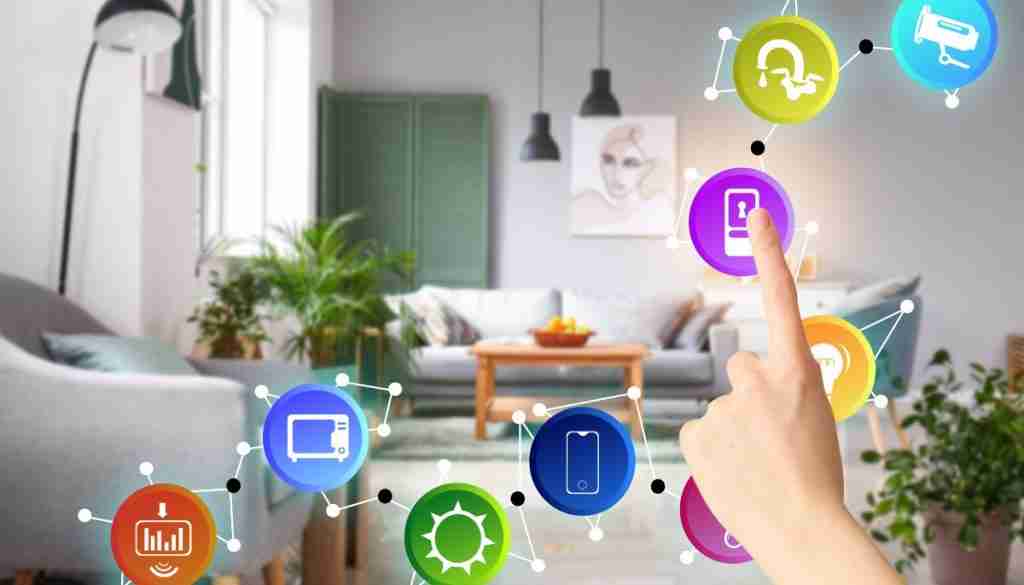
IoT means everyday items can sense, process, and share data. This mix of connected devices and sensor networks makes information flow smoothly. It supports automation and intelligent systems. This data helps us improve our lives, from managing homes to boosting work efficiency.
Components of IoT Systems
The Internet of Things meaning includes several key parts:
- Sensor devices: These are items like smart appliances and fitness trackers that collect data with sensors.
- Connectivity: Devices share data over the internet using Wi-Fi, Bluetooth, and other technologies.
- Data processing and analytics: Data is processed and analysed in the cloud to gain insights.
- Automation and control: This data helps automate processes and control systems smartly.
By combining these parts, the Internet of Things meaning helps us live in a more connected, efficient, and intelligent world. It changes industries, cities, and our daily lives for the better.
The Evolution of Connected Devices
Connected devices have changed a lot over time. Thanks to tech advances, more everyday items now connect to the Internet of Things. This shift is driven by our need for easy connections, data sharing, and machines talking to each other.
At first, the internet of things meaning was just about linking devices like sensors and actuators. But as tech got better, connected devices could do more. They could handle complex tasks and use cases.
A big step forward was the creation of low-power, low-cost microcontrollers and wireless tech. This made it easy to add connectivity to many products, from kitchen appliances to industrial gear.
Cloud computing and data analytics were key to the internet of things growth. They let us handle and make sense of lots of data from connected devices. This opened up new ways to use this data.
Now, the internet of things meaning covers a wide range of devices, from smart homes and health trackers to industrial tools and connected cars. As tech keeps improving, we’ll see more objects join the digital world. This will change how we live, work, and interact with things around us.
| Era | Key Advancements | Impact on IoT |
|---|---|---|
| Early 2000s | Simple connectivity between devices | Enabled basic machine-to-machine communication |
| Mid-2000s | Low-power, low-cost microcontrollers and wireless technologies | Made it feasible to embed connectivity into a wide range of products |
| Late 2000s | Rise of cloud computing and data analytics | Enabled the collection, storage, and processing of large volumes of data exchange |
| Present Day | Vast array of connected devices, from smart homes to industrial automation | Transformed the way we live, work, and interact with our surroundings |
The growth of connected devices has been amazing. The internet of things meaning keeps getting bigger. It brings new chances and challenges for businesses, consumers, and society.
How Does the Internet of Things Work?
The Internet of Things (IoT) uses a network of sensors, communication methods, and data processing to collect, send, and analyze information from devices. It’s key to know how IoT works to understand its big impact.
Data Collection and Transmission
Sensor networks are at the heart of IoT. They are made up of devices that collect data from around them. These sensors are in many things, like objects we use every day. They track things like temperature, humidity, and even how we move.
This data is then sent over Wi-Fi, Bluetooth, or cellular networks to cloud computing platforms. These platforms are like the brain of IoT. They handle, store, and organize the huge amount of data from devices.
Cloud Computing and Analytics
When data gets to the cloud, data analytics start to work on it. These methods look for important patterns and trends in the data. They use advanced algorithms and machine learning to find things that can help us make better decisions.
| Key IoT Components | Description |
|---|---|
| Sensors | Devices that gather data from the environment |
| Communication Protocols | Mechanisms for transmitting data between devices and the cloud |
| Cloud Computing | Centralised platforms for data storage and processing |
| Data Analytics | Tools and techniques for extracting insights from IoT data |
Knowing how the Internet of Things works helps us see its big impact across many areas. It’s a powerful technology that changes how we work and live.
Applications of Internet of Things Meaning
The Internet of Things (IoT) has grown a lot since its start. It’s now a key tool in many industries. It’s especially useful in smart homes and buildings, changing how we live and work.
Smart Homes and Buildings

IoT has changed how we use smart technology and automation at home and in buildings. It connects devices and systems for better control, efficiency, and convenience. Now, we can easily manage things like temperature, lighting, security, and energy use.
- Energy Efficiency: IoT lets smart homes and smart buildings use less energy. They adjust heating, cooling, and lighting based on when people are around and the weather.
- Enhanced Security: IoT security systems, like smart locks and cameras, give people real-time updates and remote access.
- Improved Comfort and Convenience: With IoT meaning, people can control their environment easily. They can change the temperature, use appliances, and enjoy entertainment, all from one place.
The Internet of Things is getting better all the time. Its use in smart homes and buildings will keep growing. This means more automation, saving energy, and making life better for everyone.
IoT in Healthcare

The Internet of Things has changed healthcare, making it better through connected devices and smart tech. It helps in caring for patients and makes medical work smoother. IoT uses in healthcare are many and look very promising.
IoT lets doctors check on patients from afar. Wearable sensors and smart home systems track things like heart rate and blood pressure. This gives doctors real-time info to manage chronic illnesses and spot problems early.
IoT also makes healthcare work more efficient. For example, smart systems keep track of medical supplies, making sure hospitals have what they need. IoT helps track expensive medical gear, cutting down on waste and boosting productivity.
IoT, along with advanced analytics and cloud computing, changes how healthcare handles data. It collects and analyzes data from devices to understand patient health better. This leads to better treatment plans, better health outcomes, and lower costs.
As IoT grows, healthcare will gain more from it. It will improve remote care, telemedicine, and smart hospital automation. IoT will shape the future of healthcare, making it better for patients and making the industry more efficient.
Internet of Things Meaning in Manufacturing

The manufacturing world has seen a big change thanks to the Internet of Things (IoT). It uses connected devices and smart systems to make production better. This leads to more efficiency and predictive maintenance. Let’s look at how IoT changes industrial automation and keeps an eye on manufacturing.
Industrial Automation and Monitoring
IoT is changing the game in manufacturing. It makes industrial automation and lets us watch production in real-time. By connecting machine-to-machine, many tasks can be automated. This makes things run smoother, improves quality, and cuts down on mistakes.
IoT sensors gather data during production. This data helps with data analytics and planning maintenance ahead. By knowing when machines might break down, manufacturers can fix things before they stop working. This means less downtime, lower costs, and better products.
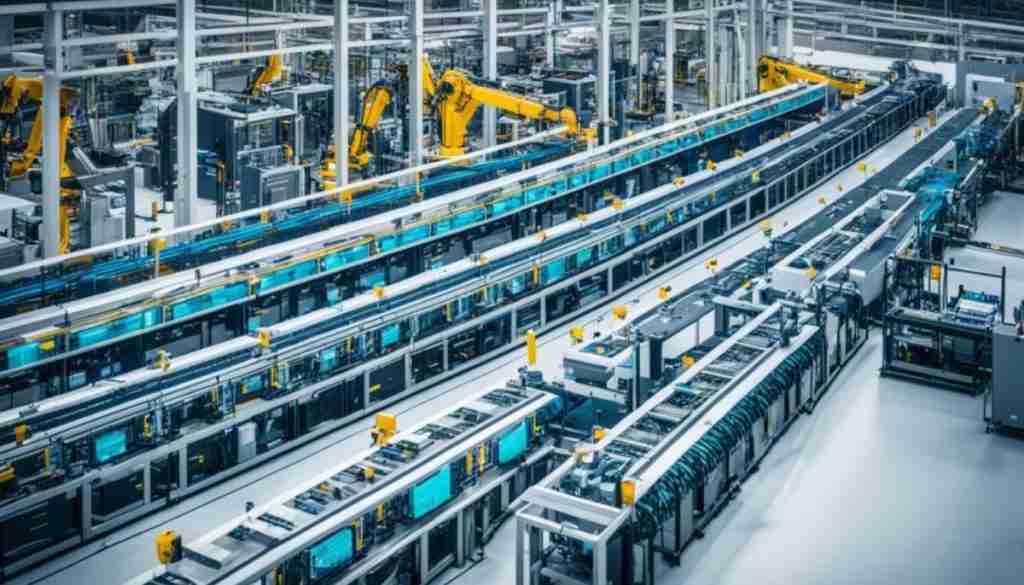
“The integration of IoT in manufacturing has revolutionised the industry, enabling unprecedented levels of automation, efficiency, and predictive maintenance.”
The Internet of Things meaning is growing, and so is its impact on manufacturing. With more connections, data, and smart automation, the industry is entering a new era. This brings more productivity, quality, and savings.
Transportation and Logistics
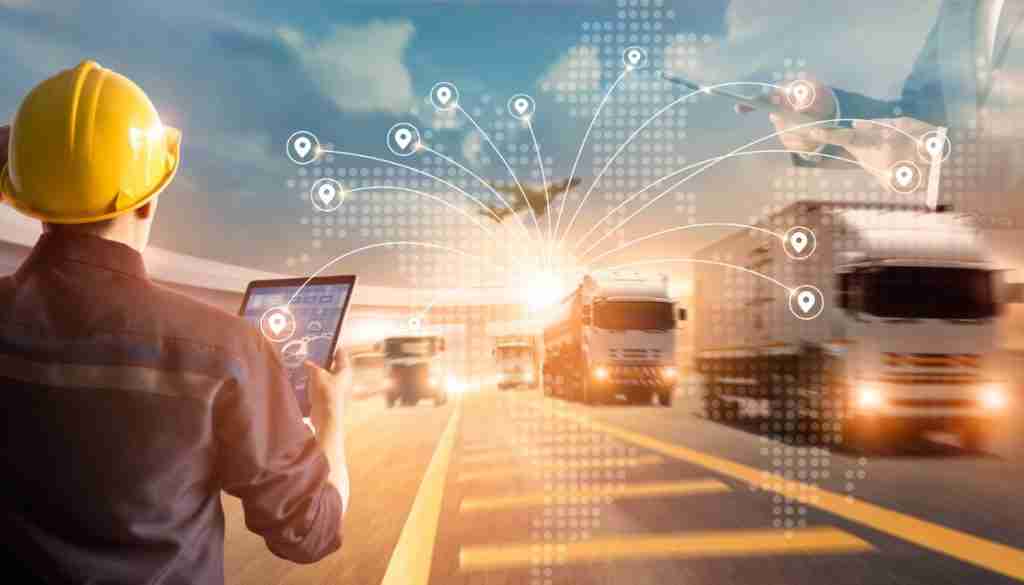
The Internet of Things (IoT) has changed the game in transportation and logistics. It has brought connected vehicles, better fleet management, and more efficient supply chains. This change means safer travel, real-time tracking, and better use of resources. It helps both businesses and consumers a lot.
Connected Vehicles and Fleet Management
IoT-powered connected vehicles lead this change. They use sensors and communication tech to send out real-time data. This data includes where they are, how they’re doing, and what maintenance they need.
This info goes straight to fleet management systems. It helps plan better routes, track fuel use, and schedule maintenance. It makes managing fleets more efficient.
IoT also makes driving safer and drivers more accountable. Sensors spot risky driving like speeding or sudden stops. Fleet managers can quickly fix these issues. This keeps drivers and others on the road safe, cuts down on accidents, and saves money.
| Feature | Benefit |
|---|---|
| Real-time vehicle tracking | Optimised route planning and delivery times |
| Predictive maintenance | Reduced downtime and maintenance costs |
| Driver behaviour monitoring | Improved safety and fuel efficiency |
| Automated inventory tracking | Enhanced supply chain visibility and control |
Using IoT in transportation and logistics has opened up many chances for businesses. It helps them work better, serve customers better, and stay ahead in the market.
Agriculture and Environmental Monitoring

The Internet of Things (IoT) has changed how we farm and monitor the environment. It lets farmers and conservationists use resources better and manage them well. IoT devices and sensor networks give real-time insights for better decisions.
In farming, IoT helps farmers check soil moisture, nutrient levels, and environmental conditions. These sensors can change irrigation systems, use fertilisers wisely, and spot diseases or pests early. By using this data with analytics, farmers can increase productivity, cut waste, and lessen their environmental impact.
IoT is also changing how we monitor the environment. It uses sensors in different ecosystems to track air quality, water levels, and wildlife. This info helps conservation efforts by guiding decisions to protect nature.
| IoT Application | Benefits |
|---|---|
| Precision Agriculture | Improved crop yields, reduced resource consumption, and minimised environmental impact |
| Environmental Monitoring | Enhanced understanding of ecosystems, data-driven conservation strategies, and early detection of environmental threats |
The internet of things meaning, connected devices, and sensor networks have opened new doors in agriculture and environmental monitoring. They use automation and data for a sustainable, efficient, and adaptable future for our planet.
Retail and Supply Chain Management
The Internet of Things (IoT) has changed the retail world and how we manage supply chains. It brings better tracking of inventory, optimises logistics, and makes shopping better for customers. At the core, smart devices and systems lead this change, changing how businesses handle their stock and make their supply chains smoother.
Inventory Tracking and Optimisation
IoT tech like RFID tags, sensors, and smart shelves gives us real-time info on what’s in stock. This lets retailers keep track of stock, where products move, and what’s on the shelves. They can then manage their stock better, avoid running out of items, and make sure products are there when customers want them.

This kind of inventory tracking and optimisation boosts how well things run and makes shopping better for customers by making sure products are available.
| IoT Technology | Application in Retail | Benefits |
|---|---|---|
| RFID Tags | Automated inventory tracking and management | Improved visibility, reduced stockouts, and optimised inventory levels |
| Smart Shelves | Monitoring of product levels and shelf availability | Automated replenishment, enhanced customer experience, and optimised shelf space |
| Sensor Networks | Real-time tracking of goods throughout the supply chain | Improved logistics, reduced transit time, and better inventory planning |
By using connected devices and smart technology, retailers and supply chain experts can make smarter choices. They can run their operations better and give customers a smooth and enjoyable shopping experience.
“The Internet of Things has changed how we manage stock and make supply chains efficient. With connected devices and real-time data, we have more control and visibility. This helps our business and our customers.”
Internet of Things Meaning in Energy Management
The Internet of Things (IoT) is changing the energy sector. It’s making smart grids and efficient energy management systems possible. This tech is bringing big improvements in monitoring the grid, using renewable energy, and making energy use more efficient.
Smart Grids and Efficient Energy Use
IoT is making smart grids that change how we handle electricity. Devices and sensors give real-time data on energy use. This lets us manage energy better and cut down on waste. It also helps consumers make smart choices about their energy use.
IoT also makes it easy to add renewable energy like solar and wind to the grid. Smart grids can balance energy supply and demand. This means we use more clean, sustainable energy sources.
| IoT Application | Impact on Energy Management |
|---|---|
| Smart Grids | Real-time monitoring, grid optimisation, and integration of renewable energy |
| Connected Homes | Automated energy management, appliance monitoring, and energy-efficient control |
| Industrial Automation | Optimised energy use, predictive maintenance, and reduced energy wastage |
Smart technology, connected devices, and advanced analytics are making big changes in energy management. As IoT grows, we’ll see more progress in using energy wisely and moving towards a sustainable energy future.
IoT and Smart Cities

The idea of the “smart city” came from the use of the Internet of Things (IoT). Now, cities use connected devices, intelligent systems, and data to make better decisions. This makes cities better places to live, with improved infrastructure and services.
Smart cities have a network of connected devices and smart technology. They collect and use data in real-time. This helps cities use resources better, cut waste, and make life better for everyone.
IoT helps with many things in smart cities. For example, it makes traffic flow better and buildings use less energy. By using data and connected devices, cities can adapt to the needs of their people.
“The Internet of Things is the foundation for the smart cities of the future, where connected devices and intelligent systems work together to improve the lives of citizens.”
More people are moving to cities, making the idea of smart cities very popular. By using IoT, cities can solve big problems like traffic and energy use. This makes cities better places to live, sustainable, and more enjoyable for everyone.

Security and Privacy Concerns
The internet of things meaning is growing fast, making data security and privacy more important. With more connected devices, new cybersecurity risks appear. We must tackle these to use these technologies safely and responsibly.
Addressing Vulnerabilities
The internet of things meaning brings new security and privacy issues. Many connected devices lack the power and security to fight off threats. This makes them easy targets for hackers, who could then break into bigger networks. This would put data security and privacy at risk.
Experts are working on solutions and best practices. These include:
- Using strong cybersecurity methods and encryption to protect connected devices and their data.
- Improving firmware and software updates to fix vulnerabilities and keep connected devices safe.
- Teaching people and businesses about the need for data security and privacy in the internet of things meaning world.
- Pushing for tougher rules and standards for connected devices to be made and used responsibly.
By focusing on security and privacy, we can make the most of the internet of things meaning. This will also protect the personal and sensitive info of users.
| Key Considerations for Security and Privacy in the Internet of Things |
|---|
| Device-level security: Making sure connected devices have strong authentication, encryption, and updates. Network-level security: Using secure ways to communicate and control access across the internet of things meaning network. Data privacy: Keeping user data safe and private from connected devices. Regulatory compliance: Following industry and legal rules for data security and privacy. |
“As the internet of things meaning grows, we need strong cybersecurity and data privacy steps. Fixing the vulnerabilities of connected devices is key to gaining trust and unlocking the full potential of this new technology.”
The Future of the Internet of Things
The internet of things meaning is changing fast, with new advancements and chances coming up all the time. As more connected devices and smart technology join our lives, we’ll see more automation and intelligent systems. This will make our daily lives smoother.

Emerging Trends and Opportunities
Artificial intelligence (AI) is a big deal for the internet of things meaning. When AI meets IoT, devices can make better decisions and respond to us in smarter ways. This is a big step forward.
Edge computing is another big thing. It means processing power is closer to devices. This means faster actions, less delay, and better security. These are key for IoT as it grows and becomes more important.
We’re also expecting more connectivity and integration in the future. The internet of things meaning will blend more into our everyday life. It will change many areas like smart homes, smart cities, precision agriculture, and optimised supply chains. The potential is huge and exciting.
“The future of the internet of things meaning is about creating a world where the digital and physical come together in ways that improve our lives and make our planet more sustainable.”
Looking forward, the internet of things meaning will keep pushing new emerging trends and future opportunities. These will change how we live, work, and interact with the world around us.
Conclusion
The Internet of Things has changed how we see the world, making things more automated, efficient, and based on data. This article has shown us what the IoT definition is, its growth, main uses, and what the future holds for this transformative technology.
As the IoT landscape grows, we see more connected devices and smart systems. They will shape our digital future. From making homes and cities smarter to improving healthcare and manufacturing, the Internet of Things is making a big impact.
The future of IoT looks bright, with new trends and chances in artificial intelligence, edge computing, and 5G technology. These will push the limits of smart technology. As we move forward, the Internet of Things will keep changing how we live, work, and interact with the world.
FAQ
What is the Internet of Things?
The Internet of Things (IoT) is a network of devices, vehicles, and appliances. They are all connected and can share data. This lets them collect and exchange information.
What are the key components of IoT systems?
IoT systems have connected devices, sensor networks, and data transmission protocols. They also use cloud computing and data analytics. These help collect, send, and analyse data from devices.
How has the concept of connected devices evolved over time?
Connected devices have changed a lot over time. Technology has made more objects part of the Internet of Things. This growth is thanks to better sensors, internet access, and cloud computing.
How does the Internet of Things work in terms of data collection and transmission?
IoT uses sensors, communication protocols, and data processing to collect and send data. This data goes to cloud platforms for analysis. Cloud computing and analytics are key to making sense of the data.
How is the Internet of Things being applied in smart homes and buildings?
IoT is big in smart homes and buildings. It uses devices and automation to make things more efficient and secure. It helps control things like temperature and security, saving money and being more sustainable.
What are the applications of IoT in the healthcare sector?
Healthcare has seen a big boost from IoT. It helps with patient monitoring and remote care. IoT also helps manage medical resources better, improving chronic disease management and supply chain efficiency.
How is the Internet of Things transforming the manufacturing industry?
Manufacturing is leading in IoT use. It uses devices and systems to improve production and efficiency. IoT helps with predictive maintenance, making operations smoother and more efficient.
What are the applications of IoT in the transportation and logistics sectors?
IoT has changed transportation and logistics. It brings connected vehicles and better fleet management. IoT helps with safety, tracking, and optimising resources in these sectors.
How is the Internet of Things being used in agriculture and environmental monitoring?
IoT is big in agriculture and environmental monitoring. It uses sensors and systems to improve farming and monitor the environment. IoT helps with crop yields, water use, and environmental care.
What are the applications of IoT in the retail and supply chain management sectors?
Retail and supply chains have gained a lot from IoT. IoT devices and systems improve inventory tracking and logistics. They also enhance the shopping experience, making operations smoother and customer journeys better.
How is the Internet of Things transforming the energy sector?
IoT is changing energy with smart grids and systems. It improves energy efficiency and grid monitoring. IoT helps integrate renewable energy, making energy systems more sustainable.
What is the role of IoT in the development of smart cities?
IoT is key to smart cities. It uses devices and data to improve infrastructure and services. This makes cities more sustainable and livable for everyone.
What are the security and privacy concerns associated with the Internet of Things?
IoT’s growth raises concerns about data security and privacy. There are risks like data exposure and cyber attacks. It’s important to develop strong security measures and use IoT responsibly.
What are some of the emerging trends and future opportunities in the world of the Internet of Things?
IoT is always evolving, with new trends and opportunities. We’re seeing more AI, edge computing, and better connectivity. These will change how we interact with the world, making our lives more connected.