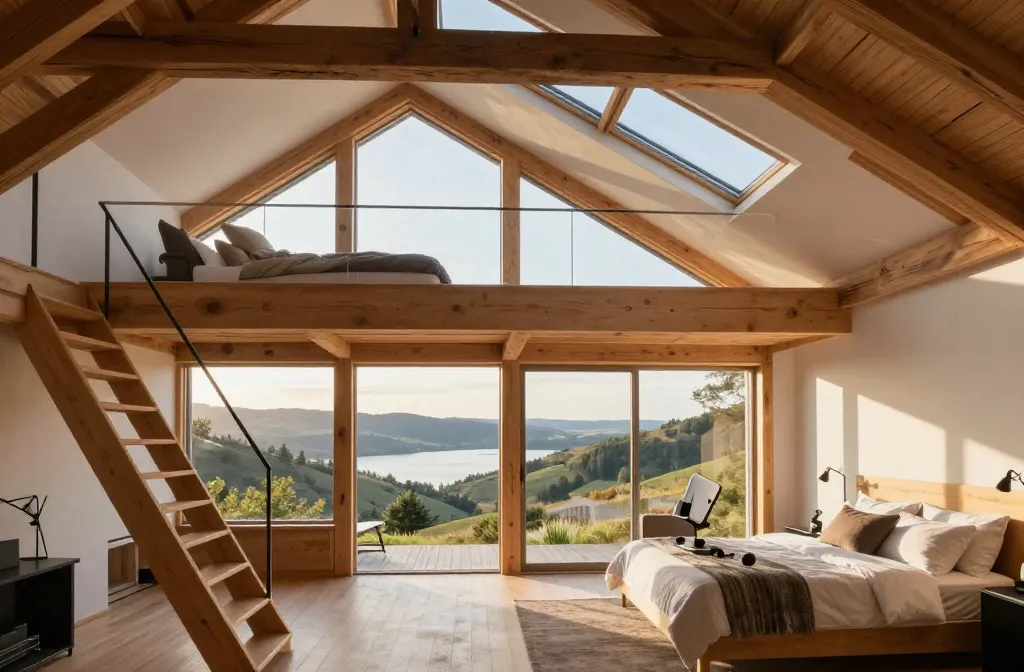
A loft conversion can be a landlord’s secret weapon: more bedrooms, higher rent, happier tenants, and all without moving a single wall. If you’re nodding along, you’re in the right attic. Let’s dive into how to make loft conversions work for you—without the drama, delays, or budget-busting surprises.
Why loft conversions are a landlord’s best-kept secret
Loft conversions aren’t just trendy; they’re practical. They add usable space that tenants actively seek, often at a fraction of the cost of building out a ground-floor extension. Think extra bedrooms, home offices, or a guest retreat. And with current property prices and rental demand, the math can be pretty compelling.
A well-executed loft conversion can:
- Increase rental yield by adding usable space
- Boost property value for future sale
- Differentiate your property in a competitive market
But don’t glaze over the maintenance bit. Your conversion isn’t a one-and-done; it needs good insulation, smart ventilation, and durable finishes to survive tenant turnover.
First things first: feasibility and planning basics

Before you start measuring for skylights, you’ll want a clear view of what’s actually allowed and practical.
Check the numbers
– Ceiling height matters. Many councils require a minimum head height for a room to count as a bedroom. If you’re skirting around 2.2m handy height, you’ll want a plan to hit that in the new space.
– Stairs aren’t optional. A safe, compliant staircase is non-negotiable. If your loft sits above a narrow corridor, you might need to tweak access or even reconfigure other bits of the house.
Know the building regs and permissions
– In many places you’ll need planning permission for a loft conversion, especially if it alters the roofline or adds dormer windows. In other situations, permitted development rights cover smaller, internal changes.
– Building regulations cover insulation, fire safety, escape routes, and structural integrity. FYI, this isn’t the place for DIY heroics.
Assess the structure and services
– Roof structure: Do you have a suitable roof ridge and supporting timbers? Some properties need a steel beam, some just a reinforced joist system.
– Utilities: Consider plumbing and electrical capacity. Heating, hot water, and electrical load all need to be able to handle the extra tenant and the new layout.
– Ventilation and condensation: Loft spaces get stuffy fast. Plan for mechanical ventilation or enhanced natural airflow.
Design that tenants actually want
A loft is not a cave of mystery; it’s prime real estate if designed correctly. The key is maximizing light, comfort, and practicality while keeping the space feeling generous.
Think “bright and cozy” not “dark attic dungeon”
– Skylights or dormer windows: They change the vibe dramatically. Consider a mix of fixed and opening windows for light and fresh air.
– Insulation and climate control: Lofts can overheat in summer and feel chilly in winter. Insulate the roof and add a breathable underlay, plus a controllable heating source.
– Flooring and finishes: Lightweight, durable finishes win in rental markets. Laminate that looks like wood or vinyl planks can be both stylish and economical.
Layout that works for real life
– Room size matters more than you think. A 2-3 bedroom setup with one flexible space (home office, study nook, or tiny gym) tends to rent fastest.
– A dedicated storage niche is a huge bonus. Slanted ceilings? Use the lower parts for wardrobes or storage cubbies.
– Ensuite or not? An en-suite can push rent and appeal, but it adds piping and moisture considerations. Weigh the trade-offs carefully.
Cost, timing, and the dreaded budget creep
Let’s be blunt: loft conversions can swing from a neat, tidy upgrade to a budget black hole if you don’t keep a lid on the costs.
Ballpark numbers and what they cover
– Design and approvals: Architectural drawings, planning fees, and surveys.
– Structural: Beams, joists, and any necessary roof work.
– Building works: Insulation, plastering, flooring, doors, and finishes.
– Services: Electrical, plumbing, heating, and ventilation.
– Finishes and fittings: Kitchenette or kitchenette rough-in, bathroom fixtures, lighting, and a few finishing touches.
– Access: A new staircase can be a big-ticket item, so factor that in early.
Tips to keep costs sane
– Plan for the minimum viable space that still rents well; don’t chase a luxury spec if your rent ceiling is modest.
– Use lightweight, cost-effective materials where possible without compromising safety or durability.
– Get at least three quotes from reputable specialists. Check references and portfolios—don’t just chase the cheapest option.
– Build in a contingency (10-15%) for surprises. There will be surprises.
Regulations, safety, and landlord responsibilities
This isn’t a DIY show—this is a rental property. Safety and compliance protect you and your tenants.
Fire safety and egress
– Escape routes must be clear. A proper stairway and doors with suitable fire ratings aren’t negotiable.
– Smoke alarms and carbon monoxide detectors should be installed in accordance with local rules, with battery backups.
Electrical and plumbing quality
– Hire licensed electricians and plumbers. Faulty wiring or leaks can turn a great space into a nightmare and a liability.
Tenancy considerations
– If you’re adding an extra bedroom, consider how it affects tenancy agreements, deposits, and reference checks. Clear inventory and condition reports help curb disputes later.
Selling or renting: how a loft conversion shifts the game

Whether you’re aiming for higher rent or a quicker sale, a loft conversion can shift the horizon.
Renting higher, smarter
– Location matters, but the extra bedroom often pays for itself quickly in cities with tight housing markets.
– Consider target tenants: students, young professionals, or small families. Tailor the space to their needs with a desk nook, good lighting, and a privacy-friendly layout.
Selling later on
– A well-executed loft can be a strong selling point. It signals modernity, efficiency, and additional usable space.
– Document the build carefully: plans, warranties, and compliance certificates make due diligence smoother for buyers.
Maintenance mindset: protecting your asset after tenants move in
A loft conversion isn’t a “set it and forget it” project. It’s an asset that deserves light upkeep.
Seasonal checks that save money
– Inspect insulation and seals before winter. Cold drafts through a ceiling are a bad sign.
– Check for condensation and mold, especially around windows and corners with poor airflow.
– Test the stairs for wobble or loose fittings, and ensure smoke alarms are still functional.
Tenant communication tips
– Provide simple guidelines for keeping the space dry and ventilated.
– Establish a straightforward process for maintenance requests. Quick responses go a long way in retaining good tenants.
FAQ
Is a loft conversion worth it for every landlord?
Yes, but only if your property type, location, and tenant demand align. In high-demand markets with limited space, an extra bedroom can dramatically improve rent and occupancy. In areas with weaker demand, you might still benefit, but run the numbers carefully.
How long does a typical loft conversion take?
Most projects run anywhere from 8 to 16 weeks, depending on size, complexity, and how cooperative the weather is. Plan for a few weeks of delays if you’re adding services or dealing with permissions.
Do I need planning permission?
Often you’ll need some form of approval, especially if you alter the roofline or add dormers. In many cases, you’ll rely on permitted development rights, but it’s essential to check with your local planning authority or a competent architect.
What’s the best way to finance a loft conversion?
Consider using a mix of cash reserves and a short-term loan if needed. Some landlords roll the cost into a refinance or a buy-to-let loan. Run the numbers with a broker to understand interest rates, terms, and impact on cash flow.
How do I choose the right contractor?
– Look for specialists with loft conversion experience and a strong portfolio.
– Check references and current work in progress.
– Insist on clear contracts, milestones, and warranties. Don’t pay upfront for the full project.
– Get a third-party survey or structural engineer review if the property is older or has quirks in the roof structure.
Conclusion
Loft conversions can be a landlord’s smart move when you treat them as an asset, not a quick fix. Plan carefully, design for real-life use, and keep an eye on compliance and safety. If you’re willing to invest in the right structural work, insulation, and a thoughtful layout, you’ll likely see a noticeable bump in rental income and property value. FYI, the payoff isn’t instant, but it’s steady and satisfying when tenants love the extra space as much as you do. Ready to peek at your attic with new eyes? It might just become your best revenue-stream hiding in plain sight.