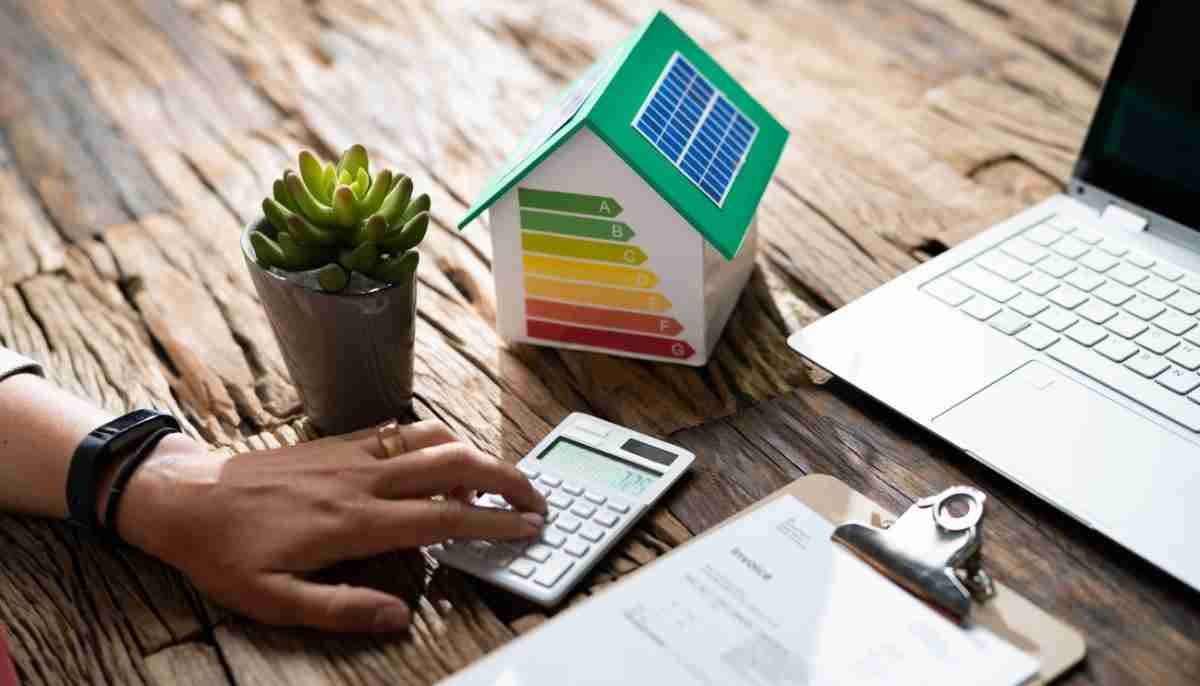
Making our homes more energy-efficient is smart for our wallets and good for the planet. By using simple strategies, we can cut down on energy use, lower bills, and help the environment. This guide will show you how to make your home an energy-saving haven.
Key Takeaways
- Understand the importance of energy efficiency at home and its environmental and financial benefits.
- Explore various methods to improve your home’s energy efficiency, such as insulation, window upgrades, and air sealing.
- Learn about efficient heating and cooling systems, energy-efficient lighting, and smart home technologies that can help you save energy.
- Discover the role of appliance efficiency, water conservation, and renewable energy sources in creating an energy-efficient home.
- Incorporate lifestyle changes and take advantage of government incentives to further enhance your home’s energy efficiency.
The Importance of Energy Efficiency at Home
Making our homes more energy efficient is key for the planet and our wallets. By using less energy, we help the environment and save money on bills.
Environmental Benefits of an Energy-Efficient Home
An energy-efficient home uses less energy for heating, cooling, and powering devices. This means it produces fewer greenhouse gases, which harm our climate. By making our homes more efficient, we help protect the planet for the future.
Cost Savings from Reduced Energy Consumption
Improving your home’s energy efficiency can cut your bills. You’ll pay less for electricity, gas, and heating and cooling. This means more money for other things or to make your home even greener.
| Energy Efficiency Improvement | Average Annual Savings |
|---|---|
| Upgrading to energy-efficient windows | £200 – £500 |
| Improving insulation in the home | £100 – £600 |
| Investing in an efficient heating system | £150 – £800 |
| Installing solar panels | £300 – £900 |
The table shows how much you could save each year with different energy-saving steps. These figures highlight the big financial benefits of choosing energy efficiency.
How Can We Make Our Homes More Energy Efficient
Making your home more energy-efficient is key to cutting down on carbon emissions and reducing energy bills. There are many ways to do this, from simple DIY tasks to bigger renovations. Let’s look at some top methods to boost your home’s energy efficiency.
Conduct an Energy Audit
Starting with an energy audit is a smart move. It checks how much energy your home uses and finds where it’s wasted. Experts can give you advice based on your home’s needs. This helps you focus on the best ways to save energy.
Upgrade Your Insulation
Good insulation is crucial for energy efficiency. Make sure your walls, attic, and other spots are well-insulated. This stops heat from escaping in winter and entering in summer. It means you’ll use less energy and save money.
Seal Air Leaks
Leaks around windows, doors, and openings waste a lot of energy. Sealing them with caulk or weatherstripping helps keep the air in. This makes your home more energy-efficient.
Invest in Energy-Efficient Windows
Switching to energy-efficient windows can greatly improve your home’s energy use. Choose windows with top-notch glazing and frames for better insulation and air tightness.
Upgrade to Energy-Efficient Appliances
When it’s time for new appliances, pick ones with the ENERGY STAR® label. These use much less energy than older models. This means lower bills and less harm to the environment.
Using these tips, you can make your home more energy-efficient. This cuts down on energy costs and your carbon footprint. Investing in energy-saving upgrades is good for the planet and your wallet.
Insulating Your Home for Energy Efficiency
Insulation is key to making a home energy-efficient. It keeps the heat in during the cold months and out when it’s hot. This helps control the temperature inside, cutting down on the need for heating and cooling. This means lower bills and a greener home.
Types of Insulation and Their Benefits
There are many insulation materials, each with its own perks. Here are some common ones:
- Fiberglass Insulation – It’s affordable and great at stopping heat from moving around, making it a top pick for many.
- Cellulose Insulation – This insulation is made from recycled stuff, so it’s good for the planet. It also helps block sound.
- Spray Foam Insulation – It’s top-notch at sealing air gaps, which boosts home efficiency and cuts down on home heat efficiency losses.
- Rigid Foam Insulation – This insulation is top-tier at keeping things insulated and is perfect for walls, roofs, and foundations.
Proper Installation Techniques for Maximum Efficiency
For the best energy efficiency in the home, you need the right insulation and to install it right. Here’s how:
- Seal all gaps and holes to stop air leaks.
- Make sure insulation covers everything without gaps or squishing.
- Pick the right R-value (thermal resistance) for your area and home type.
- Get experts to help with tricky spots or places you can’t reach.
Using the best insulation and installing it correctly can greatly boost your energy efficient home. This means using less energy, which is good for the planet and your wallet.
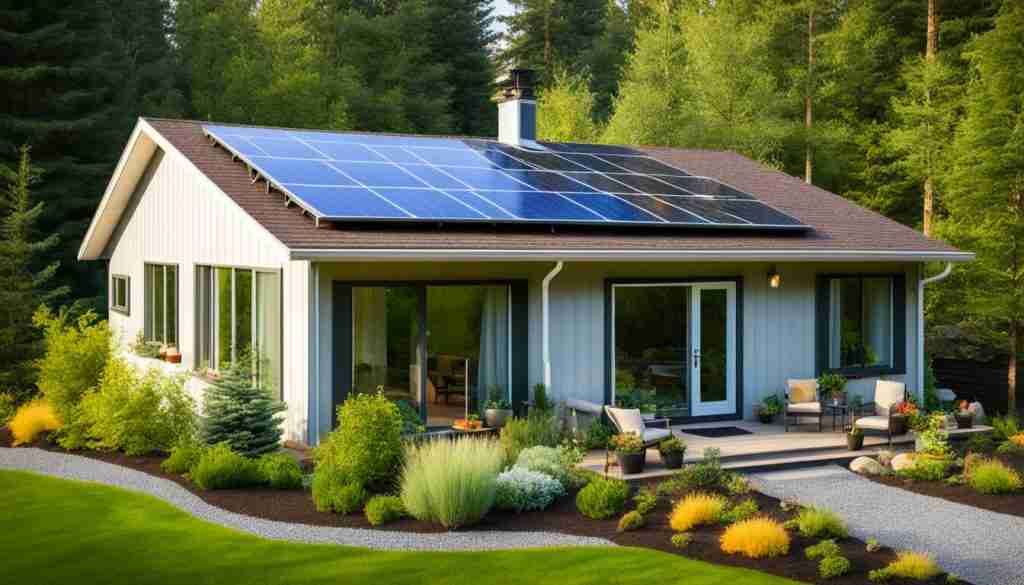
Upgrading to Energy-Efficient Windows
Investing in energy-efficient windows can change how your home uses energy. These windows stop heat from escaping, keeping your home cool in summer and warm in winter. This means you’ll use less energy and pay lower bills.
Energy-efficient windows are great at keeping your home at a comfortable temperature. They use special glass and coatings to keep heat in during the cold months and out during the hot months. This makes your home more comfortable and can save you money on heating and cooling.
- Improved insulation and reduced heat transfer
- Enhanced comfort and temperature regulation
- Lower energy bills and reduced carbon footprint
These windows also make your home look better. They come in many styles, so they fit well with your home’s look and feel.
| Window Type | Insulation Value (R-value) | Estimated Energy Savings |
|---|---|---|
| Single-pane | R-1 to R-3 | N/A |
| Double-pane | R-2 to R-5 | 10-20% |
| Triple-pane | R-5 to R-8 | 15-30% |
Replacing old windows with energy-efficient ones is a smart move for your home. It makes your home more comfortable and efficient. Plus, it helps the planet by using less energy and reducing your carbon footprint.
Sealing Air Leaks to Improve Efficiency
Keeping your home well-sealed is key to cutting down on energy use and bills. Sealing air leaks is a top way to boost your home’s energy efficiency. These leaks, often at windows, doors, and other openings, can greatly affect your heating and cooling. This leads to higher energy bills and less comfort.
Identifying and Sealing Common Air Leaks
To make your home more energy-efficient, you need to find and seal air leaks. Check these common spots first:
- Windows and doors: Look at the weatherstripping and caulking around windows and doors. Make sure they’re sealed well to stop air from getting in.
- Attic hatches: Close any gaps or openings around attic hatches or access panels.
- Electrical outlets and switches: Use caulk or expanding foam to fill gaps around electrical boxes on outside walls.
- Plumbing and ductwork: Seal any openings or gaps around pipes, wires, and ducts that go through walls, floors, or ceilings.
- Chimneys and fireplaces: Make sure the damper is closed when not in use. Think about getting a chimney balloon to block air leaks.
By finding and sealing these common air leaks, you can greatly boost your home energy efficiency improvements. This makes your home more heat efficient. It also leads to improving energy efficiency and lower energy bills.

A well-sealed home not only uses energy better but also improves the air quality inside. This makes it a smart choice for any homeowner.
Efficient Heating and Cooling Systems
Choosing the right heating and cooling systems is key to saving energy at home. The right systems can cut down your energy use and bills. Let’s look at how to make your home more energy efficient by improving your heating and cooling setup.
Choosing the Right System for Your Home
Finding the best heating and cooling system for your home takes thought. You need to think about your home’s size, the weather, insulation, and how you use energy. This helps you pick a system that saves energy and money.
Think about the system type too. New, efficient systems like heat pumps and high-efficiency furnaces use less energy. Always choose energy efficient systems with the Energy Star label.
Installing and looking after your systems right is also key. Make sure your ducts are sealed and insulated well to avoid energy loss.
“Upgrading to an energy-efficient heating and cooling system can save the average household hundreds of pounds per year on their energy bills.”
Picking the right energy-efficient heating and cooling system and keeping it in good shape can make your home more energy efficient. This means you’ll save money on your energy bills over time.

| System Type | Average Energy Efficiency | Potential Energy Savings |
|---|---|---|
| Traditional Furnace | 80-90% AFUE | Moderate |
| High-Efficiency Furnace | 90-98% AFUE | Significant |
| Heat Pump | 300-400% HSPF | Substantial |
| Central Air Conditioner | 14-20 SEER | Moderate |
| High-Efficiency Air Conditioner | 18-26 SEER | Significant |
Lighting Upgrades for Energy Savings
Upgrading your lighting can greatly improve your home’s energy efficiency. Switching to modern, energy-saving bulbs is a key step. It helps cut down on energy consumption and lowers your bills.
Using LED (Light-Emitting Diode) bulbs is a top choice for energy efficiency. LEDs use up to 80% less electricity than old bulbs. This means big energy savings and a smaller carbon footprint, making your home more energy efficient.
- LED bulbs last much longer than old bulbs, so you replace them less often. This saves more energy.
- Now, many LED bulbs mimic the warm look of traditional lights, fitting right into your home’s style.
Consider adding motion-sensor lights too. These lights turn on when you enter a room and off when you leave. This way, you don’t waste energy on lights you’re not using.
“Upgrading to energy-efficient lighting is one of the quickest and most cost-effective ways to improve the energy efficiency of your home.”
These lighting changes can make your home more energy saving and improve its energy efficiency. Plus, they make your home more comfortable and sustainable.
Appliance Efficiency and Proper Usage
Making your home more energy efficient isn’t just about big changes. It’s also about the appliances you use and how you use them. By picking energy-efficient appliances and using them right, you can cut down your energy use and lower your bills.
Energy Star Certified Appliances
Choosing appliances with the Energy Star label is a simple way to boost efficiency. These products are tested and meet high energy-saving standards. They use 25-50% less energy than older models. Always look for the Energy Star logo when buying new appliances to find the best ones.
| Appliance Type | Energy Star Savings |
|---|---|
| Refrigerators | 25% less energy |
| Washing Machines | 25% less energy, 33% less water |
| Dishwashers | 12% less energy, 30% less water |
| Televisions | 25% less energy |
It’s not just about buying Energy Star appliances. How you use them matters too. Run full loads, skip extra cycles, and keep them in good shape to make sure they work efficiently.
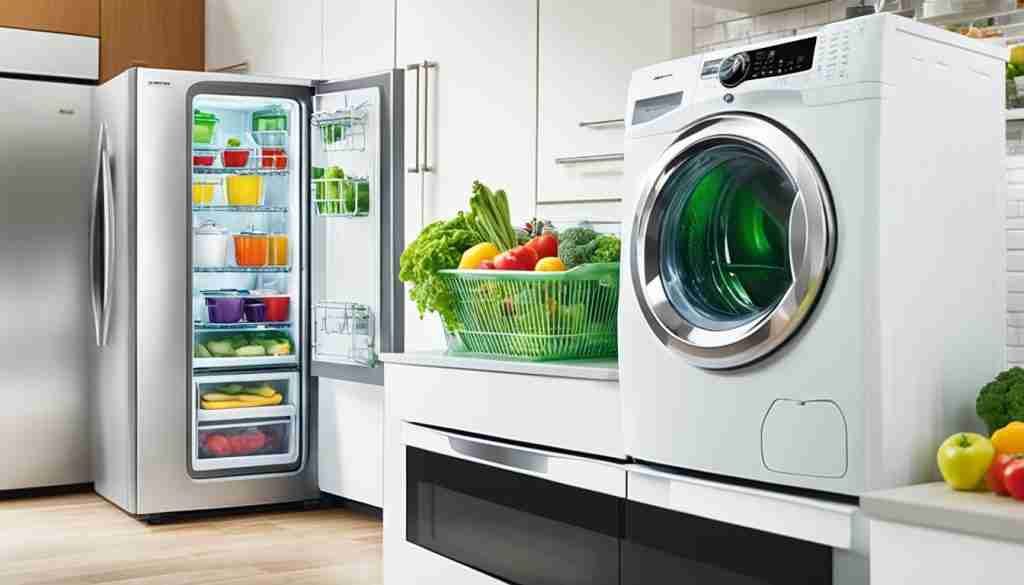
By choosing wisely and using appliances right, you help make your home more energy efficient. You’ll also save money from using less energy.
Water Conservation for Energy Efficiency
Creating an energy efficient house often means focusing on water conservation. Water usage and energy efficiency are closely linked. Simple water-saving steps can cut down on both environmental impact and utility bills.
Conserving Water, Preserving Energy
Water heating uses a lot of energy in homes, making up about 20% of total energy use. By using less water, especially hot water, we use less energy to heat it. This makes our homes more energy efficient.
Here are some ways to save water at home:
- Installing low-flow showerheads and faucets
- Repairing any leaks in plumbing fixtures
- Running full loads of laundry and dishes
- Implementing water-efficient landscaping practices
| Water Conservation Measure | Estimated Energy Savings |
|---|---|
| Low-flow showerhead | 25-60% reduction in hot water usage |
| Fixing leaks | 10% reduction in total household water use |
| Full-load laundry | 25% reduction in water and energy use |
Using these strategies can greatly improve the energy efficiency of our houses. It also helps the environment.
“Water conservation is a crucial component of creating an energy efficient home. Every drop saved translates to reduced energy consumption and lower utility bills.”
Renewable Energy Sources for the Home
Homeowners are turning to renewable energy to make their homes more efficient. These green options help cut down on traditional energy use and support a greener future.
Solar Power for Homes
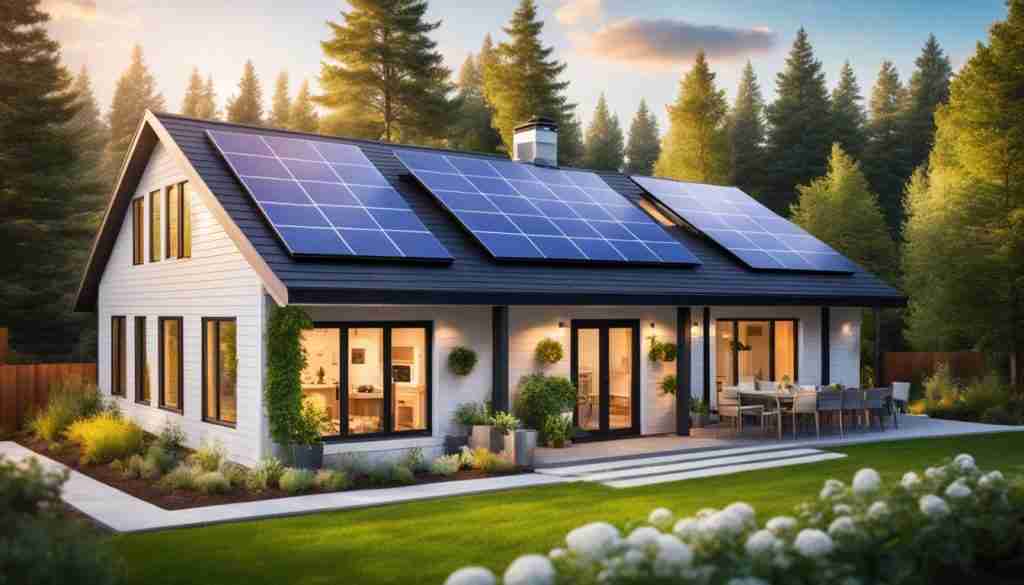
Solar power is a top choice for home energy. By putting solar panels on roofs or in yards, homeowners can use sunlight to make electricity. This reduces their need for the grid and lowers energy costs. Solar systems are now cheaper and more effective, making them a good choice for those wanting to boost their energy efficiency.
Wind Energy for Residential Use
Wind power is also becoming popular for homes. Small wind turbines can be set up to turn wind into electricity. It’s a good fit for homes in windy areas, helping to make energy use more efficient and eco-friendly.
Using these renewable energy sources helps homeowners lower their carbon emissions and save money on energy bills. This makes their homes more heat efficient and energy efficient.
Smart Home Technology for Energy Management
Smart home technologies are changing the game for energy efficient homes. They give homeowners control over their energy use. This means they can see how much energy they use and manage it better.
Programmable thermostats are at the core of smart home tech. They let homeowners set when they want the heating or cooling on. This means systems work only when needed, cutting down on energy use and bills.
Homeowners get real-time info on their energy use with integrated systems. They can see how much electricity, gas, and water they’re using. This helps them spot where they can use less and save money.
Smart lighting is another big part of smart homes. Homeowners can set lights to turn on and off automatically. This cuts down on energy waste and makes their homes more energy efficient.
With smart home tech, homeowners can actively work on being more energy efficient. They can make their homes work better and help the planet at the same time. These solutions make it easy to find a good balance between being comfortable, convenient, and energy efficient.

“Smart home technologies are the key to unlocking the full potential of energy efficient homes. They empower homeowners to take control of their energy consumption and make meaningful strides towards a more sustainable future.”
Lifestyle Changes for Energy Efficiency
Improving your home’s energy efficiency is not just about making changes to your house. It’s also about changing how you live. By making your daily habits more energy-efficient, you can boost the impact of any physical changes you’ve made.
One easy way to save energy is by adjusting your thermostat. Try setting it a bit higher in summer and lower in winter. This won’t make you uncomfortable but will cut down on energy use. Also, remember to turn off devices and appliances when you’re not using them. They can still use power even when off.
- Be mindful of your energy consumption and turn off lights and electronics when not in use.
- Adjust your thermostat settings to optimal temperatures based on the season.
- Unplug unused devices and appliances to eliminate phantom power draw.
- Prioritise energy-efficient behaviours, such as air-drying laundry and using energy-saving mode on devices.
By adding these lifestyle changes to the home improvements mentioned earlier, you can make your home even more energy-efficient. This helps the environment and can lower your energy bills.

“Small changes in our daily habits can have a profound impact on the environment and our household energy bills.”
Living energy-efficient is a way to take charge of your energy use and help the planet. Combining changes to your home with better daily habits is the best way to improve your home’s energy efficiency.
Government Incentives and Tax Credits
Making your home energy-efficient doesn’t have to cost a lot. The UK government offers incentives and tax credits to encourage homeowners to upgrade. These programmes can give you a lot of financial help, making it easier to make your home more energy efficient.
The UK’s Energy Company Obligation (ECO) is a key scheme. It requires energy suppliers to help low-income and vulnerable households cut their energy bills and carbon footprint. Homeowners can get free or subsidised insulation, boiler replacements, and other upgrades through this.
There’s also the Green Homes Grant, offering up to £5,000 in vouchers for energy-efficient upgrades. This includes installing energy efficient windows, insulation, or low-carbon heating systems. The aim is to boost energy efficiency, support the economy, and create green jobs.
Local authorities in the UK also have their own incentives and grants for energy efficient home improvements. Homeowners should look into what’s available in their area.
Using these government incentives and tax credits, homeowners can improve their homes’ energy efficiency without spending a lot. It’s a chance to save on energy bills and help the planet.
| Government Incentive | Description | Available Funding |
|---|---|---|
| Energy Company Obligation (ECO) | Requires energy suppliers to deliver energy efficiency measures to low-income and vulnerable households | Free or subsidised energy-efficient home improvements |
| Green Homes Grant | Provides homeowners with vouchers to put towards the cost of energy-efficient home upgrades | Up to £5,000 per household |
| Local Authority Incentives | Some local councils offer additional incentives and grants for energy-efficient home improvements | Varies by location |
By using these government-backed programmes, UK homeowners can make their homes energy efficient. They’ll also save money and get support.
Conclusion
Making your home energy-saving is a great step that brings many benefits. It helps reduce your carbon footprint and makes the environment healthier. You’ll also see big savings on your energy bills.
Start by insulating your home and using energy-efficient windows and appliances. Every change you make helps save more money over time. Adding solar or wind power can make your home more independent from the grid.
Living more energy-consciously lets you control your energy use and help the planet. By making your home energy efficient, you’re looking out for your family’s health. You’re also helping create a greener future for all of us.
FAQ
What are the key benefits of making my home more energy efficient?
Making your home more energy efficient has many benefits. You’ll see lower energy bills and enjoy greater comfort. It also helps the environment by reducing greenhouse gas emissions.
Energy-efficient homes use less energy. This means big savings for you. Plus, they’re more comfortable, making your living spaces nicer.
What are the most effective ways to make my home more energy efficient?
To boost your home’s energy efficiency, consider these steps: – Improve insulation in walls, attics, and crawl spaces. – Use energy-efficient windows and doors. – Seal air leaks around openings. – Update old heating and cooling systems. – Switch to LED lighting. – Choose appliances with the ENERGY STAR label. – Add renewable energy sources like solar panels. – Adopt habits like adjusting thermostats and unplugging devices.
How can I identify and seal air leaks in my home?
Find and seal air leaks with these steps: – Look for gaps and cracks around windows, doors, and more. – Use infrared cameras or professional audits to spot leaks. – Seal gaps with caulk or foam. – Add door sweeps and window treatments. – Consider a professional energy audit for a detailed check-up.
What are the benefits of upgrading to energy-efficient windows?
Energy-efficient windows offer many advantages: – They keep your home more comfortable by reducing heat transfer. – You’ll use less energy, cutting down your bills. – They make your home quieter and protect your furniture from UV damage. – These windows increase your home’s value and offer better sound insulation.
How can I make my heating and cooling systems more energy efficient?
Improve your heating and cooling systems with these tips: – Replace old systems with newer, efficient ones. – Keep them in good shape with regular maintenance. – Use smart or programmable thermostats. – Insulate and seal ducts to prevent leaks. – Think about using heat pumps or geothermal systems for better efficiency.
What are the benefits of using energy-efficient appliances?
Energy-efficient appliances bring many benefits: – They use less energy, lowering your bills. – They’re better for the planet by reducing emissions. – They make your home more attractive to buyers. – They’re quieter and have more features than older models. – You might get government incentives or tax credits for them.
How can I incorporate renewable energy sources into my home?
Add renewable energy to your home with these options: – Install solar panels for electricity. – Consider small wind turbines for wind power. – Look into geothermal heat pumps for efficient heating and cooling. – Check out solar water heaters. – Look into government incentives to help pay for these upgrades.
What are some simple lifestyle changes I can make to improve my home’s energy efficiency?
Make your home more efficient with these easy changes: – Adjust your thermostat when you’re out. – Turn off lights and electronics when not in use. – Do laundry and dishes in cold water and full loads. – Close blinds in summer to keep out heat. – Open curtains in winter to let in sunlight. – Fix any leaks to save water.
What government incentives or tax credits are available for improving energy efficiency in my home?
There are incentives and credits for energy-efficient upgrades: – Rebates or credits for solar panels and efficient windows. – Discounts for ENERGY STAR appliances and smart devices. – Federal tax credits for certain home improvements. – Local programmes for renewable energy and efficiency upgrades. Check what’s available in your area to make your home more efficient.