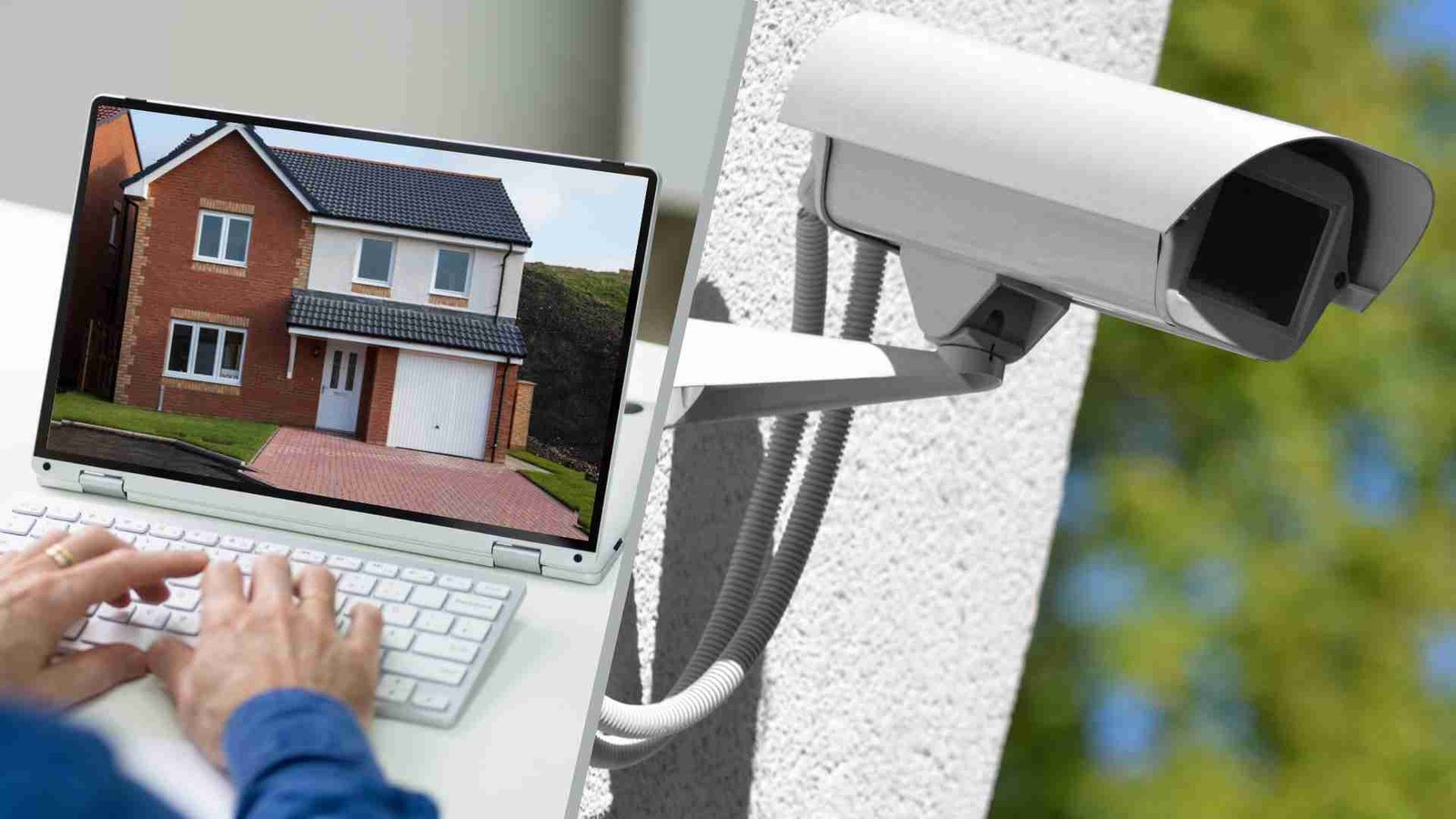
In today’s world, security is a significant concern for many homeowners. As a result, more people are installing CCTV cameras around their properties.
The rise in technology accessibility has made it easier and more affordable than ever for individuals to set up comprehensive surveillance systems.
However, what happens when those cameras point directly at your home?
This situation can create tension between neighbors and raise questions about privacy and legality.
Let’s explore the regulations and privacy laws in the UK surrounding this issue, providing clarity and guidance on how to handle such situations.
Understanding UK Privacy Laws

In the UK, privacy is a fundamental right protected by various laws. The right to privacy is enshrined in both national and international frameworks, ensuring individuals are protected from unwarranted intrusions.
The most pertinent ones related to CCTV usage are the Data Protection Act 2018 and the General Data Protection Regulation (GDPR).
These laws aim to protect personal data and privacy for individuals, striking a balance between security needs and personal rights.
The Data Protection Act 2018
The Data Protection Act 2018 is the UK’s implementation of GDPR. It governs how personal data is used and stored by organizations.
This act applies not only to companies and businesses but also to individuals under certain circumstances.
While it primarily applies to businesses, it also impacts individuals who use CCTV systems if their cameras capture images beyond their private property.
This means that homeowners need to be aware of how their surveillance practices might impact their neighbors’ privacy.
The act mandates that personal data must be processed lawfully, fairly, and transparently. When applying this to CCTV, it means that individuals must be clear about the purpose of their surveillance and ensure that it doesn’t unjustly infringe on others’ rights.
If a camera captures more than what is necessary for security, it could lead to legal implications.
GDPR and CCTV
GDPR requires any entity that processes personal data to do so legally and transparently. This regulation emphasizes the importance of consent, purpose, and data minimization.
If a CCTV camera captures images outside the owner’s property, such as a neighbor’s house or garden, it might be considered processing personal data.
This means the camera owner must comply with GDPR’s regulations, including informing individuals that they are being recorded and providing a legitimate reason for the surveillance.
Moreover, GDPR mandates that data collected should be minimized and kept secure, only accessible to those who need it. This has implications for how CCTV footage is stored and who has access to it.
Owners of such systems need to consider these aspects to avoid potential breaches of data protection laws, which can result in fines and other legal actions.
CCTV Regulations in the UK
While there’s no specific law that prevents someone from pointing a CCTV camera at your house, several guidelines and regulations aim to protect privacy.
These guidelines serve to mediate the balance between an individual’s right to security and another’s right to privacy.
They provide a framework for resolving conflicts that might arise from CCTV use in residential areas.
Domestic CCTV Systems
Homeowners can install CCTV systems for security purposes on their property. These systems are often seen as a deterrent against crime, providing peace of mind to residents.
However, if the camera captures images beyond their boundaries, it might be subject to data protection laws.
This means they must ensure they’re not infringing on others’ privacy rights by capturing images that are not relevant to their own security needs.
To comply with these regulations, homeowners should position cameras carefully to avoid capturing public spaces or neighboring properties.
Installing privacy filters or setting up zones that block unnecessary areas can help in adhering to these guidelines.
It’s important to remember that while security is a priority, it shouldn’t come at the cost of others’ privacy.
The Role of the Information Commissioner’s Office (ICO)
The ICO oversees data protection laws in the UK. It serves as a regulatory body ensuring that organizations and individuals comply with data protection legislation.
If a camera captures images beyond the owner’s property, the owner might need to register with the ICO and comply with its guidelines.
This includes informing people they’re being recorded and explaining the purpose of the surveillance, ensuring transparency and accountability.
The ICO provides resources and guidance for individuals using CCTV, helping them understand their responsibilities and the steps they need to take to remain compliant.
If a complaint arises, the ICO can investigate and determine whether data protection laws have been breached, offering resolutions and, if necessary, enforcing penalties.
What to Do If Your Neighbour’s CCTV Points at Your House
Discovering that a neighbor’s CCTV camera points directly at your home can feel invasive. It raises concerns about privacy and the potential misuse of captured footage.
Here are steps you can take to address the situation, aiming for a resolution that respects both parties’ rights.
1. Talk to Your Neighbour

Start by having a friendly conversation with your neighbor. Open communication can often resolve issues before they escalate.
They may not realize their camera is pointing at your property, and a simple discussion can lead to an easy adjustment.
Discuss your concerns and see if they’re willing to adjust the camera angle to respect your privacy. Approaching the situation diplomatically can foster a positive relationship and understanding.
2. Understand Their Intentions
Sometimes, neighbors install cameras for legitimate security reasons, such as monitoring their driveway or garden. It’s important to consider their perspective and the reasons behind their surveillance setup.
Understanding their intentions might help you find a compromise that respects both parties’ needs. This mutual understanding can lead to a solution that satisfies everyone’s security and privacy concerns.
3. Check the ICO Guidelines
Review the ICO’s guidelines on domestic CCTV use. This will give you a clear understanding of your rights and your neighbor’s obligations under UK data protection laws.
The guidelines can provide clarity on what constitutes an infringement of privacy and how to address it legally.
Being informed empowers you to have a constructive conversation with your neighbor backed by knowledge of your rights.
4. Contact the ICO
If your neighbor refuses to adjust the camera and you believe it’s infringing on your privacy, you can contact the ICO.
They can investigate whether your neighbor is complying with data protection laws. Filing a complaint should be a last resort, but it’s a necessary step if your privacy concerns remain unresolved.
The ICO will assess the situation and provide guidance or enforcement if necessary.
Balancing Security and Privacy
Security and privacy are both important aspects of modern life. As technology advances, finding a balance between these two can become challenging.
While CCTV systems can enhance security, they must be used responsibly to ensure they don’t infringe on others’ privacy rights. Striking this balance requires awareness and respect for the boundaries of others.
Installing Your Own CCTV
If you’re considering installing a CCTV system, it’s crucial to ensure it complies with UK privacy laws. This involves careful planning and setup, ensuring cameras are positioned to avoid capturing unnecessary areas.
Keep cameras within your property boundaries, and inform visitors that they’re being recorded. Transparency with neighbors and visitors helps build trust and prevents potential disputes.
Additionally, consider the storage and handling of the footage collected. Ensuring that the data is secure and only accessed for legitimate reasons is a key part of compliance with data protection laws.
Regularly reviewing your system and its reach can help maintain privacy standards and adapt to any changes in your environment.
Respecting Others’ Privacy
If your CCTV system inadvertently captures images of neighboring properties, inform those affected and explain the purpose of your surveillance.
This transparency can prevent potential conflicts and ensure compliance with data protection regulations. Being proactive in addressing potential privacy concerns demonstrates respect and consideration for your neighbors.
Furthermore, fostering good relationships with your neighbors can lead to collaborative security measures, such as shared surveillance systems or neighborhood watch schemes.
By working together, communities can enhance security while respecting individual privacy rights.
Conclusion
While your neighbor can legally install a CCTV system, they must ensure it respects your privacy. The balance between security and privacy is delicate, requiring consideration and mutual respect.
If you find yourself in a situation where a neighbor’s camera points at your house, open communication is often the best first step.
Understanding UK privacy laws and regulations can also help you navigate this delicate issue and ensure that your rights are protected.
In the end, balancing security and privacy requires mutual respect and understanding. By knowing your rights and responsibilities, you can ensure that your home remains a private and secure space.
Being informed and proactive in addressing potential issues can lead to a harmonious neighborhood where both safety and privacy are upheld.