A good open-plan living space can feel like a breath of fresh air—until the air is full of kitchen steam and playlists colliding in the same room. It’s a design choice that promises togetherness and big, flexible spaces, but it can also spark chaos if you’re not paying attention. Let’s break down what works, what doesn’t, and how to make it sing.
Why open-plan living feels so appealing
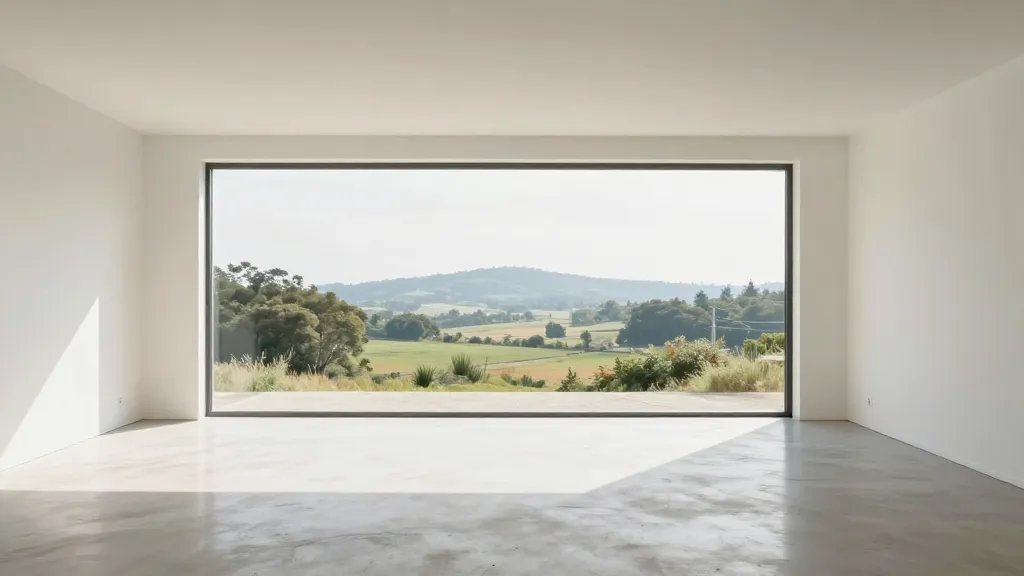
Open-plan layouts trade walls for possibility. They invite natural light to roam freely, make small spaces feel bigger, and create a social hub where every voice isn’t trapped behind a door. That sense of flow is addictive—no more shouting across hallways or fighting for the TV remote. If you’ve ever shown up to a party and realized you could chat with everyone from the kitchen, you know the magic.
But here’s the thing: beauty is in the balance. The same openness that boosts energy can dilute privacy, focus, and even temperature control. So, before you trade walls for air, let’s weigh the real pros and cons.
Pros: the bright side of open plans
1) Social glue that actually works
– When the kitchen and living room share space, you’re looped into conversations without running through doors.
– It’s easier to supervise kids, pets, or even a guest doing a bake-off.
– IMO, a well-designed open plan turns daily routines into a shared experience rather than a chore that happens in parallel.
2) Light, space, and a sense of air
– Without walls, natural light floods the whole space.
– You’ll likely feel like you have more square footage even if you’re just counting how many meals you can share in one big room.
– FYI, light also boosts mood and can make a home feel more welcoming to visitors.
3) Flexible zones for different activities
– You can carve out distinct zones with rugs, furniture placement, and lighting rather than rigid walls.
– It’s easy to adapt: a home office near the kitchen, a play area for kids, a cozy reading nook, all without closing doors.
4) Better entertaining and hosting
– A single, open space means you’re never cut off from the party.
– It’s simpler to set up for events: more cohesive flow, fewer walls to navigate with drinks in hand.
– It also gives you a streamlined cleaning routine after guests leave—one big wipe-down, not ten little corners.
5) Potential for increased home value
– Open-plan layouts often appeal to buyers who crave sociability and modern aesthetics.
– If you’re planning to sell, an open feel can translate into a perception of bigger living space and contemporary design.
Cons: when the open plan starts talking back
1) Noise chaos and lack of privacy
– Sound travels fast when there are fewer barriers.
– If someone is on a conference call in the kitchen while you’re trying to binge-watch a drama, you’ll feel like you’re living in a show about multitasking mayhem.
– Solution? Zoned layouts, soft furnishings that absorb noise, and a few discreet screens or screens that don’t shout “privacy is dead.”
2) Cooking splatter and smells everywhere
– Open kitchens mean your culinary adventures become a shared aroma—delicious or not.
– You’ll want good ventilation and perhaps a range hood that actually does the heavy lifting.
– If you bake with garlic nightly, you’ll either embrace the fragrance or invest in smarter air control.
3) Mess visibility and ongoing maintenance
– Clutter has nowhere to hide.
– You’ll see every dish, every sneaker, every charging cable.
– The upside: it motivates tidying up more often. The downside: it can be exhausting if you’re not into constant housekeeping.
4) Temperature and energy management
– Heating and cooling become a balancing act across larger, open spaces.
– One warm corner can clash with a chilly alcove if you don’t zone climate control well.
– Consider smart thermostats and zoning options to keep comfort even.
5) Design challenges and “too open” risk
– Some homes look great with architecture hidden behind walls; open plans can flatten variety.
– The risk: spaces that feel more like a studio apartment than a home with character.
– The cure? Layer textures, architectural details, and deliberate focal points to create personality.
How to design open-plan to win the day
Creating zones without walls
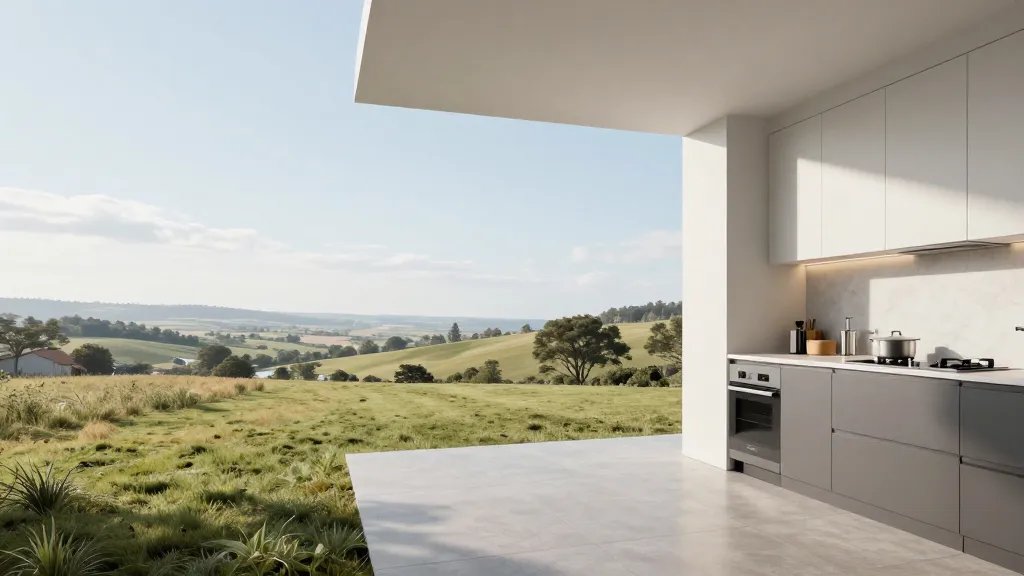
– Use rugs, furniture arrangement, and lighting to define areas. A sofa can mark the living room, a kitchen island can cue the dining zone, and bookcases can subtly separate work corners.
– Pro move: vary ceiling heights or add a beam to create a visual cue of different spaces.
Sound management that actually works
– Layer soft furnishings: curtains, cushions, plush throws, and carpets help absorb noise.
– Invest in a decent ceiling or stand-alone acoustical panels—especially near the dining area and kitchen.
– Consider white noise machines if the open plan chatty chaos becomes a real thing.
Ventilation, heating, and climate control
– A good venting system or range hood matters more in open plans.
– Look into multi-zoning thermostats or smart vents that can direct heat or cooling to where you are, not just where the thermostat sits.
– Pro tip: ceiling fans can help move air without blasting you in the face with cold air in January.
Storage strategies that prevent visual clutter
– Closed storage is an open plan’s best friend. Think built-ins, cabinets with doors, and hidden storage under seating.
– Create “catch-all” spots with a designated tray or bin near the entry to keep daily clutter in check.
Lighting that defines spaces and sets moods
– Layer lighting: ambient (overall), task (kitchen prep), and accent (art, shelves).
– Use dimmers to shift the vibe from bright daytime to cozy nighttime with a flick of a switch.
– A statement light over the dining area can act as a tangible focal point in the open space.
Materials and aesthetics that help or hurt
What to pick for durability and feel
– Durable surfaces for kitchens and dining zones—think quartz, stone, or sealed concrete.
– Warmth in living zones with wood tones or soft textiles to counter the clinical vibe of large open rooms.
– Glass and metal finishes look sleek but can be high-maintenance if you’re not into cleaning every fingerprint.
Color and texture to balance openness
– Light neutrals open up space; add personality with bold accents sparingly.
– Mix textures to avoid a flat look: matte wood, velvet, linen, and ceramic can play nicely together.
– IMO, a few dramatic color touches (on an accent wall or a piece of art) keep things from feeling like a showroom.
Frequently overlooked aspects to consider

Privacy for work and rest
– If you work from home or crave quiet evenings, build in private nooks or small rooms with doors that can seal off.
– A cozy corner with a door can be the difference between an easy life and a frazzled one.
Storage as a design feature
– In open plans, storage isn’t just practical—it’s a design statement.
– Choose cabinetry that blends with the space so it doesn’t feel like an afterthought.
Resale value and evolving needs
– Open plans have strong appeal, but not everyone wants studio-style living. Consider a layout that can be easily adapted with optional walls or sliding screens.
FAQ
Is open-plan living right for families with small children?
It can be, with smart zoning and sturdy materials. A kitchen island can serve as a safe mini-barrier and a place for quick supervision. The key is to create dedicated play zones that don’t disrupt cooking or cleanup. Real talk: you’ll want storage for toys and a plan for quick mess management.
How can I manage noise in an open-plan home?
Layer textures, use soft furnishings, and consider acoustic panels in high-traffic areas. Rugs and curtains help absorb sound, while smart layout choices can guide where conversations happen. If you’re a podcast nerd or a late-night reader, prioritize a quiet corner with a door or a secondary wall to isolate sound.
What are some budget-friendly ways to make an open plan work?
Start with furniture placement before you buy. A well-chosen sofa, rug, and lighting plan can redefine space without major construction. Use movable screens, bookshelves, and curtains to carve zones. Swap in affordable, durable materials for high-traffic areas to keep costs down while preserving style.
Can I switch to an open plan after moving in?
Yes, often. You can remove non-structural walls or add partial partitions, but check with a pro about load-bearing elements and local codes. It’s usually easier to start with temporary dividers or paint and textiles to test the vibe before committing to a full remodel.
How do I keep an open plan feeling cozy?
Incorporate warm materials, intimate lighting, and personal touches. A few soft textiles, your favorite throw, and a well-placed plant can turn an expansive room into a welcoming haven. The trick is to balance openness with pockets of comfort that invite people to linger.
Conclusion
Open-plan living can be a lounge-laugh, a family HQ, and a party starter all at once. It’s the kind of setup that rewards thoughtful planning, not accidental chaos. If you crave togetherness, it can amplify social energy; if you’re a privacy person, it can feel like living in a glass box. The good news? With smart zoning, noise management, and a dash of personality, you can tailor it to your life.
So, what’s your vibe? Do you want a breezy, sociable hub that still has private pockets, or are you hunting for a dramatic, wall-free loft that feels like one big canvas? Either way, start with a plan, and don’t be afraid to test small changes before you commit to a major overhaul. After all, space should serve you—not the other way around. FYI, the right tweaks can make open-plan living feel like freedom, not compromise.