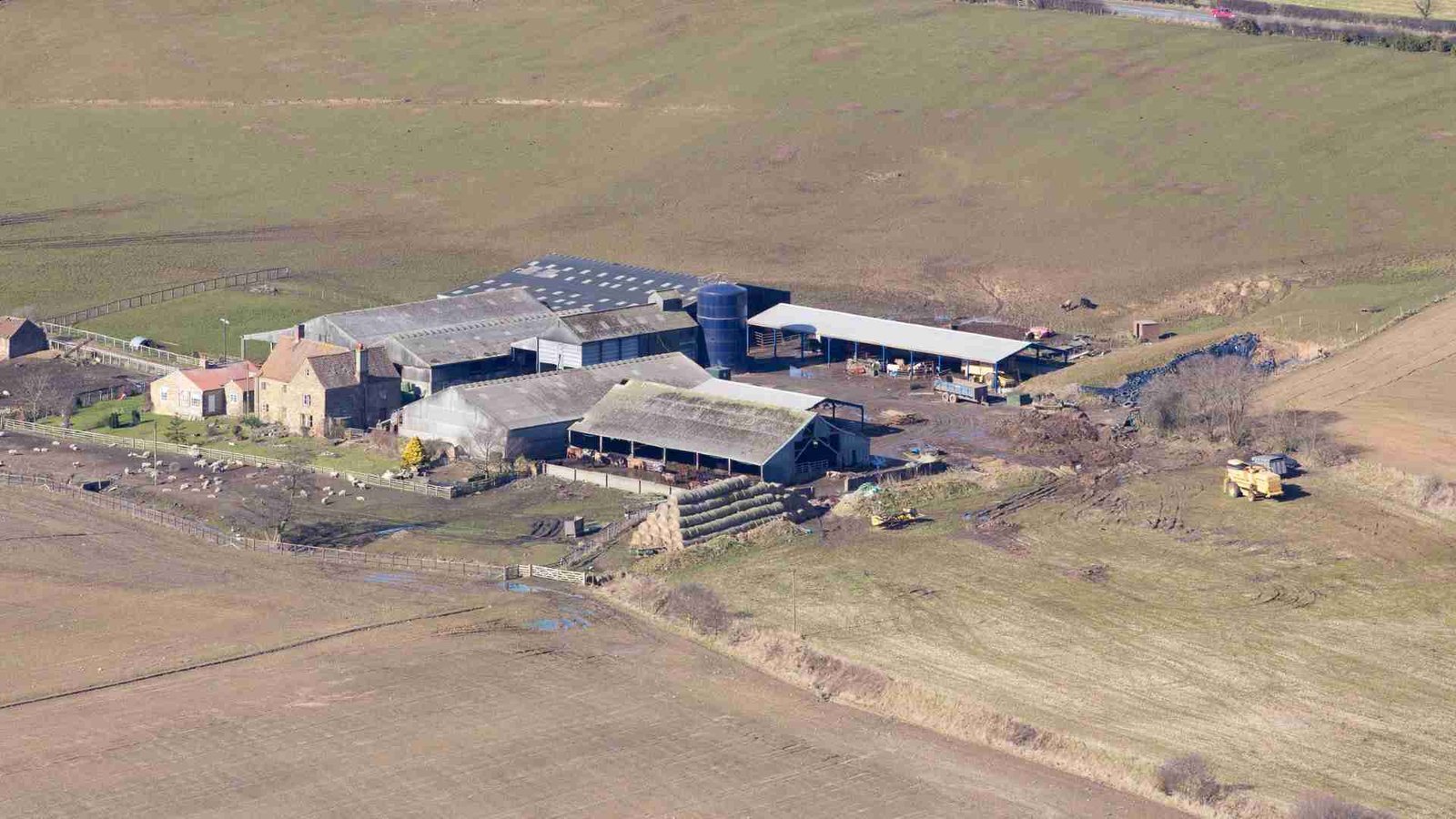
When it comes to agricultural land, understanding the rules and regulations surrounding permitted development on agricultural land less than 5 hectares is crucial.
If you own or manage agricultural land under 5 hectares, you might be wondering what types of developments are permitted without the need for a full planning application.
Permitted development rights can offer flexibility and efficiency, allowing landowners to make certain changes or developments without lengthy bureaucratic processes.
This guide will help you navigate the specifics of permitted development on agricultural land less than 5 hectares.
What is Permitted Development on Agricultural Land?
Permitted development rights are a set of national regulations that allow certain building works and changes of use to be carried out without the need for a formal planning application.
These rights apply to agricultural land, enabling farmers and landowners to make necessary improvements to their property.
Key Criteria for Permitted Development
For agricultural land under 5 hectares, permitted development is subject to specific criteria:
- Agricultural Use: The land must be used for agricultural purposes. This means it should be involved in the business of growing crops, raising livestock, or other farming activities.
- Size Restrictions: Developments are typically limited in size. For instance, new buildings may have to remain within a certain height and footprint.
- Time Restrictions: Some developments are temporary or have to be completed within a particular timeframe.
Understanding these criteria is essential for anyone looking to utilize permitted development rights.
Types of Permitted Developments
Here are some common types of developments allowed on agricultural land under 5 hectares:
Farm Buildings
Farm buildings are often essential for the efficient operation of a farm. Under permitted development rights, you may be able to:
- Erect new agricultural buildings, such as barns or storage units.
- Extend existing agricultural buildings.
There are size and use restrictions to consider, so it’s important to consult the specific regulations.
Fencing and Gates

Fencing and gates are usually permitted, as they are essential for managing livestock and securing the property. You will still need to adhere to height restrictions and materials used.
Hard Surfaces
The creation of tracks or hard standings can often be done under permitted development. These are necessary for moving equipment and livestock around the farm.
Limitations and Exclusions
While permitted development offers flexibility, there are notable limitations:
- Protected Areas: If your land is within a national park, conservation area, or has specific environmental protections, additional restrictions apply.
- Building Size: The size of the development must not exceed specific limits, which vary depending on the type of development.
- Existing Use: The land must remain primarily agricultural in use. Any shift away from this use might require a full planning application.
- Proximity to Dwellings: Developments close to residential properties may have additional limitations.
Application Process
If your planned development meets the criteria for permitted development, you may still need to notify the local planning authority (LPA) with a prior notification.
This process allows the LPA to assess the impact of the development on the surrounding area.
Prior Notification
The prior notification process involves:
- Submitting details of the proposed development to the LPA.
- The LPA has 28 days to respond. If they do not respond within this time, the development can generally proceed.
- In some cases, the LPA may request additional information or impose conditions to mitigate any potential impact.
Seeking Professional Advice
While it’s possible to navigate the process on your own, seeking advice from a planning consultant or legal expert can be beneficial.
They can provide guidance tailored to your specific circumstances and ensure compliance with all regulations.
Benefits of Permitted Development
Utilizing permitted development rights can offer several advantages:
- Time Efficiency: Bypassing the full planning application process can save time, allowing you to implement necessary developments quickly.
- Cost Savings: Avoiding the need for a full planning application can reduce costs associated with planning fees and consultancy services.
- Flexibility: Allows for adaptations and improvements to support the evolving needs of agricultural operations.
Conclusion
Understanding permitted development on agricultural land less than 5 hectares is essential for making informed decisions and optimizing your land’s potential.
By comprehending the criteria and limitations, you can effectively plan and execute developments that enhance your agricultural operations without unnecessary delays.
Whether you’re looking to build new structures, install fencing, or create access roads, permitted development rights can simplify the process.
Always consider consulting with professionals to ensure that your plans align with all legal requirements, paving the way for successful and sustainable agricultural development.