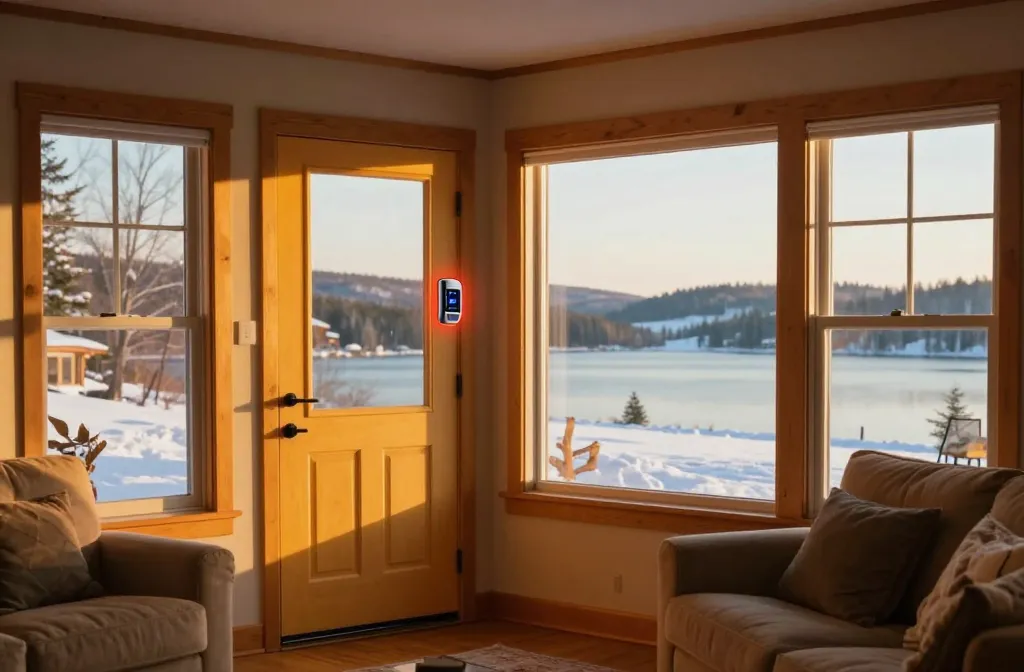
It’s chilly out there and your house shouldn’t be the thing making it feel like a snow globe indoors. Let’s get your home winter-ready before the cold decides to throw a party. Quick wins, big payoff.
Why winter prep isn’t optional decoration day
You’ll save money, stay cozy, and avoid annoying mounting issues that sneak up when temperatures drop. Prep now, stress less later—pretty simple math. Think of it as giving your home a hug before the weather does. FYI, small fixes today prevent big headaches tomorrow.
Insulation and drafts: seal the leaks, save the bucks

Drafts are tiny gremlins stealing heat and your comfort. Time to outsmart them.
Find the sneaky spots
– Door bottoms, window frames, attic hatches, and electrical outlets are prime suspects.
– Do a simple test: close a door in a windy room and watch for a gap at the edges.
– Feel with your hand—if you can’t, use a candle to spot movement or a thermal camera if you’ve got one.
Seal and insulate fast
– Weatherstripping or door sweeps cost little and work wonders on drafts.
– Add caulk around window trim and pipe penetrations.
– Insulate exposed pipes in unheated spaces to prevent freezing and a cringe-worthy hot-water bill.
Boost insulation where it matters
– If attic insulation is sagging or under R-Value recommendations, consider upgrading. It’s a long-term win.
– Floor insulation over unheated spaces, like crawlspaces, can cut heat loss a surprising amount.
– A quick win: add a thick rug in living areas. It won’t fix the wall, but it’ll feel cozier fast.
Heating system tune-up: efficiency and safety first
Your furnace, boiler, or heat pump needs a check to avoid dry heaters, weird noises, or surprise breakdowns.
Basic maintenance you can DIY
– Replace or clean filters every 1-3 months. A clogged filter is the enemy of efficiency.
– Clean the area around the furnace; give it a wipe-down and ensure vents aren’t blocked.
– Check for unusual smells—nope, not a feature you want. If you notice gas smells, leave the house and call authorities.
When to call the pros
– If you hear banging, rumbling, or your heating cycle runs oddly long.
– If your energy bills spike without reason.
– If you haven’t had a professional inspection in a year or two.
Thermostat tricks for coziness and savings
– Program the thermostat to lower temps at night and when you’re away.
– Zone heating helps: heat bedrooms at night, living areas during the day.
– Smart thermostats learn your schedule and can be a game changer. IMO they’re worth the investment.
Water warming and pipes: avoid the cold-water chaos
Freeze prevention isn’t just about comfort; it’s about avoiding burst pipes and soggy ceilings.
Preventing frozen pipes
– Let faucets drip on severely cold nights if you’re in a history-with-freeze area.
– Keep the garage door closed if you’ve got water pipes nearby in that space.
– Open cabinet doors under sinks to let warm room air reach pipes.
What to do if a pipe freezes
– Turn off the main water valve to minimize damage.
– Apply gentle heat with a hair dryer or heater—start closest to the faucet and work outward.
– Don’t use an open flame; that’s a bad idea indoors.
Ventilation and humidity: avoid stuffy, damp air
Wintery air loves to get dry and claustrophobic. Balance warmth with breathable air.
Keep humidity at a comfy level
– Aim for 30-50% humidity inside. Too dry? Add a humidifier in the main living areas.
– Too humid? Use exhaust fans in bathrooms and kitchens, especially when cooking or showering.
Ventilation tricks you’ll actually use
– Crack a window for 5-10 minutes every day to refresh air without dropping temps dramatically.
– Use kitchen vent fans or bathroom fans to vent moisture and odors. It’s easy and effective.
Windows and doors: the aesthetic meets the practical

Windows are windows in the best of times and winterproofing heroes in the cold months.
Upgrade or retrofit with style
– Consider storm windows or energy-efficient glazing if you’re due for an upgrade.
– Add window film or thermal curtains to cut heat loss at night, especially on older frames.
– Don’t underestimate the power of thick curtains during chilly evenings.
Doors deserve love too
– Solid-core doors seal better than hollow ones; swap if you’re in the mood for a mini remodel.
– Weatherstrip the frames and add a door sweep to keep the cold out and the warmth in.
– A rug or mat inside the entryway reduces the amount of cold tracked into living spaces.
Fireplace and living room ambiance without burning cash
If you’re lucky enough to have a fireplace or stove, use it wisely to stay cozy without breaking the bank.
Safe fireplace basics
– Get the chimney inspected and swept if it’s been a while. Soot is not your friend.
– Use a grate to keep logs off the floor and improve air flow.
– Open a damper only when there’s a fire; otherwise, close it to retain heat.
Alternative heat-and-ambiance ideas
– A portable electric heater can be a good short-term fix for a chilly corner, but don’t leave it unattended.
– Consider a heat-powered stove fan to push warm air from a wood stove into the room.
– Put on a cozy playlist and a few stylish throws—psychological warmth is real.
Outdoor prep that actually matters
Winter doesn’t stop at the door. Your outdoor spaces can ramp up comfort and safety.
Gutters, roofs, and drainage
– Clear leaves and debris to prevent ice dams.
– Ensure downspouts direct water away from the foundation.
– If you have a flat roof, consider a quick inspection or hire a pro for a safety check.
Paths and driveways
– Apply de-icing salt or sand to walkways to prevent slips.
– Clear snow promptly to minimize cold exposure to you and guests.
– Keep a small stash of salt in the garage for quick touch-ups.
Safety first: detectors and emergency planning
Winter raises the stakes for safety, especially with heating devices and slick surfaces.
Smarter safety setup
– Test smoke alarms and carbon monoxide detectors; replace batteries if needed.
– Create a simple emergency kit: flashlight, batteries, water, snacks, a first-aid kit.
– Have a plan for power outages: a battery-powered radio and charged devices.
Kids and pets in winter
– Keep pathways clear of slippery toys and clutter.
– Use heat-safe bowls for water and ensure pets have warm spaces that aren’t drafty.
FAQ
How early should I start winterizing?
Winterizing can start as soon as temperatures dip into the 40s or 50s at night. You don’t need to go full zombie apocalypse mode, but patch the big leaks, service the heater, and check insulation before the cold really hits.
Is it worth upgrading insulation if I rent?
Yes, even small improvements help. If you can’t alter the walls, add weatherstripping, draft stoppers, and door sweeps. Talk to your landlord about insulation upgrades for longer-term savings.
What’s the fastest way to feel warmer inside?
Block drafts and boost heat efficiency: seal gaps, close curtains after sunset, and adjust the thermostat a few degrees. Layer up with cozy clothes and blankets—comfort first, power bills second.
How can I save on heating costs without sacrificing comfort?
Use programmable thermostats, zone heating, and micro-warming upgrades like area heaters in occupied rooms. Seal leaks, maintain your system, and run ceiling fans in reverse on low to push warm air downward.
What if I notice a spike in my heating bill?
Check filters, thermostats, and vents for blockages. Look for hidden drafts first, then schedule a professional tune-up. FYI, sometimes a simple filter swap is all you needed.
Conclusion
Winter prep isn’t glamorous, but it’s incredibly satisfying. A warm home, lower bills, and fewer surprises when the thermometer drops—that’s a win you’ll feel every day. Start with a quick walk-around this weekend: seal a door, check a filter, clear a gutter. Do a little bit now and you’ll thank yourself when the first real cold snap hits. Stay cozy, stay smart, and keep laughing at the little winter villains trying to crash your comfort.