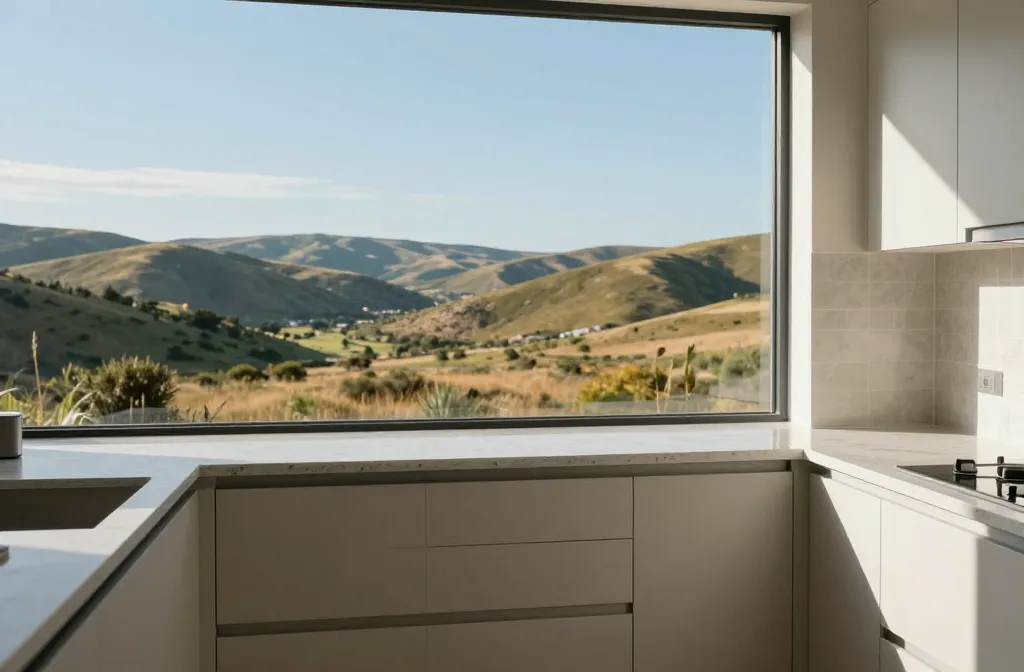
They say renovation adds value, but for landlords, it often adds headaches first. You chip away at a budget and end up with more drama than a soap. Let’s cut to the chase: these are the renovation mistakes landlords regret most, and how to dodge them like a pro.
Rushing into a project without a plan
You’re itching to upgrade that outdated kitchen and pull in more rent, but speed kills. Skipping a clear plan leads to scope creep, budget blowouts, and a lot of “oops, I forgot that.” Before you swing that hammer, answer these questions: What exactly needs renovation? What’s the budget cap? What timeline do we need to hit? What will this look like on a property management schedule?
– Start with a punch list: must-haves, nice-to-haves, and deal-breakers.
– Create a rough budget, plus a contingency (think 10–20% for surprises).
– Get a rough design idea so you’re not guessing in the middle of demolition.
Neglecting the budget for long-term gains

A flashy upgrade that doesn’t pay off can haunt you.Landlords who chase luxury without ROI end up with higher rents that scare away tenants or pile up months of vacancy. Think value over vanity.
– Prioritize durable, low-maintenance materials: quartz counters, porcelain tile, solid-core doors.
– Factor in operating costs: energy efficiency, water use, maintenance cycles.
– Do the math: will a higher rent justify the upfront spend in 1–2 years? If not, tweak the plan.
Subsection: ROI quick checks
– Compare cost per year saved on utilities.
– Estimate resale or re-rent value, not just “looks nice.”
– Check local market: do tenants pay for premium features or just want a solid, clean space?
Underestimating the importance of layout and ergonomics
You may love an open-concept kitchen, but tenants might hate a deep-dark corner pantry and a layout that makes the fridge stream into a wall. Bad layouts waste space and annoy residents, leading to higher turnover.
– Measure flows: door swings, appliance sizes, path clearances.
– Consider accessibility: single-level layouts, reachable storage, easy-to-clean surfaces.
– Think about “future you”: will the layout still be solid if tenant needs shift (home office, small family, roommates)?
Subsection: Kitchen and bathroom pitfalls
– Don’t cram a sink into a corner if the dishwasher can’t unload easily.
– In bathrooms, avoid tiny vanities with limited storage; tenants value counter space and good lighting.
Choosing the wrong materials and suppliers

Rookie mistake: chasing a bargain on everything and ending up with subpar products or flaky contractors. You want durability, not a short-lived glow that fades faster than your enthusiasm.
– Vet materials for wear and staining: floors, backsplashes, and countertops.
– Check warranty terms and maintenance requirements.
– Vet suppliers and contractors: read reviews, ask for star-rated portfolios, and demand references.
Subsection: Contractor drama, avoidable
– Get at least three quotes and compare apples to apples.
– Require a written contract with scope, schedule, payment terms, and change-order process.
– Don’t pay upfront; set milestones tied to progress.
Over-improving for the neighborhood instead of the unit
You want to attract tenants, not just brag about your property’s spa-like vibe. Over-improving for the neighborhood can price you out and backfire when occupancy drops because your unit is a one-off unicorn with electricity bills to match.
– Align upgrades with the target renter profile: students, young professionals, families?
– Moderate, durable upgrades usually win: good lighting, fresh paint, efficient appliances.
– Focus on features tenants actually notice and care about: storage, laundry, parking, pet-friendly options.
Skipping permits and compliance

This is the boring stuff that bites you later. Renovations without permits can derail a project, cause fines, and complicate insurance or resale.
– Check local permit requirements early.
– Keep inspections and documentation organized.
– If you aren’t confident, hire a pro who knows local codes and inspections.
Subsection: Common compliance hiccups
– Electrical rewiring or panel upgrades often trigger permits.
– Plumbing rough-ins during major renovations may require inspections.
– Energy-efficient upgrades can require verification for rebates or incentives.
Forgetting the tenant experience
A renovated space is only valuable if someone wants to live in it. Tenant-first upgrades reduce vacancy and boost rent stability.
– Focus on functionality: quiet appliances, reliable HVAC, good water pressure.
– Soundproofing and privacy matter in shared buildings.
– Lighting and climate control create a comfortable baseline that tenants notice instantly.
Subsection: Small touches that pay off
– Fresh paint in neutral tones, durable flooring, and well-placed outlets for charging devices.
– Simple, stylish storage solutions that don’t feel gimmicky.
– Clear, up-to-date safety features: sturdy railings, smoke/CO detectors, and secure locks.
FAQ
What’s the most common renovation mistake landlords make?
Not aligning the project with budget and ROI. It’s easy to get swept up in fancy finishes, but if the monthly rent increase doesn’t cover those costs within a reasonable timeframe, you’re just burning cash.
How can I estimate ROI before breaking ground?
Start with a conservative rent increase based on comparable units in the area. Then factor in renovation costs, carrying costs, and vacancy risk. If the math pencils out in 1–2 years, you’re probably on the right track. FYI, don’t forget to include maintenance savings from durable materials.
What materials are best for durability in rental units?
Look for scratch-resistant, easy-to-clean surfaces. Quartz countertops, porcelain or ceramic tiles, vinyl plank flooring, and solid-core doors hold up well. Also, choose hardware and fixtures with longer warranties.
How do I avoid contractor trouble?
Get multiple quotes, check references, and demand a written contract with clear milestones. Use a change-order process for any deviations and hold back a portion of payment until work passes inspections or milestones.
Should I upgrade utilities or focus on aesthetics?
If you’re on a tight budget, prioritize efficiency upgrades that reduce ongoing costs: better insulation, LED lighting, efficient appliances, and smart thermostats. Aesthetic upgrades are great, but tenants stay longer when they don’t face high utility bills.
When is it worth pulling permits?
If the work changes electrical, plumbing, or structural elements, or if local laws require permits, don’t skip it. Permits protect you legally, help with insurance, and keep resale clean. It’s not glamorous, but it’s wise.
Conclusion
Renovations can be a win when you approach them with a plan, a budget, and a heart for renters. Avoid the temptation to chase every shiny feature and instead focus on durable value, smart layouts, and genuine tenant comfort. Do the upfront work, pick reliable partners, and keep the tenant experience at the center. FYI, a well-done upgrade often pays for itself through lower turnover and happier tenants. If you play it right, you’ll be sipping coffee in a freshly updated unit—without the regret.