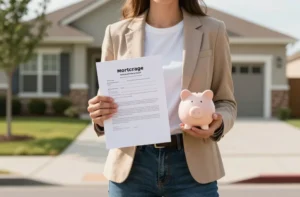
The Right to Buy scheme often feels like a plot twist you didn’t see coming: a chance to own a home you’ve rented for years, with a nice little discount attached. But it’s not as simple as clicking a “buy now” button. There are rules, caveats, and a lot of numbers that can trip you up. Let’s break it down like you’re chatting with a mate over coffee—no jargon spin, just the good stuff.
What is the Right to Buy, in plain English
Imagine you’ve rented a council house or flat for a long time. The Right to Buy gives you the option to buy your home at a discount, funded by a mortgage like any other property purchase. It’s meant to reward loyalty and make home ownership more accessible to everyday people.
But here’s the snag: not every property qualifies, not every tenancy qualifies, and the discount changes depending on where you live and how long you’ve rented. FYI, the scheme has tweaked a lot since it first appeared, so recent rules matter. If you’ve been eyeing your front door for a while, this is the section you want to understand first.
Who can apply? The basics you should know
– You must be a eligible tenant. Typically this means you’ve lived in a public sector home like a council property or housing association place for a certain period. The exact minimum tenancy length varies by region and scheme rules.
– The home must be eligible for sale. Some properties or leases aren’t on the market for Right to Buy due to special terms or transfers.
– You must meet the affordability check. The discount helps, but lenders still want to see you can cover mortgage payments, insurance, and maintenance.
If you’re reading this and thinking “that sounds doable,” you’re not wrong. But the clock matters: there are timetables for applying, and delays can erode the discount or your plan.
The discount: how much do you actually save?
This is the juicy bit. The discount is essentially money off the market price, designed to reward long tenants. The exact amount depends on:
– How long you’ve lived in the home
– The location (different regions have different caps)
– The type of property (house vs flat) and sometimes whether you’ve previously owned property
Typical structures look like: after a certain number of years, you get the maximum discount, but you’ll still see the price climb with market values. Some places cap the discount at a percentage of the property’s price, others put a fixed cap. The point is: it’s significant, but not a magical “free home” button.
A quick tip: use a mortgage calculator early and plug in the potential discounted price to see what your monthly payments might look like. It’s the practical reality check you’ll thank yourself for later.
The process: step by step, without the mystery fog

1. Check eligibility: confirm tenancy length, property type, and local rules.
2. Get an estimate: request the formal discount offer from the housing authority or landlord.
3. Obtain free impartial advice: talk to a housing advisor, independent financial advisor, or a legal pro who knows the Right to Buy ropes.
4. Gather your finances: save for a deposit, line up a mortgage, and get a mortgage in principle so you know what you can borrow.
5. Apply formally: submit the application with all documents, including proof of tenancy, identity, and income.
6. Wait for the decision: the agency will confirm the discount and affordability checks.
7. Exchange and complete: sign contracts, pay the deposit, and move into ownership.
Common snag to avoid: some applicants discover that, while the discount is generous, the mortgage costs or maintenance on an older property bite harder than expected. Do the numbers now, not later.
What happens after you buy: responsibilities vs perks
Owning your home brings bragging rights and bills in equal measure.
– Mortgage and interest: you’ll likely have a monthly payment that includes principal and interest.
– Repairs and maintenance: the property is yours, so you’re the boss of upkeep. This can include big-ticket fixes like roofs or boilers.
– Service charges and ground rents: depending on your building setup, you might owe ongoing fees.
– Security of tenure: once you own, you’re not at risk of losing the home unless you willingly sell or there’s a mortgage default. It’s a different game, for sure.
– Tax implications: mortgage interest relief used to be a thing in some places, but rules vary. Check current guidance for property tax and any reliefs.
If you value stability and a sense of “this is mine,” this section is where you’ll start feeling the love. If you hate dealing with repairs, be honest with yourself before you commit.
Common misconceptions: what people get wrong

– “It’s always the best deal.” Not necessarily. The discount can be impressive, but the total cost of ownership (mortgage payments, maintenance, insurance) might outstrip renting in some scenarios.
– “If I don’t buy now, I’ll lose the chance.” Some schemes have expiry dates for applications or discounts; others are ongoing but with changing terms. Don’t assume you have forever.
– “I’ll flip it for a quick profit.” House prices move, but so do interest rates and legal restrictions. Treat it as a home, not a stock play.
A little reality check: doing your homework helps you avoid buyer’s remorse. FYI, it’s absolutely possible to regret buying a home you can’t afford to fix.
The nuts and bolts: costs you’ll actually pay
– Purchase price after discount: the discounted price is the starting point.
– Stamp duty or transfer taxes: this depends on location and price—some affordable buys slip under thresholds.
– Legal fees: conveyancing costs, surveys, and possible solicitor fees.
– Mortgage arrangement fees: some lenders charge, some don’t.
– Valuation and survey fees: you’ll want a proper survey to avoid nasty surprises.
– Moving costs: packing, van hire, and utility set-up fees.
Break it down with a sample scenario:
– House price pre-discount: £250,000
– Discount: £60,000
– Purchase price: £190,000
– Stamp duty: may be zero or reduced depending on thresholds
– Legal and survey fees: around £1,000–£2,000 (varies)
– Mortgage rate: depends on your credit score and market rates
– Estimated monthly payment: varies, but plan for mortgage, insurance, maintenance
Remember: numbers change with interest rates and local rules. Don’t wing this part.
Subsection: renting vs buying under Right to Buy
Pros
– Potential equity build-up over time
– Greater control over your home’s appearance and renovations
– Predictable monthly costs (mortgage when compared to rent spikes)
Cons
– Higher monthly costs than rent in some markets
– Upfront and ongoing maintenance responsibilities
– Market risk: if house prices dip, you might be stuck with a loan value higher than sale value
If you’re torn, run the numbers side by side for your current rent versus projected mortgage, insurance, and upkeep. IMO, a lot of decisions come down to your personal appetite for risk and how long you expect to stay.
What to do if you’re denied or if the numbers don’t add up
– Ask for a formal explanation: you have the right to know why a decision didn’t go your way.
– Seek alternatives: rent-to-own schemes, shared ownership, or other affordable housing options might fit better.
– Reassess your finances: save for a bigger deposit, improve your credit score, or look at properties in a lower-price tier.
– Consider timing: sometimes waiting a year while you boost your savings or reduce debt pays off bigger.
A quick reality: rejection isn’t the end of the world. It’s a nudge to recalibrate your plan.
FAQ
What exactly is the Right to Buy discount?
The discount is money off the market value of your home, designed to reward long tenancy. The amount depends on where you live, how long you’ve rented the home, and the specific rules in your area. It’s not a universal number, so check your local housing authority’s guidance.
Do I need a mortgage to use Right to Buy?
Most people use a mortgage, yes. The scheme makes the price lower, but you’ll still need to borrow for the rest and cover related costs. It helps to get a mortgage in principle early so you know your budget and can move quickly when the offer comes through.
Can I sell the home after I buy it?
Yes, you can sell, but there are restrictions in some schemes. If you sell within a certain period, you may have to repay part of the discount. If you plan to move again soon, factor that into your decision.
What happens if I can’t afford the payments after buying?
If you genuinely can’t meet payments, you risk mortgage default, which can lead to serious consequences, including losing the home. Always have a contingency plan, such as insurance, savings, or access to a financial advisor.
Is Right to Buy available everywhere?
Availability and terms vary by country, region, and local housing policies. Some places have closed schemes or replaced them with other programs. Check with your local housing authority to confirm current rules.
How long do I have to apply?
Timelines differ by scheme and location. Some programs have set windows, others operate on a first-come, first-served basis or require ongoing eligibility checks. If you’re serious about buying, don’t sleep on it—start the process and get professional guidance.
Conclusion
If you’re sitting on a council or housing association tenancy and dreaming of a place to call your own, the Right to Buy can feel like a real doorway worth walking through. It’s not a magic wand, but it can be a smart route to build equity and have a home that’s truly yours. Do the homework, run the numbers, talk to an advisor, and make your decision with clear eyes. IMO, the best approach is to treat it like a long-term financial move, not a one-off bargain.
Remember the basics: eligibility, discount, costs, and long-term responsibilities. If you nail those, you’ll know whether Right to Buy is your ticket or if you’d be better off exploring other affordable-home options. Good luck, and may your future doorstep be the one you’ve earned. FYI, a little planning goes a long way, and you deserve a home you’re proud of.