If you’re weighing a shiny new build against a classic, creaky-but-characterful old property in the UK, you’re not alone. The decision isn’t just about style or speed—it’s about what fits your life, budget, and tolerance for DIY mysteries. Let’s cut through the noise and figure out which route might suit you best.
New build vs old property: what actually matters?
New builds promise modern layouts, energy efficiency, and fewer immediate repairs. Old houses offer character, location vibes, and potential equity from improvements. But the reality isn’t black and white. You’ll need to balance cost, long-term maintenance, and personal preferences. FYI, your dream home might be one big renovation project in disguise—or a near-perfect move-in ready sanctuary. So what should you prioritize?
Cost reality check: price, value, and ongoing bills
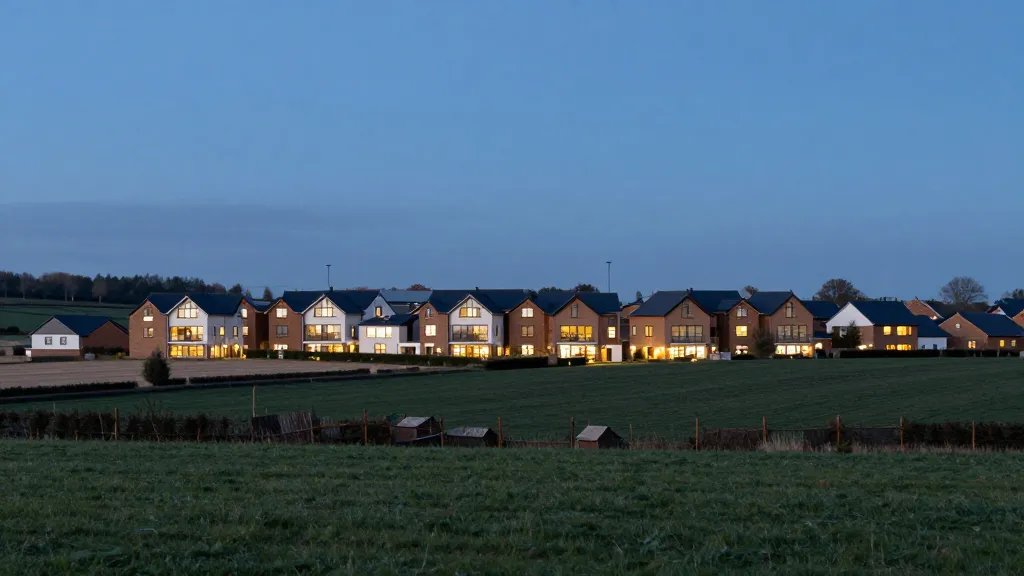
– New builds often come with a premium for the gloss and guarantees. You might pay more upfront, but you’ll benefit from modern insulation, efficient boilers, and often lower maintenance in the first few years.
– Old properties can be cheaper to buy, but require more ongoing spending. Check roof, damp, wiring, plumbing, and extensions you might want to swap in. The true cost lives in the long game.
– Consider energy bills. A new build should be more efficient, but long-term costs depend on location, fuel type, and how well you maintain systems. Ask for an energy performance certificate (EPC) and run the numbers.
Location, location, location: where the vibe is strong
– New builds often emerge on greenfield sites or redeveloped spaces, which means newer infrastructure but potentially longer commutes or less established neighbourhoods.
– Old properties tend to cluster in established areas with character-rich streets, proximity to schools, pubs, and that “old-town” charm. But that can come with more bus routes and parking headaches.
– If you value community, walkability, and a sense of history, an old property in a good location might win. If you crave predictable noise levels and modern infrastructure, a new build could be the winner. Quick question: do you want a 15-minute stroll to the bakery or a 15-minute drive to the nearest repair person?
Maintenance reality: how much elbow grease are you willing to invest?
– New builds generally mean fewer immediate fixes. Expect cleaner walls, pristine plumbing, and warranties on major systems. You’ll still dish out for carpets, fittings, and interior tweaks, but dramatic problems are less likely in year one.
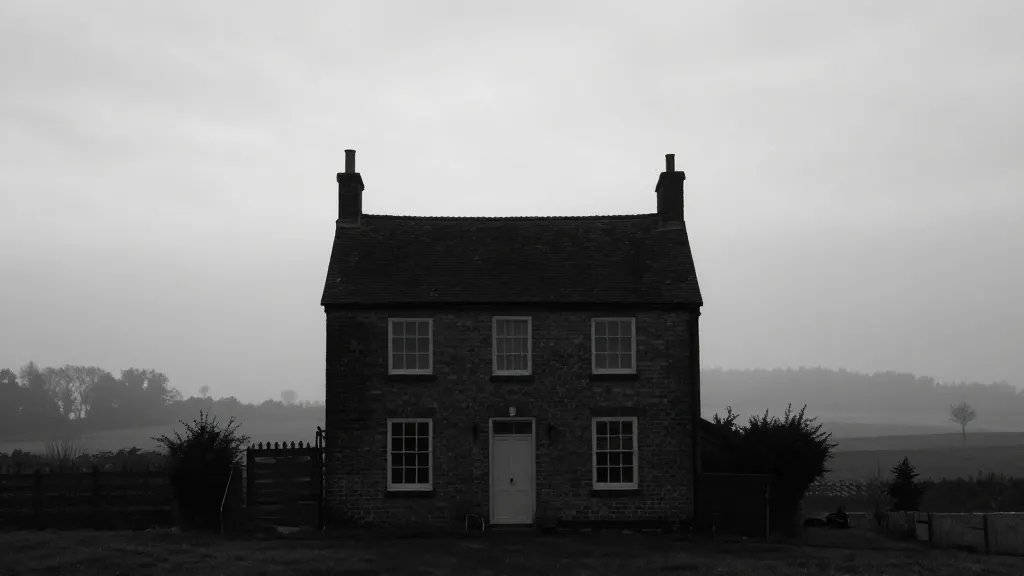
– Old houses demand attention. Expect quirks—possibly charming, sometimes frustrating. Damp patches, cracked plaster, rotten joists, and the joy of finding a working boiler that’s seen too many winters. DIY-friendly? Great. A professional maintenance budget? Essential.
– Subsections to consider:
Warranties and guarantees
New builds often come with warranties (NHBC or similar) covering structural issues for up to 10 years in some cases. Old properties won’t have that safety net, so you’re relying on your sense of adventure and a good survey.
Surveys and inspections
Always commission a full structural survey for older homes. For new builds, you can still get a snag list and a snagging survey to catch minor issues before you move in.
Energy efficiency and comfort: warmth on a budget
– New builds usually have better insulation, double glazing, and efficient boilers. They’re built to modern standards, so your heating bills should be kinder to your wallet.
– Old houses can be chilly and drafty, especially in winter. But you can retrofit with insulation, secondary glazing, or smarter heating systems. The challenge is balancing insulation with preserving character and avoiding damp issues caused by improper sealing.
– If you’re climate-conscious or watching bills, a new build feels like a no-brainer—unless you’re obsessed with period charm and you’re willing to invest in retrofits.
Lifestyle and flexible space: what does your dream home look like?
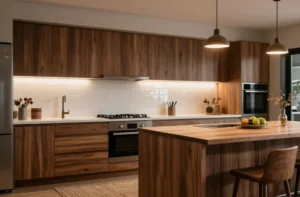
– New builds typically offer open-plan layouts, modern kitchens, and flexible spaces designed for contemporary living. If you want a move-in-ready space that supports a busy life, this is a strong pull.
– Old properties shine in personality: period features, fireplaces, high ceilings, and distinctive staircases. If your plan includes styling, renovations, or creating unique rooms, an old house can be a playground.
– Consider resale value here too. In sought-after areas, a well-kept old house with period charm can command strong prices. A well-built new home in a desirable development can be equally appealing, especially for families.
The buying process: speed, risk, and transparency
– New builds often have a smoother process with developers handling much of the paperwork, snagging work, and warranties. But you might face snag lists, developer choices, and sometimes sales pressure.
– Old properties require patience: surveys, chain checks, negotiations over repairs, and potentially longer completion times. If you’re time-poor, the process can be frustrating.
– Financing nuances matter. Some lenders offer specific products for new builds, including time-limited mortgage products or higher loan-to-value options. Check with brokers early, so you don’t discover you’ve got a hiccup when you’re ready to exchange.
Common myths and quick truths
– Myth: New builds are flawless. Truth: there can be teething problems or corner-cutting in early phases. Don’t assume perfection—get a snagging survey.
– Myth: Old houses are money pits. Truth: with savvy upgrades and solid budgeting, old homes can be surprisingly cost-effective if you love the character and location.
– Myth: Energy efficiency is only for new builds. Truth: retrofits can close the gap; insulation, draft-proofing, and efficient boilers make a big difference.
Subsection: snagging and safeguarding your investment
– For new builds, insist on a comprehensive snagging report and a clear warranty period. Keep a checklist handy and walk through with the site manager.
– For old houses, hire a qualified surveyor who knows historic properties. Look for hidden damp, roof integrity, electrical standards, and drainage. It might feel like archaeology, but it protects your budget.
– Budgeting tip: set aside a “renovation contingency” of 10-15% for old properties and a smaller cushion for new builds where issues are rarer but possible.
FAQ
Is it cheaper to buy a new build or an older property in the long run?
Both paths have trade-offs. New builds usually have lower maintenance costs in the first few years and better energy efficiency, which can save money. Old properties can be cheaper upfront but may require significant ongoing maintenance and upgrades. Do a real-life total cost of ownership calculation, including potential renovations and energy bills, before deciding.
What about holidays and location bonuses—do they matter for new vs old?
Absolutely. New builds often sit in newer developments with better parking and modern amenities, but you might pay a premium for the location. Older houses in desirable towns can be pricey but offer walkability, schools, and established community vibes that can be hard to value but easy to feel.
How important is a survey for an old property?
Vital. A full structural survey helps you uncover problems before you commit. For a new build, you’ll want snagging surveys too, but the risk of major faults is lower. Either way, don’t skip the inspection.
Can I renovate a new build or an old property to fit my style?
Yes. New builds are great for modernizing interiors with minimal structural work. Old properties offer abundant character but may require more extensive renovations, which can be costly and time-consuming. Plan your budget and timeline accordingly.
What about energy efficiency and running costs there and then?
New builds generally start ahead on energy efficiency thanks to insulation and modern systems. Old houses can close the gap with retrofits, but you’ll need to budget for upgrades like insulation, double glazing, and efficient heating. If annual energy bills worry you, a new build often wins—on paper, at least.
Conclusion
So, should you buy a new build or an older property in the UK? It boils down to what you value most: speed and certainty or character and location. If you crave a turnkey lifestyle, modern comforts, and lower immediate maintenance, a new build could be your jam. If you’re drawn to history, unique features, and the potential to customize, an older home might be your soulmate—with the caveat that you’ll need a plan for upgrades and repairs.
Either way, do your homework, talk to locals, and get a solid survey or snagging report. And remember: the right home isn’t about chasing perfection; it’s about finding a place that makes you feel at home, with a budget you can actually live with. IMO, the best decision balances your heart, your wallet, and a realistic timeline. Good luck, future homeowner—may your next kettle whistle perfectly and your radiator never leak mid-winter.