
The law might sound boring, but squatters’ rights are a surprisingly spicy topic. People assume it’s just “they can live anywhere they like,” but the reality is a tangled mix of timelines, paperwork, and community norms. Let’s untangle it together without putting you to sleep.
What squatters’ rights actually are—and aren’t
So, what do we mean when we talk about squatters’ rights? In plain terms, some laws give long-time occupants a claim to stay on a property if certain conditions are met. It’s not a free-for-all welcome mat, though. You don’t get to move into a vacant house and call it yours after a few months. It’s about possession that’s open, continuous, and, crucially, legal enough to earn protection. FYI, the exact rules vary wildly by country, state, and even city.
Let’s break down the core idea in simple terms:
– Open and notorious: The occupant isn’t hiding. A neighbor could see them living there.
– Continuous: The person stays for a specific period without large gaps.
– Exclusive: The occupant treats the space like their own, not sharing ownership with others.
– Peaceful: No big-time fights or crime to prove intent against the owner.
If all that fits, some places grant a legal pathway to claim or protect occupancy. But there’s a big caveat: courts interpret these rules tightly, and they’re not universal. Ready for a closer look at how this actually plays out?
Adverse possession: the legal backbone (without the jargon)

Adverse possession is the fancy term you’ll hear more than anything else. Think of it as legal “squatcamouflage”—you color outside the lines, the law checks if you’ve genuinely owned the space for long enough, and boom, you might earn a title.
Key points to know:
– Time is everything: Most places require several years of uninterrupted possession. Sometimes a decade or more.
– Bad-faith vs. good-faith: Some jurisdictions require the occupant to act like the true owner (pay taxes, maintain property) even if they’re not legally allowed to.
– Color of title: In some cases, the person thinks they have a claim due to a faulty deed or a confusing chain of ownership—this can complicate matters.
– Quiet title action: If you manage to claim rights, the owner can still challenge you in court. The process often ends with a court deciding who truly owns the property.
Here’s the kicker: adverse possession is not a modern “finders keepers” pass. It’s a long, scrupulous process that demands consistent, often aggressive proof. If you’re thinking about testing these waters yourself, you’ll want actual legal advice rather than a Reddit thread.
Common pathways and what tends to trip people up
No two cases are the same, but there are common routes and frequent potholes. Let’s map them out.
Residential vs. commercial properties
Most squatter disputes revolve around residential properties. The clock often starts ticking the moment someone starts living there as a home. Commercial spaces can be trickier: business use might complicate “exclusive occupancy” and “peaceful possession,” so the timeline tends to be stricter and the remedies less forgiving.
Gaps in occupancy: what breaks the streak?
If you vanish for weeks, months, or even seasons, the clock can reset—or at least you’ll have a tougher case. Regular maintenance, bills, and visible intent to stay help your case. Absence, especially during a court’s review, can sink a claim faster than you can say “eviction.”
Tax, maintenance, and public visibility
Paying property taxes or keeping up the property signals courts that you treat the place as yours. Landscaping, repairs, and even putting up security cameras can be leveraged as evidence of occupancy. It’s not a free pass to vandalize or neglect, obviously—those actions work against you.
What owners can do to protect their property
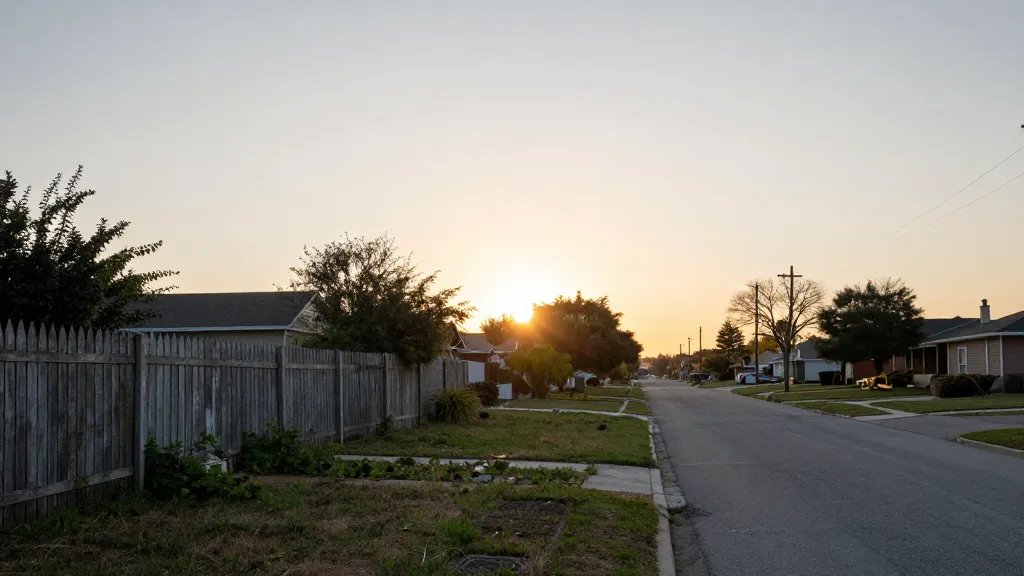
If you own land or a home, you’re not powerless. Here are practical steps to minimize risk of losing property to long-term occupants.
- Stay vigilant: Regularly inspect vacant properties and fix issues quickly.
- Secure access: Use sturdy locks, secure fencing, and proper lighting to deter unauthorized stays.
- Problem-solving communication: If someone starts living in a place they shouldn’t, address it early with clear, legal notices.
- Document everything: Keep records of inspections, notices, and communications. Time stamps matter in court.
- Fast legal action: Don’t hesitate to initiate eviction proceedings if you discover an occupancy problem.
Tenancy vs. ownership: where do the lines blur?
A lot of the confusion around squatters’ rights comes from the blurry line between tenancy and ownership. If someone has a lease or a rental agreement, they’re not a squatter—they’re a tenant with rights. Evicting a tenant is a different process from ejecting an improvised occupant. Here’s what to watch:
– Leases create protections for tenants, not occupiers who simply stay.
– Adverse possession doesn’t apply the same way to tenants; their occupancy ends with the lease, unless a separate legal claim exists.
– Constructive possession can muddy things: if the person acts like a tenant but has no lease, a judge might still consider occupancy legitimate under certain conditions.
If you’re a homeowner, the easiest way to sleep at night is to have a clear lease in place for any rental scenario and document everything meticulously.
What happens when disputes hit the courtroom

If someone thinks they’ve earned a claim to your property, or you’re fighting to remove an unwanted occupant, courtrooms become the battleground. The process looks roughly like this:
– Filing a case: The property owner (or landlord) files a complaint seeking eviction or a determination of ownership.
– Evidence gathering: The other side presents proof of occupancy, maintenance, and time. It’s the good-old “show me the receipts” moment.
– Court decision: A judge weighs the facts and decides who has the stronger claim, often balancing the letter of the law with real-world proof.
– Appeals and enforcement: If the result isn’t favorable, there are appeal options in many places. If you win, enforcement happens via eviction or transfer of title.
Pro tip: courts want clean, documented cases. Vague claims, missing dates, or gaps in occupancy harm your chances.
Real-world scenarios: stories that explain why the rules matter
Let’s ground this in everyday life. Here are a couple of realistic pictures:
– The long-term renter who doesn’t want to leave: A person who moves into a vacant home, keeps it tidy, and pays nothing to the owner might think they’ve found a loophole. In many jurisdictions, if they’ve stayed long enough with consistent behavior, a judge might consider their action as adverse possession. But that requires a lot of proof and a long timeline, and the original owner can contest every step.
– The DIY post-it note owner: A neighbor who starts living in a shed, fixes the roof, and pays some utility bills might be showing a level of commitment. The key is whether the occupancy was open and continuous, and whether the occupant paid taxes or maintained the property. It’s a real game of chess with a lot of rules.
– The non-paying tenant who vanishes: A person who briefly occupies a property but leaves and returns sporadically will likely fail the “continuous” and “exclusive” tests. Courts tend to frown on ambiguous occupancy patterns that resemble a squatters’ lifestyle.
FAQ
What exactly triggers a claim of adverse possession?
Open, continuous, exclusive, and notorious occupancy over a legally defined period, usually accompanied by some level of visible ownership actions like maintenance, payment of taxes, or improvements. The precise mix varies by location, so check your local rules.
Can someone really lose their home to a squatter?
In rare, highly regulated circumstances yes, but it’s not easy. The occupant must prove a long, uninterrupted, hostile possession that meets strict legal standards. Owners can often prevent this by staying proactive and keeping records.
What should I do if I suspect a squatters’ issue on my property?
Act quickly and legally: document any occupancy, post notices where required, consult an attorney for the eviction process, and avoid taking matters into your own hands. Quick action helps prevent a stronger claim from forming.
Are there any protections for squatters?
Some places provide limited protections for legitimate occupancy under specific conditions, especially in rental contexts or if the occupant has a documented claim for other reasons. The protections aren’t a blanket license to stay; they’re carefully circumscribed.
How long does eviction usually take?
It depends on jurisdiction, the case’s complexity, and court calendars. It can range from a few weeks to several months. Patience and proper legal steps are essential—ambush tactics backfire here.
Conclusion
Squatters’ rights aren’t a game of musical chairs with a loophole. They’re a nuanced set of rules designed to balance property ownership with long-standing occupancy in the right circumstances. If you’re a homeowner, staying proactive and organized is your best defense. If you’re facing an occupancy question as a renter or as someone tempted to “test the waters,” take a breath, get solid legal advice, and avoid DIY experiments that could backfire in the courtroom.
If you want a quick, practical takeaway: know your local timelines, document everything, and keep your property secure. It’s not glamorous, but it pays off when a messy situation actually gets resolved cleanly. And hey, if you’re curious about a specific jurisdiction, I’m happy to dive into the exact rules and timelines with you—FYI, generalized rules are helpful, but the tiny print is what actually matters.