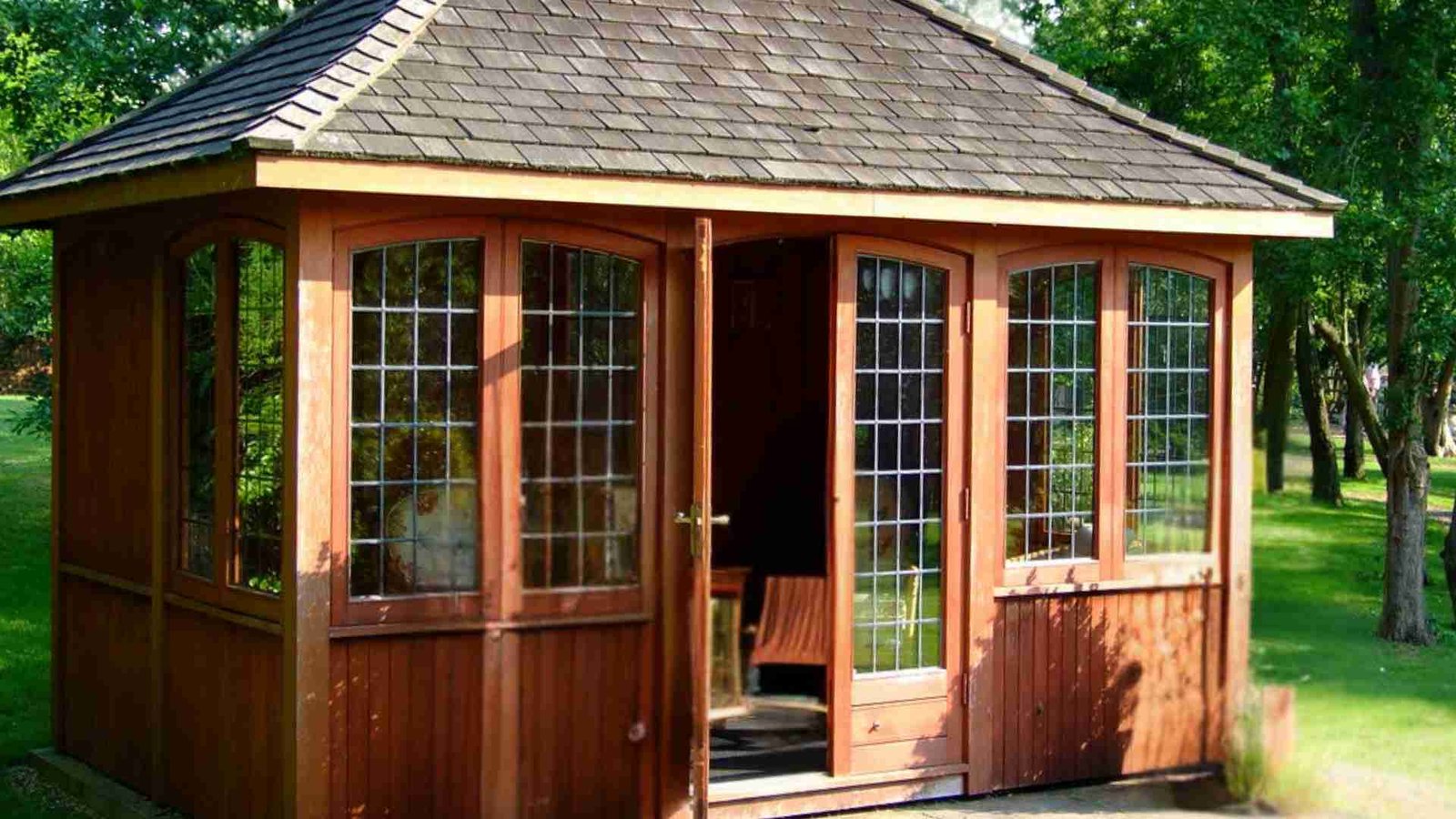
In the UK, summer houses are a popular addition to gardens, providing a versatile space for relaxation, work, or entertainment. However, before you embark on building a summer house,
it’s essential to understand the summer house regulations and planning permissions that might apply.
Navigating these rules can ensure that your garden-building project proceeds smoothly without any legal hitches.
Understanding UK Planning Permission

Planning permission is a critical consideration when constructing any garden building, including summer houses.
In the UK, most small garden buildings are considered “permitted development,” which means you can build without seeking formal planning permission, provided specific criteria are met. Let’s explore these criteria in detail.
When is Planning Permission Required?
While many summer houses are exempt from planning permission, there are cases where you might need to apply. You will need planning permission if:
- The summer house is to be used for residential accommodation or as a separate dwelling.
- The building is over 2.5 meters tall and within 2 meters of your property boundary.
- The total area covered by buildings within the garden exceeds 50% of the total land area around the original house.
- Your property is a listed building or located in a designated area such as a national park, conservation area, or area of outstanding natural beauty.
Permitted Development Rights
Permitted development rights allow homeowners to carry out certain types of work without needing planning permission.
These rights are subject to conditions and limitations, especially when it comes to size and placement. For summer houses:
- The maximum overall height for a single-storey garden building is 4 meters with a dual-pitched roof, or 3 meters for any other roof type.
- If the building is within 2 meters of a boundary, the height limit is reduced to 2.5 meters.
- The summer house should not be used for primary living accommodation.
Understanding these rights can save time and money, but if there’s any doubt, it’s always best to consult with your local planning authority.
Summer House Regulations
In addition to planning permission, building regulations in the UK ensure that structures are safe and energy-efficient.
Not all summer houses will require approval under building regulations, but there are scenarios where compliance is necessary.
When Do Building Regulations Apply?
Building regulations typically apply if:
- The summer house is over 15 square meters and used as sleeping accommodation.
- It exceeds 30 square meters in floor area.
- It is not situated at least one meter away from any boundary.
- It does not contain sufficient fire escape provisions, especially if used as a home office or gym with electrical installations.

It’s important to note that even if planning permission is not required, compliance with building regulations may still be necessary. Therefore, consulting with a professional architect or builder experienced in UK regulations is advisable.
Fire Safety Considerations
Safety is paramount, especially if your summer house will be used frequently. Fire safety regulations require:
- Adequate escape routes, particularly in buildings with electrical installations.
- Fire-resistant materials, especially for structures close to property boundaries.
- Proper ventilation to prevent condensation and ensure air quality.
The Legal Landscape: Other Considerations
Besides planning permission and building regulations, there are other legal aspects to consider.
Covenants and Local Bylaws
Some properties may have covenants or local bylaws that restrict certain types of development. Covenants are legal obligations imposed on property owners, usually by the original developer, which can limit what you can build or how you can use your land.
It’s crucial to review the deeds of your property and consult with your local council to ensure compliance with these rules.
Environmental and Aesthetic Concerns
If your property is in an environmentally sensitive area, additional regulations may apply. Protecting local wildlife, preserving the character of the area, and maintaining aesthetic standards are common concerns.
Consulting with local environmental agencies to understand Summer House Regulations. They can provide guidance on how to proceed with your project responsibly.
Steps to Building Your Summer House
Now that we’ve covered the regulations, let’s look at the steps involved in bringing your summer house project to life.
Planning and Design
Start by planning the design of your summer house. Consider its intended use, size, and location within your garden. Sketch out your ideas and consult with a professional designer or architect to refine your plans.
Consultation and Approval
Before commencing construction, consult with your local planning authority to verify whether your project requires planning permission or building regulations approval.
This step can prevent costly mistakes and ensure compliance with all necessary regulations.
Construction and Compliance
Once you have all necessary approvals, construction can begin. It’s vital to work with experienced builders who understand the regulatory landscape to ensure your summer house is built to standard.
Final Inspection and Use
After construction, a final inspection may be required to certify that your summer house complies with building regulations. Once approved, you can furnish and enjoy your new garden retreat.
Conclusion
Building a summer house in the UK can be a rewarding project, offering a personal retreat in your garden. By understanding Summer House Regulations and adhering to UK planning permission and building regulations, you can ensure a hassle-free process.
Always consult with professionals and your local authority to address any specific concerns related to your property.
With careful planning and compliance, your summer house can become a cherished addition to your home.