This guide will walk you through the best cameras for estate agents photography, exploring the features, pros, and cons of each model.
Whether you’re a seasoned property photographer or just starting, choosing the best camera can make a significant difference in your work.
Estate Agent photography is an art that requires skill, precision, and, most importantly, the right tools.

Why Choosing the Right Camera Matters for Property Photography
When capturing properties, your camera becomes an extension of your vision. The right camera will help you deliver high-quality images that showcase properties in the best possible light. But how do you choose the best camera for estate agents photography? Let’s break it down.
What to Look for in a property Photography Camera
Before diving into the list of top cameras, it’s important to understand the key features to look for in a property photography camera. Here’s what matters most:
1. Sensor Size
The sensor size impacts image quality. Full-frame sensors capture more light and provide better depth of field, making them ideal for low-light interior shots. However, APS-C sensors can still do a great job if you’re on a budget.
2. Megapixels
While more megapixels can mean more detailed photos, it’s not the only factor to consider. Anything above 20MP will give you plenty of resolution for crisp, clear property photos.
3. Low-Light Performance
Estate agent photography often involves shooting indoors, where lighting isn’t always optimal. A camera with good low-light performance will allow you to capture bright and clear images, even in dimly lit spaces.
4. Lens Compatibility
Wide-angle lenses are crucial for property photography, allowing you to capture entire rooms in a single shot. Look for a camera with a wide selection of compatible lenses, particularly wide-angle and zoom lenses.
5. Autofocus System
A fast and accurate autofocus system will help you capture sharp images, even in tricky lighting conditions. This is especially important for interior shots where lighting can vary.
6. Image Stabilization
Handheld photography is common in real estate, and image stabilization can help reduce blur from shaky hands. Look for a camera with in-body image stabilization (IBIS) or good lens-based stabilization.
Top 7 Cameras for Property Photography in 2024
Now that we know what to look for in a camera, let’s explore some of the best cameras available today for estate agent photography.
1. Canon EOS R5

The Canon EOS R5 is a powerhouse for property photographers. It boasts a 45MP full-frame sensor, making it perfect for capturing high-resolution images that can be cropped without losing detail.
Key Features:
- 45MP full-frame sensor
- Excellent low-light performance
- 8K video recording
- In-body image stabilization
Pros:
- High-resolution images
- Great for both stills and video
- Advanced autofocus system
Cons:
- Expensive
- Large file sizes
2. Sony Alpha a7 III

The Sony Alpha a7 III strikes a balance between performance and affordability. With a 24.2MP full-frame sensor and exceptional low-light capabilities, it’s a great choice for estate agents photography.
Key Features:
- 24.2MP full-frame sensor
- Fast autofocus with 693 phase-detection points
- 5-axis in-body image stabilization
Pros:
- Excellent low-light performance
- Fast and accurate autofocus
- Compact and lightweight
Cons:
- Limited touchscreen functionality
- No built-in flash
3. Nikon Z7 II

The Nikon Z7 II is another excellent option for property photography, offering a 45.7MP full-frame sensor. It excels in dynamic range, capturing vibrant images even in challenging lighting conditions.
Key Features:
- 45.7MP full-frame sensor
- Dual EXPEED 6 processors
- 4K UHD video recording
Pros:
- Excellent image quality
- Great dynamic range
- Robust build quality
Cons:
- High price point
- Short battery life
4. Fujifilm X-T4

For those looking for a crop sensor option, the Fujifilm X-T4 is a fantastic choice. It features a 26.1MP APS-C sensor and in-body image stabilization, making it perfect for handheld real estate photography.
Key Features:
- 26.1MP APS-C sensor
- 5-axis in-body image stabilization
- 4K video recording
Pros:
- Excellent image stabilization
- Great color reproduction
- Retro design
Cons:
- Smaller sensor compared to full-frame
- Limited lens options
5. Panasonic Lumix GH5
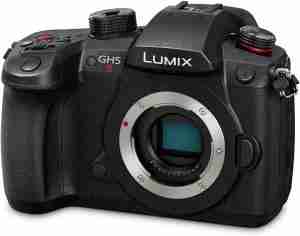
The Panasonic Lumix GH5 is a great choice for videographers in real estate. Its Micro Four Thirds sensor and video-centric features make it ideal for capturing smooth, high-quality property walkthroughs.
Key Features:
- 20.3MP Micro Four Thirds sensor
- 4K 60p video recording
- Dual image stabilization
Pros:
- Best for video work
- Weather-sealed body
- High frame rate video
Cons:
- Smaller sensor
- Not as good for stills
6. Canon EOS 90D

The Canon EOS 90D is an affordable DSLR option that packs a punch with a 32.5MP APS-C sensor. It’s a solid choice for those looking for a budget-friendly yet powerful camera for real estate photography.
Key Features:
- 32.5MP APS-C sensor
- 4K video recording
- Excellent battery life
Pros:
- Affordable
- High-resolution images
- Great battery life
Cons:
- No in-body stabilization
- Larger body compared to mirrorless
Nikon D850

The Nikon D850 is a legend among real estate photographers, offering a 45.7MP full-frame sensor and exceptional dynamic range. It’s a DSLR that’s built for professionals.
Key Features:
- 45.7MP full-frame sensor
- 4K UHD video recording
- 153-point autofocus system
Pros:
- Superb image quality
- Fast and accurate autofocus
- Durable, weather-sealed body
Cons:
- Expensive
- Heavy
Top Lenses for Real Estate Photography
1. Canon RF 15-35mm f/2.8L IS USM
This wide-angle lens is perfect for capturing interiors and wide exterior shots.

2. Sony FE 16-35mm f/2.8 GM

The Sony FE 16-35mm is a versatile wide-angle lens for real estate photography, offering excellent image quality and sharpness.
3. Nikon Z 14-30mm f/4 S

Nikon’s Z-series wide-angle lens is ideal for interior photography, with minimal distortion and great clarity.
Essential Accessories for Real Estate Photography
1. Tripods
A sturdy tripod is crucial for capturing long exposure shots in low light. Look for a lightweight and easy-to-set-up tripod.

2. External Flashes
For dimly lit interiors, an external flash can make a huge difference. It will help you brighten up dark corners and avoid harsh shadows.

3. Wide-Angle Lenses
As mentioned earlier, a wide-angle lens is essential for real estate photography. It allows you to capture the full scale of a room in one shot.

Tips for Capturing Stunning Real Estate Photos
1. Use Natural Light
Whenever possible, use natural light to brighten up your shots. Open curtains, turn on lights, and make sure the space feels inviting.
2. Shoot at the Right Time

For exterior shots, aim to shoot during the golden hour (right after sunrise or before sunset) when the light is soft and warm.
3. Straighten Your Lines
Make sure all the vertical and horizontal lines in your images are straight. Crooked images can make rooms look unappealing and smaller than they are.
4. Focus on Key Features
Highlight the unique features of the property, such as a beautiful fireplace, large windows, or an outdoor space.
Conclusion
Choosing the best camera for property photography depends on your budget, needs, and preferences.
Whether you go for a full-frame powerhouse like the Canon EOS R5 or an affordable option like the Canon EOS 90D, the key is to invest in a camera that will help you capture beautiful, professional-grade images.
Remember, estate agent photography is not just about having the right camera—it’s about technique, lighting, and an eye for detail.
FAQs
1. What is the best camera for real estate photography?
The Canon EOS R5 and Sony Alpha a7 III are top choices for their image quality and low-light performance.
2. Do I need a full-frame camera for real estate photography?
While full-frame cameras offer better image quality, APS-C cameras can still deliver great results at a lower cost.
3. What lens should I use for real estate photography?
Wide-angle lenses, such as a 16-35mm, are ideal for capturing full rooms and expansive exteriors.
4. How important is image stabilization in real estate photography?
Image stabilization is important, especially if you’re shooting handheld in low-light environments.
5. Is a DSLR or mirrorless camera better for real estate photography?
Both can work well, but mirrorless cameras are often lighter and offer better autofocus and video capabilities.