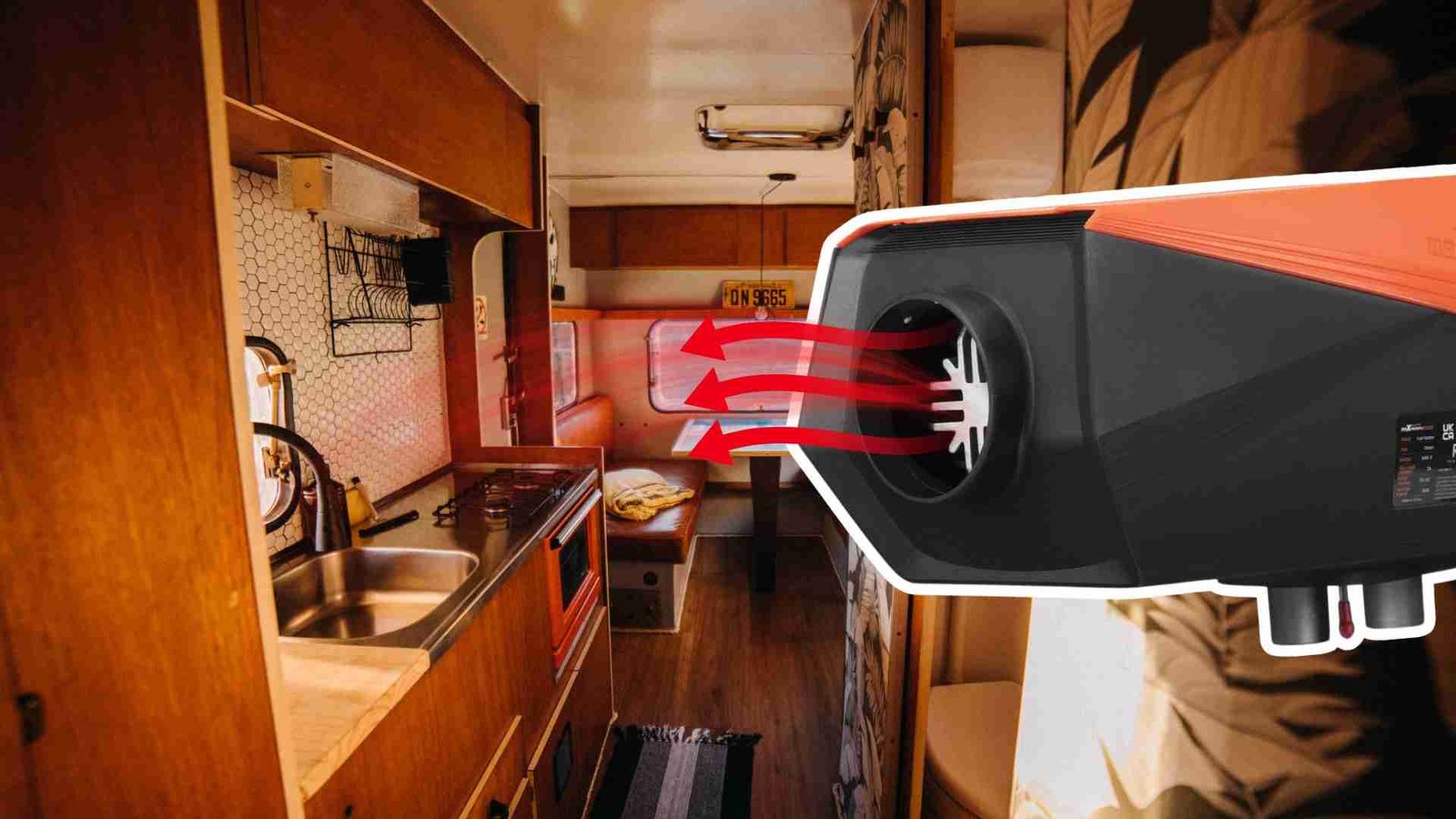
If you’ve ever struggled to keep warm in a camper van, small house, or off-grid cabin, you’ve probably considered a diesel heater.
I’ve been there, searching for a reliable, cost-effective heating solution that works well without breaking the bank. After some trial and error, I’ve discovered that diesel heaters are a game-changer.
Let me share everything I’ve learned about them, from choosing the right one to keeping it running efficiently.
We’ll dive into specific applications like vans and houses, tackle diesel heater fuel consumption, and even look at popular brands like Maxpeedingrods.
What Is a Diesel Heater?

At its core, a diesel heater is a device that burns diesel fuel to produce heat. It’s a practical and efficient option for keeping small spaces cozy.
What I love most about diesel heaters is their versatility—they’re great for vans, workshops, boats, and even houses. Unlike electric heaters, they don’t rely on grid power, making them perfect for off-grid setups.
The key benefits of diesel heaters include:
- Cost-effectiveness: Diesel is generally affordable and widely available.
- Efficiency: These heaters warm up spaces quickly and use minimal fuel.
- Reliability: They’re built to last, even in harsh conditions.
- Portability: Compact models fit into tight spaces like camper vans.
The 5KW Diesel Heater
One of the most popular options is the 5KW diesel heater. Why? It strikes a perfect balance between power and efficiency. The 5KW output makes it suitable for medium-sized spaces, whether you’re heating a van, a tiny house, or a workshop. Here’s why I recommend it:
Features of a 5KW Diesel Heater:
- Heating Power: Adequate for spaces up to 40 square meters.
- Fuel Efficiency: Uses about 0.1 to 0.3 liters of diesel per hour, depending on the setting.
- Ease of Installation: Comes with clear instructions and all necessary parts, like a fuel tank, exhaust pipe, and control panel.
- Cost-Effective: Typically priced between £100 and £200, offering excellent value for money.
While it’s a fantastic all-around option, make sure to consider your specific heating needs before committing. If you’re heating a smaller space, a lower-output heater might suffice.
Diesel Heater for Vans
As someone who loves van life, I know how essential a reliable heater is during cold nights. A diesel heater for vans is a no-brainer. It’s compact, efficient, and uses the same fuel as your vehicle. Installing one transformed my camper van into a cozy retreat, even in the dead of winter.
Why Choose a Diesel Heater for Vans?
- Compact Design: Fits neatly under a seat or in a storage compartment.
- Low Power Requirements: Uses minimal electricity to run the control system and fan.
- Quick Warm-Up: Heats the space in minutes, even in freezing conditions.
Installation Tips:
- Pick the Right Spot: Mount it in a safe, ventilated location.
- Connect to Your Fuel Tank: Use your van’s existing diesel tank or a separate one.
- Ensure Ventilation: Proper venting prevents dangerous carbon monoxide buildup.
- Test Thoroughly: Check for leaks and proper operation before hitting the road.
For van setups, the 5KW diesel heater is a popular choice. It’s powerful enough for most vans while remaining fuel-efficient.
Diesel Heater for Houses
If you’re heating a tiny house, cabin, or workshop, a diesel heater can be an excellent alternative to electric or gas systems. I’ve used one in a small off-grid cabin, and it’s been a lifesaver during cold winters.
Benefits of a Diesel Heater for Houses:
- Cost Savings: Diesel heaters are cheaper to operate than electric or propane heaters.
- Off-Grid Capability: Perfect for remote locations without grid power.
- Consistent Heat Output: Maintains a steady temperature, unlike some other options.
Installation Tips for Houses:
- Choose the Right Model: Ensure the heater’s output matches your space size.
- Plan for Ventilation: Install exhaust pipes to vent fumes safely outside.
- Secure the Fuel Tank: Place it in an accessible but safe location.
- Follow Local Regulations: Ensure compliance with building codes and safety standards.
While I’ve found the 5KW diesel heater ideal for small homes, larger properties may require multiple units or a more powerful system.
Understanding Diesel Heater Fuel Consumption
One of the first questions I had about diesel heaters was how much fuel they use. Diesel heater fuel consumption varies based on the model, settings, and usage, but here’s a rough guide:
- Low Setting: Around 0.1 liters per hour.
- High Setting: Up to 0.3 liters per hour.
To put it into perspective, running a diesel heater for 8 hours a day on a low setting would use less than 1 liter of fuel. That’s incredibly efficient and affordable! Here are some tips to optimize fuel consumption:
- Insulate Your Space: Good insulation reduces heat loss, so your heater works less.
- Use a Timer or Thermostat: Avoid overheating and wasting fuel.
- Perform Regular Maintenance: Clean the burner and replace filters to maintain efficiency.
Tracking your diesel heater fuel consumption can help you budget for heating costs and identify any performance issues.
Maxpeedingrods Diesel Heater
If you’ve been researching diesel heaters, you’ve likely come across the Maxpeedingrods diesel heater. This brand has earned a solid reputation for affordability and reliability. I decided to try one myself, and here’s what I found.
Features of the Maxpeedingrods Diesel Heater:
- Multiple Power Options: Available in 5KW and other variants.
- User-Friendly Design: Easy installation with comprehensive instructions.
- Affordable Pricing: Offers excellent value compared to premium brands.
- Durability: Built with high-quality materials to last for years.
Pros and Cons of Maxpeedingrods Diesel Heater:
- Pros:
- Affordable without compromising performance.
- Compact design fits into tight spaces.
- Reliable heat output for small to medium areas.
- Cons:
- Limited advanced features compared to high-end models.
- May require occasional troubleshooting for optimal performance.
Overall, the Maxpeedingrods diesel heater is a fantastic option for anyone on a budget. It’s especially popular among van lifers and DIY enthusiasts.
Comparing Diesel Heaters for Different Applications
Choosing the best diesel heater depends on your specific needs. Here’s a quick comparison to help you decide:
| Feature | Vans | Houses |
|---|---|---|
| Power Output | 2KW-5KW recommended | 5KW or higher for larger spaces |
| Installation | Compact and portable | Requires more permanent setup |
| Fuel Consumption | Lower due to smaller space | Slightly higher for larger areas |
| Best Model | 5KW diesel heater | Maxpeedingrods diesel heater or similar |
For versatile use, the 5KW diesel heater stands out as an excellent choice for both vans and small houses.
Maintenance and Safety Tips
Keeping your diesel heater in top condition is essential for safety and efficiency. Here’s what I’ve learned:
Maintenance Checklist:
- Clean the Burner: Remove soot buildup to maintain efficiency.
- Inspect Fuel Lines: Check for leaks or blockages.
- Replace Filters: Swap out air and fuel filters regularly.
- Test Safety Features: Ensure the heater shuts off automatically in case of malfunction.
Safety Tips:
- Ventilate Properly: Always install exhaust pipes to vent fumes outdoors.
- Monitor Carbon Monoxide Levels: Use a detector for added safety.
- Use Quality Fuel: Low-grade diesel can clog the system.
Following these tips will ensure your diesel heater operates safely and efficiently for years to come.
Conclusion
Whether you’re heating a van, a house, or an off-grid cabin, diesel heaters offer an efficient and reliable solution.
From the versatile 5KW diesel heater to the budget-friendly Maxpeedingrods diesel heater, there are options to suit every need.
Understanding diesel heater fuel consumption and performing regular maintenance will help you get the most out of your investment.
I’ve relied on diesel heaters to keep me warm in all kinds of situations, and they’ve never let me down. If you’re considering one, don’t hesitate—these heaters are worth every penny.
Stay warm and enjoy the comfort of your cozy space!