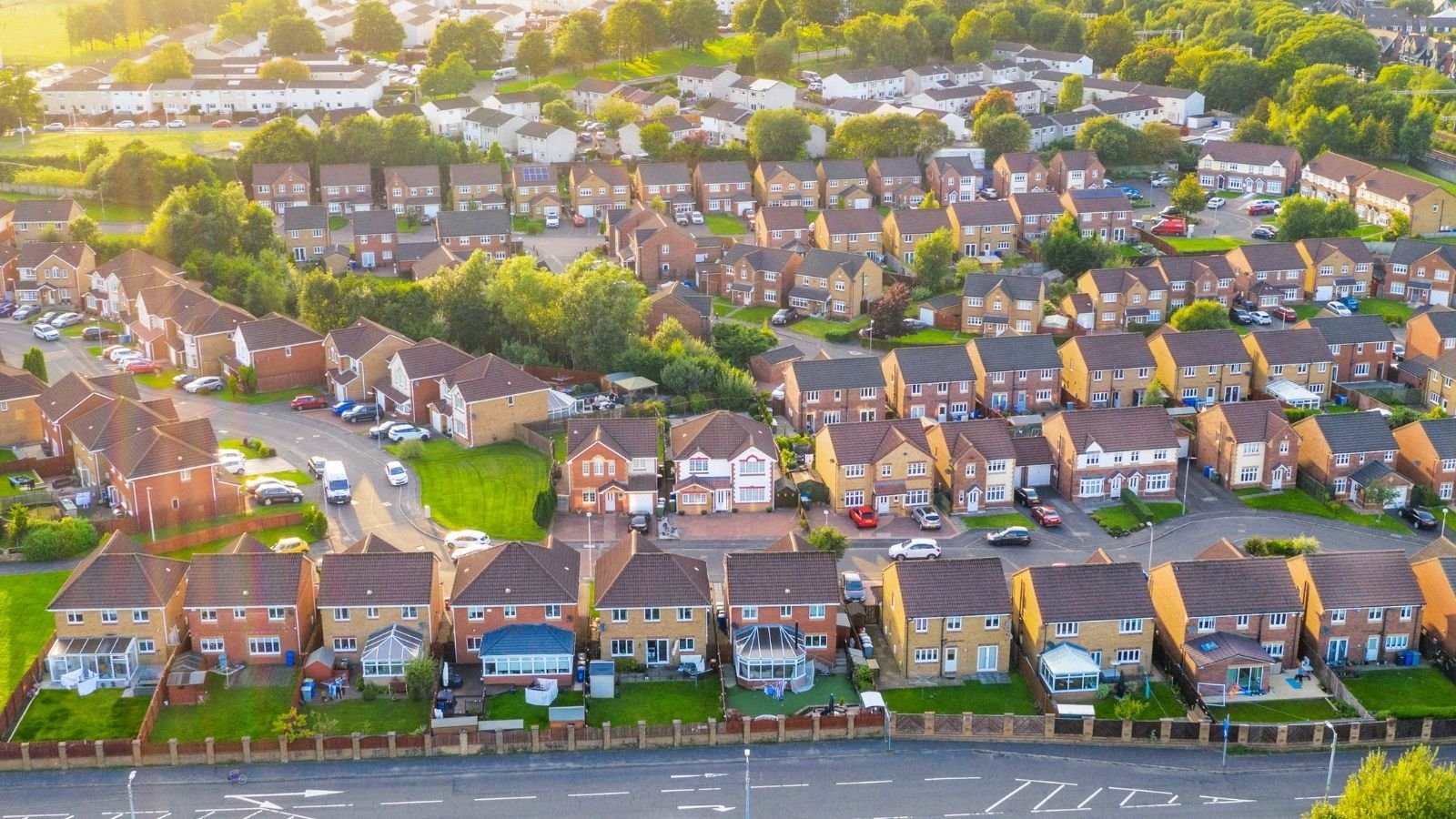
The UK housing market remains one of the most talked-about sectors of the British economy. Rising house prices, housing shortages, and affordability challenges continue to dominate headlines.
Understanding UK housing statistics in 2026 helps buyers, investors, and policymakers see the bigger picture behind property trends.
From property ownership rates to the number of homes built each year, housing data reveals how the market is evolving and what challenges lie ahead.
UK House Prices Continue to Rise
One of the most notable trends in UK housing statistics is the long-term increase in property prices. Over the past two decades, house prices across the UK have risen significantly, driven by strong demand and limited housing supply.
Average UK house prices now sit well above £280,000, although this varies widely by region. London remains the most expensive area, with average prices exceeding £500,000, while regions in the North and Midlands offer significantly more affordable options.
Despite occasional market slowdowns caused by economic uncertainty or interest rate increases, long-term housing data shows a consistent upward trend in property values.
Homeownership Rates in the UK
Homeownership remains a key aspiration for many British households. According to recent housing statistics, around 65% of UK households own their homes, either outright or with a mortgage.
However, this figure has declined slightly over the past two decades as property affordability has become a growing challenge. Younger buyers in particular face difficulties saving for deposits and securing mortgage approvals.
Many first-time buyers now rely on family assistance, government schemes, or shared ownership arrangements to enter the housing market.
Housing Supply and Construction Levels
Housing supply remains one of the biggest issues facing the UK property market. Experts widely agree that the UK has a housing shortage, with demand outpacing the number of homes being built.
Recent statistics show that around 200,000 to 230,000 homes are built in the UK each year, although housing experts estimate that at least 300,000 new homes annually are needed to meet demand.
Planning restrictions, construction costs, and labour shortages all contribute to the slower pace of housing development.
The Growth of the Private Rental Sector
The private rental sector has grown significantly in recent years. With property prices rising and mortgage lending becoming stricter, many people are renting for longer periods before buying a home.
Today, roughly 19% of UK households rent privately, while social housing accounts for around 17% of homes.
Rent levels have also increased in many areas due to strong demand and limited supply, particularly in major cities.
Housing Affordability Challenges
Affordability remains one of the biggest challenges highlighted by UK housing statistics. In many parts of the country, house prices are now eight to ten times the average salary, making it increasingly difficult for first-time buyers to enter the market.
Rising mortgage rates in recent years have also affected affordability by increasing monthly repayments for buyers.
Many households are now exploring alternative options such as shared ownership, longer mortgage terms, or relocating to more affordable regions.
Conclusion
UK housing statistics in 2026 reveal a market shaped by rising prices, limited housing supply, and changing ownership patterns. While homeownership remains a key goal for many households, affordability challenges continue to reshape the housing landscape.
Understanding these statistics provides valuable insight into the future of the UK property market and the challenges policymakers must address to create a more balanced housing system.