
The UK’s housing market is going through big changes in the next few years. Experts are watching key trends that will affect property investment and owning a home. These trends include changing house prices, regional differences, and how the economy and technology will impact the market.
This article looks at the main trends and forecasts for the UK property market in 2025. We’ll explore historical data, regional market trends, and government policies. This will help readers understand the opportunities and challenges ahead for investors, buyers, and real estate experts.

Key Takeaways
- Forecasts suggest continued growth in UK house prices, with regional variations in market performance
- Economic factors, such as interest rates and inflation, will play a crucial role in shaping property values
- Emerging trends in sustainable and smart home technology are transforming the housing landscape
- Government policies, including affordable housing initiatives, will impact the accessibility and affordability of the UK property market
- Demographic shifts, such as the rise of millennial and Gen Z homebuyers, are influencing housing preferences and demand
The Future of the UK Property Market:
Trends to Watch in 2025
The UK property market is changing, and experts are watching key trends for 2025. They include changing house prices and what buyers want. These years will be exciting for real estate.
Experts think house prices might grow slowly in the UK. They won’t go up as fast as before, but they will keep rising in many places. This is thanks to not enough homes, strong demand, and a stable economy.
But, not all areas will see the same trends. Some places might see prices slow down or even drop. How many homes are available and the local economy will affect house prices in different areas.
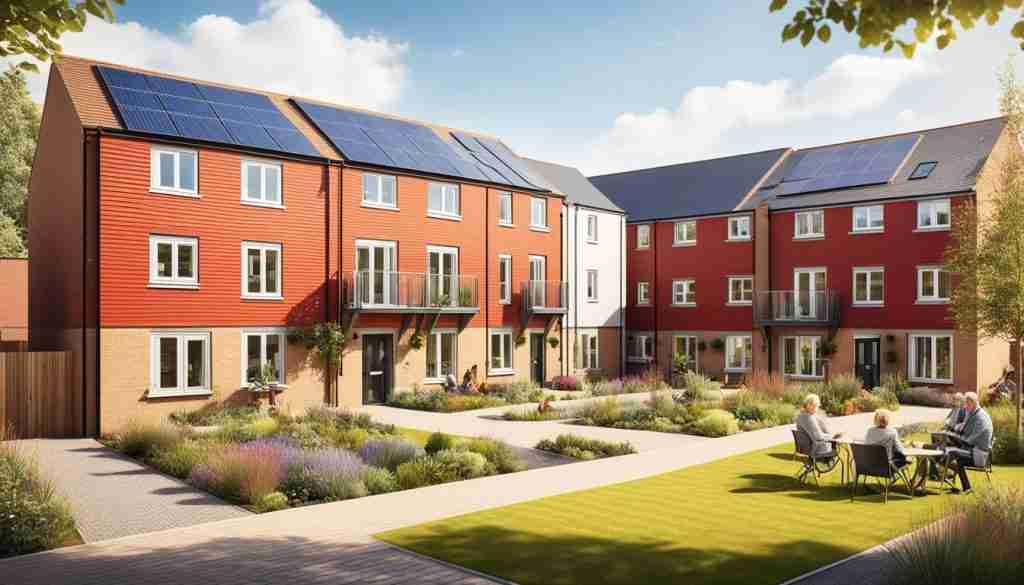
There’s a big focus on making homes more sustainable and energy-efficient. Buyers want homes that are good for the planet. This means more homes with smart tech and renewable energy solutions.
Changes in what buyers want are also important. With more people working from home, there’s a demand for bigger homes with space for work and outdoor areas. The ageing population and love for city living will also change what properties are wanted.
The UK property market is set for exciting changes in the next few years. Those who understand these trends will have a chance to make the most of them.
House Price Forecasts for the United Kingdom
The UK housing market has seen ups and downs over the years. Understanding past trends helps us predict future house prices. By looking at past data and regional differences, we can see where the UK property market might go.
Historical Trends and Data Analysis
Over the last ten years, UK house prices have gone up steadily. Some areas have grown more than others. The Office for National Statistics says the average house price went from £184,000 in 2010 to £256,000 in 2020. That’s a 39% increase.
Looking at the data, we see some key trends:
- House prices have generally gone up each year, except for a drop in 2008 due to the financial crisis.
- Places like London and the South East have seen bigger price increases. The North and Midlands have seen smaller increases.
- Interest rates, economic conditions, and government policies have all affected the market.
Regional Variations in Housing Markets
The UK housing market varies a lot by region. For example, London’s average house price is £500,000, way above the national average. But places like the North East and Wales have much lower prices.
| Region | Average House Price (2020) | Year-on-Year Change |
|---|---|---|
| London | £500,000 | 2.3% |
| South East | £350,000 | 3.8% |
| South West | £275,000 | 4.1% |
| North East | £150,000 | 1.9% |
| Wales | £180,000 | 3.5% |
These differences are due to various factors like local economies, job markets, and changes in population. These will keep affecting the UK housing market’s future.
Impact of Economic Factors on Property Values
The UK housing market is deeply affected by economic factors. These include interest rates, inflation, employment levels, and consumer confidence. These factors greatly influence buyer demand, mortgage affordability, and the housing market’s overall state.
The Bank of England changes interest rates to control inflation. This directly impacts how much it costs to borrow for a home. Higher rates make mortgages pricier, which could push some buyers out and reduce demand. Lower rates, however, can help by making homes more affordable and boosting confidence among buyers.
Inflation also affects property values significantly. Rising inflation means the pound buys less, making living costs go up. This makes saving for a down payment or getting a mortgage harder. As a result, the housing market might slow down, with house prices possibly staying still or dropping.
The employment market is crucial for the UK housing market. When jobs are plentiful and wages rise, more people can afford homes, pushing up property values. But economic downturns and job losses can make people less confident, leading to lower house prices and property values.
By keeping an eye on these economic factors, experts can forecast future house prices and trends in the property market. This is crucial for buyers, investors, and policymakers as they deal with the UK’s ever-changing real estate scene.

Emerging Housing Market Trends
The UK property market is changing fast, with new trends making their mark. These include a big push for sustainable and eco-friendly homes. There’s also a rise in smart home technologies.
Sustainable and Eco-Friendly Properties
The UK aims to hit net-zero carbon emissions by 2050. This goal has made sustainable property more popular. Buyers want eco-friendly homes with things like solar power, efficient appliances, and natural materials.
This desire is boosting green building certifications and sustainable building methods.
Smart Home Technology Integration
Smart home technology is big in the UK housing market now. People want homes with energy-efficient and intelligent systems. Think automated lights, climate control, and security.
This tech makes living easier and helps save energy too.
| Trend | Description | Key Drivers |
|---|---|---|
| Sustainable and Eco-Friendly Properties | Increasing demand for homes that incorporate renewable energy, energy-efficient features, and natural building materials | UK’s net-zero carbon emissions target, consumer awareness, and government incentives for green construction |
| Smart Home Technology Integration | Homeowners seeking properties with intelligent systems for energy management, security, and convenience | Advancements in technology, growing consumer preference for connected living, and the pursuit of energy efficiency |

“The future of the UK property market lies in the seamless integration of sustainable and intelligent features, catering to the evolving needs and preferences of homebuyers.”
The Role of Government Policies and Regulations
The UK housing market is changing fast. Government policies and regulations are key to its future. They aim to make homes affordable, encourage investment, and support sustainable growth.
Affordable Housing Initiatives
The UK government is focusing on affordable housing. It’s looking at planning reforms, tax policies, and subsidies. These efforts aim to help first-time house buyers and those on lower incomes.
- The government plans to build more affordable homes. This will increase the number of homes that are both accessible and affordable.
- Stamp duty land tax concessions and Help to Buy schemes help prospective homeowners buy homes.
- Incentives for sustainable and eco-friendly housing are being offered. This supports the UK’s environmental goals.
These initiatives aim to tackle the house prices uk predictions and uk house market predictions. They ensure the market is open to various property buyers.
“Affordable housing is not just a social responsibility, but an economic necessity in the UK. Policymakers must continue to prioritise innovative solutions to address the country’s housing challenges.”
The future of the UK property market depends on how government policies, regulations, and market forces interact. This will shape the uk house prices forecast and the overall real estate market in the uk.
Rental Market Dynamics and Investment Opportunities
The UK’s rental market has seen big changes in recent years. These changes bring both challenges and chances for landlords and investors. With housing prices going up, more people want to rent properties. This is because of changes in demographics, lifestyle, and laws.
Young renters, like millennials and Generation Z, are now a big part of the market. They can’t afford to buy homes, so they look for cheaper rental options. This makes finding a good rental harder, especially in places like London where prices are high.
| Key Rental Market Trends | Implications for Investors |
|---|---|
| Increased demand for rental properties Shift towards younger, long-term renters Rising rental yields in some regions Regulatory changes, such as the ban on tenant fees | Opportunities for buy-to-let investments Focus on properties catering to young professionals and families Potential for higher rental returns in certain areas Need to adapt to changing regulations and tenant preferences |
For property investors, the rental market has both ups and downs. There’s a chance for higher rental income in some areas, thanks to the ongoing demand for rentals. But, landlords must keep up with new laws, like the ban on tenant fees and stricter energy standards.
As the UK property market changes, it’s key for landlords and investors to stay updated on trends and opportunities. This will help them make the most of the market’s shifts in the future.

Demographic Shifts and Their Influence
The UK property market is changing a lot because of new demographics. Young people, like millennials and Gen Z, are now looking for homes. At the same time, more older people want places to live when they retire.
Millennial and Gen Z Homebuyers
Millennials were born between 1981 and 1996, and Gen Z after 1997. They’re now buying homes in big numbers. They want homes that are affordable, green, and close to city life. The average house price in the UK is currently £274,712, posing a significant challenge for first-time buyers, especially in London where the average price reaches £496,269.
To meet these young buyers’ needs, the property market is changing. It’s focusing on smaller, energy-saving homes with smart tech and good transport links. Developers are also looking at new ideas like co-living and shared ownership to help more people buy homes.
Ageing Population and Retirement Living
The UK is also getting older. By 2025, over 12.2 million people will be 65 or older, making up nearly a fifth of the population.
This means there’s a big need for places where older people can live well. Retirement communities and assisted living are becoming more common. They offer healthcare, social areas, and easy access for older adults.

As the UK’s property market changes, it’s important to know what both young and old buyers want. By understanding these needs, developers, investors, and policymakers can make sure the housing market meets everyone’s needs.
The Future of Urban Living and City Centres
The UK’s property market is changing fast, and so is the future of urban living. Mixed-use developments and regeneration projects are making city areas more vibrant. They’re changing how people live, work, and have fun. This change will deeply affect the property market, offering new chances and challenges for buyers, investors, and those who make policies.
Mixed-use developments are becoming more popular. They mix homes, shops, and leisure spots into one place. This appeals to millennials and young professionals who want city life. These places focus on being green, convenient, and balancing work and leisure.
Urban regeneration projects are also on the rise. They’re making old industrial sites and unused areas lively again. These projects are bringing new life to city centres, drawing in people and businesses. As they grow, they could change property values and make city living more sought after.
Homebuyers are choosing city living more and more. This will change the property market a lot. Things like house prices in uk graph, property value in london, and uk property market trends in 2025 will be key. Policymakers and planners will help shape these areas, making sure they work for everyone.
The future of urban living in the UK is complex and changing. The property market is adapting to new trends. Investors and buyers should keep up with the latest news in this fast-changing field.

| Trend | Impact on Property Market | Key Considerations |
|---|---|---|
| Rise of Mixed-Use Developments | Increased demand for urban living, potential rise in property values | Sustainability, work-life balance, appeal to millennials and young professionals |
| Urban Regeneration Projects | Revitalisation of city centres, potential impact on property values | Repurposing of underutilised spaces, attracting both residents and businesses |
| Shifting Homebuyer Preferences | Changing dynamics in the property market, focus on house prices in england and uk house prices 2025 | Role of policymakers and urban planners in guiding development |
International Investment and Foreign Buyers
The UK property market attracts international investors and foreign buyers. They are drawn by its political and economic stability and the chance for property value to increase. But, the UK’s exit from the European Union, known as Brexit, has made the future of real estate deals between countries uncertain.
Brexit’s Impact on Property Investment
Brexit will likely change how international investors and foreign buyers see the UK. Key factors to think about include:
- Currency fluctuations: The British pound’s value has changed a lot since the Brexit vote. This makes UK property more or less appealing to buyers from other countries, based on their currency.
- Regulatory changes: The Brexit deal might change rules for buying and investing in property for people not living in the UK. This could affect how much money comes from abroad.
- Economic uncertainty: Brexit could slow down the economy or change interest rates. This might make investors think twice before investing.
Even with these risks, the UK property market is still a top choice for international investors, especially in places like London. But, it’s hard to predict how Brexit will affect foreign investment in UK real estate over the long term.
| Indicator | 2020 | 2021 | 2022 | 2023 | 2024 | 2025 |
|---|---|---|---|---|---|---|
| UK House Prices (% change) | 3.5% | 2.8% | 1.9% | 2.3% | 2.6% | 2.8% |
| London House Prices (% change) | 1.2% | 1.6% | 1.4% | 1.9% | 2.1% | 2.3% |
| Overseas Investment in UK Property (£ billion) | 15.2 | 18.4 | 20.1 | 22.3 | 24.2 | 26.5 |
As the UK property market changes, it’s important to understand how international investment and foreign buyers affect it. The long-term effects of Brexit on these important parts of the UK’s real estate market are still unknown.

Mortgage Lending and Financing Trends
The UK property market is changing, and so is mortgage lending and financing. Interest rates and credit availability are key factors affecting how easy it is for people to buy homes. These changes affect everyone looking to own a property in the UK.
Interest rates are a big deal in the mortgage world. The Bank of England’s decisions change how much it costs to borrow money. Understanding mortgage rate forecasts is vital for buyers and investors.
Credit availability is also changing. Government schemes to help first-time buyers could make getting a mortgage easier. These changes could affect the whole housing market.
| Mortgage Lending Trend | Potential Impact |
|---|---|
| Rising Interest Rates | Increased monthly mortgage payments, potentially pricing out some buyers from the market |
| Tighter Credit Availability | Reduced access to financing, particularly for first-time and lower-income buyers |
| Government Initiatives | Improved affordability and accessibility for certain demographic groups, such as first-time buyers |
Keeping up with mortgage lending and financing trends is key for homebuyers and investors. It helps them understand the complex UK housing market.
The Rise of PropTech and Real Estate Technology
The UK property market is changing fast, thanks to PropTech and new real estate tech. These changes are making how we buy, sell, and manage properties different. Online platforms, virtual viewings, and data analytics are now key parts of the industry.
Online real estate platforms are becoming more popular. They make searching for and buying properties easier. Now, people can look at listings, compare prices, and even view properties online. This saves a lot of time and effort in finding the right property.
Smart home tech and virtual reality are also changing how we view properties. People can now see properties in 3D from anywhere, getting a real feel of the space. This makes looking at properties more personal and fun.
Data analytics are now crucial in the UK property market. Experts use them to understand market trends, predict prices, and find good investments. This helps buyers and sellers make better decisions in a changing market.
The PropTech revolution is set to bring more changes to the UK property market. By using these new technologies, the industry can improve the customer experience, be more transparent, and work more efficiently.
Sustainability and Environmental Concerns
Homebuyers and investors are now focusing more on the environment. They want sustainable and eco-friendly homes. This change is because people know the real estate sector affects climate change and saving resources.
Green Building Certifications
Green building certifications like BREEAM and the Energy Performance Certificate (EPC) are becoming popular in the UK. They check how green a property is. They reward those who use energy efficiently, support renewable energy, and choose sustainable materials.
Energy Efficiency and Renewable Energy
Now, energy efficiency is key for homebuyers. They look for better insulation, smart tech, and renewable energy like solar panels and heat pumps. This makes homes greener and cuts energy bills, making them a smart investment.
The UK government is pushing for better energy efficiency in homes with the Future Homes Standard and the Green Homes Grant. These efforts encourage eco-friendly building and help meet the goal of reducing emissions to zero.
“The integration of sustainability features in new developments and the retrofitting of existing properties are essential steps in creating a greener, more resilient UK property market.”
The UK property market is changing, with a big focus on being green and caring for the environment. This will influence building and investing, helping tackle climate change.

The Future of the London Property Market
London is at the heart of the UK’s property market, with exciting changes on the horizon. The house prices in London and property prices in London are expected to evolve. Several trends will influence the future of the London property market.
Affordability is a big issue, with property value in London growing faster than incomes. This means London house prices 2025 will likely stay high. The UK property market trends in 2025 hint at a slowdown, which could change who buys homes in London.
Remote work could help the London property market. More people working from home might make living outside London more attractive. This could ease the demand and prices in the London property market. The UK house prices 2025 forecasts suggest prices might not rise as much, offering hope for those looking for cheaper options.
There’s a growing interest in sustainable and eco-friendly properties. This shift towards green living could change what buyers want. Adding smart home technology could also attract tech-savvy buyers to London’s market.
The property market in the UK predictions suggest a big change is coming. London will balance affordability, sustainability, and the needs of its diverse people. The future of London’s property market is set to be both thrilling and challenging, with many factors influencing its path.
Conclusion
The future of the UK property market in 2025 is complex, influenced by many factors. Experts predict trends that will change house prices, demand, and investment chances. These changes will affect the real estate scene across the country.
Market analysis suggests UK house prices will vary by region. Some areas might see price growth, while others could see a drop. Mortgage lending, foreign investment, and affordable housing policies will be key in shaping the market.
New trends like sustainable and tech-driven housing will change how we live and invest. The rise of young homebuyers and an ageing population will also impact real estate. Understanding these trends is vital for making smart choices in the UK property market over the next few years.
FAQ
What are the key trends to watch in the UK property market in 2025?
In 2025, the UK property market will be shaped by economic conditions, government policies, and more. These factors will affect house prices, demand, and investment chances across the country.
How are regional variations in housing markets expected to impact the UK property sector?
The UK’s housing markets vary by region. These differences will continue, influenced by local economies, demographics, and policies. This will affect house prices and investment chances in various areas.
What is the forecast for UK house prices in the next five years?
Predicting UK house prices is complex, due to many economic and political factors. Experts think prices will keep rising but at a slower rate than before. There could be big differences in price changes across regions.
How are emerging trends in sustainable and eco-friendly properties expected to shape the UK housing market?
More people want sustainable and energy-efficient homes. This trend is making builders focus on green features and certifications. It’s changing how we build and invest in properties.
What role will government policies and regulations play in the UK housing market?
Government actions, like affordable housing plans and tax policies, will greatly affect the UK property market. These efforts can change supply, affordability, and investment chances, shaping the sector’s future.
How are demographic shifts, such as the rise of younger homebuyers and an ageing population, expected to affect the UK housing market?
Changes in population, like more young buyers and older people, will shape the UK housing market. Young buyers might look for affordable homes near cities. Older people could increase demand for retirement homes and easy-to-access properties.
What role will international investment and foreign buyers play in the UK property market?
International buyers and investors have long been part of the UK property market. But Brexit’s effects on real estate deals and investor views are still unclear. Experts will watch how global money flows affect the UK housing market.
How are emerging technologies and PropTech (property technology) expected to transform the UK real estate industry?
PropTech and digital innovations are changing how we buy, sell, and manage properties in the UK. Online platforms, virtual tours, and data analytics are making real estate more digital. This opens up new chances for buyers, sellers, and investors.
What is the outlook for the London property market in 2025?
London’s property market in 2025 will be shaped by many factors, including affordability and the shift to remote work. While London is a top market, it faces unique challenges and chances compared to other UK regions.