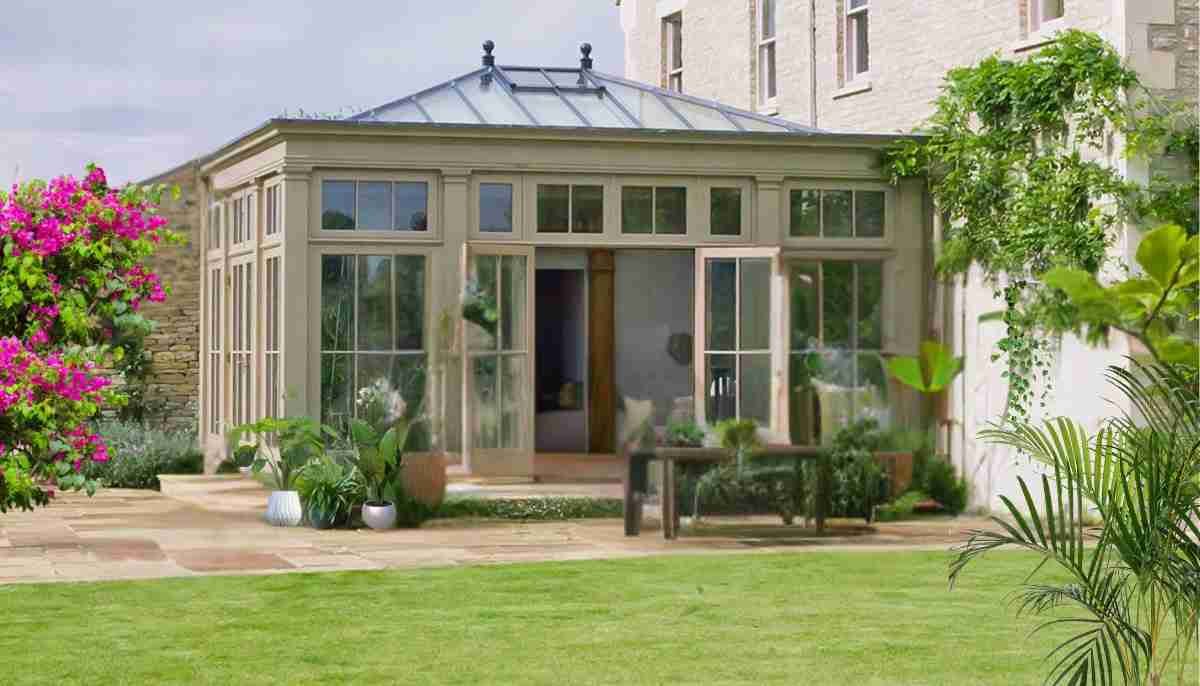
Did you know an orangery can boost a home’s value by up to £30,000? These stylish garden extensions are now a top choice for UK homeowners. But what makes an orangery different from a conservatory or greenhouse?
An orangery mixes indoor comfort with the beauty of the outdoors. It looks like a mini greenhouse but has large windows and a solid build. Unlike conservatories and greenhouses, it has a unique design.
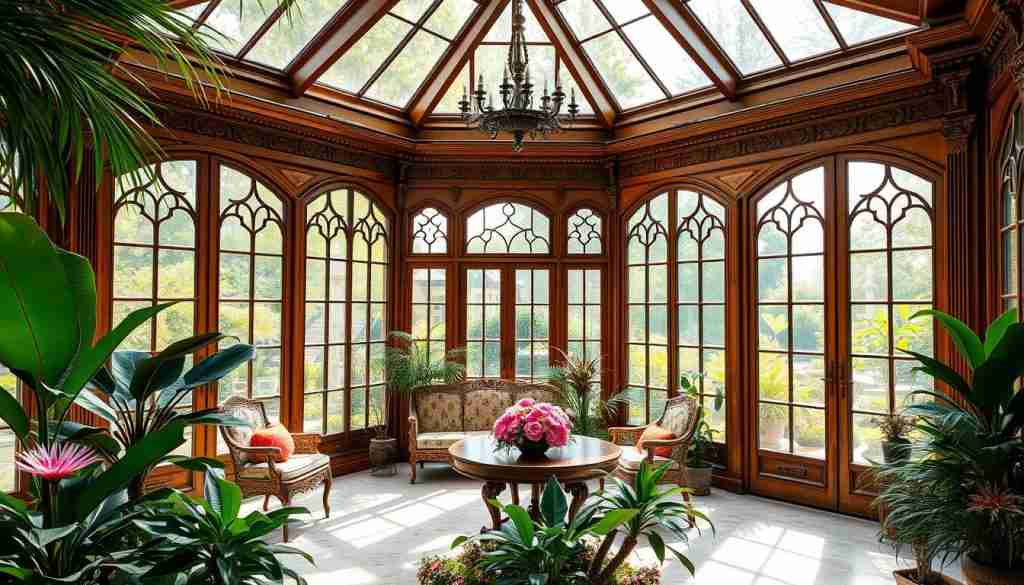
Key Takeaways
- An orangery is a luxurious garden room extension that combines indoor comfort with outdoor charm
- Orangeries feature a unique architectural design, with large windows, a solid brick or stone construction, and a flat or pitched roof
- Orangeries differ from conservatories and greenhouses in their heavier, more permanent construction and distinctive aesthetic
- Orangeries can add significant value to a home, with estimates of up to £30,000 in added value
- Orangeries are becoming increasingly popular among discerning homeowners in the United Kingdom
Defining an Orangery
An orangery is a special type of structure with a glass roof, often considered an advanced form of a glass house. It’s made to grow and show off citrus fruits like oranges, lemons, and limes. Unlike greenhouses, which focus on growing many types of plants, an orangery is a luxury garden room. It mixes growing plants with beautiful design.
Orangery vs Conservatory
At first glance, an orangery and a conservatory might look similar. But they are quite different. A conservatory can house many types of plants, from tropical to exotic. An orangery, however, is made just for citrus plants. It has thick walls, large glazed windows, and a tall glass roof, perfect for these plants.
Orangery vs Greenhouse
An orangery and a greenhouse have different aims and looks. A greenhouse is all about growing plants, with a simple design. An orangery, though, is both beautiful and functional, often featuring a brick wall, fancy facades, chimneys, and detailed glazing.
To sum up, an orangery is a special garden feature. It’s where citrus fruits grow in style and luxury. It’s different from both conservatories and greenhouses.
An orangery is a special type of garden room or conservatory. It was originally used to grow citrus fruits like oranges, lemons, and limes. These elegant structures came from 17th-century Europe. They were made to protect delicate Mediterranean plants in cooler climates.
It’s different from a greenhouse, which focuses mainly on growing plants. An orangery is a space that mixes plant growing with beautiful design. It has big windows, high ceilings, and a solid roof, often of brick or stone. This creates a bright and mild indoor area for many uses, like entertaining or relaxing.
What makes an orangery stand out are its luxurious design, large windows, and connection to the garden. These features make it a popular choice for luxury homes and estates. It offers a perfect mix of indoor and outdoor living.
| Feature | Orangery | Conservatory | Greenhouse |
|---|---|---|---|
| Primary Function | Multifunctional space for entertainment and relaxation | Temperature-controlled space for plant cultivation | Dedicated space for plant cultivation |
| Construction | Solid roof, often brick or stone, with large windows | Glass or polycarbonate roof and walls | Glass or polycarbonate walls and roof |
| Thermal Efficiency | Moderate to high | Moderate to high | Low to moderate |
| Architectural Style | Elegant, with a focus on design | Practical, with a focus on functionality | Practical, with a focus on functionality |
Understanding what makes an orangery special helps homeowners and designers see its worth. It’s a timeless choice for adding to a garden.
The History of Orangeries
The history of orangeries goes back to the 17th and 18th centuries in Europe. These elegant rooms started as places to keep citrus trees safe. Now, they are sought-after features that connect indoor and outdoor living beautifully.
Origins and Evolution
During the Renaissance, rich people in Italy and France grew exotic citrus fruits. They built orangeries to protect these plants from cold winters. These early orangeries were often part of exotic private gardens, showcasing beautiful, exotic flora that reflected the status and wealth of their owners. These early orangeries had glass walls that let in sunlight but kept out the cold.
Orangeries became more popular and changed over time. By the 17th and 18th centuries, they were more decorative. They featured domed roofs, fancy columns, and detailed masonry. Orangeries turned from simple greenhouses to fancy parts of the manor house. They became places for the rich to relax and entertain. “Orangeries were a status symbol, demonstrating the wealth and horticultural expertise of their owners.” Today, the orangery history lives on, but orangeries have changed. They now mix old designs with new materials and tech. This creates bright spaces that feel like being indoors and outdoors at the same time.
Orangery Construction
Building an orangery is a detailed process that mixes old skills with new materials. These beautiful garden rooms fit well into their garden setting. They add a lovely and eye-catching feature to any home. Some orangeries were integrated into the existing garden wall, reflecting a historical connection between garden design and architectural elements.
The orangery starts with a strong, even base. This is usually concrete or a strong timber frame. It makes sure the structure stays stable and can hold everything inside.
The walls are built with brick, stone, or top-quality timber. This makes sure they are strong and look great.
Orangeries are known for their big windows that let in lots of natural light. These windows use the best glass. They might have special glazing or tinted panes to control the sunlight.
| Key Construction Elements | Description |
|---|---|
| Foundation | Solid, level base, often made of concrete or timber |
| Walls | Brick, stone, or high-quality timber |
| Windows | Large, expansive, premium-grade glass |
| Roof | Traditionally a pitched roof with slate or tile, or a flat roof with a glass lantern |
| Heating and Ventilation | Integrated heating and ventilation systems to maintain a comfortable environment |
The roof is a standout feature. Traditional ones have a sloping roof with slate or tile. Modern ones might have a flat roof with a glass lantern or skylight. The aim is to make a bright, cozy space for all seasons.
Heating and ventilation systems are also key. They keep the space comfy and well-ventilated all year. Experts work together to make sure the orangery is both beautiful and practical.
Building an orangery is a careful and thoughtful job. It combines old skills with new materials for a beautiful and useful addition to any garden. Knowing about the construction helps homeowners plan their own garden room projects.
Orangery Design
Creating a beautiful orangery is all about the design. It’s what turns it into a stunning architectural feature. The choice ofarchitectural styles and materials and features makes it elegant and useful. Every detail adds to its charm and function.
Architectural Styles with Large Glazed Windows
Orangeries have changed over time, showing off different styles. They add character and beauty to any garden. Homeowners can pick from classic Georgian to modern styles, making it easy to match their taste and garden.
- Georgian Orangeries: Known for their symmetry and detailed designs, they look timeless.
- Victorian Orangeries: With their beautiful metalwork and large size, they feel grand.
- Modern Orangeries: They have clean lines and big windows, giving a modern look.
Glazed Roof, Materials, and Features
Choosing the right materials and features is key. It makes the space unique and useful. From the roof to the heating, every part is thought out to improve the design and how it feels.
| Material | Features |
|---|---|
| Timber Frames | They look classic and keep the inside warm. |
| Aluminium Frames | They have a modern look and last a long time. |
| Glass Roofing | It lets in lots of light and connects indoors with outdoors. |
| Underfloor Heating | It keeps the space warm all year and saves energy. |
By picking the right orangery architectural styles and materials and features, homeowners can make a space that’s both unique and practical. It combines their style with the classic beauty of an orangery.
Benefits of an Orangery
Installing an orangery brings many benefits to your home. It’s not just about looks; it also adds practical value. These additions can make your living space better in many ways.
Increased Living Space
An orangery is a great way to add more room to your home. It can be used for dining, relaxing, or even working from home. This extra space can make your home more useful and increase its value.
Improved Insulation, Underfloor Heating, and Thermal Efficiency
Orangeries are built to keep your home comfortable all year round. Historically, many orangeries had wooden shutters to enhance their insulation properties and retain warmth. They use special glazing and insulation to control the temperature. This means you’ll use less energy and stay cozy, whether it’s hot or cold outside.
Enjoy the Outdoors in Comfort with Natural Light
- An orangery lets you enjoy the outdoors safely. It’s perfect for relaxing, having guests over, or tending to plants.
- Being close to nature can also boost your mood. It helps you feel calm and refreshed.
| Material | Features |
|---|---|
| Timber Frames | They look classic and keep the inside warm. |
| Aluminium Frames | They have a modern look and last a long time. |
| Glass Roofing | It lets in lots of light and connects indoors with outdoors. |
| Underfloor Heating | It keeps the space warm all year and saves energy. |
Thinking about the orangery advantages can help you decide if it’s right for you. It’s important to consider how it fits with your lifestyle, budget, and future plans for your home.
Orangery Cost
The cost of building an orangery can change a lot. It depends on several things. It’s important for homeowners and developers to know these factors when planning their budgets.
Factors Affecting Orangery Cost
The size of the orangery is a big factor in cost. Bigger ones need more materials and work, so they cost more. Using very heavy solid brick for the walls can significantly increase the cost due to its superior insulation properties and durability. The type of materials used also matters. Hardwood frames are usually pricier than aluminium or uPVC ones.
Where the property is located also affects the price. Orangeries in places with high costs for labour and materials, like London and the South East, are pricier. The need for planning permission and how complex the installation is can also change the final cost.
| Factor | Impact on Orangery Cost |
|---|---|
| Size | Larger orangeries cost more due to increased material and labour requirements. |
| Construction Materials | Traditional hardwood frames are typically more expensive than aluminium or uPVC. |
| Location | Orangeries in high-cost areas like London and the South East are more expensive. |
| Planning Permission | Complex planning requirements can add to the overall cost of the project. |
| Installation Complexity | Challenging or intricate installations may incur additional labour costs. |
Knowing these main factors helps homeowners and developers plan their budgets better. They can make better choices when thinking about adding an orangery to their property.
Maintenance and Care
Looking after an orangery needs careful attention. It’s important to keep it clean and check it regularly. This ensures your structure stays beautiful and works well for a long time.
Keeping your orangery in great shape involves several key tasks. These steps help your garden spot stay lovely and last longer. Here are the main things to do:
- Glass Cleaning: Clean the glass often to stop dirt and grime from building up.
- Ventilation Inspection: Make sure your orangery’s vents and windows work right for good air flow.
- Structural Checks: Look for any damage on the foundation, walls, and roof. Fix any problems quickly.
- Sealant Maintenance: Check and reapply sealants around doors and windows to keep the weather out and air in.
- Heating and Cooling System Servicing: Have your heating and cooling systems checked regularly to keep them running well.
By looking after your orangery with these steps, you can enjoy it for many years. It keeps its beauty and works well for your family and friends.
“The true beauty of an orangery lies in its timeless elegance and the ability to thrive through dedicated care and attention.”
Looking after your orangery well protects your investment. It also keeps your garden peaceful and inspiring every year.
Orangery Meaning
The term “orangery” means a special kind of garden room that was popular in the 17th and 18th centuries. It comes from the French word “orangerie.” Originally, an orangery was a place to keep citrus trees, like orange trees, safe from the cold. These buildings were designed to keep the plants warm and healthy during the cold months.
Terminology and Definitions
Orangeries have their own set of interesting terms and features. Here are some important definitions:
- Orangery – A glazed structure, usually linked to a main building, for growing and showing citrus trees and exotic plants.
- Conservatory – A glass-enclosed area attached to a building, for growing and showing plants, mainly for decoration.
- Greenhouse – A transparent structure, made of glass or plastic, for growing plants, often for business or food.
- Atrium – A central open area in a building, often with a glass roof, as a main feature and source of natural light.
- Folly – An ornamental building or structure, made for a special purpose, but mainly for looks.
These terms and definitions show how orangeries are different from other garden structures and buildings.
Orangery Advantages
Investing in an orangery can greatly benefit UK homeowners. It can boost your home’s value and offer a flexible living area. This makes it a top choice for home improvements.
An orangery can significantly increase your property’s value. It adds elegance and functionality, making your home more appealing. This is a smart move for the future.
It also lets you expand your living space. You can easily move from indoors to outdoors. Use it as a bright dining area, a cosy lounge, or a quiet workspace.
Unlike conservatories, orangeries are well-insulated and heated for all-year use. So, you can enjoy the outdoors, even in the cold months, without losing comfort.
- Increased property value
- Expanded living space
- Year-round usability
- Seamless indoor-outdoor integration
- Elegant and versatile design
Looking to improve your home’s look, create a welcoming space, or connect with nature? An orangery is a great choice. It’s a smart and valuable investment.
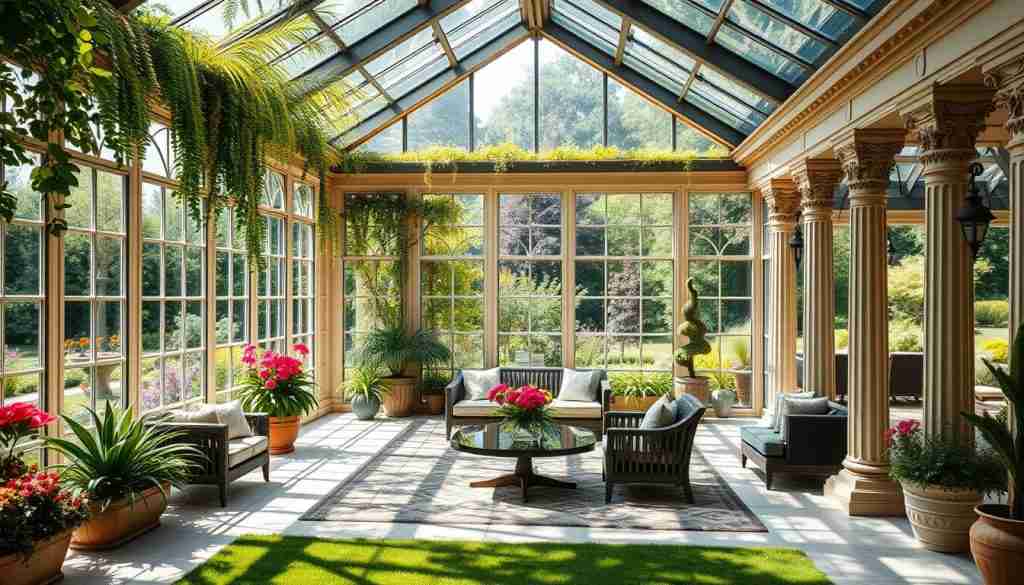
Planning an Orangery
Installing an orangery requires careful planning and the right permits. You need to think about several factors for a successful project.
Orangery Considerations
Before starting your orangery project, consider these important points:
- Zoning and planning regulations: Make sure your construction meets local rules and building codes.
- Site assessment: Check the space, access, and any obstacles to find the best spot and size for your orangery.
- Architectural style: Match the orangery’s look with your property’s style for a nice addition.
- Consider incorporating a roof lantern to enhance natural lighting and aesthetic appeal.
- Functionality: Think about how you’ll use the orangery, like for living, dining, or plants, to plan its layout and features.
- Heating and ventilation: Add systems for good climate control to keep it comfy all year.
Orangery Permits
Getting the right permits is key in planning. You might need different approvals based on where you live and the project’s size:
- Planning permission: Get approval from your local planning authority to make sure your orangery fits the rules.
- Building regulations: Follow the building codes and safety standards set by your local council or government.
- Listed building consent: If your property is listed, you’ll need extra permissions from heritage groups.
- Tree preservation orders: If your orangery might affect protected trees, you’ll need the right permissions.
Thinking about these factors and getting the needed permits will help make your orangery project go smoothly.
| Orangery Consideration | Description |
|---|---|
| Zoning and planning regulations | Ensure compliance with local authority guidelines and building regulations |
| Site assessment | Evaluate the existing space, access, and potential obstacles |
| Architectural style | Harmonise the orangery’s design with the overall property aesthetic |
| Functionality | Consider the intended use of the orangery to inform the layout and features |
| Heating and ventilation | Incorporate efficient climate control systems |
Orangery Trends
The orangery is changing fast in the world of garden room extensions. Homeowners want to mix indoor and outdoor living smoothly. The latest trends in orangery design are changing how we see these beautiful structures. They offer many options for creating the perfect garden oasis.
Embracing Modernity
Traditional orangeries are out. Modern orangeries often feature innovative orangery roof designs that blend traditional aesthetics with contemporary functionality. Now, people prefer a modern look with clean lines and lots of natural light. Big windows and sliding doors are popular, making the inside and outside feel connected.
Sustainable Solutions
Homeowners care about the environment when choosing orangery designs. They pick eco-friendly materials like reclaimed wood and recycled glass. These choices help the planet and make the orangery last longer and save energy.
Multifunctional Spaces
Orangeries are more than just extra rooms now. They can be used for work, yoga, dining, or entertaining. They’re designed to fit the homeowner’s lifestyle perfectly.
| Orangery Trend | Description |
|---|---|
| Minimalist Design | Sleek, contemporary lines with a focus on maximising natural light |
| Sustainable Materials | Eco-friendly options like reclaimed timber and energy-efficient glazing |
| Multifunctional Spaces | Orangeries designed as flexible areas for work, leisure, and entertainment |
| Integrated Technology | Smart home features, automated controls, and integrated lighting systems |
| Outdoor Connectivity | Seamless transitions between the orangery and the surrounding garden |
The future of orangery trends will bring more innovative solutions. They will help homeowners improve their living spaces and enjoy the outdoors more.
Hiring an Orangery Specialist
Finding the right specialist for your orangery is key to a great project. Whether you need a top-notch contractor or a talented designer, the right person can change everything. They’ll help bring your dream to life and make the building process smooth.
To find an orangery specialist, follow these steps:
- Research and Compare: Look around and find orangery specialists with lots of experience. Check their work, what others say about them, and their skills. This will help you pick the best one for you.
- Assess Expertise: Make sure the orangery specialist knows their stuff about designing, building, and putting in orangeries. They should have deep knowledge of what makes these projects special.
- Prioritise Communication: Good talking is vital with an orangery specialist. Make sure they listen to what you want, give clear advice, and keep you updated as they work.
- Consider Licensing and Credentials: Check the orangery specialist has the right licenses, insurance, and follows all the rules. This keeps you safe and your project on track.
- Discuss Timeline and Budget: Talk with the orangery specialist about when they can finish and how much it will cost. Make sure you both agree on the budget and any extra costs that might pop up.
By doing these things, you’re more likely to have a successful orangery project. You’ll work with someone who understands your vision and makes the process easy.
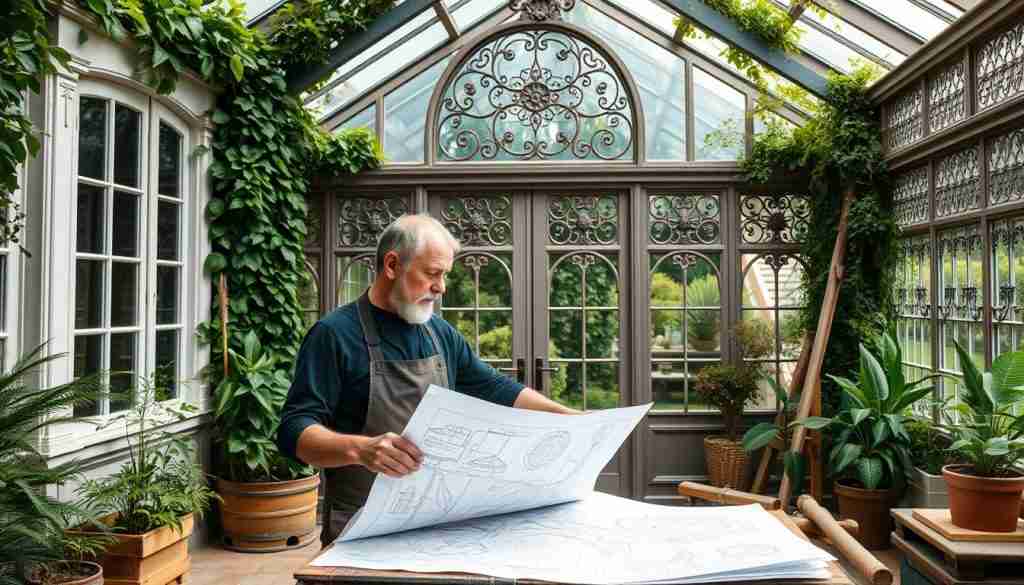
Choosing the Right Orangery
Choosing the perfect orangery for your home might seem hard. But, by focusing on key points, you can easily find one that fits your property and lifestyle. The right orangery can make your living space better, giving you a peaceful place to relax or a spot to entertain guests.
Start by looking at the size and layout of where you want the orangery. Orangeries vary in size, from small nooks to big extensions. Think about how you’ll use the space – for dining, sunbathing, or as a multi-use area. It’s important to get the right mix of looks and practicality.
Traditional Look
Looks matter too when picking an orangery. They can match many architectural styles, from classic Georgian to modern minimalist. Make sure the style you choose goes well with your home, making it look good together.
The materials you pick can change how the orangery looks and feels. Traditional choices like timber or painted wood give a warm, classic look. Modern options like aluminium or steel offer a sleek, modern style. Think about what you prefer and what suits your needs best.
How useful the orangery is also important. Think about what you need, like temperature control, good lighting, or extra storage. Choose a design that includes these features well, making sure your new space is both nice to look at and useful.
By carefully thinking about what you want and need, you can pick the right orangery. It will become a valued part of your home for many years.
| Consideration | Factors to Evaluate |
|---|---|
| Size and Layout | Dimensions of the desired location Intended use of the space (e.g., dining, sunroom, living area) Balancing form and function |
| Aesthetics | Architectural style (e.g., Georgian, contemporary) Harmony with the existing features of the home |
| Materials | Traditional options (e.g., timber, painted wood) Modern alternatives (e.g., aluminium, steel) Pros and cons of each material |
| Functionality | Temperature control requirements Lighting needs Additional storage requirements |
Conclusion
In this article, we’ve looked into the world of what is an orangery. We’ve covered its definition, how it differs from a conservatory and a greenhouse. Explored the history and changes of these beautiful garden rooms.
We talked about the construction and design of an orangery. We also looked at the cost and maintenance aspects. This gives a full view of the advantages and flexibility of an orangery. The terminology and definitions section helped clarify the details of this architectural feature.
We discussed the planning and hiring steps for orangeries. We also touched on the latest trends in this area. Now, readers can make a well-informed choice about adding an orangery to their home. We aim to have given you the knowledge and ideas to see how an orangery can improve your living space.
FAQ
What is an orangery?
An orangery is a special garden room that mixes indoor comfort with outdoor beauty. It’s different from a conservatory or greenhouse. It’s a unique, elegant space for relaxing, entertaining, and enjoying the outdoors.
How does an orangery differ from a conservatory?
Orangeries and conservatories have different designs and builds. Orangeries have a solid base, big windows, and a partly glazed roof. They’re bigger and better insulated, making them good for all year.
Conservatories are mostly glass and are for plants, focusing on temperature and humidity.
What is the difference between an orangery and a greenhouse?
Orangeries and greenhouses serve different purposes. Greenhouses are for growing plants, controlling temperature and humidity. Orangeries are for people, focusing on looks and comfort.
How are orangeries constructed?
Orangeries use brick, stone, and glass. The solid base gives strength and keeps warmth in. Big windows and a partly glazed roof let in lots of natural light and connect you to nature.
The exact build depends on the style and look you want for your orangery.
What are the key features of an orangery?
Orangeries stand out with their design, like a solid base, big windows, and a partly glazed roof. They might have fancy details like ornate cornices, columns, or balustrades. These features make them look unique and elegant.
What are the benefits of having an orangery?
Orangeries add more living space, keep warmth in, and let you enjoy the outdoors comfortably. They can also make your home more valuable and offer a versatile space for many activities.
How much does an orangery cost?
Orangery prices vary a lot, based on size, materials, location, and design complexity. They can cost from £20,000 for a basic one to £50,000 or more for a fancy design. The exact price depends on your project and what you want.
What are the maintenance requirements for an orangery?
Orangeries need regular upkeep to stay in good shape and look great. This includes cleaning windows, checking for damage, and keeping the heating and ventilation systems working well. The upkeep needs will vary based on the orangery’s materials, design, and your local climate.
What is the meaning and history of orangeries?
The word “orangery” comes from the old practice of growing oranges in glass houses in the 17th and 18th centuries. Wealthy people built them to grow exotic plants. Over time, they became stylish garden rooms that connect you to the outdoors and offer a luxurious space to relax.