
In the UK property market, a good survey can save you from wrecking your finances or ending up with a lemon of a house. If you’ve just found “the one” but you’re not sure what surveys you actually need, you’re not alone. Let’s cut through the jargon and map out what to check before you sign on the dotted line.
What surveys do you actually need before buying a home?
Buying a home isn’t just about the price tag. The right survey protects your money, your sleep, and your sanity. Here’s a practical guide to the surveys that matter, why they matter, and when to pull the trigger on each one.
The basic assessment: Homebuyer report vs. full building survey
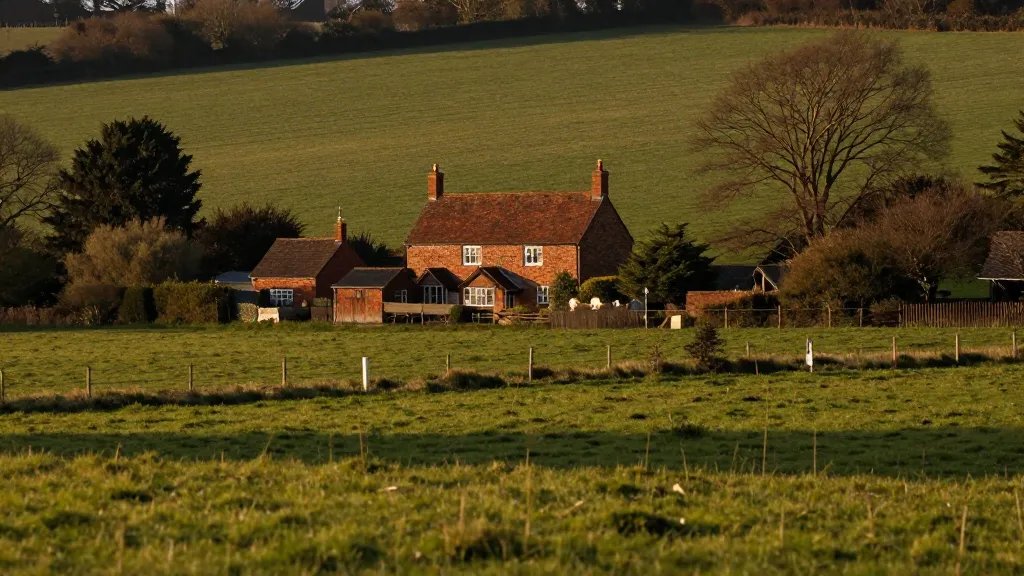
Two surveys sit at the core of most UK house purchases:
- Homebuyer Report (HBR): a middle-ground option. It checks structural health, visible damp, and includes insurance valuations and a summary of repair costs. It’s faster and cheaper than a full survey but still gives you solid information to negotiate with.
- Building Survey (often called a full structural survey): the comprehensive, nitty-gritty option. It looks for defects that aren’t obvious, including timber issues, damp maps, drainage, and potential long-term problems. It’s pricier, but you’ll know exactly what you’re buying and what it’ll cost to fix.
FYI: If the property looks like it’s fallen on hard times or you’re buying an older home, a Building Survey can save you from nasty surprises. If the place is fairly new or well-maintained, an HBR might be perfectly adequate.
When to choose a survey: timing and negotiation leverage
Timing matters. Don’t wait until you’ve exchanged contracts to pull the trigger on a survey. Get it done during the conveyancing stage so you’ve got leverage during negotiations.
- Early in the process: you’ll know if the deal is worth chasing or if you should walk away.
- Before you make an offer: some buyers use survey results as a negotiation tool to trim the price or request repairs.
- Before you decide to drop the cash: you’ll avoid the double-guessing afterwards.
Remember: you’re not just paying for a report—you’re buying information that could save thousands. Cute, right?
Specialty surveys to consider for quirky properties

Every home has its quirks. If your potential dream home has unusual features, a few extra checks might keep you out of trouble.
Flat or leasehold concerns
In leasehold properties, you’ll want to verify service charges, ground rent, and lease length. Some leases have onerous terms that bite you later. A professional can flag issues you might miss, like poor management company behavior or short lease extensions that require pricey negotiations.
Characterful or period homes
Older properties may hide cosmetic charm with structural headaches. Look for:
- Timber framing and wood-boring pests
- Cracked or bowing walls that signal subsidence
- Historic damp patterns or poor ventilation
In these cases, a Building Survey is often the smart move. It tells you what’s cosmetic and what’s costly to fix.
New builds and snagging
New-builds aren’t always perfect. A specialist snagging survey checks for unfinished work, poor finishes, and omitted fixtures. It’s not just pedantry—it can save you weeks of drama and align with your warranty rights.
Do you need extra surveys for specific issues?
Sometimes, the plot thickens. Here are extra checks you might consider depending on the house and area.
Damp and mould checks
If you notice mould or a musty smell, a damp survey can quantify moisture levels and identify ventilation or condensation problems. Early detection = cheaper fixes later, and less nasty mould growth in your future home.
Electrical and gas safety
Home surveys aren’t a substitute for a professional electrician or gas safety check. You’ll want:
- A Electrical Installation Condition Report (EICR) for safety standards and recommended fixes
- A Gas safety check if there’s gas in the property
These aren’t optional. They’re essential for safety and for avoiding expensive retrofits later.
Roof and plumbing issues
If the roof looks worn or there are signs of leakage, or if the plumbing seems dodgy, you’ll want a specialist roof and plumbing inspection. It’s amazing how often a small leak turns into a big, soggy problem down the line.
How to pick the right surveyor and read a report

Choosing a surveyor is like dating—a bit of chemistry matters. Here’s how to get it right.
Who to hire
Pick a chartered surveyor or a member of a recognized body. You want someone who speaks plainly, isn’t trying to upsell, and has a track record with your type of property.
What to ask them
- What type of survey do you recommend for this property and why?
- What are the main repairs and approximate costs?
- How long will the report take, and can you be on-site before my deadline?
- Are there any red flags that would cancel the deal?
Reading the report is the next skill you’ll want. Look for the obvious risks (like structural cracks) and the long-term implications (like rising maintenance costs). If it reads like a novel in arcane jargon, ask for clarity. You’ll thank yourself later.
Interpreting the numbers: what costs to expect
Surveys aren’t a single price tag. They come with a price range—and some optional extras. Here’s the quick cheat sheet.
- Homebuyer Report: typically a few hundred to a couple of thousand pounds, depending on the property size and location.
- Building Survey: usually more expensive, often in the range of several hundred to a few thousand pounds.
- Specialist surveys (damp, electrical, roof): extra on top, but worth it if issues are suspected.
Remember: you’re not just paying for a document; you’re paying for actionable insights. If a report saves you a costly fix or a failed sale, it’s money well spent. IMO, the best money you’ll spend in the process.
FAQ
Do I really need a survey if the property is cheap?
Yes. Even a low price doesn’t guarantee a good deal. A survey can reveal hidden defects that would otherwise drain your budget after you move in. Cheap homes can be money pits if you don’t check first.
Can I negotiate the survey cost into the price?
Often, yes. Some buyers use the survey results to negotiate repairs or price reductions. It depends on how strong the report is and how motivated the seller is to close.
What happens if the survey uncovers serious issues?
You have options: renegotiate, ask for a price drop, request repairs, or walk away. If you’re in a chain, timing becomes tricky, but you’ll have a clear decision path instead of guessing in the dark.
How long does a survey take?
Most surveys take a few hours on-site, with a report delivered within a week or two. If you’re on a tight deadline, flag this up with your surveyor early so you don’t miss your cooling-off or exchange deadlines.
Do I need different surveys for freehold vs leasehold?
Leasehold properties can have extra complexities like ground rent, service charges, and lease length. A surveyor can tailor the assessment to flag lease-specific risks and negotiation points.
Conclusion
Bottom line: surveys aren’t optional accessories; they’re the safety net between you and buyer’s remorse. Start with a Homebuyer Report or a Building Survey depending on the property’s age, condition, and quirks. Add specialist checks if you spot red flags, and don’t skimp on safety checks for electrical, gas, and damp issues. Do it early, do it thoroughly, and you’ll go from “maybe” to “sold” with confidence. FYI, you’ll sleep a lot easier knowing you’re not buying a money pit. Good luck, future homeowner—you’ve got this.