When purchasing a home, one of the crucial steps is to conduct a survey to assess the property’s condition.
This is not just a formality but a vital process that can reveal potential issues and save you from unexpected costs down the line.
It provides invaluable insights into the property’s structural integrity and systems, ensuring that you are investing in a sound asset.
The question arises: Who organises a survey when buying a house?
This article delves into the intricacies of home surveys, providing a comprehensive understanding of the roles and responsibilities involved.
By understanding these roles, you can better navigate the process and ensure that every step is taken to protect your investment.
Understanding Home Surveys
What Is a Home Survey?
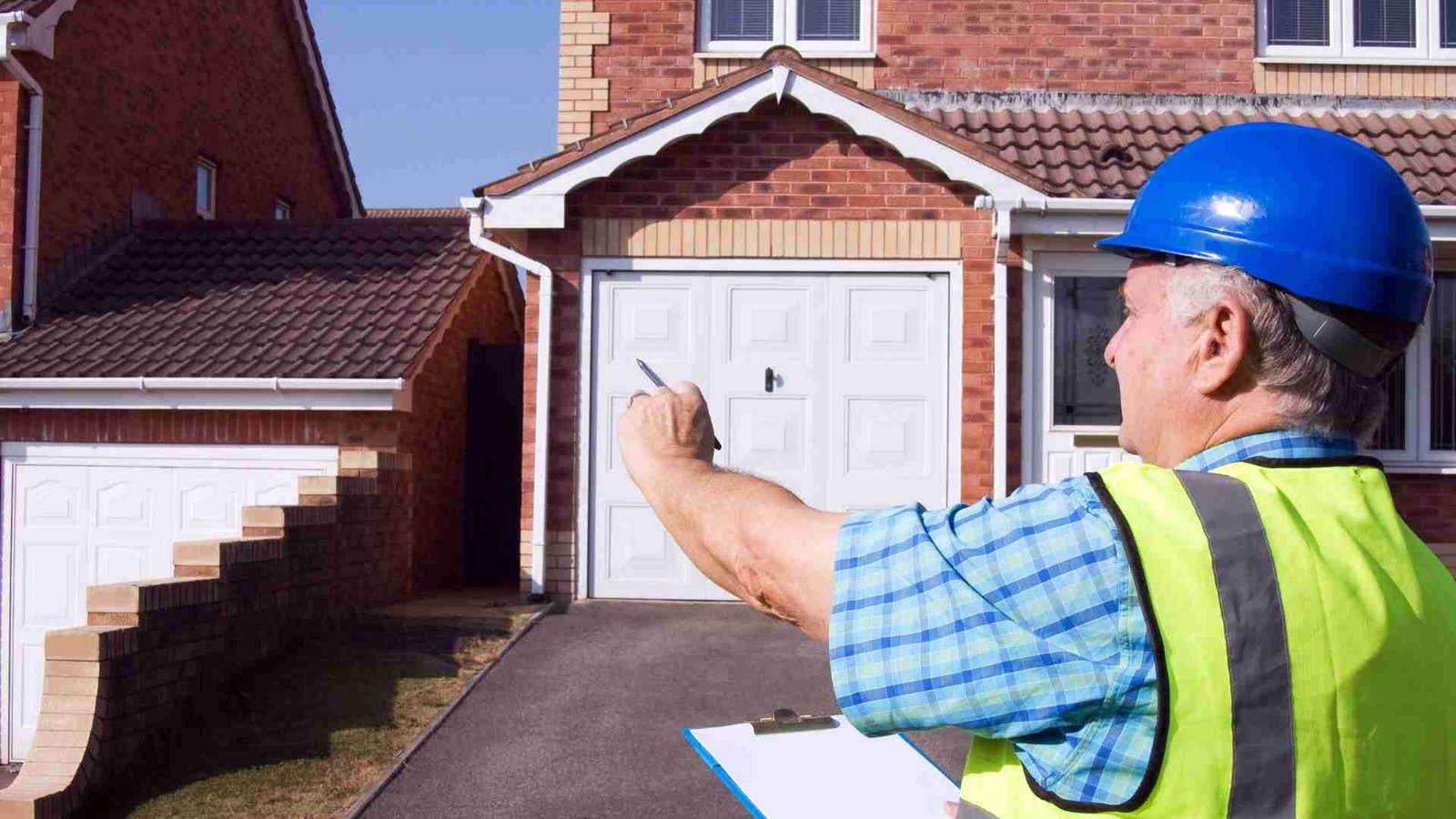
A home survey is an inspection carried out by a qualified surveyor to determine the condition of the property.

The surveyor examines various elements, including structural integrity, roofing, plumbing, electrical systems, and any signs of dampness or pest infestations.
The objective is to identify any defects or issues that may not be immediately apparent to the untrained eye.
This assessment goes beyond a superficial glance, providing a deep dive into potential problem areas that could affect the property’s value and safety.
The surveyor’s report can serve as a powerful tool in negotiations, giving you a clear picture of what might need attention before finalizing the purchase.
Types of Home Surveys
There are several types of home surveys, each catering to different needs and property conditions. Understanding these can help you choose the most appropriate one.
- Condition Report: This is the most basic type of survey, providing an overview of the property’s condition and highlighting any significant issues. It is suitable for newer properties or those that seem to be in good condition.
- Homebuyer Report: This is more detailed than a Condition Report and includes advice on repairs and ongoing maintenance. It often highlights areas that need immediate attention and provides a valuation of the property.
- Building Survey: This is the most comprehensive survey, suitable for older or uniquely constructed properties. It provides an in-depth analysis of the structure and condition of the property. This type of survey is particularly beneficial for properties that have been significantly altered or have unusual features.
Choosing the right survey depends largely on the property’s age, condition, and the level of detail you require. Each survey type provides a different scope of information, so selecting the right one is crucial for making an informed purchase decision.
Who Organizes the Survey?
The Buyer’s Role
In most cases, it is the responsibility of the buyer to organize and pay for the home survey.

As a prospective homeowner, you have a vested interest in ensuring the property is in good condition.
Organising a survey can provide peace of mind and potentially give you leverage in price negotiations if significant issues are discovered.
The process of organising a survey involves researching and selecting a qualified professional who can deliver a thorough and unbiased evaluation.
This proactive approach not only safeguards your investment but also empowers you with detailed information to make informed decisions.
The Lender’s Role
If you are financing your home purchase with a mortgage, the lender will typically require a valuation survey to ensure the property is worth the amount you wish to borrow.

This valuation is primarily for the lender’s benefit and should not be confused with a comprehensive home survey.
While it assesses the property’s value, it does not provide detailed insights into its condition. Lenders use this valuation to mitigate their risk, ensuring the property can cover the loan amount in case of default.
However, it is crucial to remember that this valuation is not a substitute for a detailed survey focused on uncovering potential structural or systemic issues.
The Seller’s Role
In some instances, the seller may already have a survey report available, especially if they are keen to expedite the sale process.
However, as a buyer, it is advisable to commission your own survey to ensure impartiality and thoroughness.
Relying on a seller-provided survey can be risky, as it might be tailored to present the property in a favorable light.
By commissioning your own survey, you ensure the assessment is conducted with your interests in mind, providing an independent evaluation that may reveal issues previously overlooked or minimized.
Steps to Organize a Home Survey
Selecting a Qualified Surveyor
The first step in organising a home survey is to select a qualified surveyor.
Look for someone who is registered with a recognized professional body, such as the Royal Institution of Chartered Surveyors (RICS).
Membership in such organizations typically indicates a high standard of professionalism and expertise. Additionally, seek recommendations from friends or family who have recently purchased property, or consult online reviews to gauge the surveyor’s reputation.
It is important to engage someone with experience in surveying the type of property you are considering, as different property types can present unique challenges.
Scheduling the Survey
Once you have selected a surveyor, you will need to schedule the survey. Coordinate with the seller or their agent to arrange a convenient time for the inspection.
It is important to act promptly, especially if you are working within tight contractual deadlines. Delays in scheduling can impact your ability to negotiate and finalize the purchase.
Ensure that the surveyor has full access to all parts of the property, including the attic, basement, and any outbuildings, to conduct a thorough inspection.
By coordinating efficiently, you can prevent unnecessary delays in the purchasing process.
Reviewing the Report
After the survey is conducted, the surveyor will provide a detailed report outlining their findings. Take the time to review this report thoroughly.

If significant issues are identified, you may need to negotiate repairs or a price reduction with the seller. Understanding the report can empower you in discussions, providing evidence-based insights into the property’s condition.
It is advisable to discuss the report with the surveyor to clarify any technical details and understand the implications of the findings.
This ensures that you are fully aware of the property’s strengths and weaknesses before proceeding with the purchase.
Importance of a Home Survey Checklist
Creating a Checklist
A home survey checklist can be an invaluable tool to ensure that all critical aspects of the property are examined.
This checklist should include structural elements, electrical systems, plumbing, roofing, insulation, and any signs of dampness or pest infestations.
Creating a comprehensive checklist allows you to prepare in advance for areas that need special attention.
It acts as a guide for both you and the surveyor, ensuring that all potential problem areas are thoroughly inspected and documented.
Benefits of a Checklist
Using a checklist can help you and your surveyor stay organized and ensure that no critical areas are overlooked.
It can also provide a clear framework for discussing the survey results and any necessary actions with the seller.
A checklist serves as a tangible record of the inspection, making it easier to prioritize repairs or improvements.
Additionally, it can aid in comparing multiple properties, allowing you to objectively assess which home offers the best value relative to potential repair costs.
Common Issues Identified in Home Surveys
Structural Problems
One of the most common issues identified in home surveys is structural problems.
These can range from minor cracks to significant foundation issues. Addressing structural problems can be costly, so it is crucial to identify them early.
Early detection not only saves money but also prevents further deterioration, which can lead to more extensive damage.
Structural integrity is fundamental to a property’s value and safety, so any concerns in this area should be addressed promptly and professionally.
Roofing Issues
Roofing issues, such as missing tiles, leaks, or poor insulation, are also commonly identified.
These issues can lead to water damage and higher energy costs if not addressed promptly.
A well-maintained roof is essential for protecting the property from the elements and maintaining energy efficiency.
Identifying and rectifying roofing issues early can prevent more serious problems, such as mold growth or structural damage, which can be costly to repair.
Electrical and Plumbing Systems
The condition of electrical and plumbing systems is another critical aspect of a home survey.
Faulty wiring or outdated plumbing can pose safety hazards and require expensive repairs. Ensuring these systems are up to code is essential for the safety and functionality of the home.
A surveyor will evaluate these systems’ current state and may recommend further inspection by specialists if significant issues are found.
Proactively addressing these systems can prevent emergencies and ensure the home operates efficiently.
What to Do If Issues Are Found
Negotiating with the Seller
If the survey identifies significant issues, you may need to negotiate with the seller.
This could involve requesting repairs, asking for a price reduction, or even reconsidering your purchase if the issues are too severe.
Negotiation can be a delicate process, and having the survey report as evidence can strengthen your position.
It is important to approach negotiations with a clear understanding of the costs involved in addressing the issues, allowing for a fair and informed discussion with the seller.
Seeking Professional Advice
In some cases, it may be advisable to seek further professional advice.
For example, if structural issues are identified, consulting a structural engineer can provide a more detailed assessment and recommendations for remediation.
Engaging specialists can offer insights into the severity of the problems and potential solutions, helping you make an informed decision about whether to proceed with the purchase.
This additional expertise can also assist in planning necessary repairs or renovations, ensuring they are completed to a high standard.
Who Organises a Survey When Buying a House? : Conclusion
Organising a home survey is a critical step in the home buying process. It is primarily the buyer’s responsibility, although lenders and sellers may also play a role.
By selecting a qualified surveyor, using a comprehensive checklist, and thoroughly reviewing the survey report, you can ensure that you are making an informed decision about your property purchase.
Remember, the cost of a survey is a small price to pay for the peace of mind and potential savings it can provide.
A survey not only protects your financial investment but also ensures the safety and longevity of your new home.
In summary, understanding who organises a survey when buying a house and the steps involved can help you navigate the process with confidence and ensure that you are making a sound investment in your new home.
By being proactive and thorough, you can avoid unforeseen issues and secure a property that meets your needs and expectations.