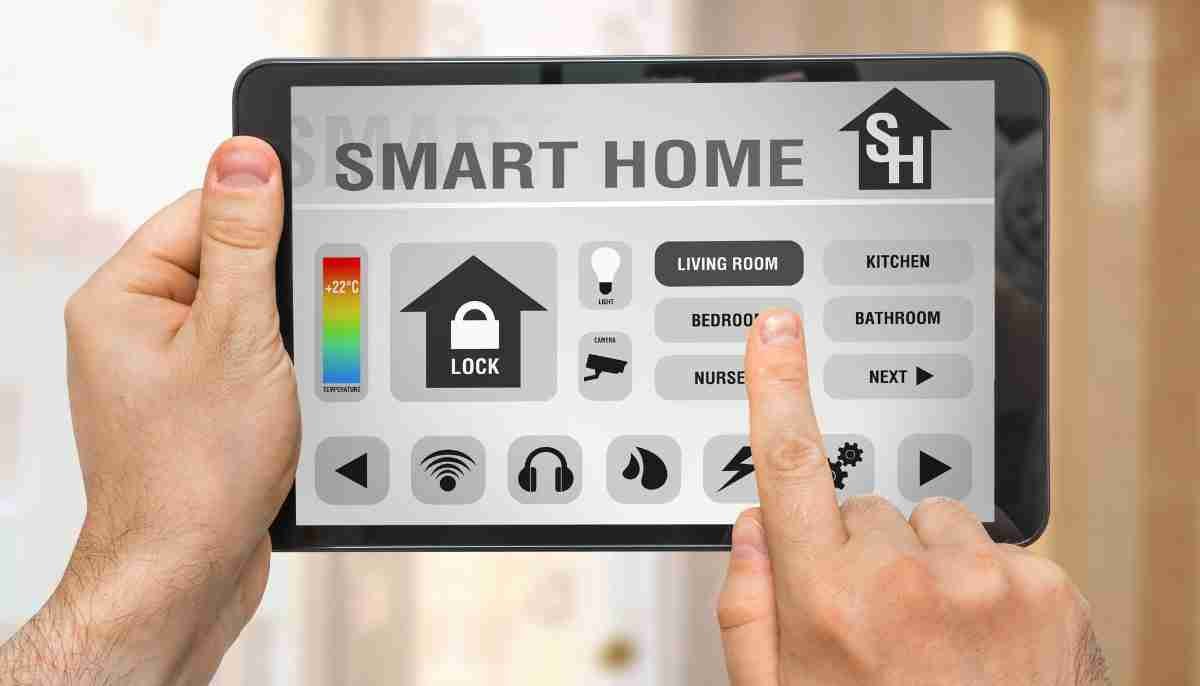
Modern technology is changing fast, and the “smart home” is at the forefront of this change. It’s making our homes work better with our digital lives. With smart home automation and technology, our homes are becoming more convenient, efficient, and secure.
Imagine controlling your home with just your voice or having appliances that work automatically. The smart home revolution is here, changing how we live, work, and play. It’s a new era of smart living.
Key Takeaways:
- Smart homes use advanced tech to make our lives easier, use less energy, and keep us safe.
- These systems connect many smart devices, like voice assistants and automated appliances, together.
- Big names like Amazon, Google, and Apple are leading the smart home industry with new ideas.
- Features like energy-saving thermostats and smart lights help us live greener and use less energy.
- Smart homes are linking up with smart cities, creating a future that’s more connected and advanced.
Unveiling the Wonders of Smart Home Technology
The future of home living is here, filled with smart home technology. It’s changing how we interact with our homes. From advanced home automation devices to easy voice control, smart home tech is making our homes more connected.
Redefining Convenience: From Smart Speakers to Automated Appliances
Smart speakers are now key in many connected homes. They let you control things like lights, temperature, or start the oven with just your voice. This voice control has made our homes more convenient.
Then there are automated appliances that work with your smart home. Imagine a fridge that orders groceries for you or a washing machine that knows the best cycle for your clothes. These smart home technology features are making life easier and more efficient.
Seamless Integration: The Internet of Things and Your Home
The Internet of Things (IoT) connects many devices in your home. It makes everything work together smoothly. You get smart lighting, security, thermostats, and entertainment all connected for a better home experience.
As smart home technology grows, so do the ways it can make our lives better. We’ll see more convenience and save energy. The connected home is just getting started.
The Brains Behind Smart Homes: Home Automation Systems
At the core of smart homes are home automation systems. These systems are like the central nervous system, connecting different devices at home. They manage everything from smart speakers to automated appliances and smart lights. This makes smart home automation a reality.
These systems offer homeowners great benefits like convenience, saving energy, and better security. They use the Internet of Things (IoT) to link and control many devices. This lets homeowners control their homes easily with just a button or their voice.
| Key Components of Home Automation Systems | Functionality |
|---|---|
| Central Control Hub | The brain of the system, responsible for coordinating and integrating all connected devices. |
| Smart Sensors | Detect environmental changes, such as temperature, humidity, and motion, to trigger automated responses. |
| Wireless Connectivity | Enables seamless communication between the control hub and connected devices, often using Wi-Fi or Bluetooth. |
| Mobile Apps and Voice Control | Provide intuitive user interfaces for remote monitoring and control of the home automation system. |
Home automation systems let homeowners easily manage their homes. They can adjust the thermostat, turn lights on, arm the security system, and check for emergencies. These systems are key to smart home tech, making living easier and more connected.
“Home automation systems are the foundation for transforming a house into a truly smart home, unlocking a world of convenience, energy savings, and peace of mind.”
Smart Homes: Enhancing Energy Efficiency and Sustainability
Smart home technologies are changing how we use energy. They help homeowners cut down on their carbon footprint. This leads to a greener lifestyle.
Reducing Your Carbon Footprint: The Eco-Friendly Advantage
Smart homes have many features that help the environment. They use energy-saving appliances and smart lights. These systems also manage water well, using less resources and cutting down on emissions.
This means smart homes use less energy. They lower utility bills and reduce their impact on the environment.
Smart Thermostats: Intelligent Temperature Control
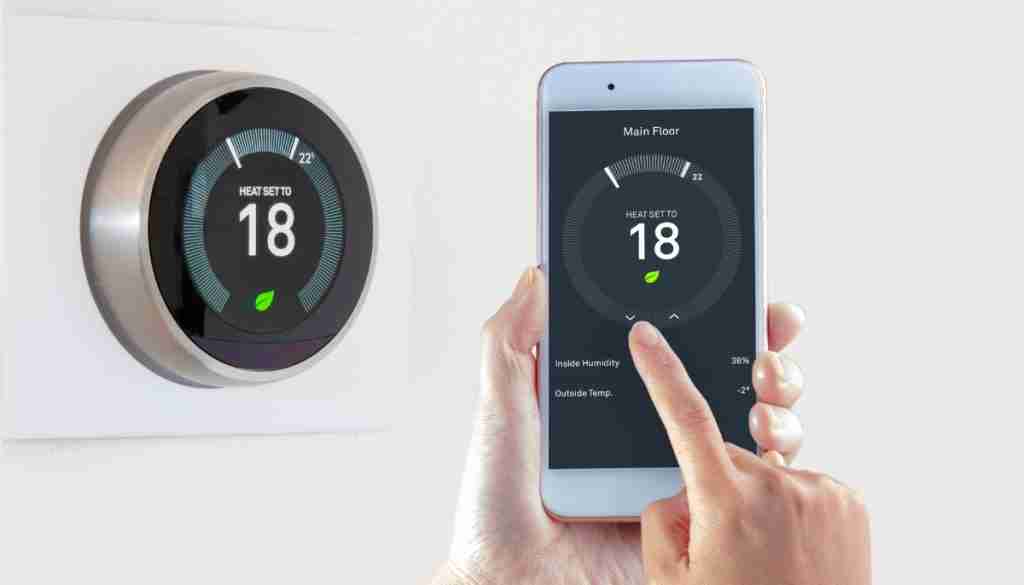
Smart thermostats are key to saving energy in smart homes. They use sensors and algorithms to adjust the temperature. This is based on if you’re home, the time, and other things.
These thermostats control heating and cooling well. They save energy without making you uncomfortable. This means big savings and a smaller carbon footprint.
| Feature | Benefit |
|---|---|
| Automated temperature adjustments | Optimizes energy use based on occupancy and temperature needs |
| Remote access and scheduling | Allows for customized temperature control from anywhere |
| Intelligent learning algorithms | Adapts to user preferences and habits for maximum efficiency |
Using smart home tech, homeowners can make their homes more energy efficient and sustainable. This helps make the future greener for everyone.
Intelligent Lighting: Illuminating Your Life
Smart home technology is changing how we live, especially with smart lighting. These systems can change the look and save energy in our homes. They make living more personal and eco-friendly.
Customizable Ambiance: From Dimmable Bulbs to Mood Lighting

Smart lighting in smart homes is more than just on or off. With home automation, you can change the lighting to fit your mood. You can pick from dimmable LED bulbs or mood lighting to set the mood easily.
- Dimmable smart lighting bulbs let you control the light for any event.
- Customizable mood lighting helps set the mood, whether relaxing or partying.
- With voice assistants and apps, changing the lights is easy.
Smart lighting in smart homes makes your space more comfortable and beautiful. It creates a unique and engaging living space.
“Intelligent lighting is the key to unlocking the full potential of a smart home. It’s not just about illumination – it’s about creating a harmonious, responsive living environment that adapts to your needs and preferences.”
Smart Home Security: Keeping Your Home Safe and Secure
Smart homes have changed how we think about home security. Now, homeowners can use advanced smart security systems. These systems work with home automation and IoT tech for better protection and peace of mind.
Smart security is more than just locks and alarms. It includes smart cameras, motion sensors, and more. These tools work together to make your home safe and secure.
You can check and control your home’s security from anywhere. Just use your phone or voice commands. You can turn on the alarm, see if doors are open, and get alerts for any strange activity.
| Smart Security Feature | Benefit |
|---|---|
| Remote Monitoring | Stay connected to your home’s security even when you’re away, providing peace of mind and the ability to respond quickly to potential threats. |
| Automated Lighting and Shades | Create the illusion of occupancy, deterring burglars and enhancing the overall security of your home. |
| Intelligent Cameras | Capture high-quality video footage and use advanced AI-powered analytics to detect and alert you to potential intruders. |
Adding smart security to your home means your protection level goes up. It uses IoT devices and automation to keep your home safe from threats.
The smart home trend is growing, and smart security is key to keeping your home safe. It’s perfect for tech-savvy homeowners or anyone wanting to protect their family and property. Smart security offers ease, control, and peace of mind all in one.
Voice Control: The Future of Home Automation
In the fast-changing world of smart homes, voice control is a big deal. Virtual assistants like Alexa, Google Assistant, and Siri are becoming our go-to helpers. They let us control our smart home devices with just our voice.
Now, with voice control, managing our home automation is easy. Just speak to turn on lights, adjust the thermostat, lock doors, or play music. These virtual assistants have changed how we talk to our homes.
Virtual Assistants: Your Personal Smart Home Companions
Virtual assistants have made smart homes more convenient and efficient. They understand what we say, making it easy to control our homes. Whether you’re chilling on the couch or busy in the kitchen, a simple voice command can make your smart home work for you.
- Voice-activated control of lighting, temperature, and security systems
- Hands-free management of multimedia and entertainment systems
- Personalized recommendations and automation based on user preferences
- Integration with a wide range of compatible smart home products
Voice control tech is getting better all the time. This means our homes could get even smarter. With virtual assistants getting smarter, the future of home automation looks bright. It will be more intuitive, efficient, and tailored to us.

Smart Homes: The Entertainment Hub
Smart homes have changed how we enjoy entertainment at home. They bring together immersive smart TVs and advanced home theaters. This section looks at how smart homes make entertainment at home exciting.
Immersive Experiences: Smart TVs and Home Theaters
Smart TVs are now key in many smart homes. They work with other devices for a top-notch entertainment experience. These TVs give great visuals and sound, plus smart features that make watching shows better.
They let you control them with your voice and get content suggestions. This makes smart TVs the entry to a world of smart entertainment at your fingertips.
Smart homes also offer advanced home theaters. These turn living areas into movie theaters. With smart lighting, motorized curtains, and surround sound, you get a full smart TV and home theater experience. All controlled from one place.
“Smart homes have become the ultimate entertainment hubs, blending cutting-edge technology with the comforts of our living spaces.”
The smart home revolution keeps getting better. It brings new ways to enjoy movies, TV shows, and music. The future of smart homes will change how we enjoy our favorite media.
Smart Homes and Aging in Place
As more people get older, living independently at home is becoming more important. Smart home tech is making this easier. It brings home automation into older adults’ lives, helping them stay safe and independent at home.
Smart homes are great for older people because they use voice control. With virtual assistants, seniors can easily control things like the thermostat or lights just by talking. This makes life easier for those who have trouble moving or using their hands.
| Smart Home Feature | Benefit for Aging in Place |
|---|---|
| Automated Medication Management | Ensures timely and accurate medication intake, reducing the risk of errors or missed doses. |
| Fall Detection and Emergency Alerts | Helps monitor the safety of older adults, quickly notifying caregivers or emergency services in the event of a fall or other incident. |
| Personalized Assistance and Reminders | Provides customized support for daily tasks, such as scheduling appointments or remembering to take medication, helping older adults maintain their independence. |
Smart home tech lets older adults live safely and comfortably in their own homes. It keeps them close to what they know and love, which is key for their happiness and health.
“Smart home technology has the potential to revolutionize the way we approach aging in place, empowering older adults to maintain their independence and quality of life.”
Integrating Smart Homes with Smart Cities
The world is getting more connected, and the mix of smart homes and smart cities is changing how we live. By linking home tech with city infrastructure, we enter a new world of efficiency and connected living.
The Internet of Things (IoT) is key to this link. It’s a network of devices that share data and automate tasks. With IoT in smart homes, they can talk to the city’s systems. This creates a win-win for people and the community.
Optimizing Resource Consumption
Linking smart homes with smart cities helps save resources. Smart home tech, like smart thermostats and energy-efficient appliances, work with city systems. Together, they manage energy, water, and waste better. This cuts down on carbon emissions and makes cities greener.
Enhanced Transportation and Mobility
Smart homes and cities also change how we move around. Cars, parking systems, and public transport connect with smart homes. This means real-time traffic info, easy parking, and better routes. It leads to less traffic, cleaner air, and smoother travel.

As smart homes and smart cities come together, the future looks bright. We’ll see cities that are high-tech and meet our needs. This integration means better living, sustainability, and a stronger sense of connected living.
The Evolution of Smart Home Companies
The smart home industry has seen a big change, thanks to big tech companies. Amazon, Google, and Apple are leading the way in making homes smarter. They’re making it easier for people to control their homes with technology.
Amazon: Pioneering the Smart Home Ecosystem
Amazon is a big name in smart homes, thanks to Alexa. With devices like the Echo and Echo Dot, Amazon lets people control their homes with just their voice. It’s made controlling things around the house much simpler.
Google: Leveraging AI and Machine Learning
Google is also a big player in smart homes. It uses its knowledge of AI and machine learning to make homes smarter. With the Google Assistant and Nest products, Google aims to make controlling your home easy and smart.
Apple: Curating a Seamless Smart Home Ecosystem
Apple is also in the smart home game. Its HomeKit lets users control many devices. Siri, its voice assistant, makes controlling your home hands-free.
| Smart Home Company | Key Products | Unique Offering |
|---|---|---|
| Amazon | Echo, Echo Dot, Ring, Blink | Alexa voice assistant integration |
| Nest, Google Home, Chromecast | AI and machine learning capabilities | |
| Apple | HomeKit, Siri, Apple TV | Seamless integration with Apple ecosystem |
These tech giants are competing to lead the smart home market. They each offer something special to meet homeowners’ needs. The future of smart homes looks exciting as these companies keep innovating.
Smart Homes: Addressing Privacy and Security Concerns
Smart home tech is getting more popular, but so are worries about privacy and security. These homes use the Internet of Things (IoT) to learn about our lives. They know our habits and likes. This convenience comes with risks to our private info.
Smart homes could face data breaches and unauthorized access. Devices like smart speakers and security cameras can be hacked if not secured right. Hackers might use these to get into our homes and steal our data or money.
| Privacy Risks | Security Risks |
|---|---|
| Unauthorized access to personal data Monitoring of daily activities and routines Potential for identity theft and financial fraud | Hacking of IoT devices Remote access to home systems Potential for physical intrusion and burglary |
Smart home makers are adding security steps like end-to-end encryption and two-factor authentication. They also update software often. But, we can help keep our homes safe too. We should research IoT devices well, use all security features, and think about what data we share.
“The privacy and security of smart home technology is a critical issue that must be addressed to build trust and widespread adoption.”
The smart home world is always changing. Finding a balance between ease and keeping our data safe is key. By tackling these issues, the industry can make sure we enjoy smart home tech safely and privately.
The Future of Smart Homes: Trends and Innovations
The smart home world is changing fast, with new trends and innovations set to change how we live. At the heart of this change are the leaps in artificial intelligence (AI) and machine learning (ML). These are making smart home systems smarter and more flexible.
Artificial Intelligence and Machine Learning in Smart Homes

AI and ML are making smart home tech smarter and more adaptable. Artificial intelligence lets devices learn from how we act and what we like, giving us personalized experiences and smooth automation. Machine learning looks at data from sensors and devices, so smart homes can guess what we need and act on it. This makes our homes more comfortable, efficient, and secure.
- Predictive maintenance: AI-powered smart home systems can spot problems with appliances or systems early, warn us, and start fixing things before they break, saving us from big repair bills.
- Personalized settings: Smart home assistants using ML can change lights, temperature, and more to fit what we like, making our homes feel just right for us.
- Internet of Things (IoT) integration: Linking smart home innovations with the wider IoT world lets devices talk and share data easily, opening up new ways to automate and improve our homes.
As smart home trends keep moving forward, the mix of AI, ML, and IoT is set to change how we connect with and experience our homes. This will lead to homes that are even smarter and more responsive, making our lives better in ways we can’t yet imagine.
“The smart home of the future will be a living, breathing entity that anticipates our needs and adapts to our every whim, enhancing our lives in ways we can scarcely imagine today.”
Seamless Integration: Smart Homes and the Internet of Things
Smart home tech is getting better, linking up with the Internet of Things (IoT) in a big way. This mix is changing how we live, making things easier, more efficient, and giving us more control. Homeowners can now easily manage their homes and improve their daily lives.
The IoT connects devices, sensors, and services, making smart homes smarter. You can control lights, temperature, check on security, and even run appliances from afar. This link between smart homes and IoT changes how we use our homes. It makes daily tasks easier, cuts down on energy use, and makes life better.
As smart homes and IoT grow, we’ll see more cool stuff coming together. New tech like artificial intelligence and machine learning will make smart homes even smarter. They’ll adapt to what we need and like, making our homes truly smart and tailored to us.
FAQ
What is a smart home?
A smart home uses advanced tech to make life easier and more efficient. It connects devices like lights, thermostats, and security systems. This creates a seamless experience for homeowners.
What are the key features of a smart home?
Key features include voice control and automated appliances. You’ll also find smart lighting and energy-saving thermostats. Plus, there are advanced security and entertainment systems. These features make life more convenient and save energy.
How do smart home technologies work?
Smart homes use a central system to connect and control devices. These devices talk to each other using wireless tech like Wi-Fi. Homeowners can manage their home with a smartphone app or voice commands.
What are the benefits of a smart home?
Smart homes offer more convenience, save energy, and improve security. They help cut down on energy bills. They also make living more comfortable and tailored to your needs.
How do smart home devices integrate with each other?
Devices connect through a central system, acting as the “brain” of the home. This lets smart lights, thermostats, and more work together. They can be controlled with an app or voice commands.
What are some popular smart home devices?
Popular devices include smart speakers like Amazon Echo and Google Home. There are also smart lights, thermostats, security cameras, and appliances. These gadgets make life easier and more efficient.
How do smart home technologies enhance energy efficiency?
Smart technologies like thermostats adjust the temperature automatically. Smart lights and appliances use energy wisely. This leads to lower bills and less environmental impact.
How do smart home security systems work?
These systems combine smart locks, sensors, cameras, and alarms for full protection. Homeowners can control and monitor these from their phones. They get alerts and can check on their home anytime.
How do virtual assistants, such as Alexa or Google Assistant, integrate with smart homes?
Virtual assistants like Alexa and Google Assistant work with smart homes. They let you control devices with just your voice. You can adjust lights, set the temperature, and more, all without lifting a finger.
How can smart home technologies assist with aging in place?
These technologies help older adults stay in their homes comfortably. They offer voice control and automated systems for ease. Seniors can stay independent, safe, and supported by caregivers remotely.
What are the privacy and security concerns associated with smart homes?
Smart devices can raise privacy and security issues. There’s a risk of unauthorized access and hacking. Homeowners should check the security and privacy of their devices to protect their data and home network.