Thinking about getting solar panels for your home or business in the UK? Solar energy is a big step, with upfront costs for panels and setup. But, the long-term perks like lower energy bills and a greener future make it a smart choice for many in the UK.
This guide will cover the UK solar panel costs, including what affects the price and how grants can help. We’ll look at the different solar panel types, what you need for a full system, and the costs of hiring a pro or doing it yourself. By the end, you’ll know the financial side of solar power in the UK well, helping you decide what’s best for your energy needs and wallet.

Key Takeaways
- The cost of solar panels in the UK can vary significantly, depending on factors such as system size, panel type, and installation requirements.
- Government grants and incentives, such as the Feed-in Tariff scheme, can help offset the initial cost of solar panel installation.
- Choosing the right type of solar panel, whether monocrystalline or polycrystalline, can impact the overall system cost and efficiency.
- The cost of solar panel system components, including inverters and batteries, should be considered when budgeting for a solar energy installation.
- Professional installation may be more costly than a DIY approach, but it can ensure the system is properly configured and optimised for maximum energy production.
Introduction to Solar Panels in the UK
Solar panels are getting more popular in the UK. They use the sun’s power to make electricity. This is a clean way to make energy instead of using fossil fuels. Knowing the benefits of solar energy and the UK’s solar market is key.
Benefits of Solar Energy
Using solar panels in the UK has many benefits for people and the planet. Some main advantages are:
- Reduced energy bills: Solar panels make electricity at home. This means less need for the national grid and possibly lower energy costs.
- Lower carbon footprint: Solar power doesn’t produce emissions. It helps reduce carbon footprint and fights climate change.
- Increased property value: Homes with solar panels can be more valuable. They are more appealing to buyers.
- Government incentives: The UK government offers schemes like the Feed-in Tariff to support solar technology.
Solar Panel Adoption in the UK
Solar panels are becoming more popular in the UK. The Solar Trade Association reports a big increase in solar installations. Over 1 million homes and businesses now use solar power. This rise is due to lower costs, better technology, and government support.
Solar panels are becoming a big part of the UK’s energy mix. Understanding solar power’s benefits and its growth helps people and businesses make smart choices about this green energy.
Factors Affecting Solar Panel Cost
Thinking about getting solar panels in the UK? It’s key to know what affects their cost. The factors affecting solar panel cost uk can change a lot. Knowing these can help you make smart choices for your solar energy.
Panel Type
The kind of solar panel you pick can really change the price. Monocrystalline panels are more efficient but pricier than polycrystalline ones. Your choice will depend on your budget, energy needs, and what you prefer.
System Size
The size of your solar panel system, in kilowatts (kW), is crucial for cost. Bigger systems cost more upfront but can make more electricity and pay back more over time.
Location
Where your property is can affect solar panel costs. Things like local labour prices, how easy it is to get to the site, and how complex the setup is can all change the price.
Installation Complexity
How hard it is to install solar panels also matters for the cost. Things like your roof type, if there’s already electrical stuff there, and if you need to change the structure can all add to the cost.
| Factor | Impact on Solar Panel Cost |
|---|---|
| Panel Type | Monocrystalline panels are more expensive than polycrystalline panels |
| System Size | Larger systems generally cost more upfront but may offer better long-term returns |
| Location | Areas with higher labour rates and more complex installations can increase costs |
| Installation Complexity | Factors like roof type and existing infrastructure can affect installation costs |
Knowing these factors affecting solar panel cost uk helps you make better choices for your solar energy. This way, you can find the best option for your energy needs and budget.
Solar Panels Cost
Installing solar panels in the UK comes with a cost that’s key to think about. The price can change a lot based on the system size, the solar panel type, and where you put them.
A standard 4kW solar panel system costs between £5,000 to £8,000. This includes the panels, inverters, and putting them in. Bigger systems, like 6kW or 8kW, will be pricier, costing between £7,000 to £12,000.
| Solar Panel System Size | Average Cost Range |
|---|---|
| 4kW | £5,000 – £8,000 |
| 6kW | £7,000 – £10,000 |
| 8kW | £9,000 – £12,000 |
These prices are just rough estimates. The solar panels UK cost can change based on the panel quality, installation complexity, and extra gear or services. Plus, homeowners might get government grants and incentives, cutting down the solar panel system cost.
“The cost of solar panels in the UK has steadily declined over the years, making it a more accessible and affordable option for homeowners.”
Types of Solar Panels
In the UK, homeowners and businesses have two main solar panel options: monocrystalline and polycrystalline. Each type has its own set of features, performance, and price. It’s important to know the differences to pick the right solar panels for your needs.
Monocrystalline Solar Panels
Monocrystalline solar panels come from a single silicon crystal. They look black and are very efficient, turning sunlight into electricity with rates from 15% to 22%. These types of solar panels uk are great for small spaces because they’re compact. But, they are the priciest option among types of solar panels uk.
Polycrystalline Solar Panels
Polycrystalline solar panels uk are made from many silicon crystals. They have a textured, bluish look. They’re not as efficient as monocrystalline panels, with rates between 13% and 16%. But, they’re more affordable, making them a good choice for those balancing performance and cost.
Choosing between monocrystalline solar panels uk and polycrystalline solar panels uk depends on your needs, budget, and roof space. Both types offer clean energy for your home or business, helping towards a sustainable future.
Solar Panel System Components
When setting up a solar panel system UK, knowing the main parts is key. The main parts are the solar panels and the inverters that change the electricity type.
Solar Panels
The solar panels uk are vital, turning sunlight into electrical power. They use photovoltaic cells to catch the sun’s rays and make direct current (DC) electricity. How many panels you need depends on your energy use at home or work.
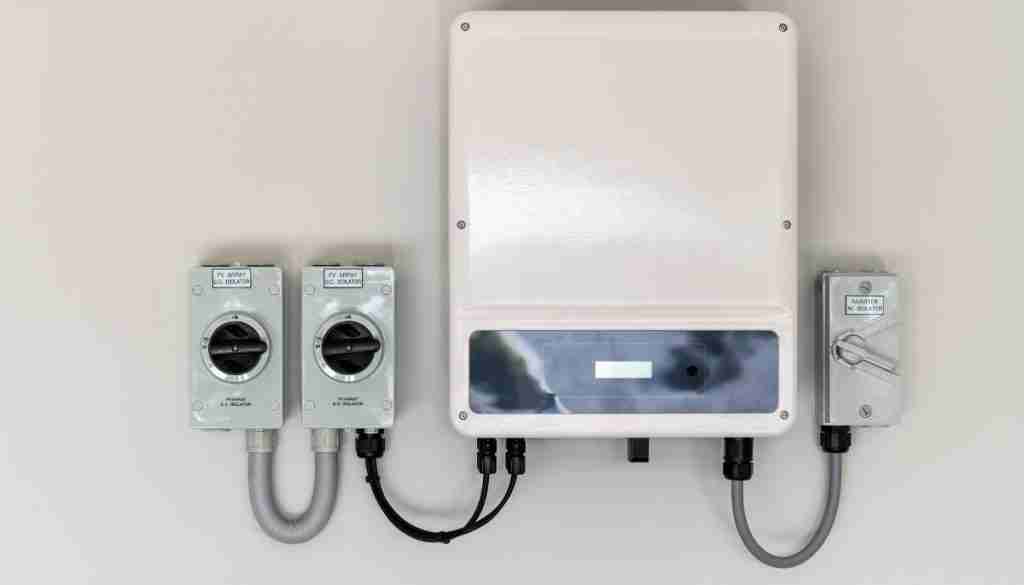
Inverters
The inverters uk are crucial, changing the DC electricity from panels to alternating current (AC). This AC is what UK homes and the grid use. Picking the right inverter is key for your solar panel system components uk to work well.
| Component | Description |
|---|---|
| Solar Panels | Photovoltaic cells that convert sunlight into electrical energy |
| Inverters | Devices that convert the DC electricity from the solar panels into AC electricity for use in the home or grid |
“A well-designed solar panel system components uk is essential for maximising the efficiency and performance of your renewable energy setup.”
Solar Panel Installation Costs
Thinking about switching to solar energy in the UK? The cost of installing solar panels is key. The price can change a lot based on several important factors. Let’s look at what you might pay for solar panel installation in the UK.
Equipment and Labour Costs
The main costs for solar panel installation are the gear and the work needed. Solar panels usually make up 50-60% of the total cost. The rest goes to inverters, wiring, and other parts. Also, skilled installers add a big part to the price.
| Cost Component | Average Cost Range (UK) |
|---|---|
| Solar Panels | £3,000 – £6,000 |
| Inverters | £1,000 – £2,500 |
| Wiring and Accessories | £500 – £1,500 |
| Installation Labour | £1,500 – £3,000 |
Remember, these prices are just rough estimates. They can change based on the system size, installation complexity, and where you are in the UK.
Additional Costs to Consider
There are more things that can affect the solar panel installation cost uk:
- Roof upgrades or changes needed for the panels
- Permits and checks from local authorities
- Grid connection fees to link with the national power grid
- Costs for upkeep and maintenance
Knowing these extra costs helps homeowners and businesses in the UK plan their solar panel projects better.
Government Grants and Incentives
The UK government offers grants and incentives for solar panels. These are for homeowners and businesses wanting to use renewable energy. The Feed-in Tariff (FIT) scheme is a big help, giving money support for making your own renewable electricity.
Feed-in Tariff Scheme
The Feed-in Tariff scheme started in 2010. It pays people and groups for the renewable electricity they make and send to the grid. You get a certain amount for each unit of electricity you produce, called the “generation tariff.” You also get extra money for any extra energy you sell back.
The rates for the Feed-in Tariff change based on the solar panel size and when it was put in. In 2023, homes with solar panels up to 4kW get 5.50 pence per kilowatt-hour (p/kWh) for making electricity. They also get 5.38p/kWh for selling extra energy. Bigger systems might get different rates.
To get the Feed-in Tariff, you must sign up and meet certain rules. This scheme has really helped solar panels become popular in the UK. Over 1 million installations have been done thanks to it.
“The Feed-in Tariff has been a game-changer for the UK’s solar energy industry, making it more accessible and affordable for homeowners and businesses to install solar panels.”
Solar Battery Storage Options
The use of solar panels in the UK is growing fast. This means more people need good ways to store energy. Solar battery storage systems are now a top choice for those wanting to get the most from their solar panels. They let you save extra solar energy for when you need it most or when the sun isn’t out.

The solar battery storage cost uk changes based on the system size, battery type, and how it’s installed. Usually, a home solar battery system costs between £3,000 and £10,000. This includes the battery, inverter, and the work to put it in.
Types of Solar Battery Storage
- Lithium-ion batteries: These are the most common type of solar batteries used in homes and businesses. They pack a lot of energy, last a long time, and need little upkeep.
- Lead-acid batteries: These are a budget-friendly choice but don’t last as long and need more looking after than lithium-ion batteries.
- Vanadium redox flow batteries: These batteries last even longer and can grow with your needs, but they cost more than other types.
Factors Affecting Solar Battery Storage Costs
| Factor | Impact on Cost |
|---|---|
| Battery Capacity (kWh) | Higher capacity batteries cost more |
| Battery Chemistry | Lithium-ion batteries are pricier than lead-acid ones |
| Installation Complexity | More complex installations raise the price |
| Inverter Requirements | Special inverters for batteries add to the cost |
When looking at a solar battery storage system uk, think about what you really need. Compare different battery types and setups to find the best one for you. This way, you can use less grid power and save money over time from your solar panels.
Estimating Your Solar Panel System Cost
Installing solar panels in the UK is a big step, and knowing the cost is key. The cost of solar panels varies a lot, depending on several things. Knowing these factors helps you understand what you might spend for your home or business.
The main things that affect the estimating solar panel system cost uk are:
- System Size – The size of your solar panel system, in kilowatts (kW), is a big factor. Bigger systems cost more but make more energy.
- Panel Type – The type of panels you pick, like monocrystalline or polycrystalline, changes the price. Better panels might cost more but save money over time.
- Installation Requirements – How hard it is to install your panels, if you need extra work on your roof, affects the cost.
- Location – Where you live in the UK can also matter, as costs for labour and materials differ by region.
To get a precise idea of the estimating solar panel system cost uk, talk to a trusted solar installer. They can look at your needs and give you a detailed quote for your property and energy use.
“The cost of solar panels changes a lot, but with the right info and advice, you can choose wisely for your budget and energy goals.”
The upfront cost of solar panels is often lessened by saving on energy bills and possible government help or grants. Understanding what affects the estimating solar panel system cost uk helps you make a smart choice for your solar energy path.
DIY vs. Professional Installation
Homeowners can choose between installing diy solar panels uk themselves or hiring a professional solar panel installation uk expert. Each method has its pros and cons. The best choice depends on your skills, budget, and what you prefer.

DIY Solar Panel Installation
For those with some technical skills and time, doing it yourself can be appealing. DIY solar panel installation lets you learn by doing and might save on labour costs. But, think about the risks and challenges first:
- Requires a lot of time to research, plan, and do the installation right
- There are safety risks, especially with electrical parts
- You might make mistakes that affect the system’s efficiency or harm your property
- You won’t have warranty or help if problems come up later
Professional Solar Panel Installation
Choosing a professional solar panel installer removes the stress and guesswork. They have the skills, tools, and knowledge for a safe, efficient, and correct installation. This choice might cost more upfront but has many advantages:
- Guaranteed quality of work and system performance
- Access to manufacturer warranties and support
- Following local rules and building codes
- Easy handling of permits and paperwork
The decision between diy solar panels uk and professional solar panel installation uk depends on your situation, budget, and how comfortable you are with technical tasks. Think about the good and bad points to pick what’s best for you.
“The key to a successful solar panel installation is finding the right balance between cost-effectiveness and expert guidance.”
Financing Options for Solar Panels
Investing in solar panels is a big step for UK homeowners and businesses. Luckily, there are many ways to finance your solar panel installation. Let’s look at the main options for solar panel financing in the UK.
Solar Panel Loans
A solar panel loan is a common choice. These loans let you pay for your solar panel system over time, usually 5 to 20 years. They often have good interest rates, making them great for those without the money upfront.
Solar Leases and Power Purchase Agreements (PPAs)
You can also lease your solar panels or sign a Power Purchase Agreement (PPA) with a solar company. With a lease, the company owns and maintains the system, and you pay a monthly fee for the power it produces. A PPA means the company installs the system for free. You then buy the solar electricity at a set rate, often cheaper than what you pay now.
| Financing Option | Upfront Cost | Monthly Payments | Ownership |
|---|---|---|---|
| Solar Loan | High | Moderate | Homeowner |
| Solar Lease | Low | Moderate | Solar Provider |
| Power Purchase Agreement (PPA) | None | Low | Solar Provider |
When looking at solar panel financing options in the UK, think about the upfront costs, monthly payments, and who owns the system in the long run. This will help you pick the best option for your needs and budget. By looking at these choices, solar power can become more reachable and cost-effective for your place or business.
Commercial Solar Panel Systems
Commercial properties in the UK have special needs when it comes to solar energy. They need systems that can handle their high energy use. These systems are more complex and might need extra parts for efficient power generation and distribution.
The commercial solar panel cost uk changes a lot based on things like property size, energy use, and system needs. Costs can go from £10,000 to £100,000 or more. This depends on the project’s size and how complex it is.
Key Factors Affecting Commercial Solar Panel Costs
- System size (number of solar panels)
- Type of solar panels (monocrystalline, polycrystalline, or thin-film)
- Inverter requirements (string or central inverters)
- Roof or ground-mounted system
- Structural alterations or reinforcements needed
- Grid connection and infrastructure upgrades
- Labour and installation costs
| System Size | Estimated Cost Range (inc. VAT) |
|---|---|
| 10 kW | £10,000 – £20,000 |
| 50 kW | £40,000 – £70,000 |
| 100 kW | £70,000 – £100,000 |
The commercial solar panel cost uk can change a lot from one project to another. Businesses should talk to professional solar installers for precise quotes. They should also look into financing options to make going green easier.

“Investing in a commercial solar panel system can not only reduce energy costs, but also contribute to a more sustainable future for businesses in the UK.”
Calculating Return on Investment
Investing in solar panels in the UK is a smart move. It can save you money on energy bills and even make a profit. The return on investment (ROI) depends on the system’s cost, energy output, and government incentives.
To figure out your ROI, first, estimate your annual energy savings. This depends on your solar panel system’s size, your energy use, and your electricity rate. Then, add any government incentives, like the Feed-in Tariff scheme, to increase your savings. Over 25-30 years, these savings can be quite significant, showing solar panels are a good investment.
The initial cost of solar panels is high, but the long-term benefits are worth it. By looking at all the factors that affect your ROI, you can decide if solar panels are right for you. With careful planning, your solar panels could be a financially smart choice, offering benefits for many years.
FAQ
What is the average cost of solar panels in the UK?
Solar panel costs in the UK change based on system size, panel type, and installation complexity. A standard 4kW system costs between £6,000 to £8,000, including setup.
Are there any government grants or incentives available for solar panels in the UK?
Yes, the UK government offers grants and incentives for solar energy use. The main scheme is the Feed-in Tariff (FIT), which pays homeowners and businesses for their solar-generated electricity.
How much can I save on my energy bills by installing solar panels?
Savings on energy bills depend on your usage, system size, and current energy prices. A typical household can save £200 to £300 annually by using solar panels.
How long does it take to recoup the cost of a solar panel system in the UK?
Payback time for solar panels in the UK varies from 8 to 20 years. It depends on system size, energy savings, and available incentives. Homeowners usually see their investment paid back in 12 to 15 years.
Can I install solar panels myself or do I need a professional installer?
Installing solar panels yourself is possible as a DIY project. But, it’s often better to hire a professional for larger systems. Experts ensure safe, efficient installation, meeting all regulations and codes.
What types of solar panels are available in the UK?
The UK offers monocrystalline and polycrystalline solar panels. Monocrystalline panels are more efficient and compact but pricier. Polycrystalline panels are less efficient but cheaper. Your choice depends on your needs and budget.
Can I integrate a solar battery storage system with my solar panels?
Yes, adding a solar battery storage system to your setup is possible. It stores excess electricity for use at night or on cloudy days. Solar battery storage costs range from £3,000 to £7,000, based on size and capacity.