
PremiumPropertyDirect.co.uk relies on reader support. Purchases made via links on our website may earn us an affiliate commission at no extra cost to you, helping keep the site running.
Clutter often starts with an inconvenient address.
A shoe rack sits in the hall closet, but shoes collect by the front door. Cereal boxes linger on the counter, and clean sheets settle on a chair. Each assigned spot asks for an extra trip, a shuffle, or a shelf cleared first.
A basket by the door catches everyday shoes. Visible pantry space keeps food from disappearing behind other boxes, while a linen shelf with room to spare makes folded sheets simple to return. Easy to put away matters as much as easy to find. Small changes to where things live can stop everyday piles from forming.
Start with one small storage spot
- Pick a drawer, shelf, or corner
Choose a space that can be emptied and put back together in one session. A kitchen drawer or one bathroom shelf is easier to finish than an entire room.
- Sort everything into three groups
Keep-here items belong in this spot and get used nearby. Move-elsewhere items already have a better home; let-go items can be donated, recycled, or discarded as appropriate.
- Put back only what belongs
Return the keep-here group, placing frequently used things within easy reach. Take the move-elsewhere group to its proper spots before it becomes a new pile.
- Measure before buying containers
Measure the usable width, depth, and height of the space, including any clearance needed for a drawer to close. Check the size of the items too: a neat-looking bin is little help if it wastes half the shelf.
- Choose what needs to be visible
Clear containers make occasional supplies easier to find; opaque ones hide mixed contents that would make an open shelf look busy. The choice between clear and opaque bins depends on where they sit and how often their contents need identifying. Add a simple label if a closed bin could become a guessing game.
The best landing spot is close to where an item is dropped, but out of the walking path. In an entryway, a shallow shoe rack or mat can hold everyday pairs; less-used shoes can go elsewhere. Hooks give bags a place off the floor, while a small tray keeps keys from disappearing under mail.
Give incoming paper one designated spot rather than letting it spread across a counter. A tray works for mail awaiting attention, provided it is emptied regularly: recycle unwanted pieces, then move bills and important documents to their proper places. Keep the tray small enough that a backlog becomes noticeable.
In a living room, make putting things away simpler than leaving them out. An open bin near the play area lets children return toys without opening lids or reaching high shelves. A separate basket can hold frequently used blankets, games, or other shared items. Start with just a few broad groups; overly specific labels often make a quick tidy harder. If a bin regularly overflows, reduce what lives there before adding another container.
Make kitchen storage follow daily habits
The easiest kitchen shelves should hold what gets used most often: everyday plates and glasses near the dishwasher or sink, cooking tools near the stove, and lunch supplies together. Heavy pots are easier to lift from lower cabinets than from overhead. Rarely used serving dishes can take the high shelves instead.
Food is easier to use before it expires when similar items live together and older packages stay at the front. Keep open snacks in one spot and canned goods in another, then put new purchases behind what is already there. A quick look through each group before shopping can prevent another jar from disappearing into the cupboard.
On a narrow shelf, cans and packets stacked several rows deep can hide what is at the back. For a small pantry with hard-to-see back rows, a shallow bin that slides out or a shelf riser can bring those items into view. Shelf labels may help everyone put food back in the right place, but matching containers are not necessary. Leave enough space to reach dinner ingredients without unpacking the whole shelf.
Make bedroom closets easy to use
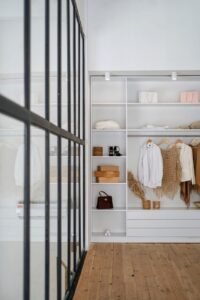
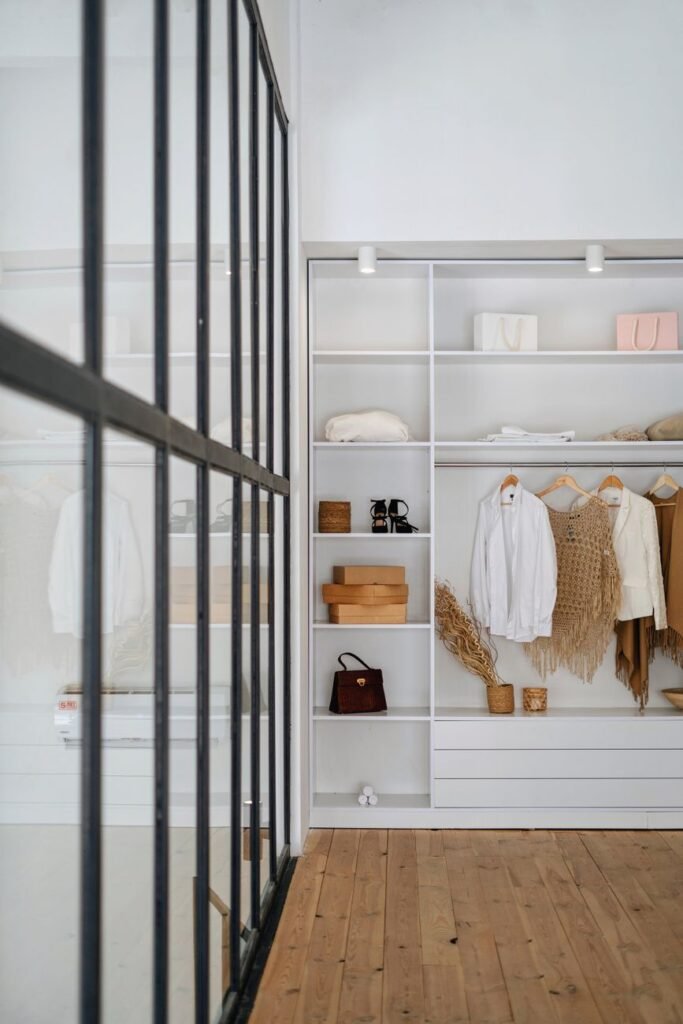
The easiest-to-reach part of a closet should hold clothes worn most often: everyday shirts and trousers at hand height, with occasional outfits farther to the side. Keep the floor clear enough to stand in front of the rail and leave a little space between hangers. If putting away clean clothes means squeezing them onto a packed rail, they are likely to end up on a chair instead.
In a small closet, use the space already there before adding shelves or organizers. A second hanging rail can help with short items, but only if it leaves room for longer coats or dresses. A slim bin on the floor can hold accessories without blocking access to hanging clothes.
Deep shelves work better when the back can come forward. Group spare bedding or out-of-season clothes in a pull-out bin with a handle, rather than stacking loose items in two rows. Label the front so its contents are clear without pulling down every bin. Store lighter, seldom-used items high up; keep frequently worn clothes where they can be put away in one motion.
Keep bathroom and linen storage manageable
A bathroom works best when the items used each morning and evening are easy to reach. A small tray or shallow bin can hold daily toiletries on a shelf or in a drawer; extra shampoo and unopened soap can go in a separate, labeled spot. Keeping backups together makes it easier to see what is already on hand before buying more.
Bathrooms can stay damp after showers, so paper goods, spare bedding, and other moisture-sensitive supplies are better stored in a dry closet when space allows. Leave enough room around stored items for air to circulate, and avoid putting clean towels where they regularly catch splashes.
In a linen closet, smaller stacks are easier to lift without toppling the shelf. Group towels by size and keep each bedding set together, perhaps by tucking its folded sheets into a matching pillowcase. The steps for sorting a linen closet can help when mixed sizes and half-used sets have taken over.
An over-door rack may free up a cabinet, but it needs a little checking first. Before buying one, consider the door clearance, hardware, and weight limits; a rack that stops the door closing or presses against its finish is not useful storage.
Keep papers and utility supplies in order
An unpaid bill can disappear quickly in a pile of old receipts and junk mail. Keep a small action tray for bills, forms to sign, and mail to answer; check it weekly so it does not become permanent storage. Recycle unwanted mail promptly, and shred papers with sensitive details when they are no longer needed.
Give records a separate home. Labeled folders for identity, housing, insurance, medical, and tax papers are easier to maintain than an elaborate filing system. Keep originals such as passports and certificates in a dry, protected spot that household members who need them can find. For help deciding what belongs in each folder, see a straightforward approach to important papers.
In a laundry or utility area, group supplies by task: detergent near the washer, cloths with routine cleaners, and basic repair tools in a portable kit. Keep cleaners, solvents, and other hazardous products in their original labeled containers, away from food and out of children’s and pets’ reach. Follow storage directions on the label, and never combine products just to free up shelf space.
Give garages and basements a clear purpose
Garages and basements work best for belongings used occasionally but still worth keeping: holiday decorations, camping gear, spare tools, and seasonal sports equipment. Before assigning a spot, check whether the item can tolerate the space. Temperature swings, moisture, and pests make either location a poor default for important papers, delicate fabrics, and other easily damaged belongings.
Group items by use rather than filling the nearest empty corner. One shelf can hold holiday bins; another can hold camping supplies. Label the side facing the aisle, and put items needed once a year farther back than those used every month. Keep walkways, doors, electrical panels, and access to equipment clear.
Match the container and shelf to the contents. Closed, labeled bins help keep dust off decorations and small gear. Heavy items belong low, on shelving rated for the load—not stacked high in bins that are awkward to lift. In a basement, keep stored items off the floor so a small leak is easier to spot before it reaches them.
Dry tents, boots, and washable gear completely before packing them away. If a basement smells musty or shows signs of leaks, move clothing and other moisture-sensitive items to a reliably dry space.
- Watch the landing spots Notice where keys, shoes, or mail land at the end of a normal day. A useful home should be close enough to use without a detour.
- Test retrieval Try taking out one item from the back of a shelf. If several others must move first, a shallower bin or a less crowded shelf may work better.
- Check the fit Open drawers and doors with containers in place. Leave enough clearance to lift out a bin without tipping it or scraping the shelf above.
A storage setup is easier to judge in use than on the day it is arranged. Start with one small spot, such as a single shelf or entryway basket, and leave it in place for a few weeks. If things keep collecting beside it, the assigned place may be too far away, too full, or awkward to reach.
Move the container, make more room, or change what belongs there. The goal is not to preserve a tidy arrangement; it is to find one that stays practical on an ordinary day.