

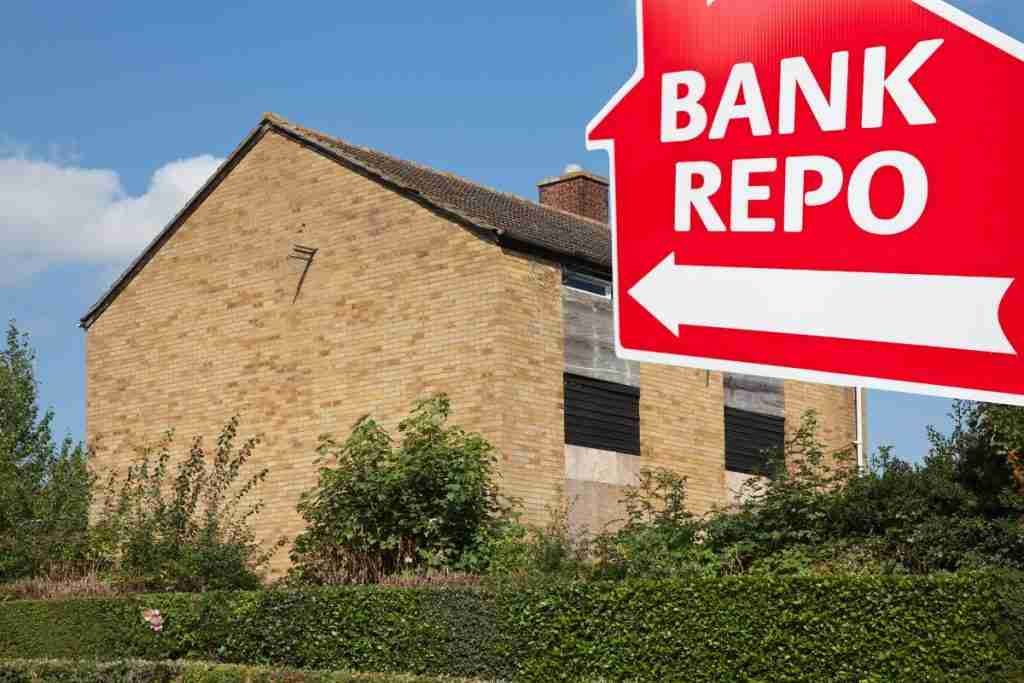
When it comes to house hunting, bank repossessed houses have become an area of interest for both homebuyers and investors. These properties are reclaimed by lenders when borrowers default on their mortgage repayments. For those looking for potential bargains, repossessed properties can offer significant opportunities.
However, they also come with unique challenges. This article delves into the intricacies of buying bank repossessed houses, covering the benefits, risks, purchasing process, and tips for maximizing these opportunities.

What Are Bank Repossessed Houses?
Bank repossessed houses are properties that lenders take back due to the original owner’s inability to keep up with mortgage payments. When a homeowner defaults, the lender initiates the repossession proceedings to recover the outstanding loan balance. Once the repossession process is complete, the lender typically puts the property up for sale to recoup its losses.
Why Consider Buying a Repossessed House?
- Lower Purchase Price: One of the most appealing aspects of repossessed houses is their lower price point. These properties are often sold below market value because lenders, like Halifax, are motivated to sell quickly to minimize their losses. Buyers can potentially save 20-30% compared to similar non-
Repossessed
properties.
- Investment Potential: For investors, repossessed houses can be a goldmine. Purchasing these properties at a discount allows investors to renovate and sell them at a higher price or rent them out, generating substantial returns on investment.
- No Property Chain: Unlike traditional sales, repossessed properties typically do not involve a property chain, where multiple transactions depend on each other. This can lead to a faster and more straightforward buying process.
- Diverse Options: Repossessed properties come in various types, including single-family homes, multi-family units, and even commercial properties. This variety provides ample opportunities for different types of buyers and investors.
How to Buy a Repossessed House
There are two primary ways to purchase a repossessed house: through auctions and estate agents. Each method has its own set of procedures and considerations.
1. Buying at Auction
Auctions are a popular way to buy repossessed properties. They can be exciting but also require thorough preparation.

- Research: Before attending an auction, research the properties available. Most auction houses publish catalogs with details about each property, including the address, description, and starting bid. Visit the properties if possible to assess their condition and potential.
- Legal and Structural Checks: Review the legal pack provided by the auction house, which includes important documents like the title deed, lease information, and any legal issues. Additionally, consider hiring a surveyor to conduct a structural survey to identify any potential problems.
- Finance Preparation: Ensure you have your finances in order. If you win a bid, you will need to pay a deposit (usually 10% of the purchase price) immediately. The remaining balance is typically due within 28 days. Obtain a mortgage agreement in principle or have sufficient funds ready to complete the purchase.
- Bidding: On auction day, set a maximum bid and stick to it. Bidding can be competitive, and it’s easy to get carried away. Remember, once the gavel falls, you are legally committed to purchasing the property.
2. Buying Through Estate Agents
Purchasing repossessed properties through estate agents can be less stressful than auctions and offers more time for decision-making.
- Find a Broker: A mortgage broker with experience in repossessed properties can be invaluable. They can help identify estate agents who list repossessed properties and provide advice throughout the buying process.
- Property Viewing: Arrange to view the property and conduct a thorough inspection. Look for signs of neglect or damage, and consider the costs of necessary repairs and renovations.
- Make an Offer: Based on your assessment and the market value, make a competitive offer. Since lenders like Halifax aim to sell quickly, they might accept a lower offer if it means a faster sale.
- Mortgage Application: Once your offer is accepted, apply for a mortgage if needed. Your broker can help with the paperwork and ensure you meet all requirements.
- Legal Process: Engage a solicitor to handle the legal aspects of the purchase. They will conduct necessary checks, ensure the title is clear, and manage the transfer of ownership.
The Role of Halifax in Repossessed Properties
Halifax, one of the UK’s largest mortgage lenders, plays a significant role in the repossessed property market. With a large portfolio of mortgage accounts, Halifax occasionally has to deal with defaults and subsequent repossessions. Halifax repossessed houses for sale are often through local agents to ensure the properties are marketed effectively and reach a broad audience. In cases where properties are in very poor condition, they may be sold at auction to attract buyers looking for renovation projects.
Pros and Cons of Buying Repossessed Houses
While there are significant advantages to buying repossessed houses, it’s crucial to understand the potential downsides.

Pros:
- Cost Savings: Significant discounts compared to market prices.
- Investment Opportunities: Potential for high returns through renovation and resale or rental income.
- Faster Transactions: Often no property chain, leading to quicker completions.
Cons:
- Property Condition: Repossessed properties may be in poor condition, requiring extensive repairs.
- Risk of Gazumping: In some cases, higher offers can outbid yours even after your offer is accepted.
- Unknown History: Limited information about the property’s history and potential hidden issues.
Tips for Buying Repossessed Houses
- Do Your Homework: Research the market, understand the local property values, and be aware of the potential costs of repairs and renovations.
- Get Professional Help: Work with experienced brokers, solicitors, and surveyors to navigate the complexities of buying repossessed properties.
- Inspect Thoroughly: Never skip property inspections. Identify structural issues, hidden damages, and necessary repairs before making an offer.
- Be Financially Prepared: Ensure you have access to funds or a mortgage agreement in principle before bidding or making an offer.
- Be Patient and Flexible: The process can be unpredictable. Be prepared for delays, additional costs, and potential bidding wars.
Personal Experiences with Repossessed Houses
Consider the story of Chris Bucknall, who found a repossessed house by accident in an Essex village. While cruising through the countryside, he noticed an estate agent’s board in the front garden of a seemingly abandoned house. The property, originally bought for £270,000 during the property boom, was now listed at £155,000. The house had been stripped of many fittings and was covered with black mould due to neglect. Chris offered £130,000, but the bank seemed uninterested in expediting the sale. Eventually, Chris believed he could have purchased the property for as low as £100,000 if the bank had not delayed. This example highlights the potential for significant savings, but also the patience and persistence required.
Market Trends and Government Policies
The number of annual repossessions has been steadily decreasing. From a peak of 75,000 in 1991, recent figures have dropped to around 42,500. The government has been working to reduce repossessions further through various initiatives. Labour has suggested more proactive measures by lending institutions to prevent repossessions, such as mortgage rescue schemes.
Major lenders like Halifax view repossession as a last resort, used only when no adequate commitment from the borrower can be secured. Initiatives to prevent repossessions include prudent lending practices and encouraging borrowers to communicate openly about their financial situations. For instance, Nationwide reported a 40% reduction in repossessions due to proactive measures and a decrease in unemployment and interest rates.

Conclusion
Bank repossessed houses present a unique opportunity for homebuyers and investors looking for affordable properties and potential high returns. However, they require careful consideration, thorough research, and professional guidance. By understanding the process, weighing the pros and cons, and following best practices, you can navigate the repossessed property market successfully and find a property that meets your needs and investment goals.
Whether you are a first-time homebuyer looking for a bargain or an investor seeking your next project, repossessed properties offer a pathway to potentially lucrative real estate ventures. With patience, preparation, and the right approach, the dream of owning or investing in a bank repossessed house can become a reality.