

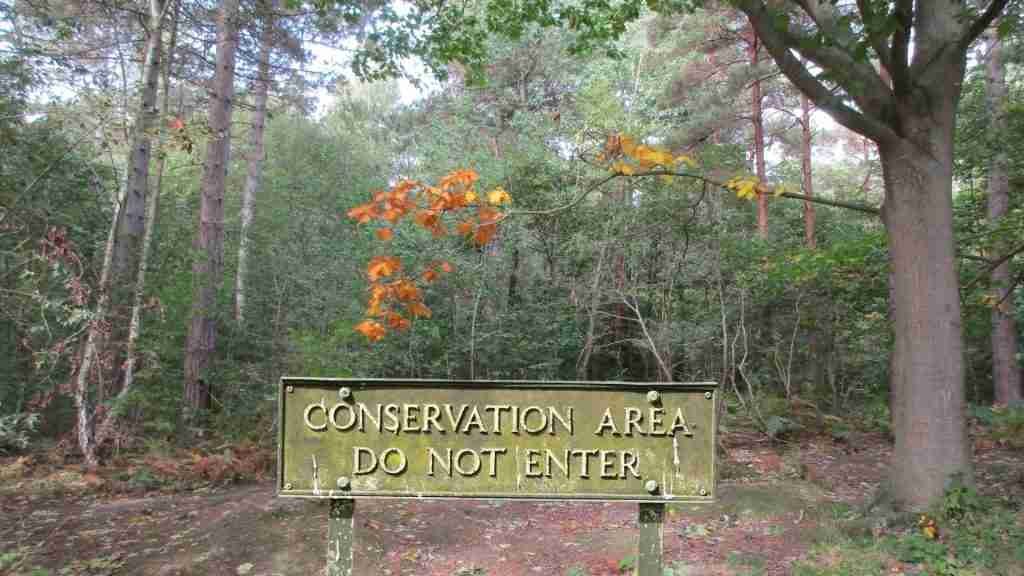


Ever started planning a garden makeover only to pause and wonder, “Do I need permission for this?” If you live in a conservation area, you’re not alone in this dilemma.
These designated areas are special zones where preserving historical, architectural, and natural beauty takes priority, meaning there are specific rules to follow.
But don’t worry—navigating conservation area garden rules doesn’t have to be overwhelming. In fact, with a little guidance, you can keep your garden stunning while staying within the law. In this post, I’ll break down everything from tree preservation to landscaping guidelines.

Whether you’re looking to revamp your back garden or simply prune a tree, I’ve got you covered.
Let’s dig in (pun intended) to understand conservation area garden rules and how they affect your outdoor haven!
Understanding Conservation Areas in the UK
What Are Conservation Areas?
Conservation areas are designated zones in the UK where preserving the historic or architectural character of a neighborhood is a priority.
Think cobblestone streets, Victorian homes, and lush greenery—these areas aim to protect the charm and heritage of the community.

But who decides what counts as a conservation area? Local councils are in charge, often working with Historic England to designate and manage these spaces.
The goal is to maintain the area’s aesthetic and cultural significance, ensuring future generations can enjoy it as much as we do today.
Why Do Conservation Area Rules Matter?
The conservation area rules aren’t just about limiting what you can do—they’re about preserving what makes these areas unique. These rules ensure:
- Mature trees and green spaces remain intact.
- The architectural harmony of the neighborhood is preserved.
- Communities continue to thrive in a visually and environmentally balanced way.
And let’s face it—while a sprawling tree or historic wall might be a headache to maintain, it’s also what gives a neighborhood its charm.
Key Conservation Area Garden Rules
General Landscaping Restrictions
Planning to install a new fence or pave your entire garden? In conservation areas, even seemingly minor changes might require approval. Some common rules include:
- Gaining permission for significant alterations like installing large outbuildings or paving over grassed areas.
- Restrictions on the height and style of fences, walls, and gates to maintain the area’s visual appeal.
Before picking up a shovel, check with your local council to ensure your plans align with conservation area garden rules.
Tree Preservation in Conservation Areas
Trees in conservation areas are often protected, even if they’re on private property. This means you can’t just chop down or drastically prune a tree without notifying your council.
Key Points About Tree Removal
- You must notify the council six weeks in advance of any work on trees with a trunk diameter over 75mm (at 1.5m above ground).
- Failing to comply can result in hefty fines.
The tree removal in conservation area guidelines exist to ensure valuable trees aren’t removed without good reason, whether for safety, health, or aesthetics.
Tree Removal in Conservation Areas
When Is Tree Removal Allowed?
Tree removal in a conservation area isn’t impossible—it just requires a valid reason and the right process. Common reasons include:
- The tree is diseased or dead and poses a safety risk.
- It’s causing damage to property foundations or underground utilities.
- It’s blocking essential light or access.
Steps for Obtaining Permission
- Submit a notification to your local council outlining the work you plan to do.
- Wait for a response—councils usually reply within six weeks.
- If no objections are raised, you can proceed.
Consequences of Removing Trees Without Permission
Ignoring the rules around tree removal in conservation area can lead to fines of up to £20,000. Worse, you may be required to replace the tree with one of similar size and species, which can be both costly and challenging.
Seeking Professional Help
Don’t want to risk it? Hire a certified arborist. They’ll navigate the regulations and ensure your tree work complies with the law.
Common Misconceptions About Conservation Area Rules
“I Can’t Change Anything in My Garden”
Not true! Minor changes like planting new flowers or shrubs often don’t require permission. The rules are more about significant alterations that might affect the area’s character.
“Trees in My Garden Aren’t Protected”
If you live in a conservation area, most mature trees are automatically protected, even if they’re on private land. Always check before making changes.
“I’ll Never Get Approval for Changes”
Councils are often open to thoughtful proposals, especially if they’re in keeping with the character of the area. Clear communication and good design can go a long way.
Practical Tips for Navigating Conservation Area Rules
Know Your Boundaries
First things first—confirm if your property is in a conservation area. You can check with your local council or use resources like Historic England’s map tools.
Communicate with Your Council
Got a big project in mind? Speak to your council before starting. Pre-application discussions can save you time, money, and stress.
Maintain a Balance
The best gardens in conservation areas blend modern needs with traditional aesthetics. Focus on designs that enhance both your space and the community.
Benefits of Conservation Area Rules
While these rules might feel restrictive, they come with plenty of perks.
Environmental Benefits
- Protecting mature trees helps maintain local biodiversity.
- Encouraging green spaces supports cleaner air and better urban cooling.
Community Value
- Conservation areas often have higher property values.
- Preserved aesthetics enhance the neighborhood’s charm and livability.
FAQs About Conservation Area Garden Rules
- Do I need permission to trim my hedge?
In most cases, no. However, if it’s part of a protected tree or structure, check with your council. - What counts as a “protected tree” in conservation areas?
Any tree with a trunk diameter over 75mm at 1.5m above ground. - Can I plant new trees or shrubs in my garden?
Absolutely! Just ensure they’re appropriate for the area’s character. - What happens if I accidentally break conservation rules?
Report the issue to your council immediately. They may impose fines or require remedial work.
Conclusion
Understanding conservation area garden rules is essential for maintaining the character and charm of these special zones. From tree preservation to thoughtful landscaping, small efforts make a big difference.
If you’re planning a garden project, remember to plan ahead, communicate with your council, and always prioritize the heritage and beauty of your surroundings.
What’s your experience with conservation area rules? Share your stories or tips in the comments—I’d love to hear them!