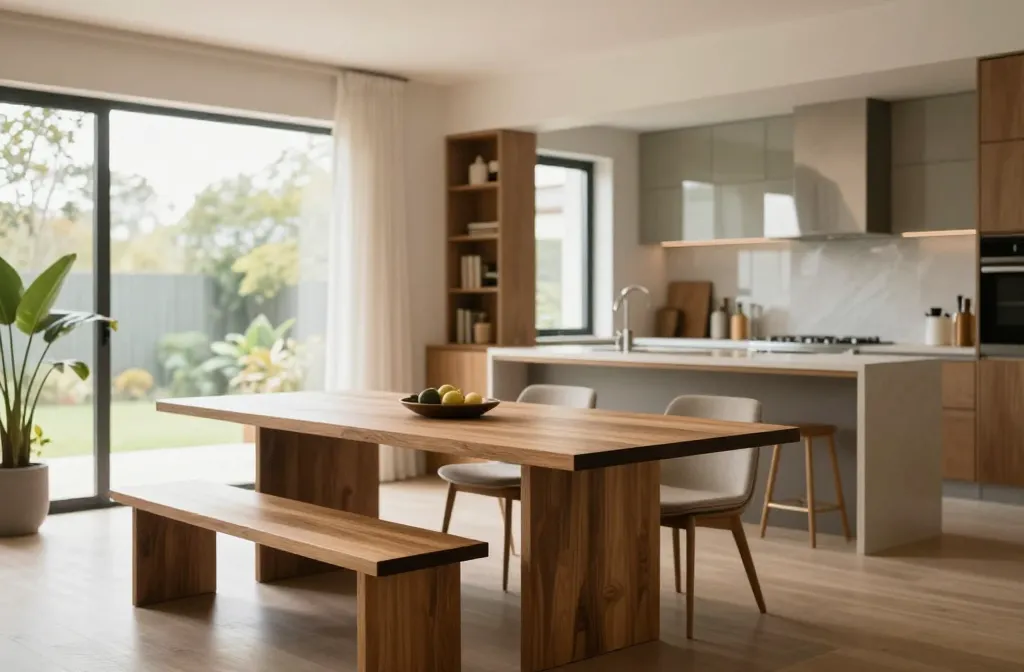
These ideas cut the guesswork out of open-plan living. You’ll see how small tweaks create big flow, better conversation, and a kitchen that actually feels connected to the dining area. Ready to redecorate without a full remodel? Let’s dive in.
1. Define Zones with a Subtle Room Divider
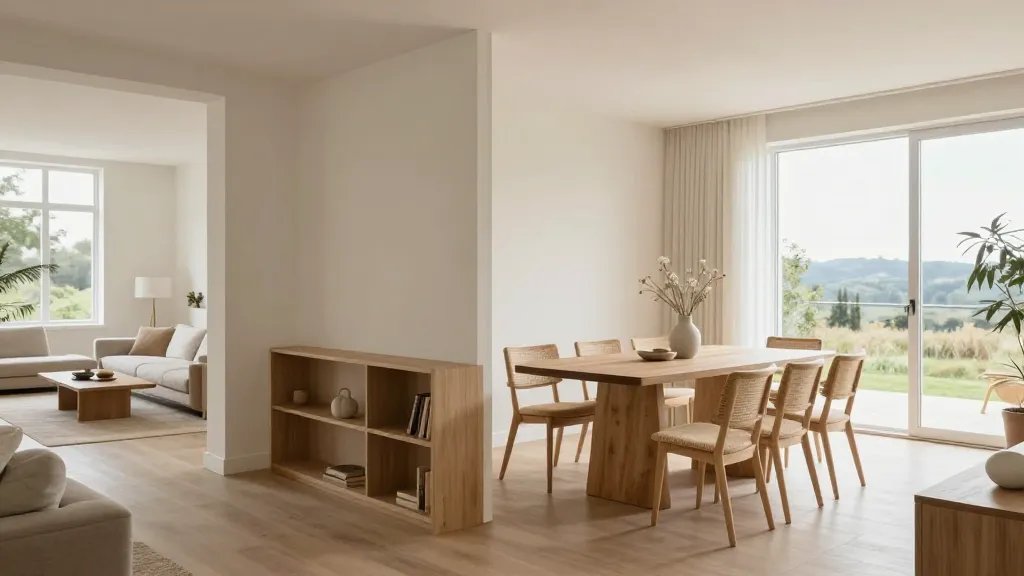
In open homes, you want a sense of separate spaces without walls. Use a shallow bookcase, console, or slim cabinet to carve out the dining zone. It creates a visual break while keeping sightlines intact.
Key Points
- Low-profile furniture works best
- Choose pieces in a finish that echoes another area
- Ensure enough airflow and light between zones
Best when you crave a dining nook that’s clearly defined but still part of the whole. FYI, this also protects your dining setup from kitchen clutter.
2. Extend the Table for Gatherings
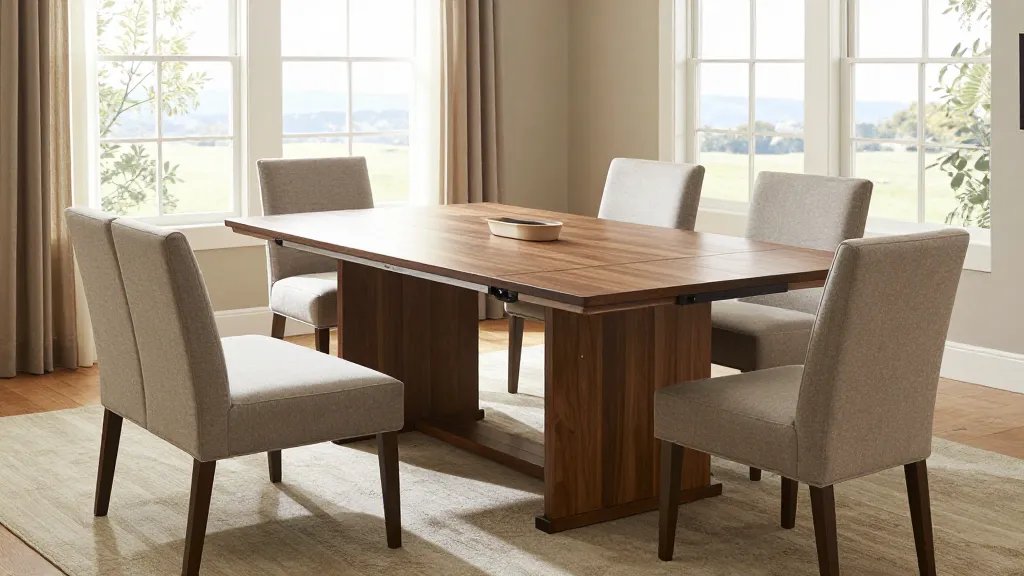
Longer tables aren’t just for holidays. An extendable centerpiece lets you host casually and still keep the vibe intimate for everyday meals. It’s practical and surprisingly stylish.
Tips
- Choose a table with a clean mechanism
- Pair with slimmer chairs to avoid crowding
- Consider a bench on one side for flexibility
When in doubt, extend for guests or keep it compact for date nights. The benefit? Instant versatility.
3. Mirror the Kitchen Color Palette
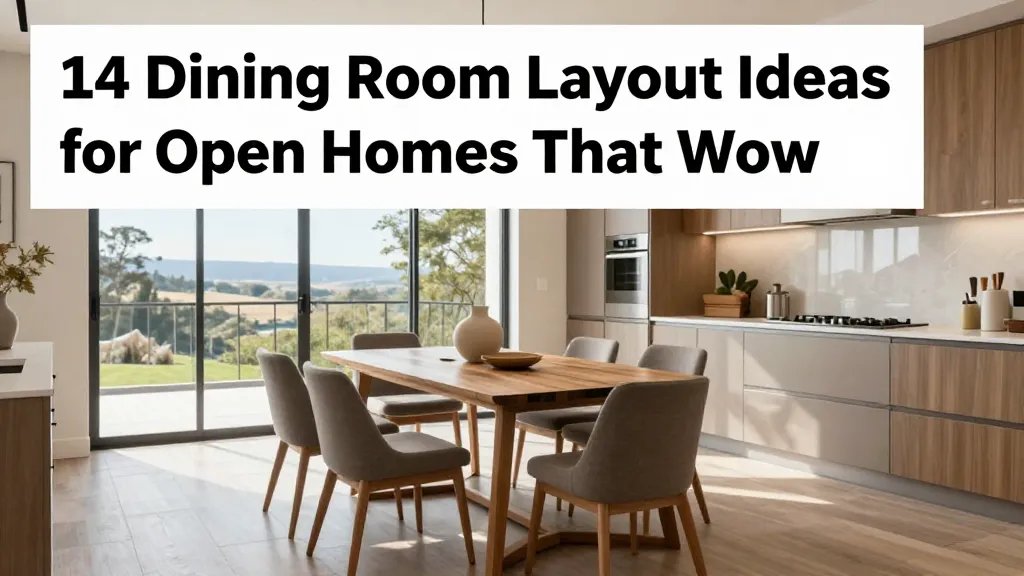
Open spaces love a cohesive color story. Reflect the kitchen hues in your dining furniture and decor to unify the area.
Why it Works
- Creates a continuous flow
- Boosts perceived space with light reflections
Use a bold accent color sparingly to avoid overwhelming the room. Trust me, it reads as intentional rather than chaotic.
4. Float the Dining Set for Airy Feel
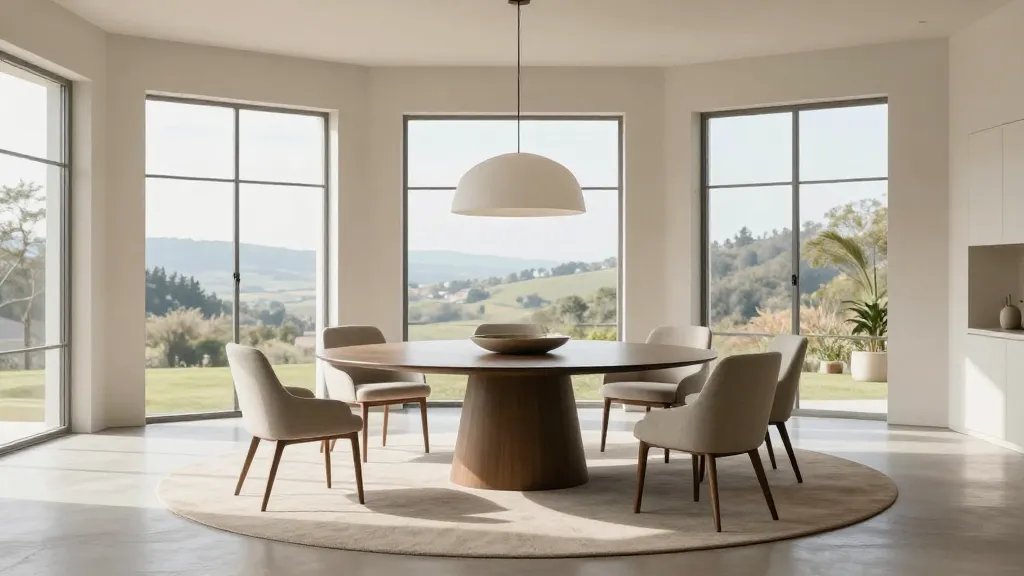
A floating arrangement means you don’t feel boxed into one corner. Move the table a few feet from walls and group seating in a circular or semi-circle to invite conversation.
Considerations
- Leave at least 36 inches of clearance around the table
- Elevate lighting above the center
It’s especially nice in small spaces where every inch counts and you want to avoid cramping against walls.
5. Create a Conversation Triangle
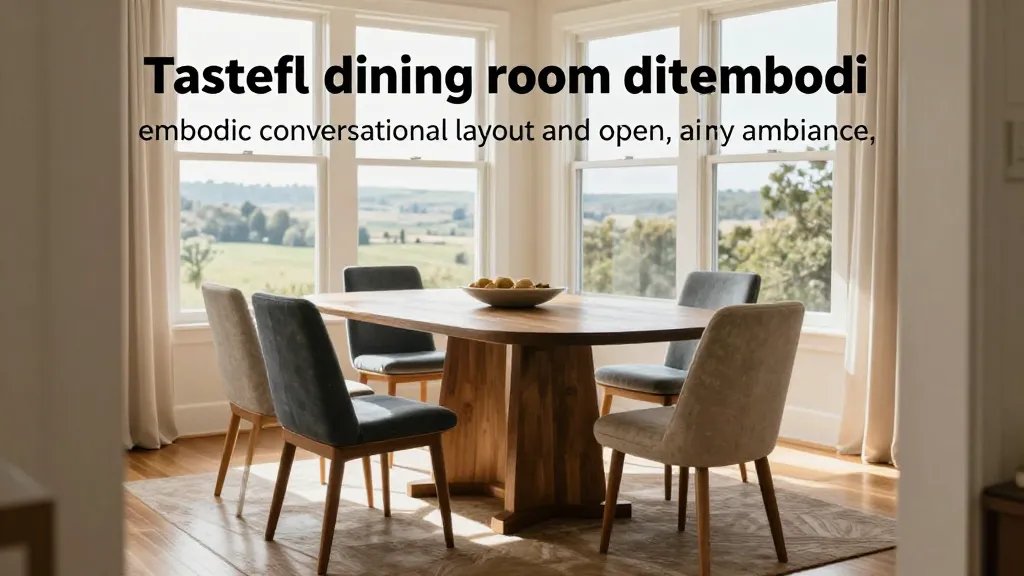
Seating that faces each other encourages chatter. Place chairs so guests form a loose triangle with the head of the table as a natural anchor.
Key Elements
- Mix chair shapes for personality
- Ensure sightlines stay open toward the room
Pro move: add a bench on one side for flexible seating. Seriously, friends will love the comfy vibe.
6. Add a Cozy Built-In Banquette
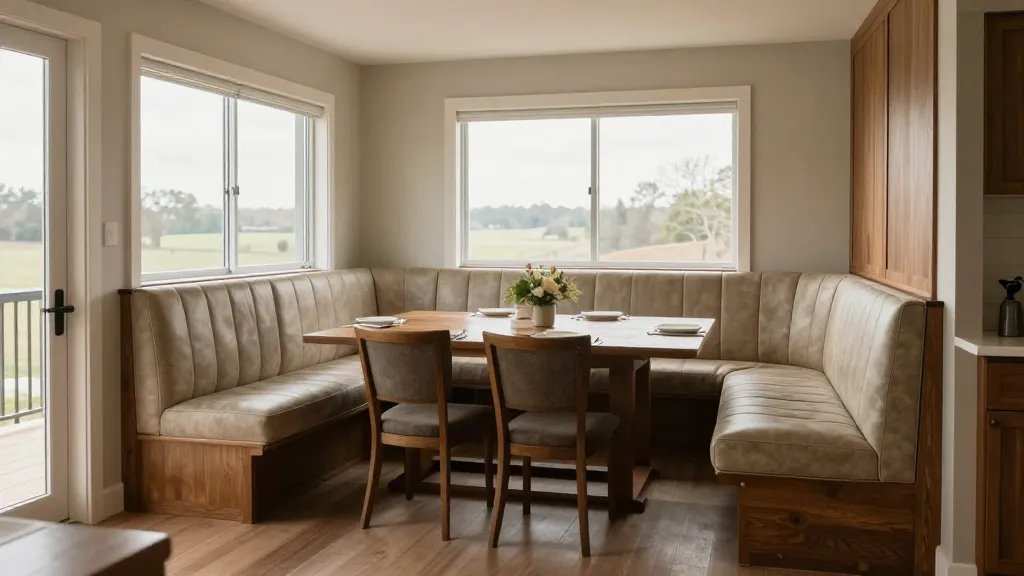
A built-in bench along a wall can transform dining corners into cozy nooks. It saves space and adds storage if you shoehorn in a few drawers underneath.
Materials
- Upholstered vinyl for durability
- Storage ottomans integrated at the ends
Best when you host brunches or casual family meals. The low profile keeps sightlines open while inviting lingering conversations.
7. Layer Lighting to Define Mood
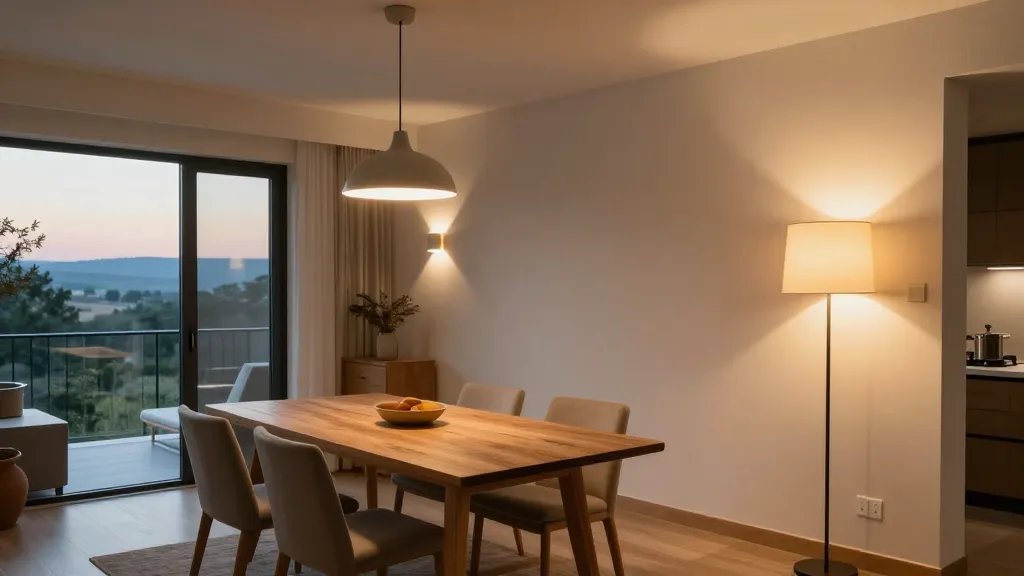
Open spaces demand flexible lighting. Combine a statement pendant with ambient wall sconces or a floor lamp to create zones and set the vibe.
Quick Setup
- Pendant directly over the table
- Dimmer switches are your best friend
Light changes drastically with time of day—tune it to keep the area inviting from breakfast to late dinners.
8. Embrace an U-Shaped Layout (In a Corner)
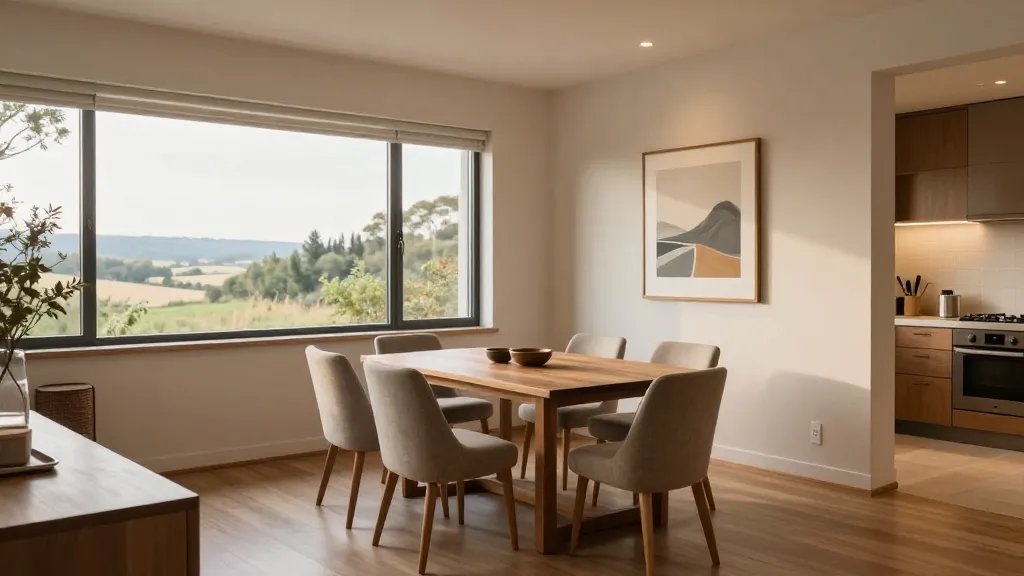
If your floor plan allows, arrange the dining set in a gentle U-shape that hugs a corner. This creates an intimate table-for-four-feel while keeping the open flow intact.
Why It’s Great
- Maximizes wall space for art or storage
- Encourages inclusive seating for everyone
Bonus: you still get easy access to the kitchen and living area without feeling crowded.
9. Use a Round Table to Encourage Conversation
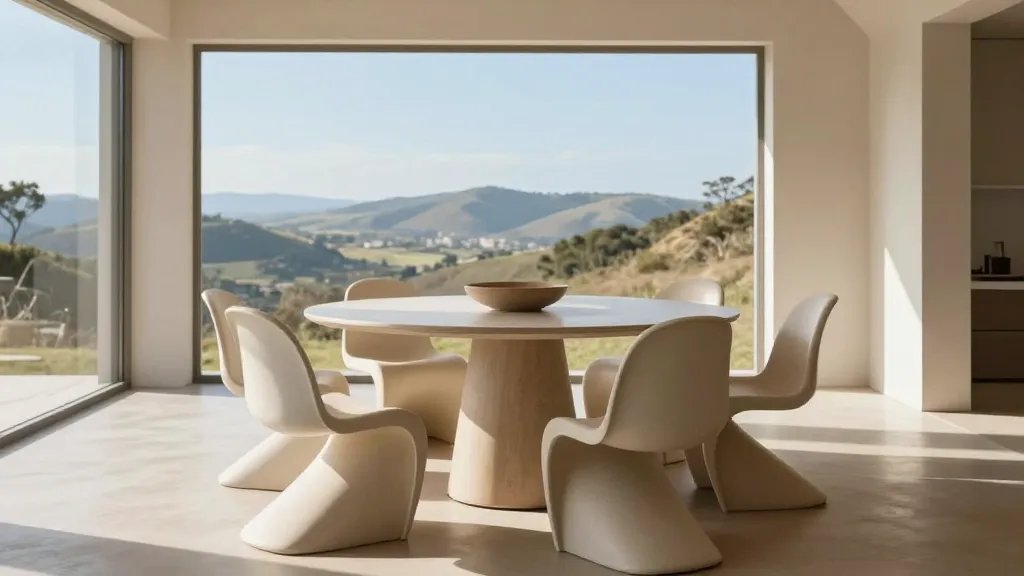
Round tables avoid head-of-the-table politics and invite everyone into the center of the action. They’re especially friendly in open-plan rooms.
Practical Notes
- Smaller diameter suits compact rooms
- Complement with sculptural chairs
Round tables shine in casual dining and are surprisingly flexible for reshuffling during parties.
10. Make a Statement Zone with a Bold Rug
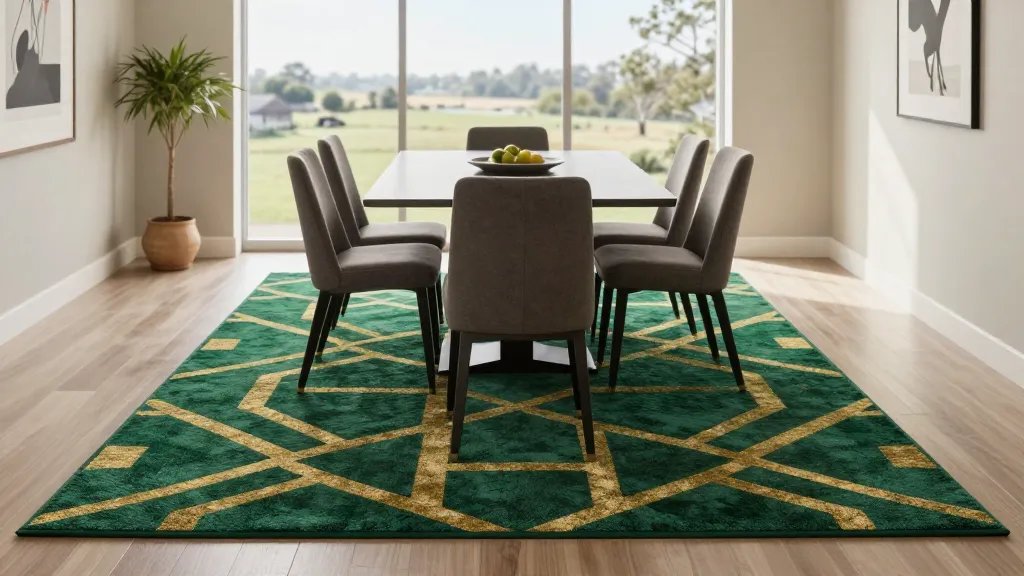
A rug under the dining set anchors the space and adds warmth. Choose a bold pattern or color to define the dining zone without shouting.
Tips
- Rug should extend at least 24 inches beyond all chairs
- Pick a low-pile rug for easy chair movement
When guests sit, you’ll notice the room feels intentional and styled, not random.
11. Integrate Greenery for Fresh Energy
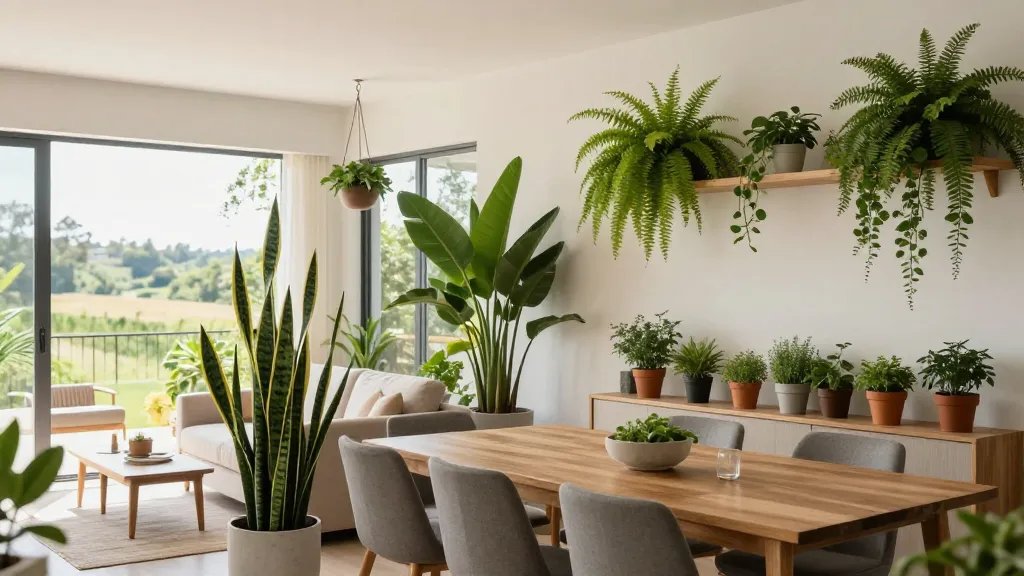
Plants brighten up any open area and soften hard lines. A tall plant near the sofa, a hanging planter, or a row of small potted herbs on the sideboard adds life to the dining experience.
Plant Picks
- Snake plant for low maintenance
- Pothos cascading from a shelf
- Fern for textural contrast
FYI, greenery makes everything feel more welcoming and less sterile, especially during dinner parties.
12. Maximize Storage with a Hallmark Console
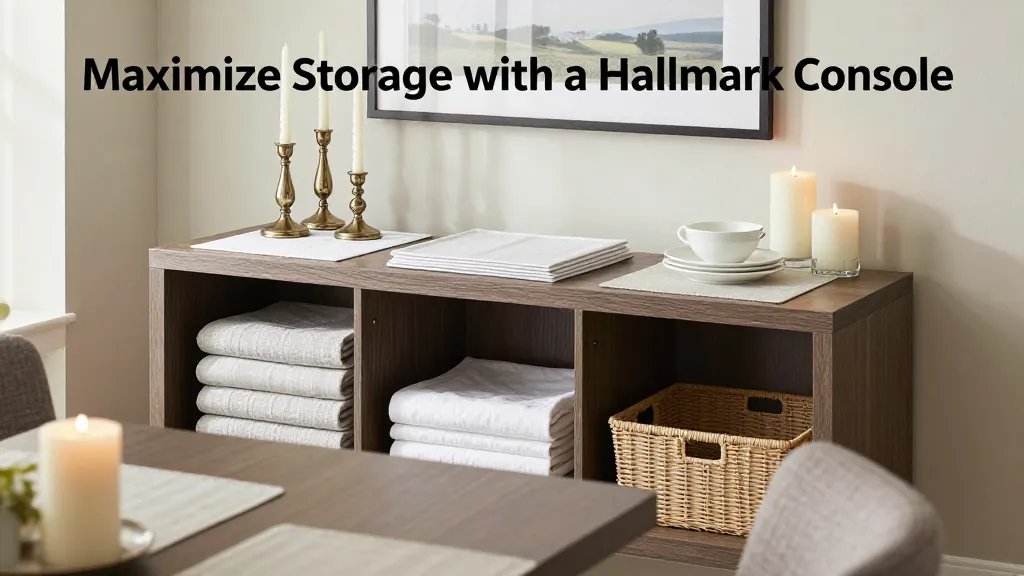
A stylish console behind or beside the dining table can hide linens, placemats, and extra candles. It also gives you a surface for decor that doesn’t clutter the table itself.
What to Stock
- White or neutral placemats
- Seasonal candlesticks
- Dishware you actually use
Keep it tidy with baskets or dividers. Your future self will thank you during clean-up time.
13. Bring in Textural Drama with Upholstered Chairs
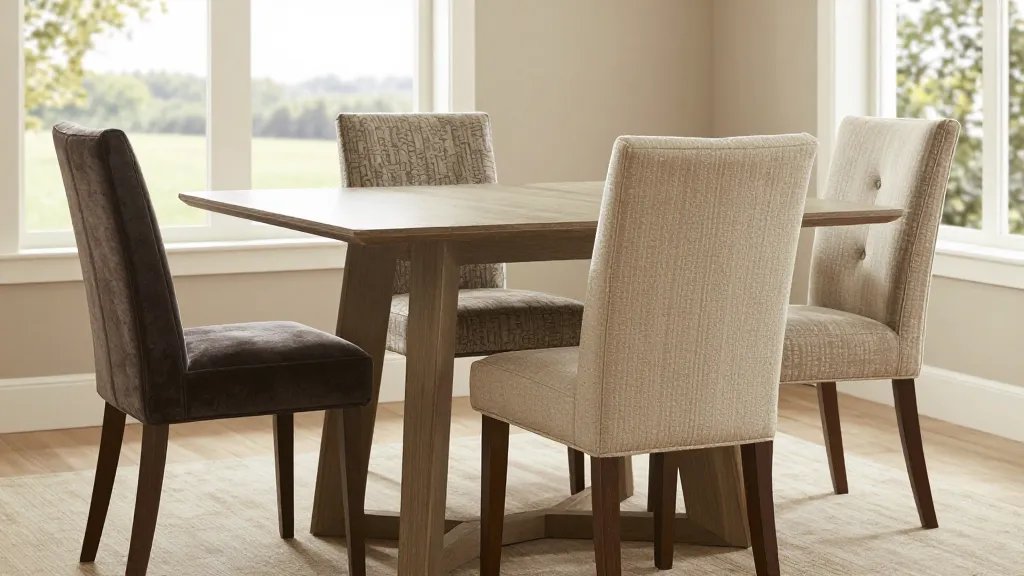
Upholstered chairs soften the dining area and bring tactile interest. Mix a couple of patterns or tones for depth, but stay within a cohesive palette.
Where to Start
- Choose fabrics that wipe clean easily
- Balance with a simpler table surface
It’s a small change that yields big cozy vibes and a bit of luxury without breaking the bank.
14. Keep It Flexible with a Moveable Bar Cart
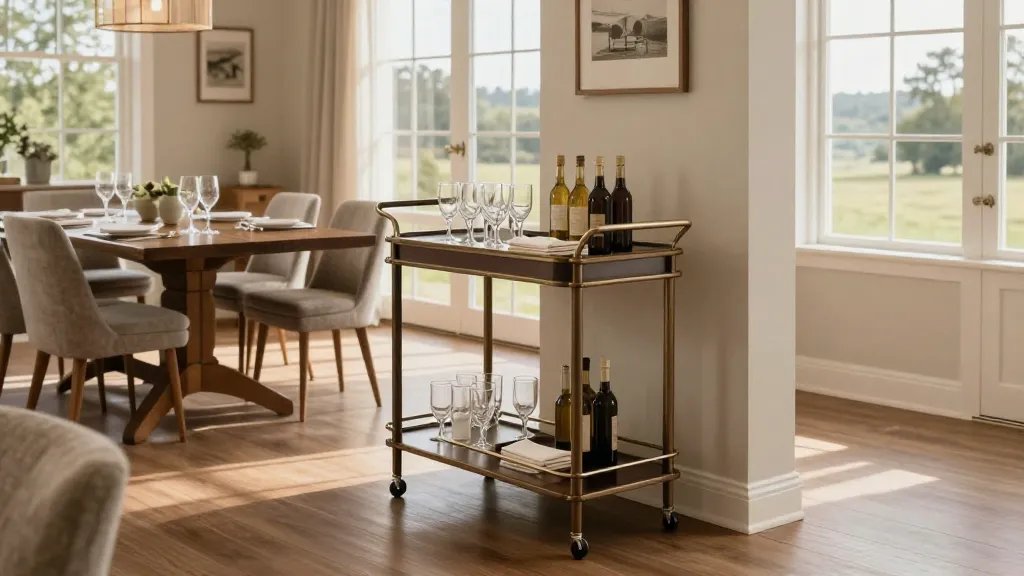
A bar cart near the dining area doubles as a prep surface for entertaining and as a casual serving station. When you’re not hosting, it doubles as decor or a tea station.
Setup Ideas
- Stock with glassware, napkins, and a few bottles
- Use trays to organize items for quick resets
It’s the little touches that make gatherings feel effortless and well-planned.
Ready to test-drive these ideas? Pick one or two to start, and watch your open-plan dining room transform into a more social, functional, and stylish space. You’ll wonder how you ever lived without the flow you’ve created. Trust me, your home—and your guests—will thank you.