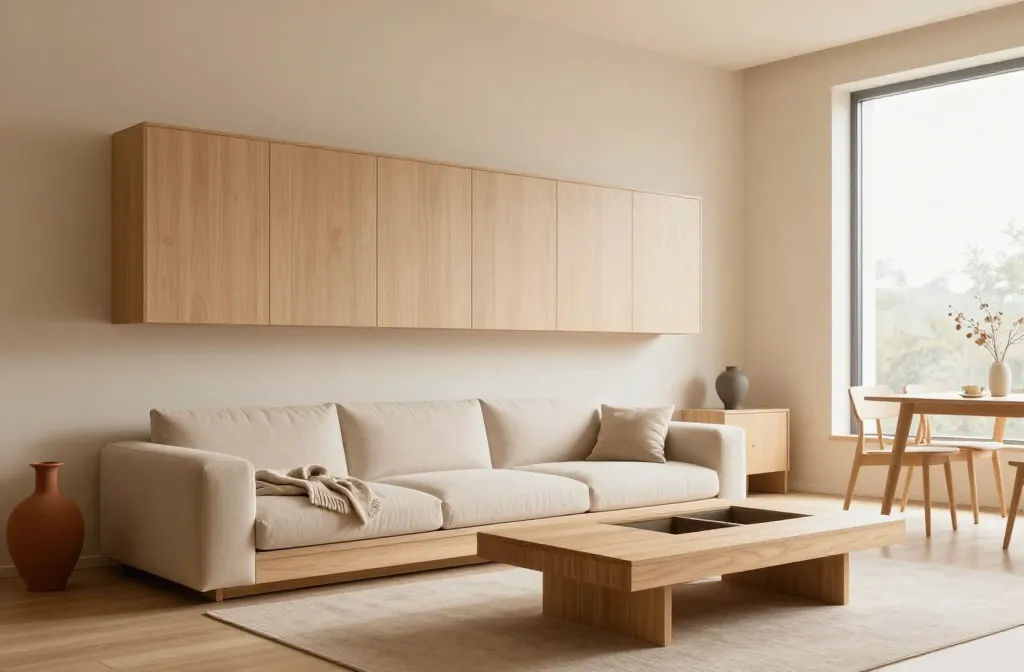
Short on clutter, big on calm. These minimalist ideas transform spaces into serene sanctuaries you actually want to live in. Let’s dive into practical, stylish, and affordable ways to slash chaos without slashing style.
1. Embrace Hidden Storage Mastery
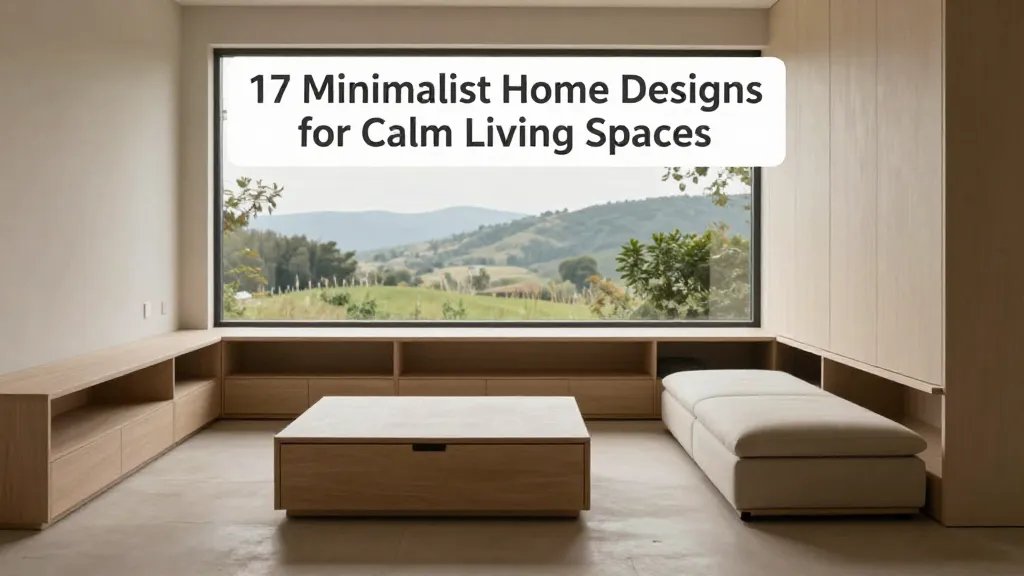
The cleanest rooms feel effortless because everything has a proper home. Hidden storage takes the edge off visual clutter and keeps your daily essentials within reach.
Key points:
- Furniture with built-in drawers or lift-top compartments
- Under-bed ottomans that open for extra odds and ends
- Floating shelves with closed cabinets for a neat silhouette
Apply this by choosing a few multipurpose pieces and resist bringing in extra decor that adds noise. Your eyes will thank you.
2. Declutter Like a Pro, Then Define Zones
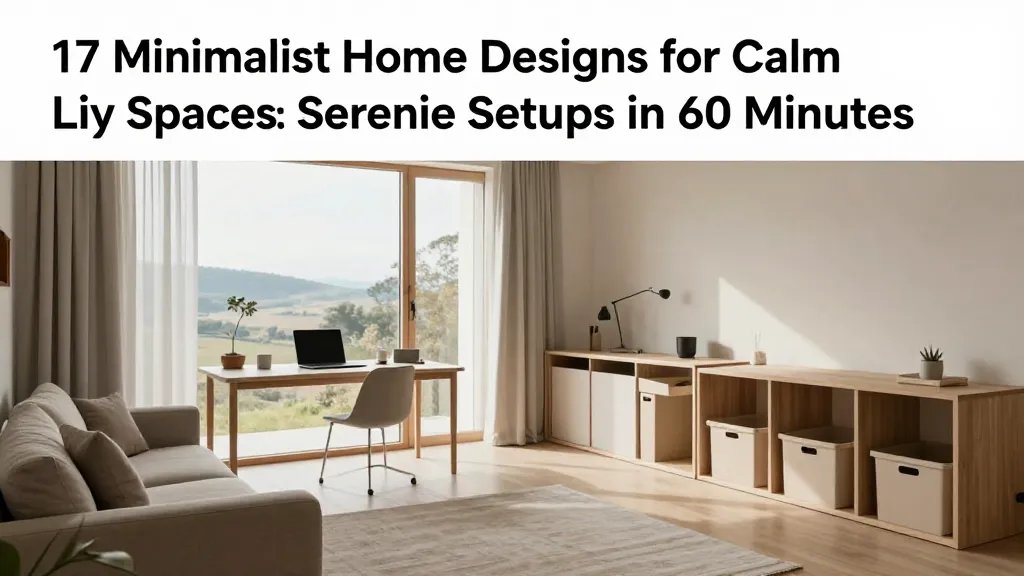
Minimalism isn’t about empty rooms; it’s about purposeful spaces. Start with a fierce declutter, then carve out zones for work, rest, and play.
What to do:
- Set a timer for 15 minutes and sort items into keep, donate, recycle
- Label boxes for quick future sorting
- Map areas: a calm workspace, a restful lounge, a dining nook
End result: calmer mornings, cleaner evenings, and fewer “where did I put that?” moments.
3. Warm Neutrals with a Modern Twist
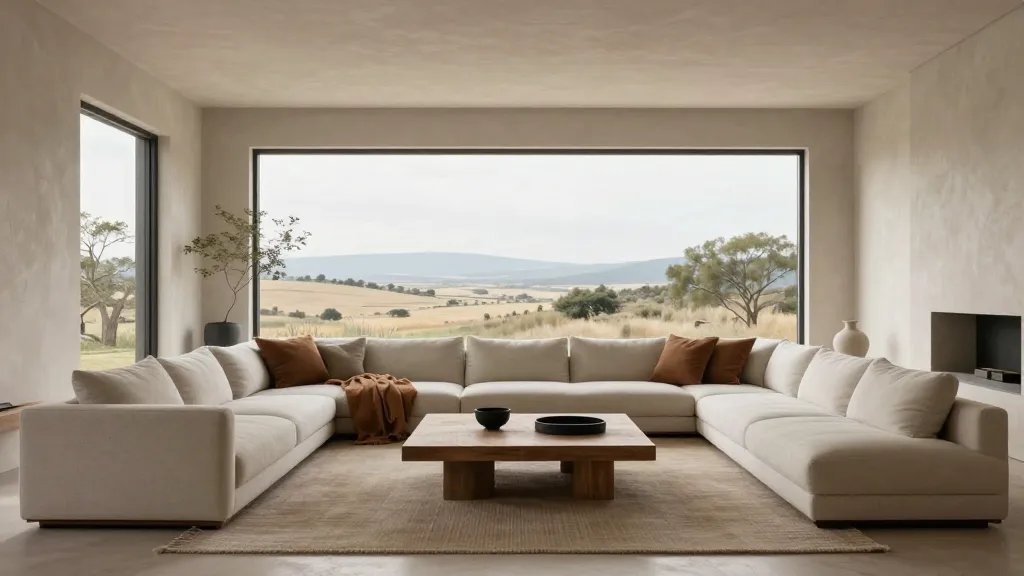
Neutral tones feel expansive, while a few warm accents keep things inviting. The key is balance, not beige overload.
Why it works:
- Soft taupes, warm greys, and creamy whites create depth
- Accent with wood grain and a splash of black for contrast
- Textures do the heavy lifting when color is restrained
Tip: keep major surfaces cohesive and use small decor to inject personality.
4. One-Task Lighting That Delivers Calm
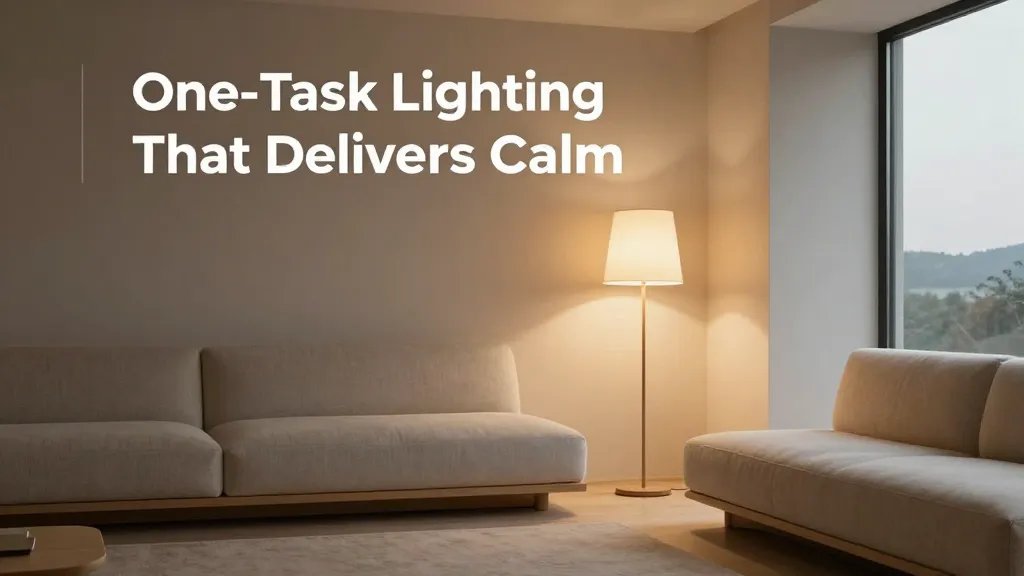
Good lighting changes everything. Minimalist spaces thrive on simple, purposeful lamps rather than a sea of fixtures.
How to implement:
- A single floor lamp with a soft glow in the living area
- Warm LED bulbs (2700–3000K) for coziness
- Dimmer switches to set the mood
FYI: lighting can make or break a calm vibe, so don’t skip this step.
5. Texture Layering Without Mess
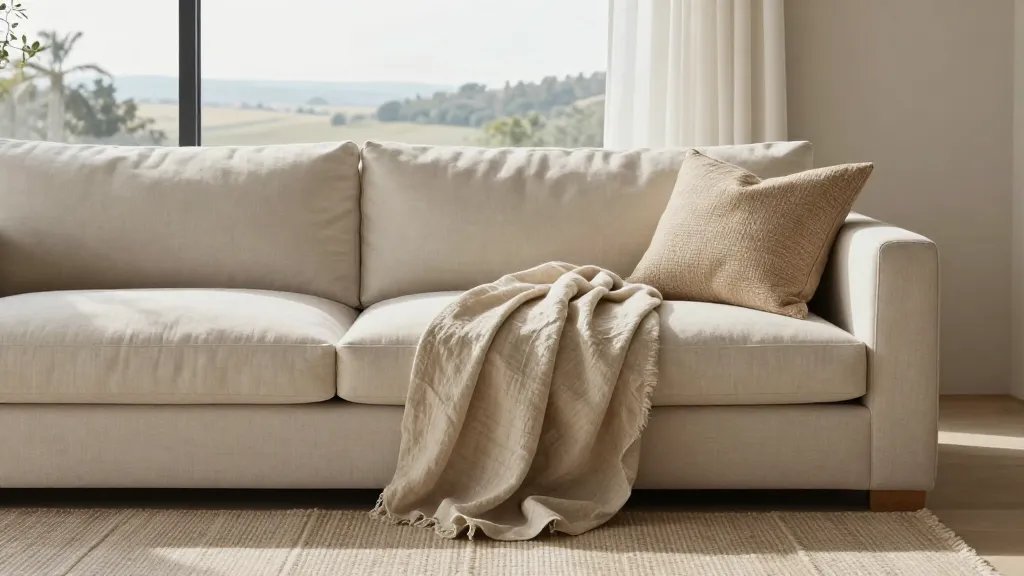
Texture adds depth without color chaos. Think of it as visual comfort food for your eyes.
Why it shines:
- Woven rugs, linen throws, and a tactile throw pillow
- Natural fibers like jute, cotton, and wool
- Soft, breathable fabrics reduce visual noise
Use sparingly but meaningfully—one statement texture per room goes a long way.
6. Clean Lines, Warm Corners
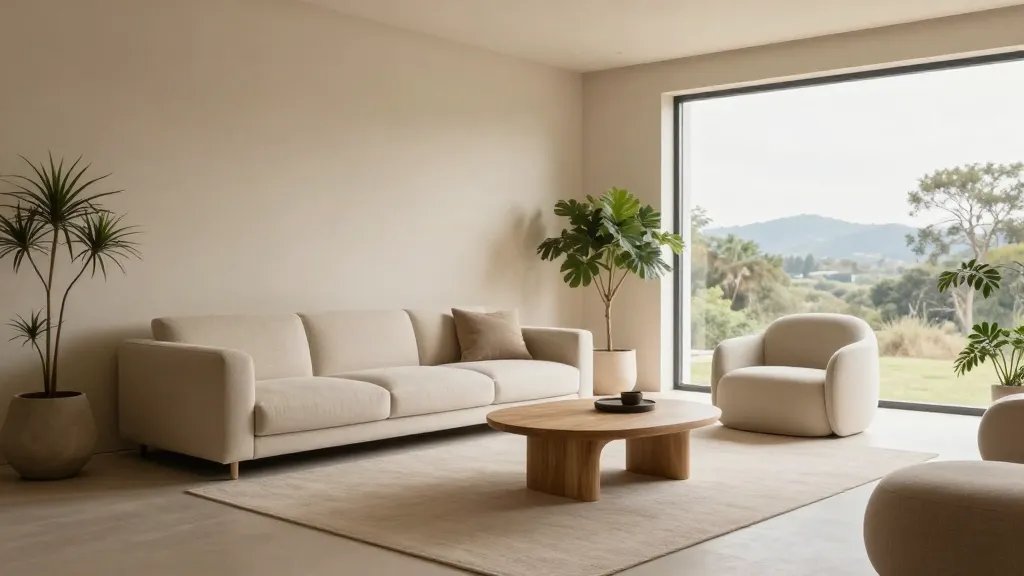
Minimalism loves clean lines, but corners don’t have to feel cold. You can soften them with plant life or curved furniture edges.
Smart choices:
- Low-profile sofas with slim arms
- Sculptural side tables with gentle curves
- Rounded plant pots or poufs to counteract stiffness
Result: a space that feels intentional, not clinical.
7. Greenery as the Quiet Hero
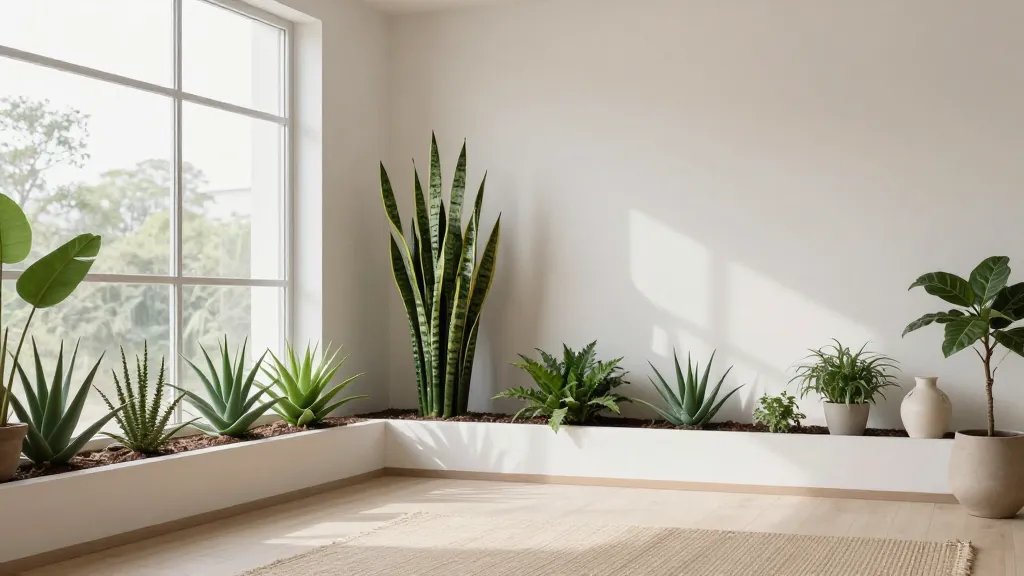
Plants bring life to minimal spaces without shouting for attention. They clean the air and soften the geometry.
Pick plants that thrive indoors with minimal fuss:
- Aloe Vera, Snake Plant,ZZ Plant
- One statement plant in a corner and smaller ones on shelves
- Low-maintenance planters that match your color palette
Care tip: water sparingly and place away from direct harsh sun to keep things graceful.
8. Workable, Not Wasteful: The Home Office Nook
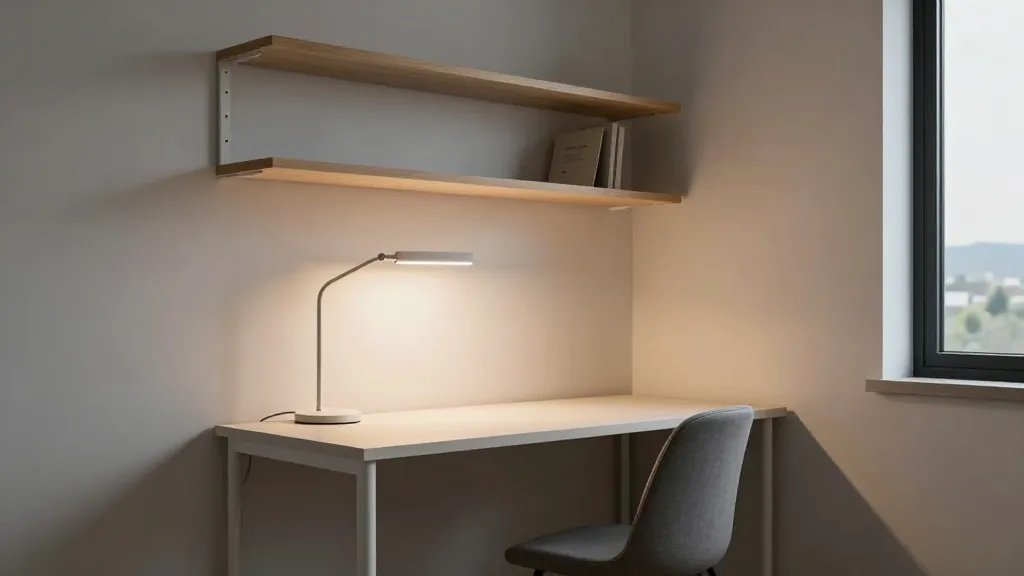
Minimalist spaces love a dedicated zone for focus. You don’t need a full room—just a neat nook that sparks productivity.
How to craft it:
- A compact desk with clean lines
- A single task light and a quiet chair
- Cable management to hide cords and keep the surface clear
Bonus: use vertical space for shelves instead of a bulky bookcase.
9. The Power of Negative Space
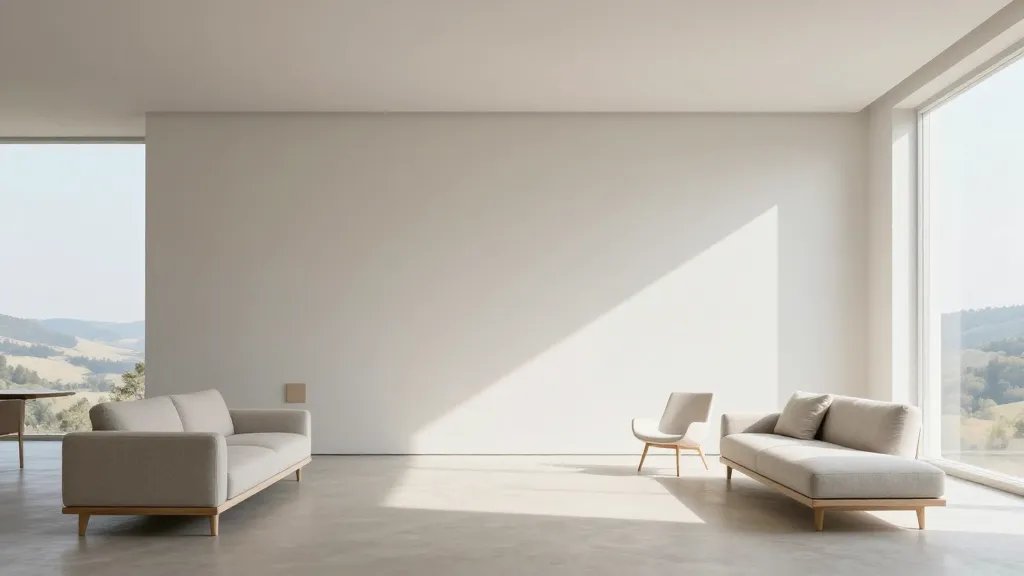
Negative space is not empty; it’s deliberate breathing room that makes the room feel peaceful.
Practice:
- Leave 20–30% of walls or surfaces intentionally bare
- Choose a few meaningful pieces instead of many tiny trinkets
- Let air flow around furniture so rooms feel open
Benefits: calmer mind, easier cleaning, and a lasting sense of balance.
10. Mirror Magic for Perceived Calm
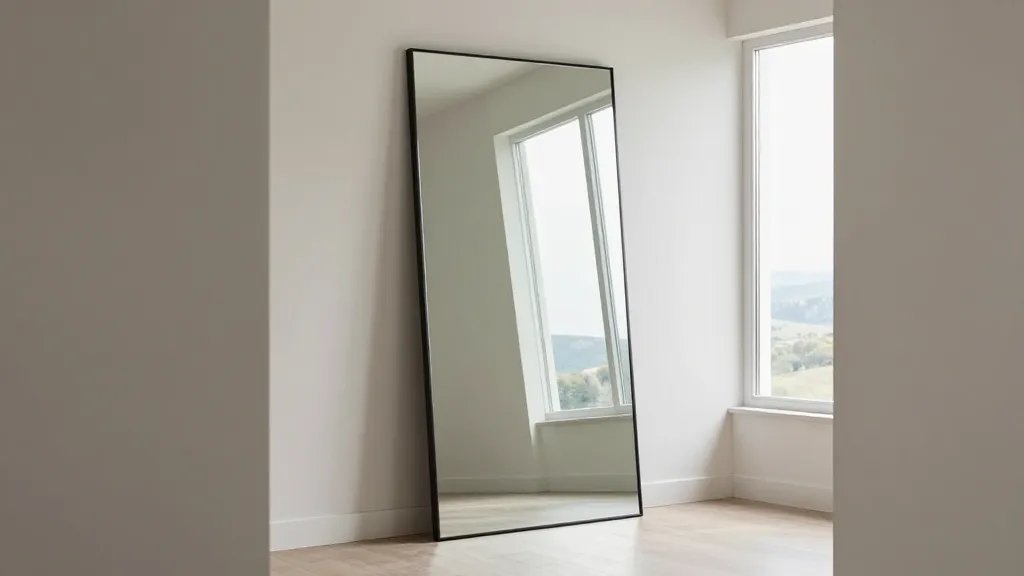
Strategic mirrors bounce light and create the illusion of space. They’re practical and pretty when placed well.
Tips to use:
- Position opposite windows to reflect natural light
- Choose frames that echo your minimalist aesthetic
- A large mirror can anchor a small entryway or dining nook
Small caveat: don’t overdo; too many mirrors can feel busy.
11. Floor Plan Flow: Easy Navigation Wins
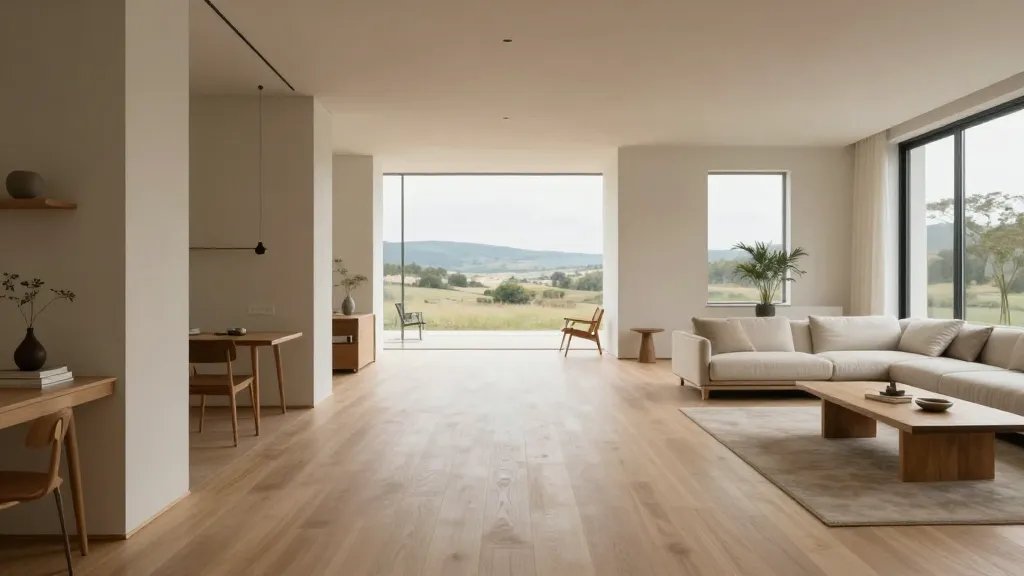
A calm space invites easy movement. A thoughtful floor plan reduces friction and keeps life running smoothly.
How to ensure flow:
- Avoid placing furniture in high-traffic lines
- Leave a clear path between seating areas and entrances
- Use area rugs to define zones without crowding
When it clicks, you’ll notice a steadier vibe and less bumping into furniture at 2 AM.
12. Monochrome Accents with a Single Pop
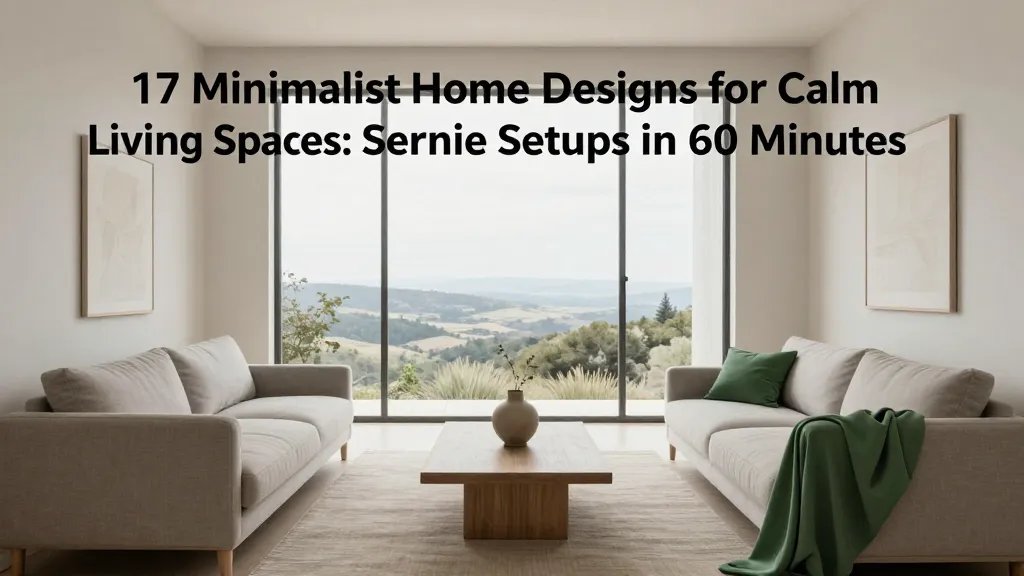
Monochrome palettes feel serene; add a single, well-chosen color to anchor the room.
How to pull it off:
- Choose one bold accent hue (e.g., moss green or navy)
- Keep furniture neutral; let your color show in a throw, vase, or art
- Switch out accessories seasonally for fresh energy
Result: a living space that stays calm but never dull.
13. Calm Kitchen, Clear counter, Happy chef
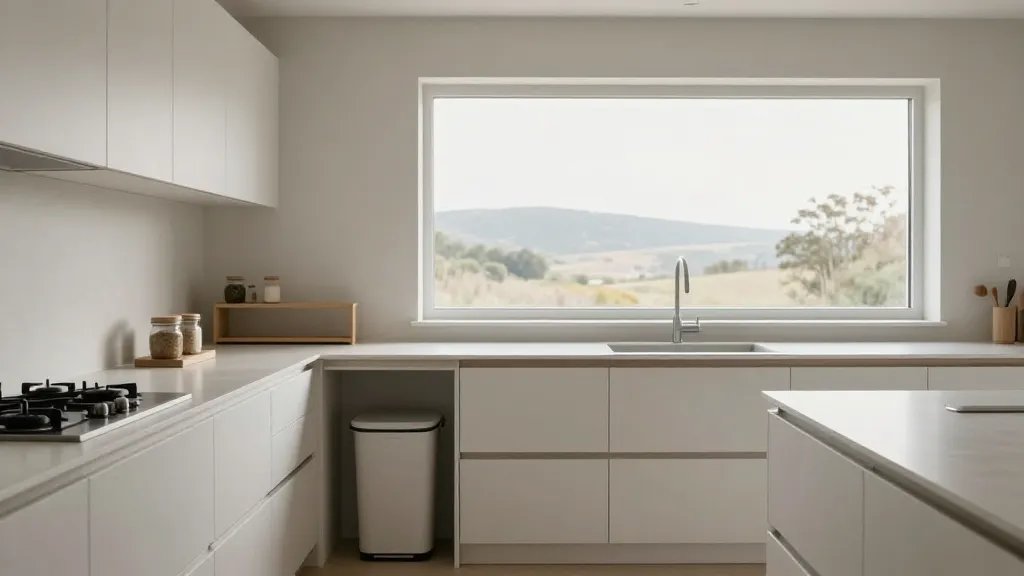
Kitchens should support calm cooking, not chaos. A minimalist kitchen minimizes gadgets and maximizes usability.
Make it work:
- Clear counters of non-essentials
- Open shelving only for necessary items and pretty jars
- Hidden trash and recycling bins keep the line fresh and tidy
FYI: a tidy kitchen is a happier cook and a calmer morning routine.
14. Art That Speaks Quietly
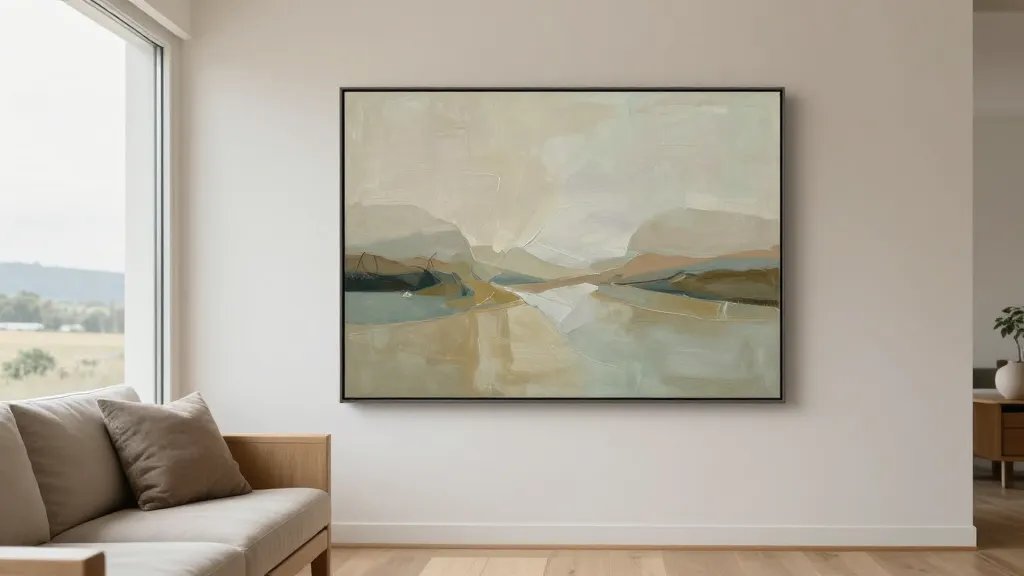
Art can tie the room together without shouting for attention. Choose pieces that evoke calm or curiosity.
Guidelines:
- Limit wall art to 1–3 statements per room
- Opt for simple frames and a restrained color palette
- Place art at eye level for easy viewing and better balance
Trust me, a well-chosen piece makes a room feel completed, not crowded.
15. Soft Soundscape for Mental Clarity
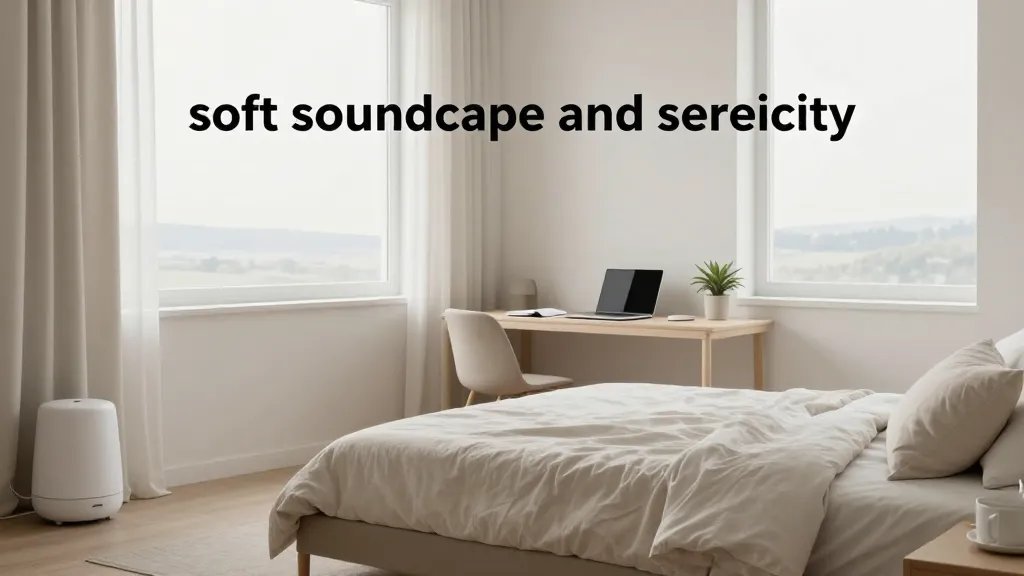
Sound matters just as much as sight. A gentle sound environment reduces stress and boosts focus.
Simple ideas:
- Soft music or ambient noise in the background
- A small white-noise machine in the bedroom
- Knockout loud, jarring sounds by choosing quiet zones
Implications: you’ll sleep better and think clearer during your workday.
16. Sustainable Minimalism: Less Waste, More Joy
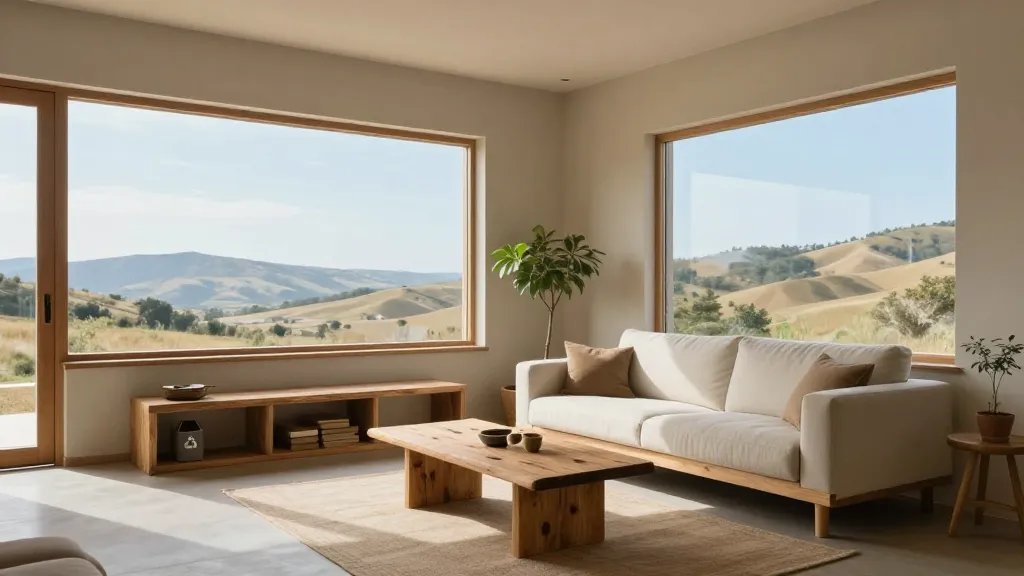
Minimalism isn’t about depriving yourself; it’s about choosing wisely. Sustainable choices keep your space timeless.
Practical steps:
- Invest in quality over quantity
- Repair rather than replace when possible
- Choose recyclable or durable materials for décor and furniture
Bonus: you’ll save money and feel good about your footprint. IMO, that’s a win.
17. Personal Touches Without the Clutter
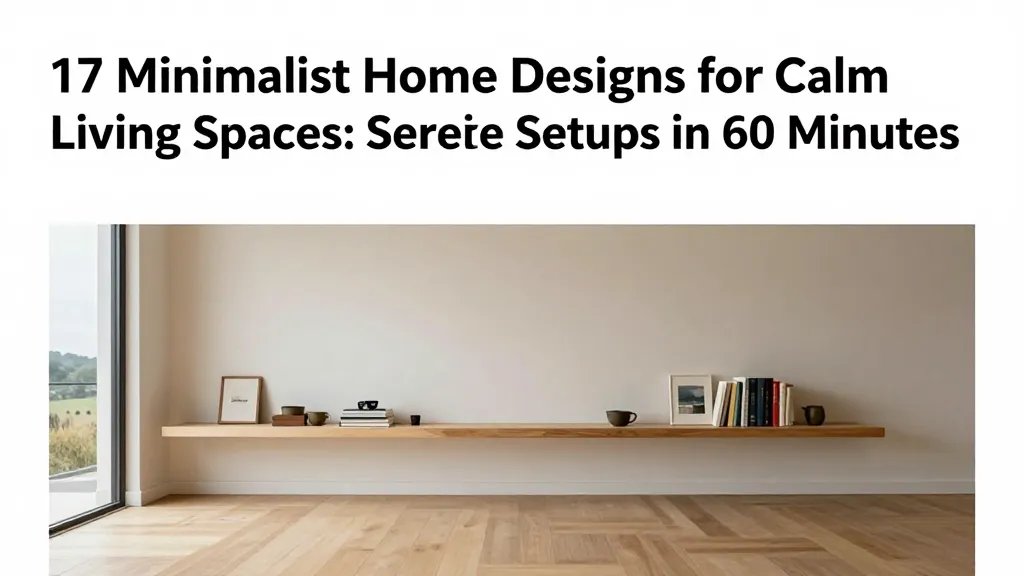
Finally, your home should feel like you. Minimalism doesn’t erase personality—it curates it with intention.
How to add you in small doses:
- A few well-loved keepsakes on a single shelf
- Incorporate hobbies into decor (a shelf of travel mementos, favorite books)
- One signature piece per room that truly sparks joy
End thought: this is your space, so design it to support your days—without turning into a museum.
Ready to test these ideas? FYI, start with one room and implement a single change this week. You’ll be amazed how quickly calm spreads through the whole home. Trust me, your future self will thank you.