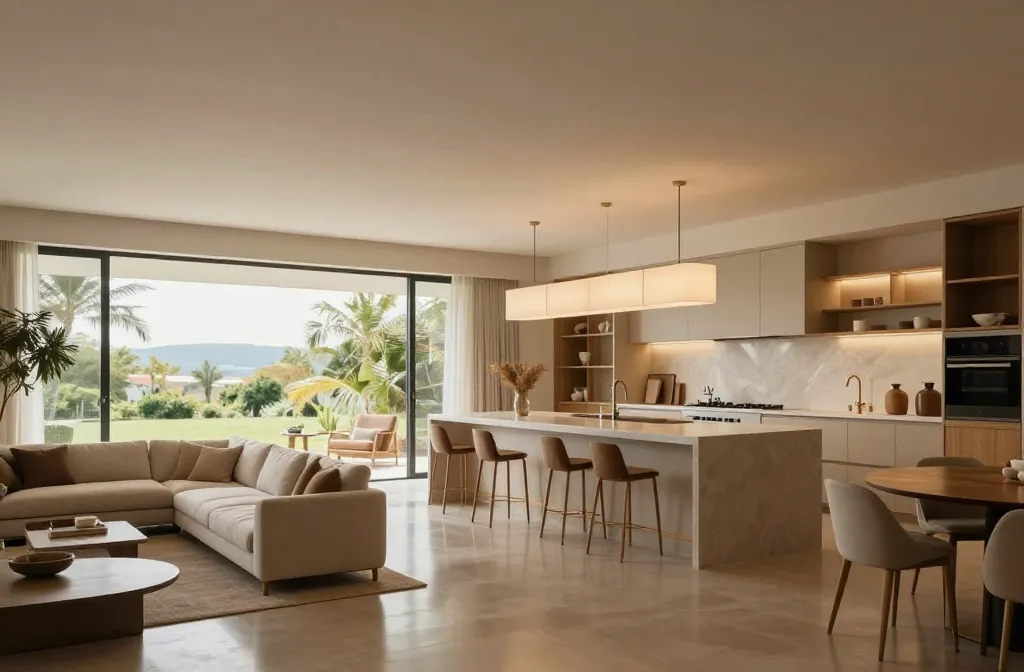
Thinking in rooms is so last season. Open concepts bring flow, light, and a dash of wow. Let’s dive into 18 bold ideas that prove bigger truly is better when you break down walls (in a good way).
1. Clear the Decks: Reimagine the Living-Dining Fusion
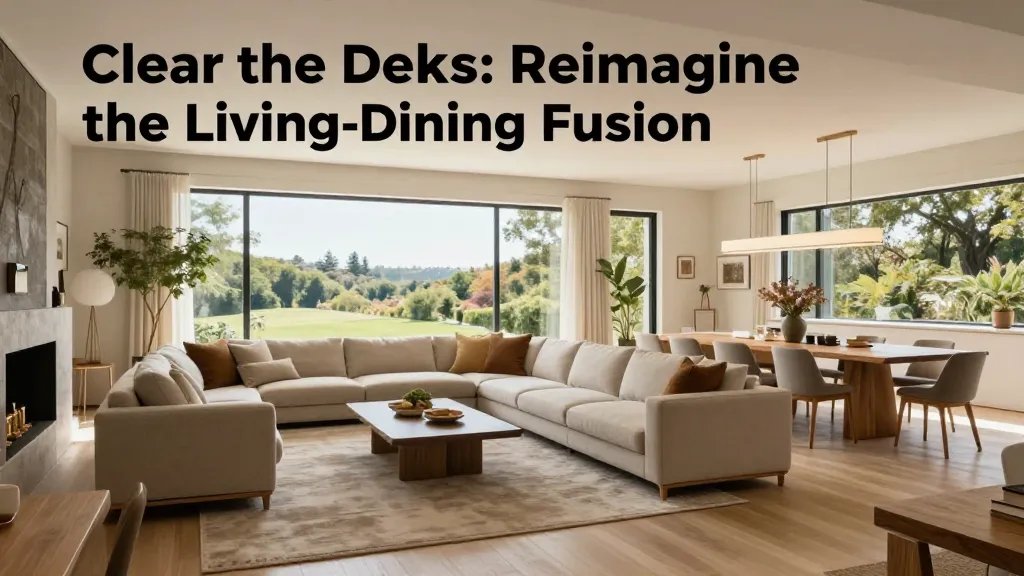
The living and dining areas merge to create one uninterrupted social zone. This is perfect for entertaining or casual family nights. No more shouting across walls to pass the mashed potatoes.
Why it works
- Seamless sightlines boost natural light
- Flexible furniture layouts
- Unified color palette ties spaces together
Try a single rug under both zones to anchor the area, and add a statement lighting fixture that spans both spaces. Benefits? Effortless hosting and a more spacious feel.
2. The Kitchen Island Oasis: Centerstage for Social Cooking
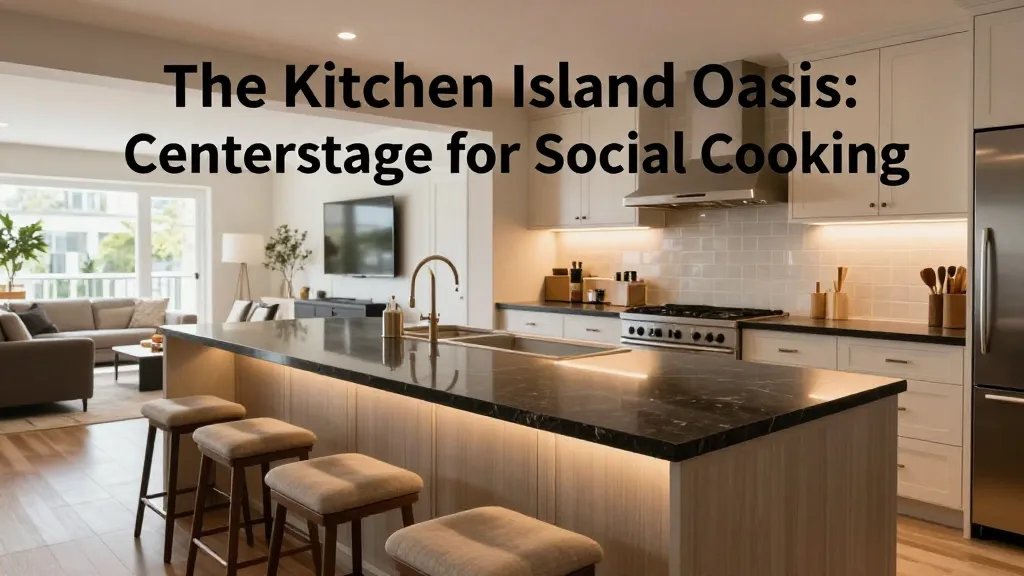
Open kitchens with generous islands make cooking a social sport. You get prep space, casual seating, and a natural gathering point.
Tips for killer design
- Choose a durable countertop that contrasts with cabinetry
- Incorporate hidden storage to keep surfaces clean
- Install under-counter lighting for mood and practicality
When to use: great for small kitchens that still want big vibes. FYI, add bar stools with cushions for long chats over sauce reductions.
3. The Layered Light Strategy: Day-to-Night Illumination
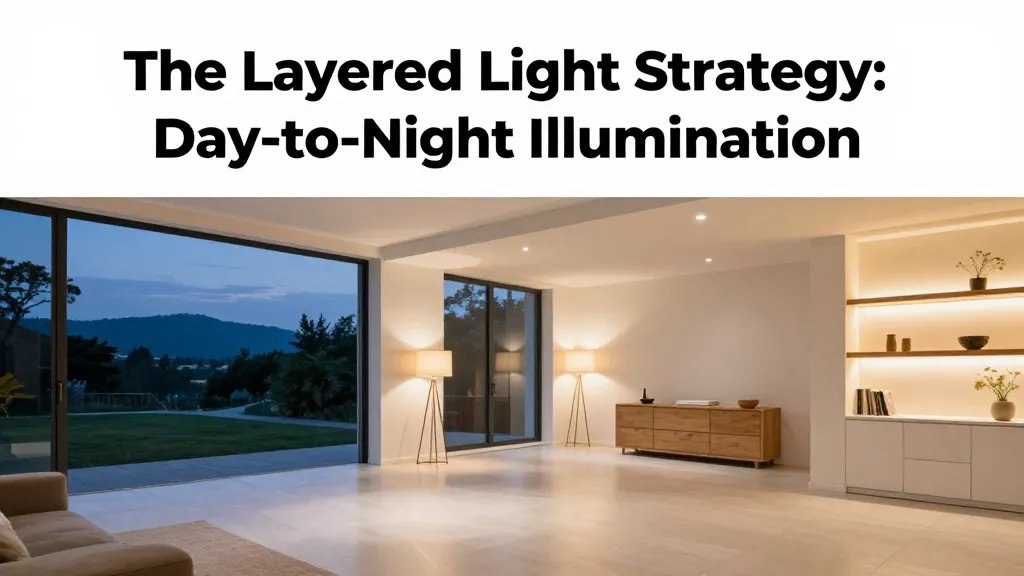
Open spaces crave multiple light sources. A layered approach mixes ambient, task, and accent lighting for drama and practicality.
What to include
- Ceiling fixtures and recessed lights
- Floor lamps for nooks
- Accent LEDs under shelves or cabinets
Benefits: mood control at your fingertips and a space that adapts as the sun plays hide-and-seek.
4. Textural Symphony: Mix Wood, Metal, and Fabric
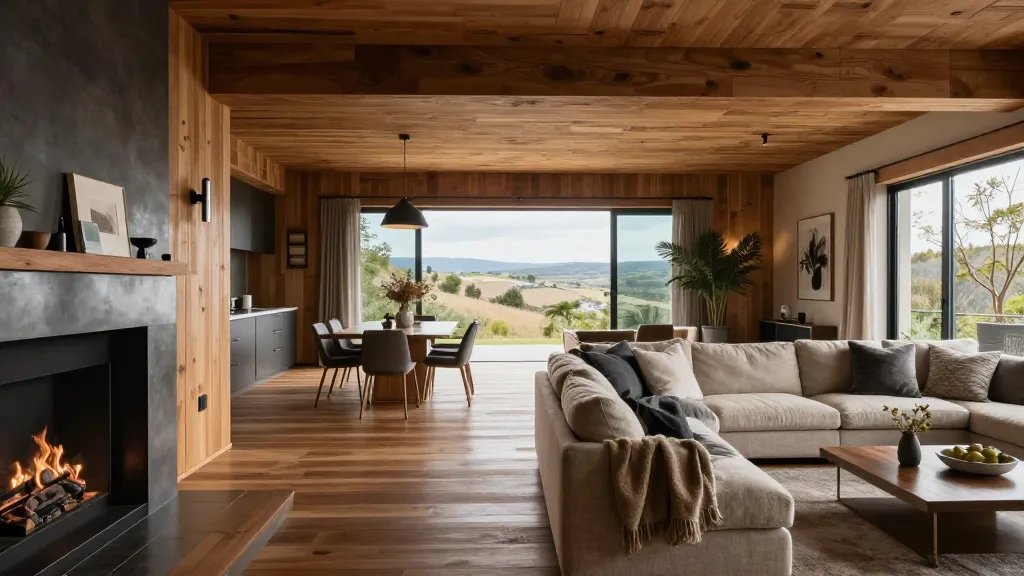
Open concepts shine when textures play together. Think warm wood, cool metal, and plush fabrics that invite you to linger.
Key elements
- Wooden floors or paneling
- Metal accents in hardware or furniture
- Soft textiles like wool and linen
End note: texture adds depth, preventing the space from feeling flat. Seriously, your feet will thank you.
5. Sorbet Color Blocking: Light, Airy, and Playful
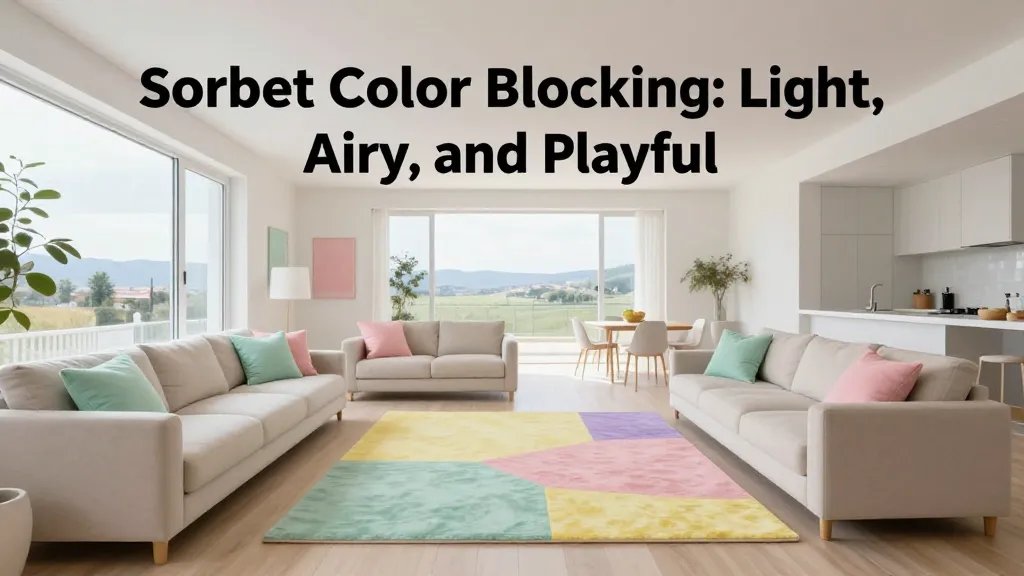
In open plans, color can unify disparate zones. A soft, cohesive palette with strategic pops keeps things lively without shouting.
How to execute
- Base with a neutral foundation
- Add a few bold accents (art, cushions, or a rug)
- Keep the ceiling light to maximize airiness
Tip: trust me, color can be your most persuasive, nonverbal decorator friend.
6. The zoning illusion: Subtle Boundaries Without Walls
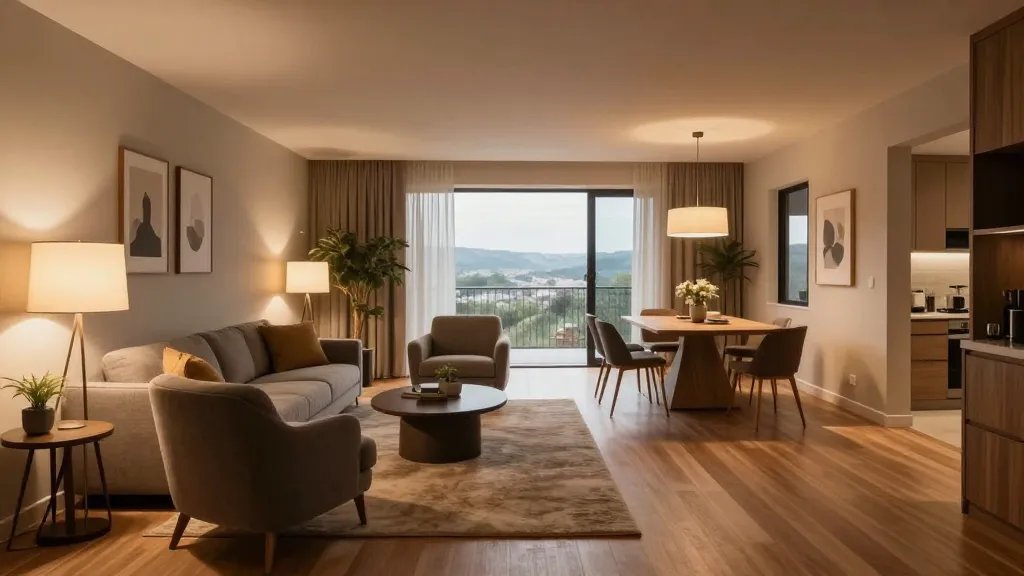
Open spaces don’t have to feel endless. Use furniture placement, area rugs, and lighting to carve out cozy zones without building walls.
Smart moves
- Arrange seating to define the lounge area
- Different rug sizes to separate zones
- A pendant over the dining area to anchor it
Benefit: each area feels intimate yet still part of the bigger picture.
7. Window Walls: Bring Outdoors In
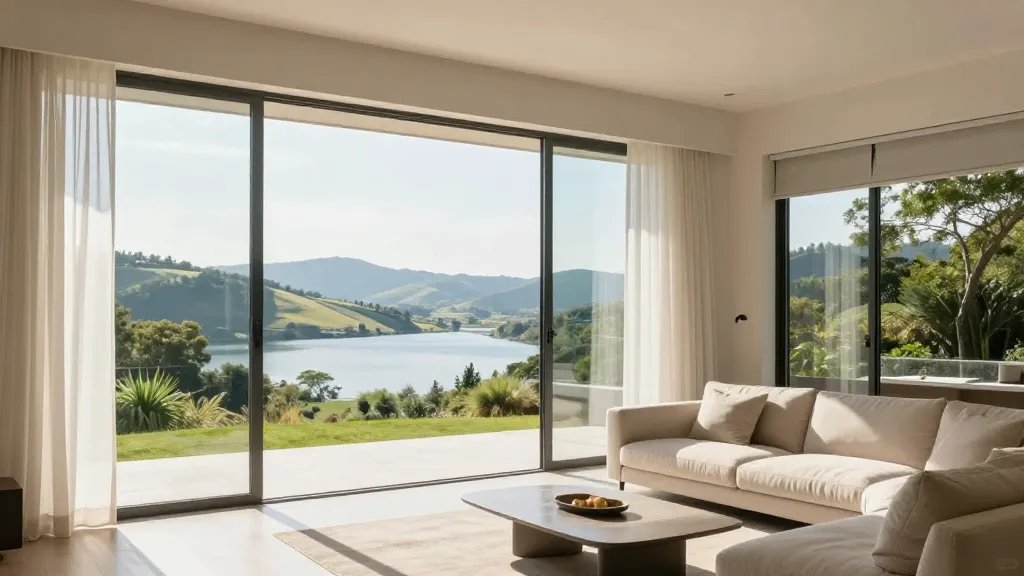
Floor-to-ceiling windows or sliding glass walls make the outdoors part of your interior. It visually widens spaces and invites nature in.
Tips for success
- Choose sheer drapes for softness without blocking light
- Invest in high-quality glass for energy efficiency
- Calibrate blinds to switch photosynthesis for humans
When to use: perfect for living rooms that crave sunshine and a vacation vibe all year round.
8. The Open-Concept Library: A Built-In Book Nook In The Flow
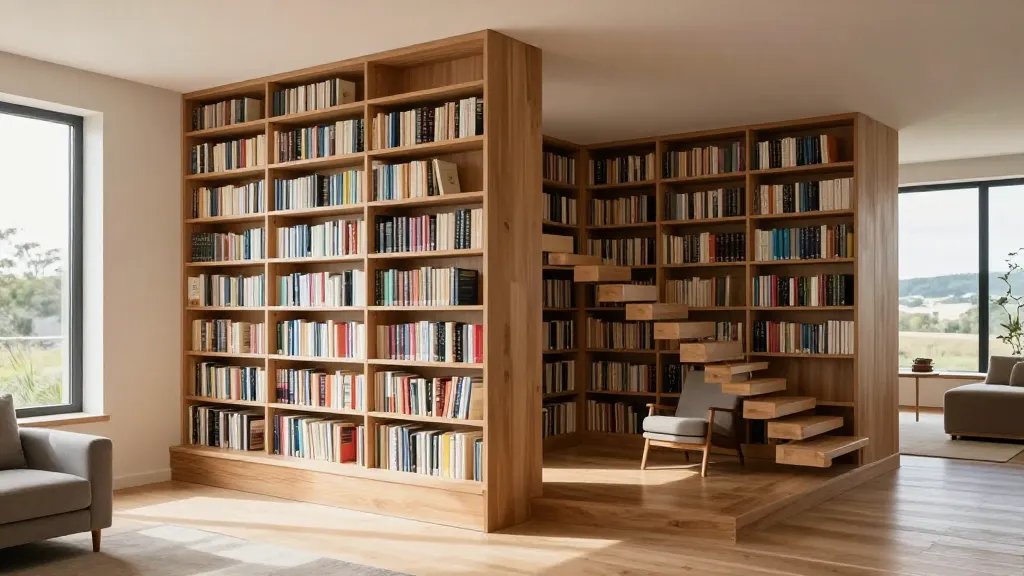
A hidden bookshelf wall or a freestanding library shelf breaks up the space with personality while keeping open sightlines.
Elements that wow
- Low-profile shelves to prevent blocking light
- Floating steps or catwalks if you’ve got height
- A reading chair tucked into a corner nook
Benefit: it turns everyday living into a tiny adventure between pages and walls.
9. Minimalist Hospitality: Clean Surfaces, Big Impact
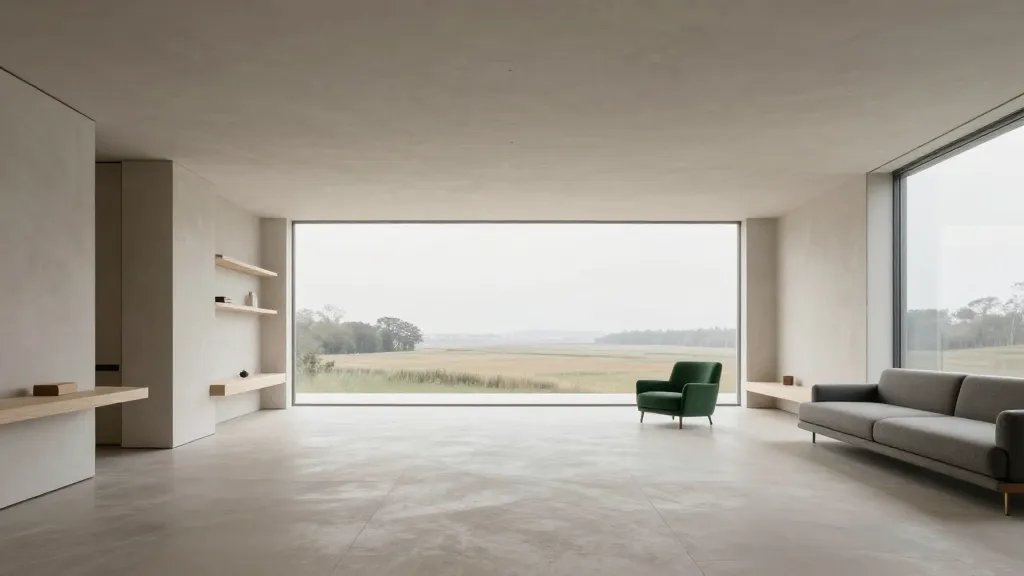
Open plans thrive on simplicity. Minimalist design reduces clutter and emphasizes flow, light, and function.
How to keep it fresh
- Hidden storage solutions
- Neutral base with one or two bold accents
- Quality materials that age gracefully
End note: calm spaces feel bigger and calmer, trust me.
10. Industrial-Chic But Cozy: The Warm Warehouse Look
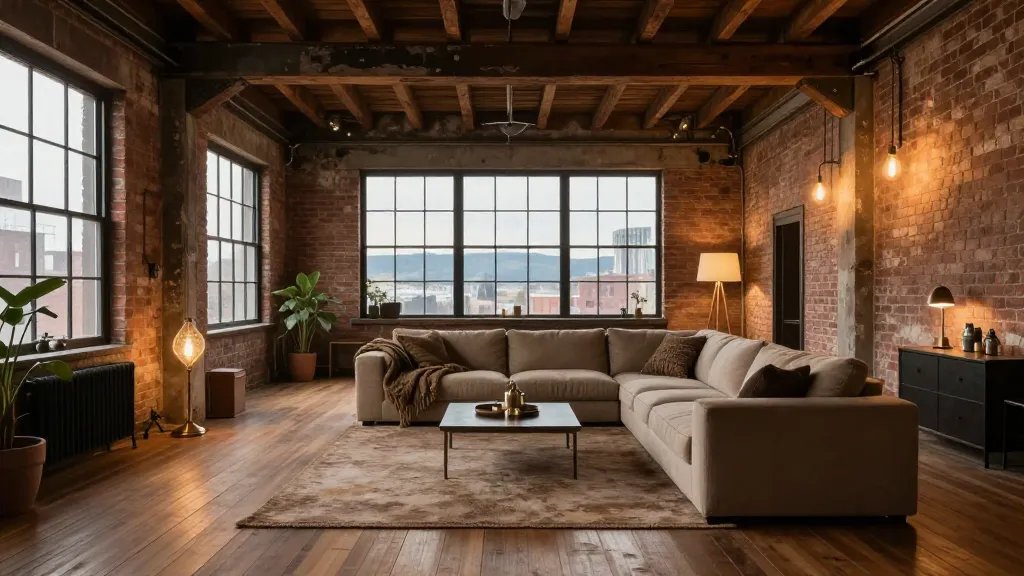
Industrial elements add edge to open layouts, but you still need warmth to avoid metal overload.
Balancing tips
- Warm woods or textiles soften metal
- Exposed beams or brick as a feature wall
- Soft lighting to counteract the hardness
When to use: for urban loft vibes that feel lived-in rather than showroom perfect.
11. Kitchen-Adjacent Living: The Nook That Tries Not to Be a Kitchen
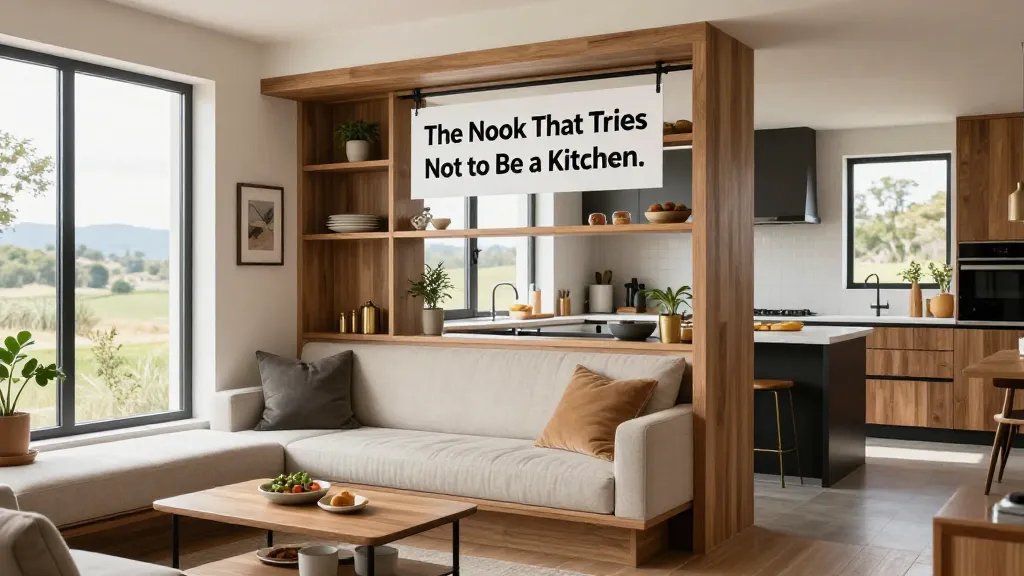
Design a mini-living space beside the kitchen so you can chat with guests while cooking without shouting across counters.
Elements to consider
- Compact sofa or banquette seating
- Open shelving with display-worthy dishes
- A small coffee table to pull the look together
Benefit: social cooking without sacrificing functionality.
12. Playful Ceilings: Architectural Drama Above Your Heads
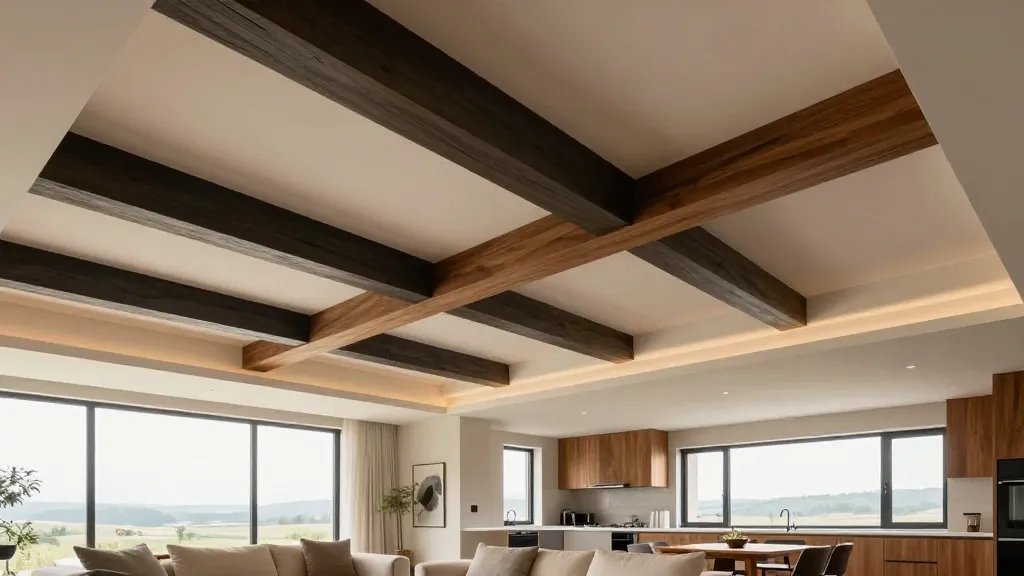
Don’t ignore the ceiling—let it compete with the floor for interest. Painted, beamed, or coffered ceilings create instant drama in open layouts.
Quick ideas
- Contrasting ceiling color in a defined zone
- Wood beams for visual warmth
- Soft, ambient lighting tucked within recesses
End note: a ceiling upgrade can reframe an entire room in minutes.
13. Greenery as Divider: Plants That Define Space
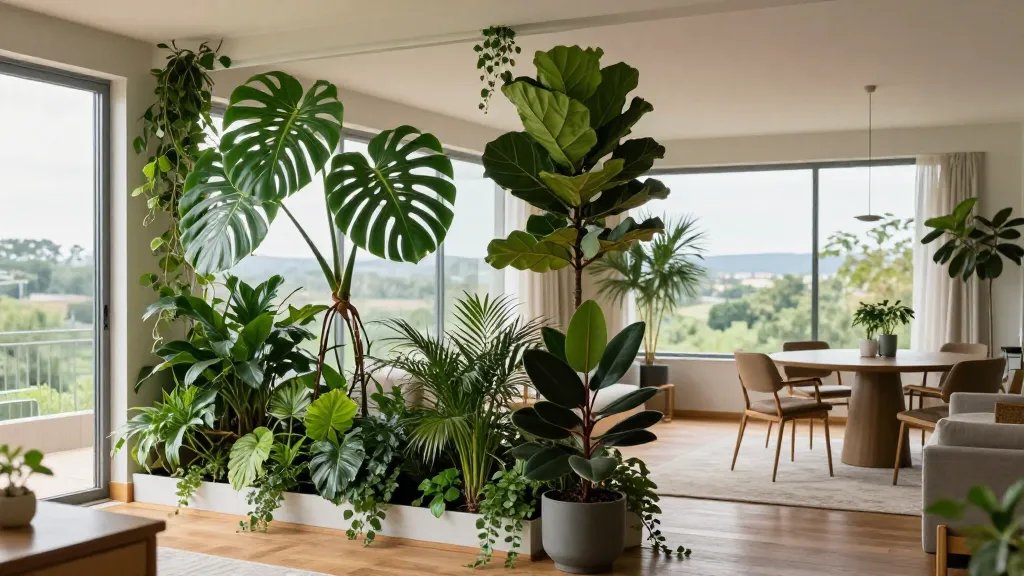
Large potted plants or vertical gardens soften the edges of open plans while introducing life and texture.
Plant picks
- Monstera, fiddle leaf fig, and rubber plants for drama
- Trailing vines for edge-softening
- Pet-friendly varieties if you share with furry friends
Benefit: purifies air, adds color, and creates natural zoning without blocks.
14. Textured Floors: A Grounded Statement
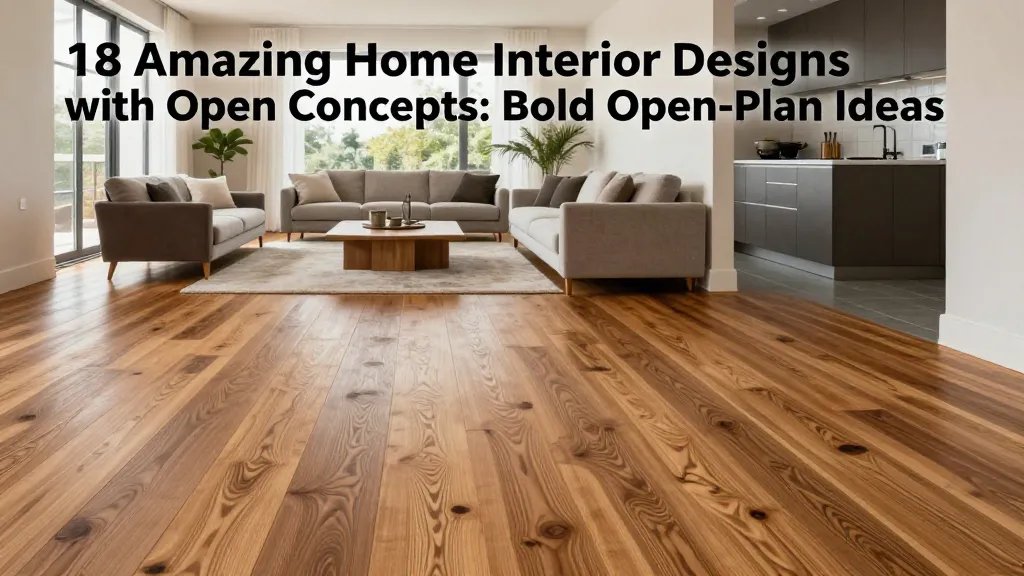
Flooring can anchor an open space and delineate zones by material change rather than walls.
What to choose
- Warm wood underfoot for the main living area
- Tiled or concrete accents in the kitchen
- Rugs to define seating zones
FYI, a cohesive floor plan makes transitions feel intentional, not chaotic.
15. Statement Staircases: A Hidden Hero
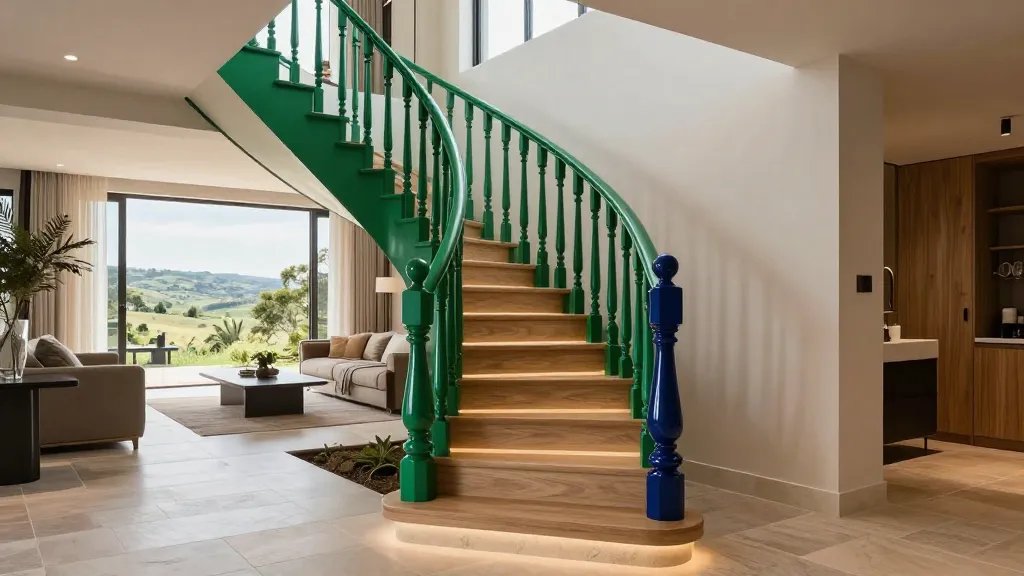
In two-story open plans, the staircase becomes a design feature with color, shape, or materials that echo the room’s vibe.
Design directions
- A bold railing color or unusual balusters
- Open risers to maintain airiness
- Ambient lighting along the steps
End note: a well-designed staircase can be a showpiece rather than just a connector between floors.
16. Tech-Integrated Gentlemen’s Club: Smart, Yet Subtle
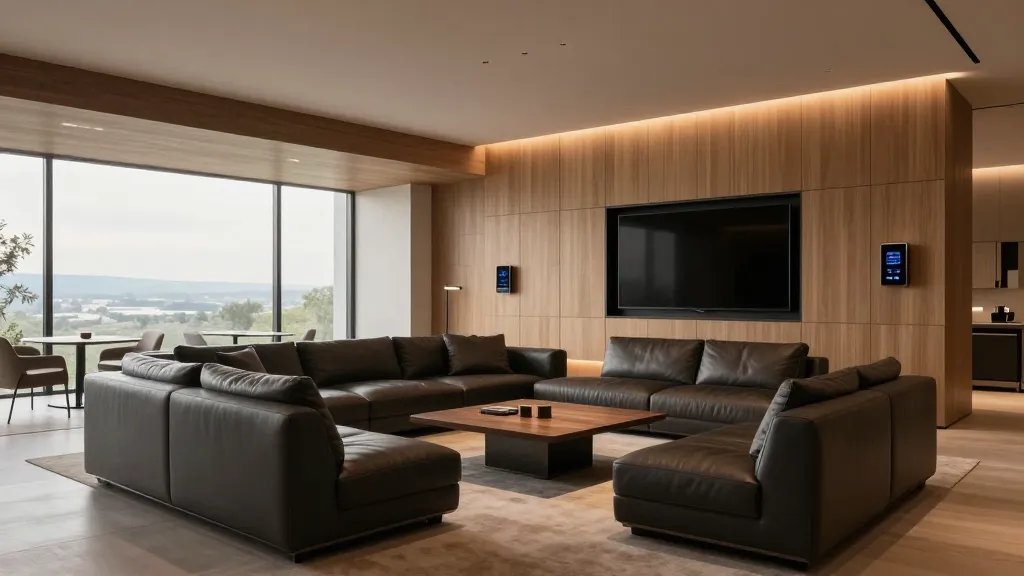
Open spaces love tech that disappears into the aesthetic. Think smart controls, hidden speakers, and sleek panels instead of clunky devices.
Smart moves
- Voice-controlled lights and climate
- Hidden speakers integrated into ceilings or walls
- Streaming-friendly media racks hidden behind cabinetry
Benefit: convenience without visual clutter. IMO, tech should feel magical, not shouty.
17. Eco-Forward Luxe: Sustainable Choices That Spark Joy
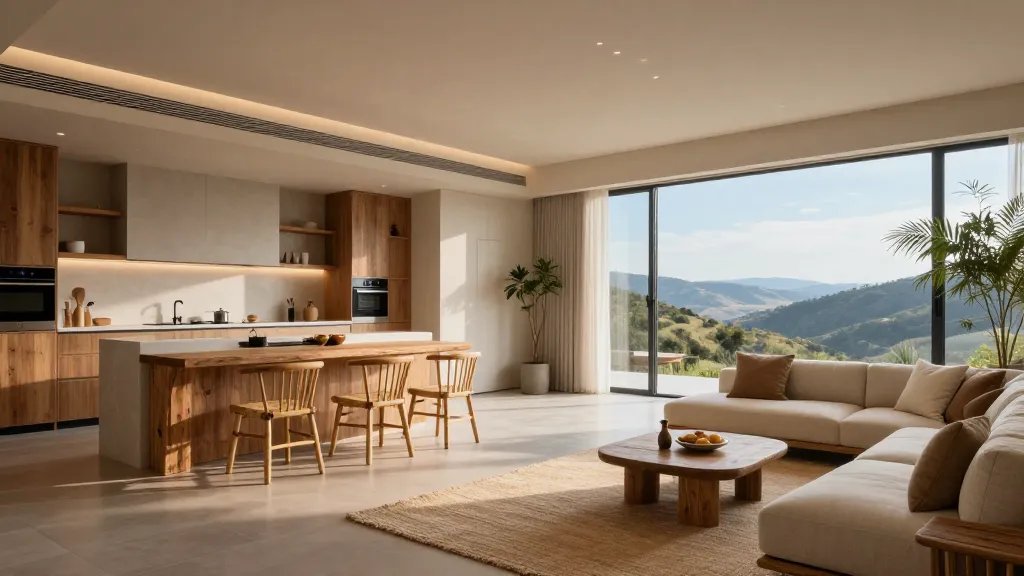
Open layouts pair beautifully with sustainable materials that age gracefully and feel premium without the price tag.
Materials to consider
- Low-VOC paints and finishes
- Reclaimed wood or bamboo
- Energy-efficient lighting and appliances
Trust me, green can be glamorous when done right.
18. Seasonal Transitions: Flexible Decor for Ever-Changing Vibes
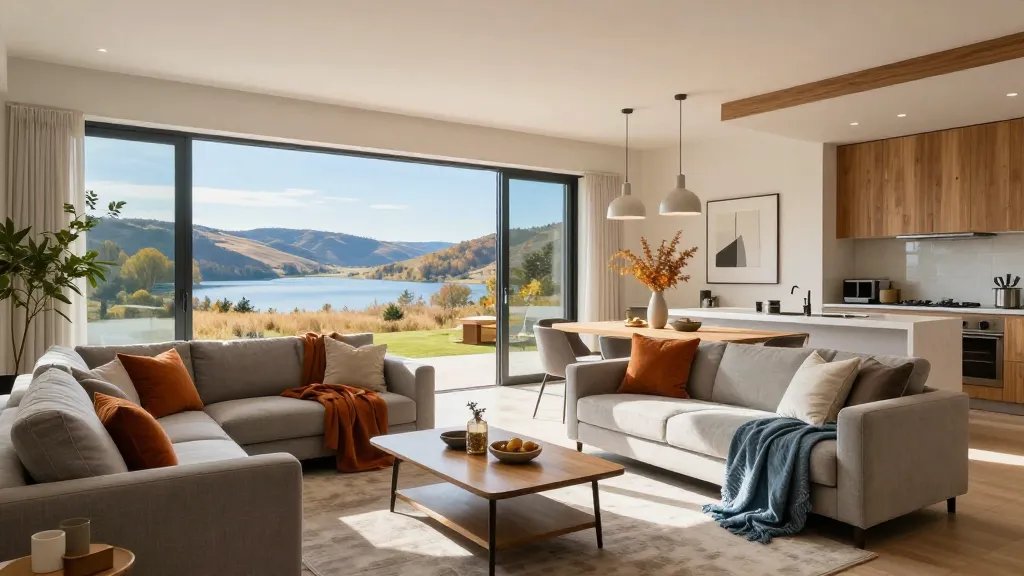
Open concepts thrive when you can refresh quickly. Simple swaps keep your space feeling new without a full remodel.
How to rotate effortlessly
- Swap cushions, throws, and rugs by season
- Change artwork to match the mood
- Move furniture to create fresh sightlines
End note: small updates yield big mood shifts and keep your home feeling current.
Ready to test-drive these ideas? Imagine hosting with confidence, guests flowing through a bright, connected space that feels uniquely you. Start with one or two tweaks and watch the rest fall into place—trust me, you’ll wonder why you didn’t do this sooner.