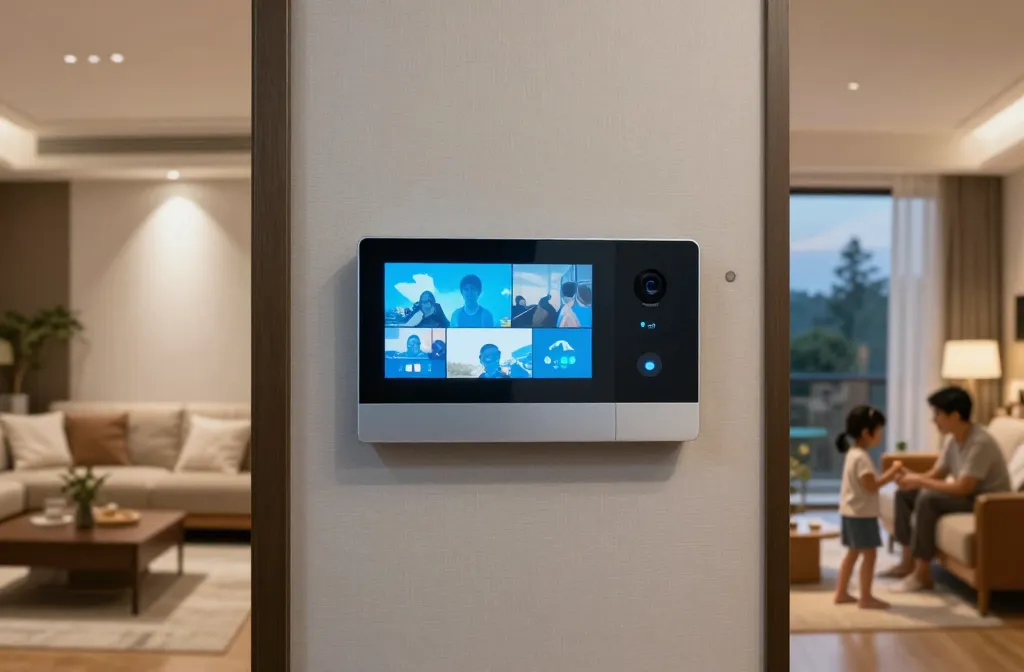
These ideas aren’t techy jargon soup. They’re practical, doable, and family-friendly. Ready to feel safer without turning your home into a fortress?
1. Create a Simple, Central Security Dashboard
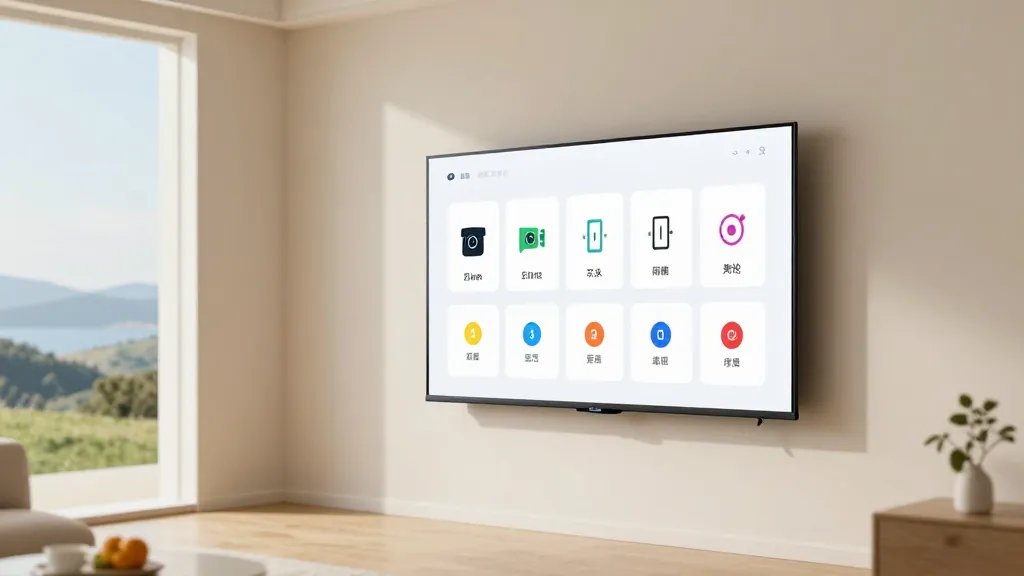
Your home shouldn’t require a PhD to monitor. Set up a single dashboard that aggregates cameras, door sensors, and alarms. It keeps everyone on the same page and makes quick checks a breeze. FYI, simplicity beats complexity every time.
Why it’s awesome: you’ll spot issues faster, reduce false alarms, and cut down on phone alerts that feel like a full-time job. Trust me, a clean dashboard is peace of mind in motion.
Tips:
- Choose a hub that supports multiple devices from one app.
- Assign a family member as the “dashboard guardian” for quick monitoring.
- Test weekly so nothing surprises you in an emergency.
Best use: daily check-ins, school-night routines, and weekend get-togethers where you want to know the house is secure before bedtime.
2. Layered Door and Window Security That Feels Invisible
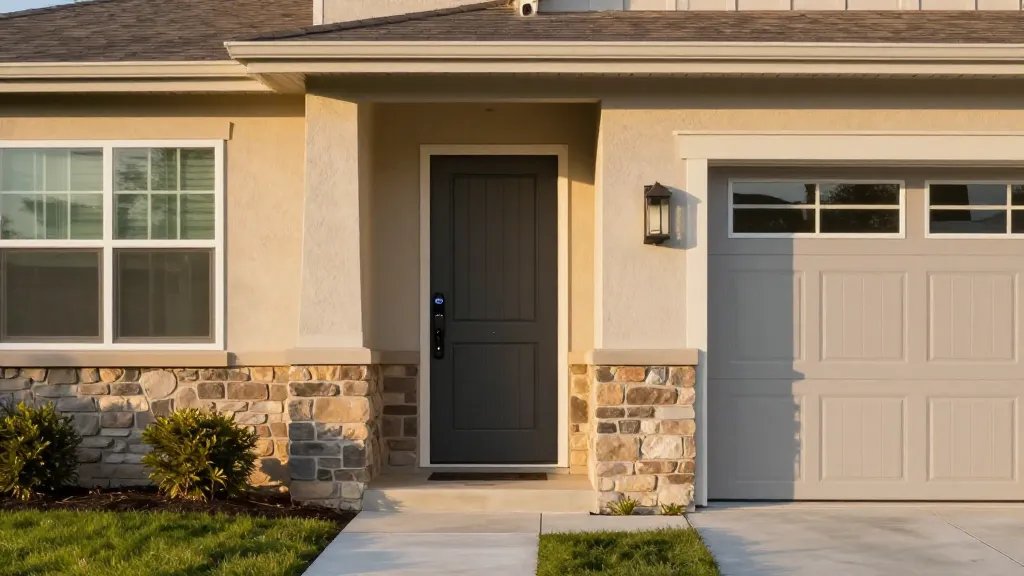
Security shouldn’t scream “defense zone.” Add smart locks, sensors, and a discreet camera at entry points. The goal: fewer breakable moments, more confidence.
Why it’s awesome: predictable escape routes for kids, fewer forgotten keys, and a deterrent that doesn’t ruin your curb appeal.
Key Points:
- Deadbolt + smart lock combo for main doors
- Contact sensors on doors and first-floor windows
- A camera that records but doesn’t invade your space
Bottom line: you’ll reduce incidents and still keep the home warm and welcoming. Seriously, less chaos at the threshold means happier evenings.
3. Indoor Cameras That Respect Privacy (But Catch the Action)
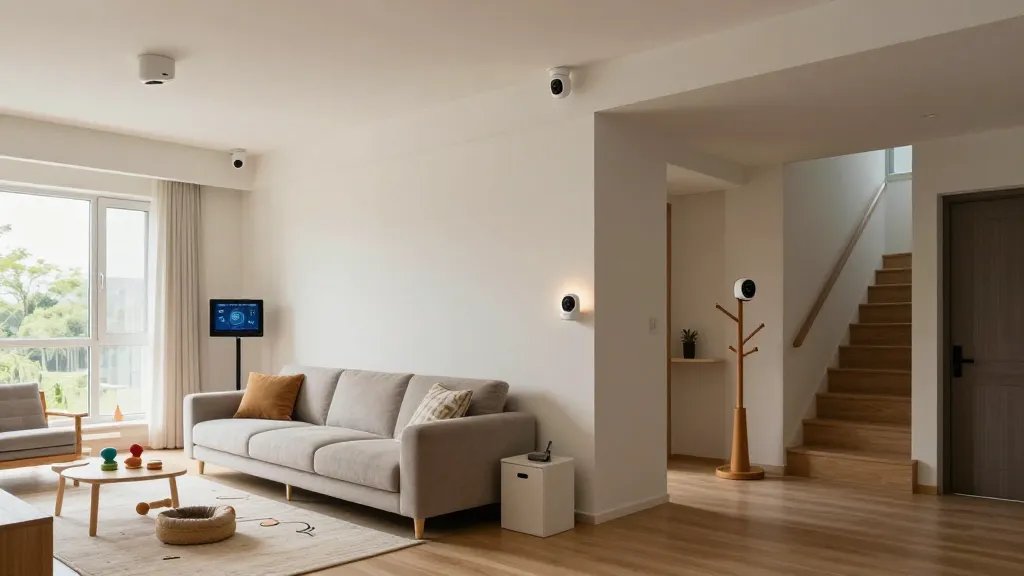
Place cameras in common areas to monitor activity without turning every corner into a surveillance show. Focus on entrances, stairwells, and shared living spaces.
Why it’s awesome: helpful for kid monitoring, pet mischief, and catching package snags without stalking your family’s every move.
What to consider:
- Motion zones to minimize false alerts
- Smart alerts that differentiate people from pets
- Local storage or encrypted cloud options
Note: use camera coverage to support, not micromanage. It’s about safety, not a reality show. Alright?
4. Motion-Activated Lighting That Saves Energy
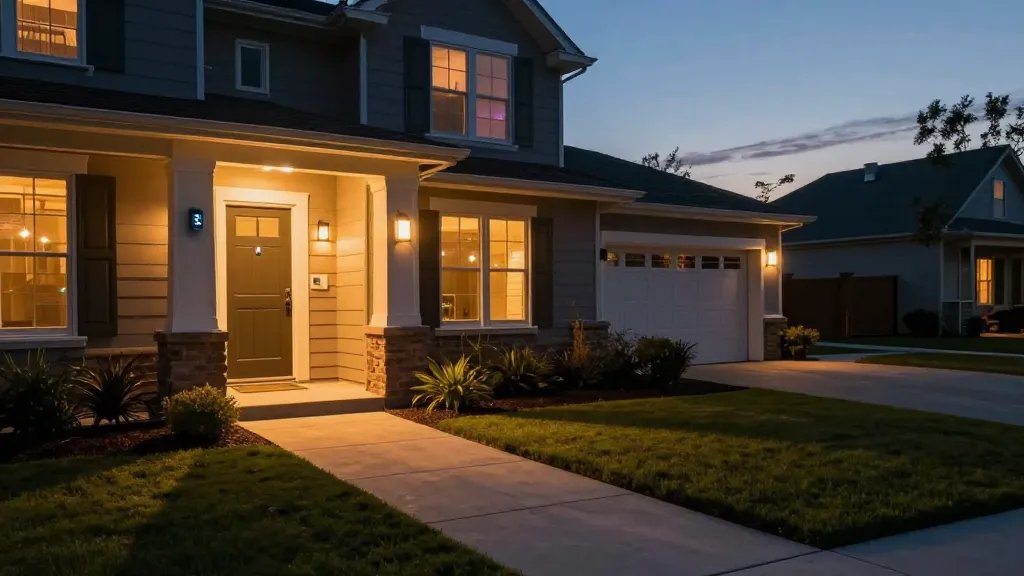
Lighting is cheap insurance. Motion-activated lights guide late-night trips to the fridge and keep creepy shadows at bay. Plus, they save energy without requiring a museum-level lighting plan.
Why it’s awesome: immediate visibility in dark hallways, fewer falling over in the dark, and a friendly welcome for guests.
Tips:
- Install at entryways, stairs, and the driveway
- Pair with smart bulbs you can dim or change color
- Set gentle dusk-to-dawn schedules for outdoor fixtures
Benefit: safer navigation, lower energy bills, and a little sci-fi glow that doesn’t annoy neighbors.
5. Smart Alerts That Talk to People, Not Just Devices
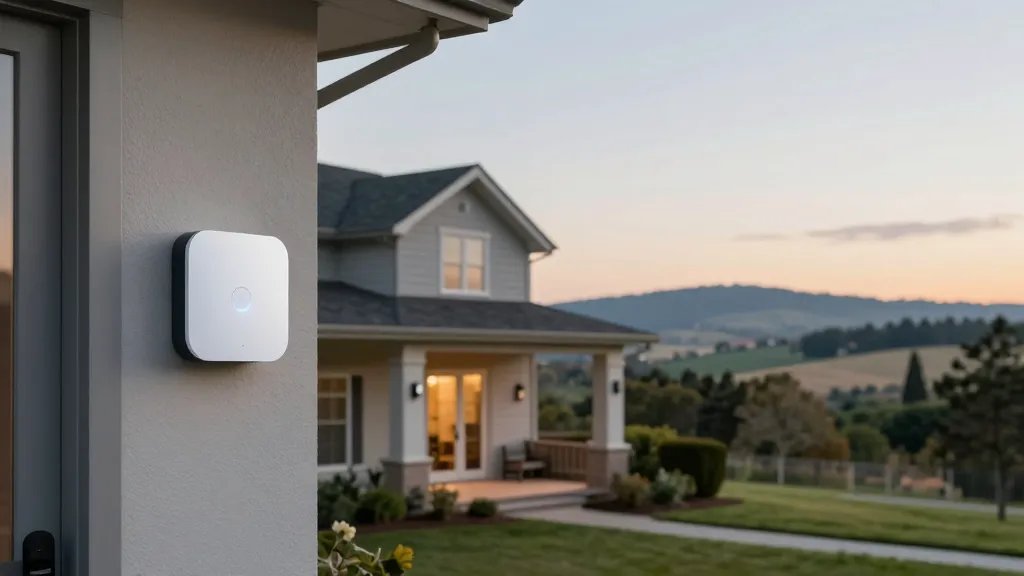
Push notifications are great, but not when they come with anxiety tax. Set up family-friendly alerts with clear actions: “door opened, porch light on, camera triggered.”
Why it’s awesome: reduces panic, makes responses quick, and keeps kids from disabling anything in a panic. IMO, you want actionable insights, not red alarms scrolling forever.
Smart setup:
- Custom voice prompts for important events
- Different alert tones for trusted family members
- Quiet hours to avoid late-night buzzes
Benefit: calmer evenings and faster, targeted responses when something actually happens.
6. Family-Focused Access Rules (No Keys Required)
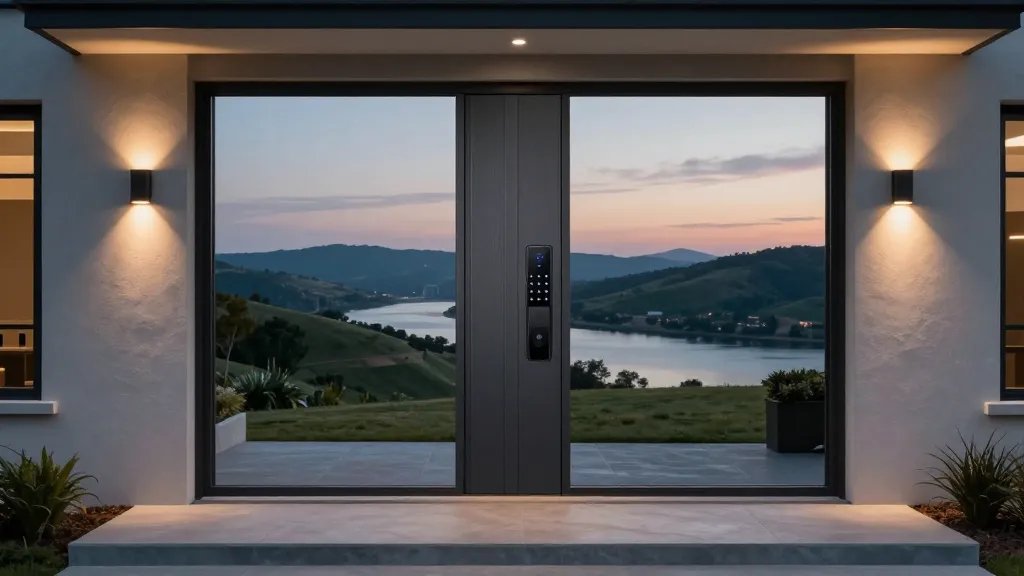
Keyless entry isn’t just convenient; it can be a safety win. Create schedules and temporary access for caregivers, after-school sitters, or guests without handing over physical keys.
Why it’s awesome: you stay in control while still offering trust and flexibility. Seriously, this eliminates the “where did I leave my key?” drama.
What to set up:
- Time-based codes for different family roles
- One-time access windows for guests
- Automatic lock behavior after a family member leaves the house
Bottom line: you get smooth, secure transitions between people without the friction of traditional keys.
7. Safe Cloud Backups and Local Storage That Stand Up
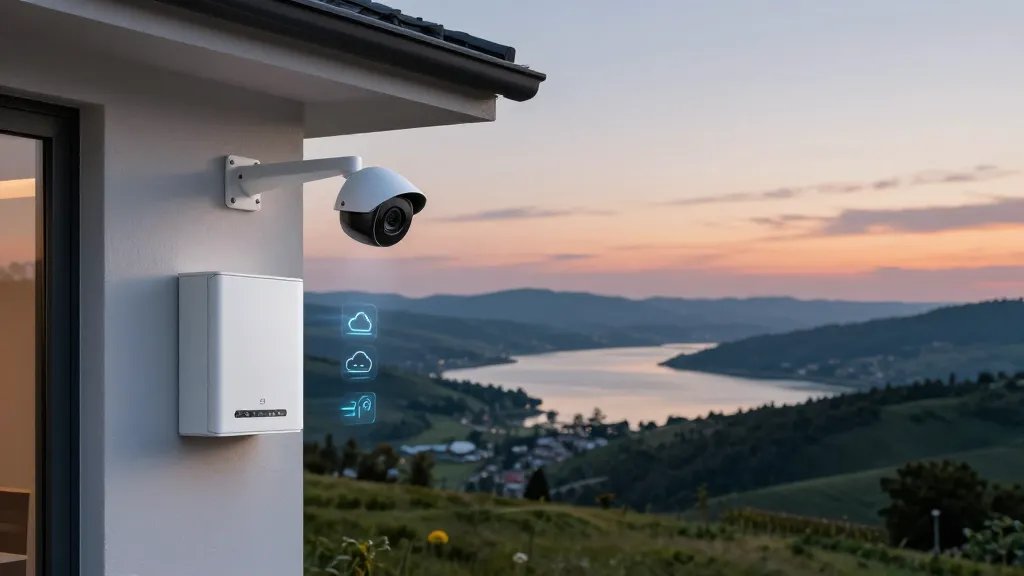
Data backup is the boring side of security you’ll thank yourself for later. Use a blend of local storage for speed and cloud backups for resilience. It’s a simple shield against device failures.
Why it’s awesome: you protect footage and events even if your router hiccups or a thief stumbles into your network.
Options:
- Local NVR or a microSD backup in cameras
- Encrypted cloud storage with access controls
- Regular automatic backups (no manual drama required)
Benefit: peace of mind that your security history remains intact for investigations or memory-jogging family stories.
8. Family Safety Routines That Make Security a Habit
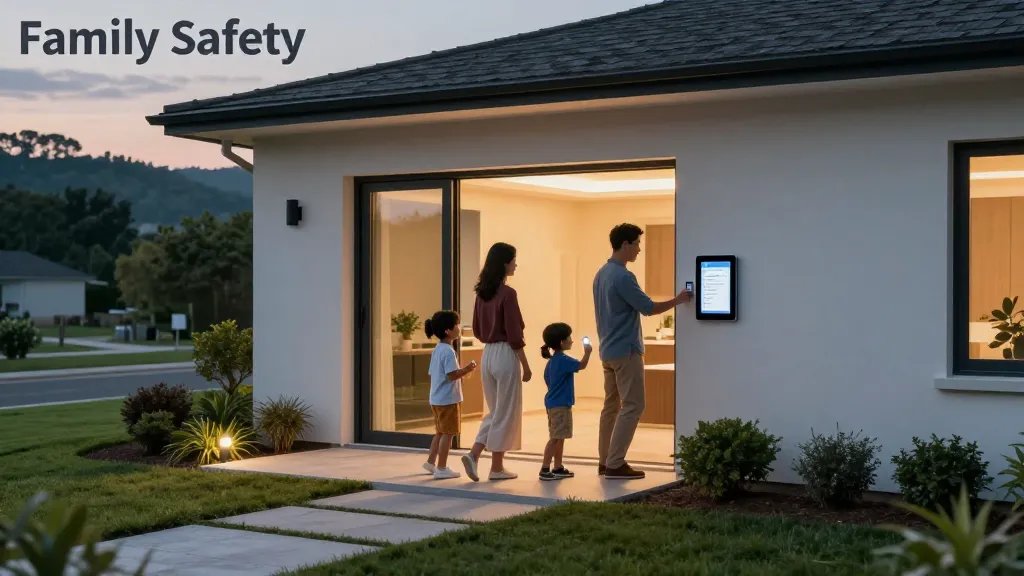
Technology shines when it becomes a habit. Create simple routines that involve everyone—checklists, nightly routines, weekend security drills—to keep security top of mind without nagging.
Why it’s awesome: consistent routines cut down risk, improve reaction times, and build confidence across all ages. Trust me, consistency beats clever gadgets any day.
Routines to try:
- Nightly “All Systems Check” before bed
- Morning “Are the doors locked?” quick round
- Family drill: practice safe evacuations and camera checks
Result: a safer home that runs like a well-oiled machine—and you won’t have to nag to keep it up.
Conclusion: you’ve got the blueprint to turn your house into a smart, safe, and neighbor-envious fortress. Start with one or two ideas, layer in more as you go, and watch everyday life feel a little calmer and a lot safer. You’ve got this—now go test drive some of these ideas and brag a little to friends and family.