Affiliate disclosure: This article contains shopping links to Amazon.com. If qualifying purchases are made through eligible affiliate links, we may earn a commission at no additional cost to you. Product recommendations are based on published specifications and research, not personal testing.
These ideas cut clutter, boost automation, and turn rooms into intuitive hubs. You’ll love how small layout tweaks unlock big functionality.

1. Create a Central Command Zone That Feels Magical
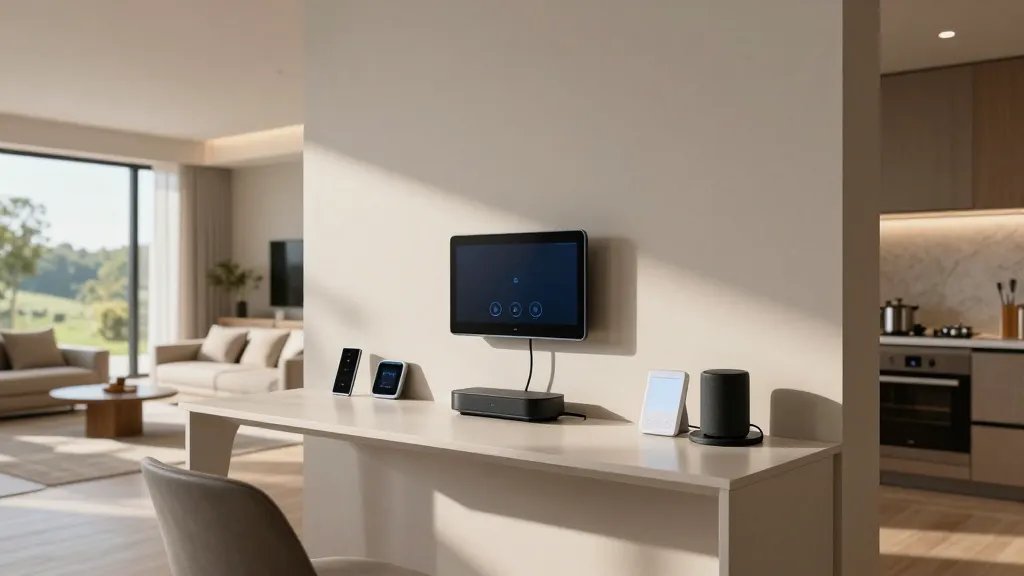
A dedicated smart hub wall or countertop makes daily control feel effortless. When everything lives in one place, you actually use it.
Why it’s awesome: you reduce time hunting for remotes and apps, and you can layer voice assistants, lighting, and climate controls in one accessible spot.
Key Elements:
- Smart speaker or display at eye level
- Hidden cable management for a clean look
- Docking station for devices you reach often
Put this zone in a high-traffic area like near the kitchen or living room. FYI, a tidy desk setup with smart outlets keeps everything tidy and simple.
2. Zone Rooms by Function, Not Just Doors
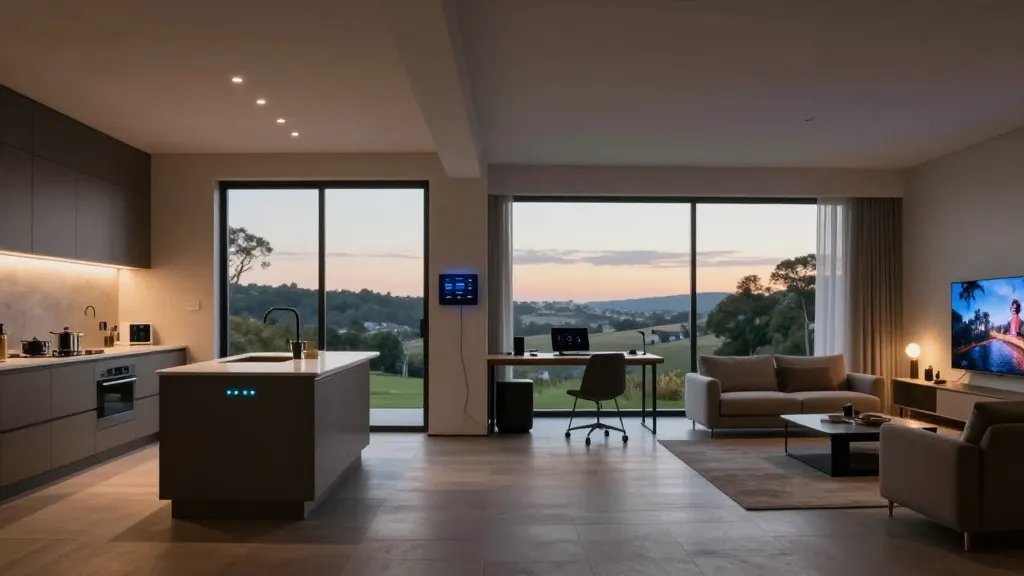
Group devices by how you use spaces—kitchen, work nook, and relaxation corner. When a room has a clear function, automation feels natural, not forced.
What to do: map the routine you run in each area and tailor scenes accordingly. Trust me, you’ll stop juggling a million apps.
Tips:
- Kitchen: motion sensors, smart lights, and an air-quality monitor
- Home office: single-click scenes for focus, meetings, and breaks
- Living room: movie night and bedtime wind-down programs
Benefits stack: better energy efficiency, simpler daily rhythms, and fewer forgotten automations.
3. Blindly Smart Windows: Auto-Climate and Privacy Perks
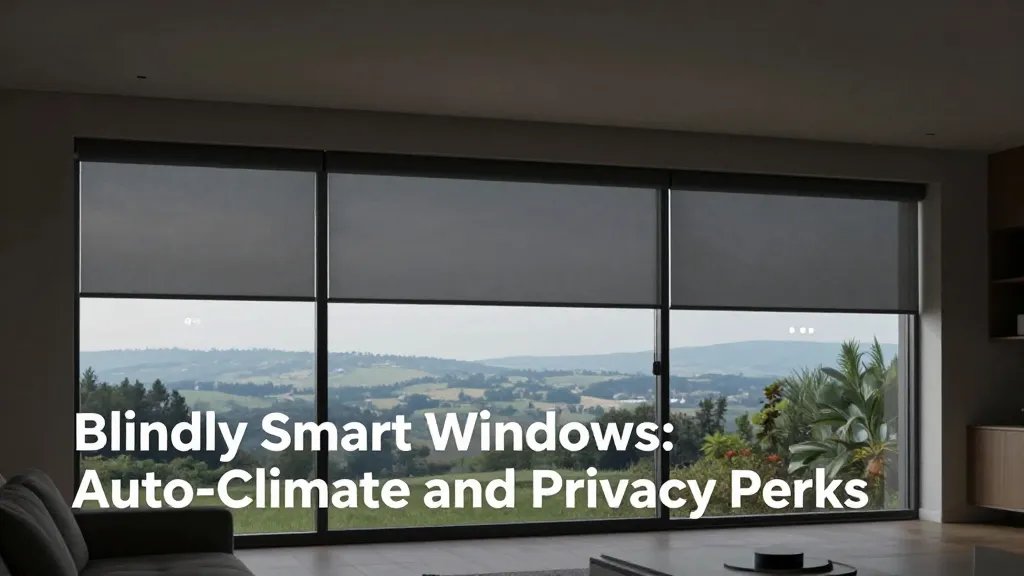
Smart window treatments aren’t just fancy; they shape light, heat, and privacy without you lifting a finger. A few automated shades can dramatically improve comfort.
Your win: reduced glare on screens, less HVAC work, and moodier lighting when you want it. Seriously, it’s like blinds learned to think for you.
What to Consider:
- Timing: sunrise/sunset schedules or room occupancy
- Material compatibility: fabric vs. metal blinds
- Integration: works with your main hub and voice assistants
Use these in bright rooms or home offices where screen visibility matters. It’s a quiet upgrade with big payoff.
4. Compact Smart Pantry: Automation That Saves Time
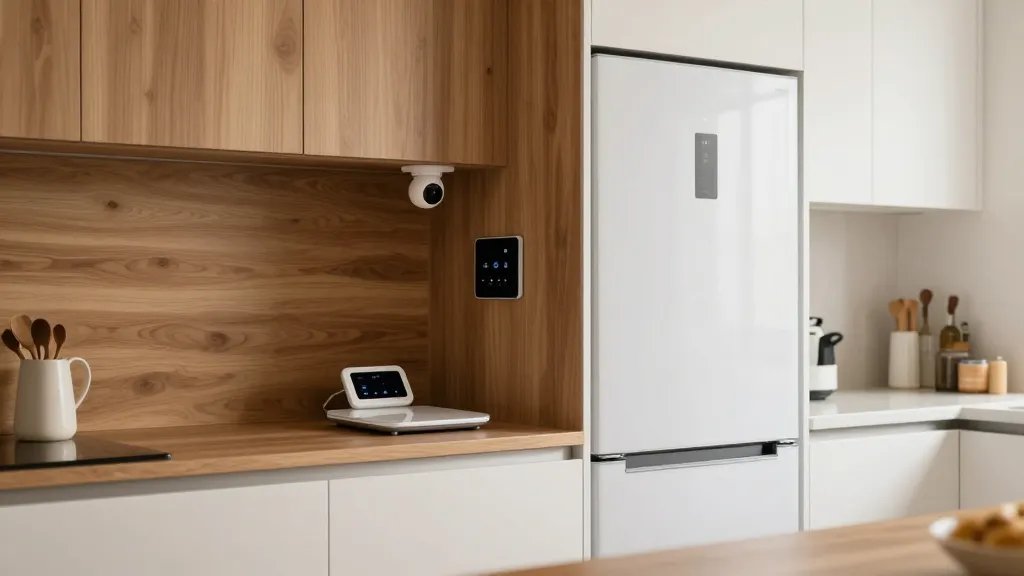
A smart layout for the kitchen that includes a pantry zone helps you monitor supplies, schedule groceries, and automate routine cooking steps.
Why it shines: you waste less food, you place fewer last-minute orders, and you stay organized during busy weeks.
Key Points:
- Smart scale or camera to track staples
- Voice-activated shopping lists
- Smart fridge-connected alerts for expiration dates
End note: this is the kind of setup that makes weeknights smoother and dinner prep less chaotic.
5. Hidden Tech, Bold Aesthetics
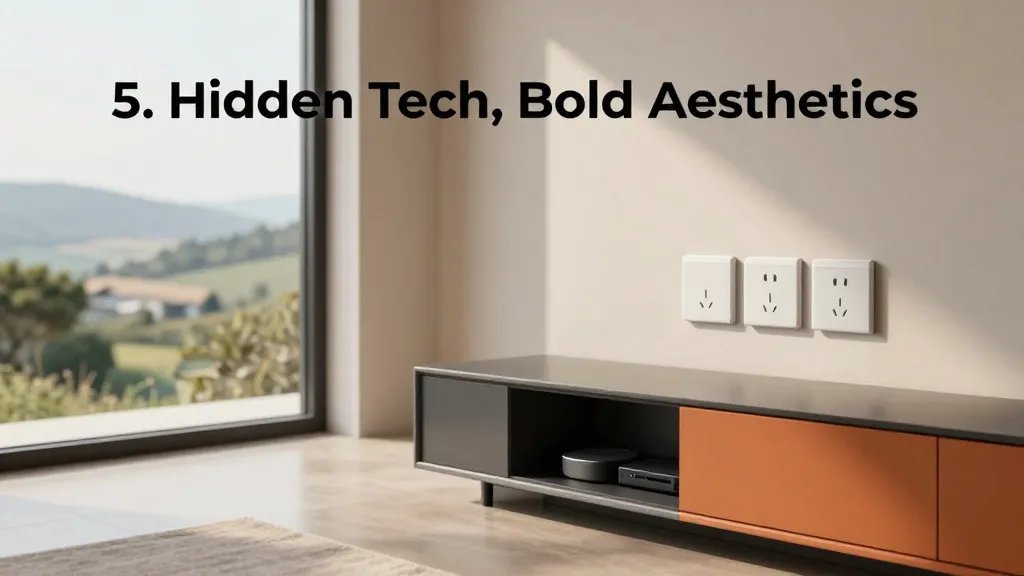
Blend tech into design so devices disappear into the room’s style. When tech feels invisible, your space feels calmer and more cohesive.
Why it matters: fewer visual disruptions, more YAY moments when you realize you didn’t think about the tech at all.
Practical Tricks:
- Paintable outlet covers and in-wall switches
- Wireless charging nooks integrated into furniture
- Concealed hubs behind frames or cabinetry
Benefit: a sleek space that still behaves like a smart home nest, not a gadget showroom.
6. Corridor of Convenience: Perimeter Automation
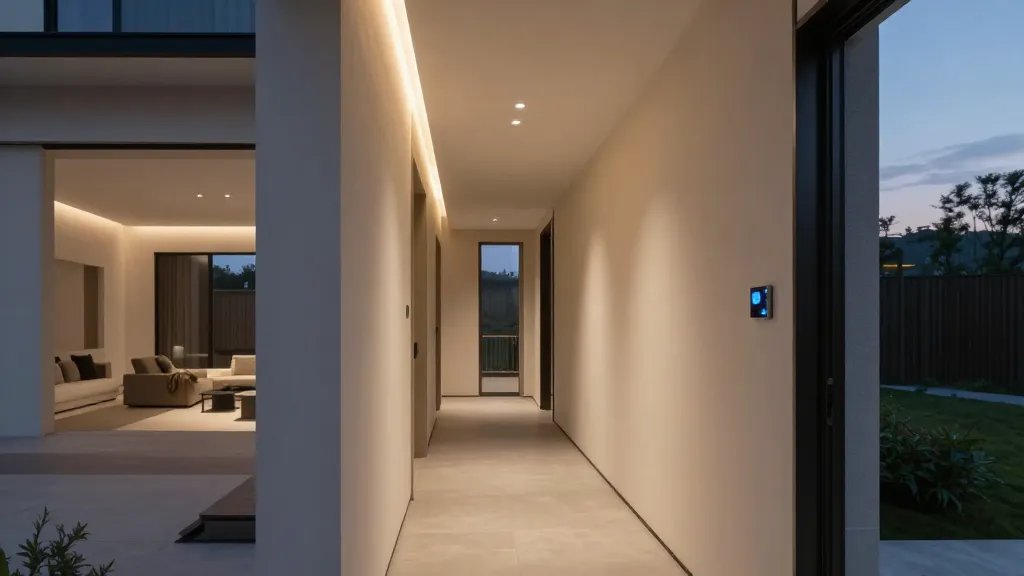
Hallways and entryways become the backbone of daily flow when you automate lighting, climate, and entry alerts along a path people actually take.
Block party vibe? Not this time—think subtle, responsive automation that greets you with just the right light level.
What to Do:
- Motion lighting for after-dark safety
- Entry sensors triggering a welcome scene
- Roofline or hallway sensors to adjust HVAC gradually
Benefit: you save energy with gentle, smart transitions and you feel fewer awkward “where did I leave my keys?” moments.
7. Multi-Purpose Space: Flexible Tech for Everyday Use
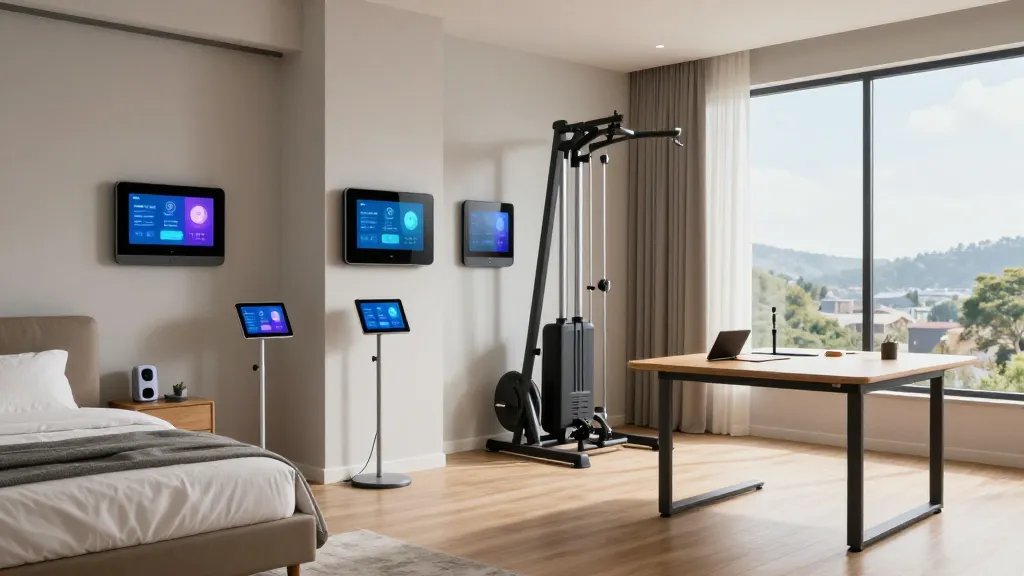
A guest room, gym, or hobby nook can flex between functions with portable or modular smart panels, so you don’t need a full remodel to upgrade.
Why this rocks: you get one space that adapts as your life changes, not a single-purpose gadget dungeon.
Tips:
- Movable smart displays or tablet stands
- Recharge stations for devices
- Programmable scenes that shift with furniture arrangements
Bottom line: adaptability is the name of the game here, and it pays off in real-world convenience.
8. Charging Station Fortress: Smart Power Management
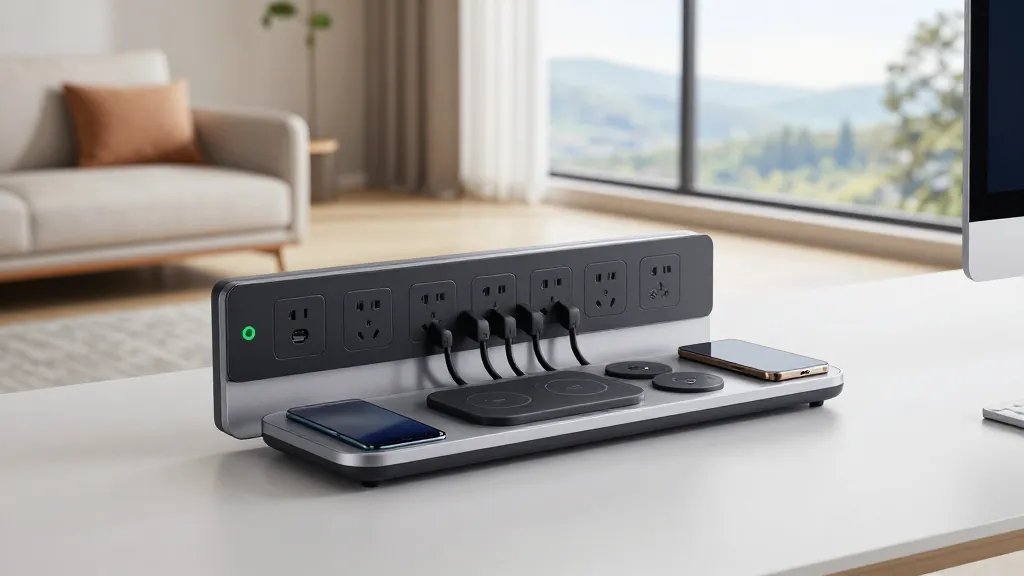
Consolidate charging into one organized hub. It’s not just tidier; it reduces energy waste and makes device upkeep easier.
What you gain: fewer loose cords, better surge protection, and a clean cockpit for daily tech rituals.
Important Elements:
- Smart outlets with energy tracking
- Central USB-C or wireless charging pads
- Overload protection and surge guards
Use this in the living room or near the workspace where you spend most of your time. You’ll notice the difference fast.
9. Outdoor-Ready Smart Layouts: Weatherproof Vibes
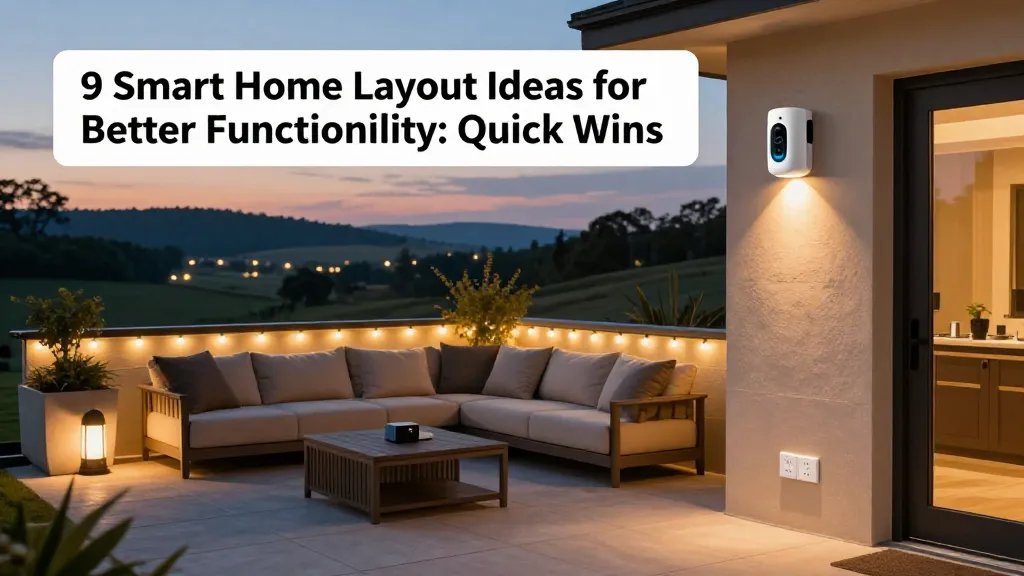
Don’t ignore the outdoors. A small smart layout on a patio or balcony extends life beyond the walls and adds year-round usability.
Why you’ll love it: ambient lighting, weather-aware climate control for outdoor spaces, and security cameras that actually enhance curb appeal.
What to Install:
- Weatherproof smart plugs and string lights
- Smart cameras with privacy zones for the front door
- Outdoor speakers or micro-controllers for seasonal vibes
When to use: evenings on cool nights, weekend gatherings, or simply when you want a cozy outdoor nook that feels intentionally designed.
Ready to remix your rooms? These nine ideas keep your home functional, stylish, and surprisingly fun to live in. FYI, you don’t need a full hacker-level setup to start—pick one zone, test it, and scale up as you go. Trust me, progress beats perfection every time.
Ready to see these ideas in action? Get curious, experiment a little, and watch your home finally start behaving the way you want it to. You’ve got this!