



Home plumbing can seem complicated, but it comes down to two separate systems: one that brings clean water in under pressure and one that carries wastewater out by gravity. Understanding how home plumbing works makes it easier to spot problems early and act quickly in an emergency.
The nearest fixture is not always where the trouble starts.
A bathroom sink slows to a trickle, and the kitchen tap seems weak too. That pattern suggests a supply-side problem affecting both fixtures, rather than a fault in the bathroom faucet alone. If only one tap is slow, its aerator or shutoff valve is a more likely place to check.
Drain symptoms follow a different path. A toilet that gurgles when the sink empties may share a partly blocked drain or have a venting problem. A wet cabinet deserves a closer look before blaming the sink: water can travel along a pipe and drip far from the leak. Dry the area, then watch where the first drop appears while the tap runs and after the basin drains. If water keeps appearing with the tap off, close the fixture’s shutoff valve.
Two paths through the house
A house has two connected plumbing routes, and water moves through them in opposite directions. Supply pipes bring clean water in under pressure. Drainpipes carry used water away, mostly by gravity. Keeping those routes separate makes a plumbing problem easier to trace.
Supply water arrives from a municipal main or a private well. It passes through a meter or pressure tank, then travels through pipes to faucets, toilets, and appliances. Some of it passes through the water heater before reaching hot-water taps. Pressure is what makes water flow when a tap opens, even on an upper floor.
After use, water drops into a drain. A curved trap below a sink or other fixture holds a little water to block sewer odors. Farther along, sloped pipes join a larger drain that leads to a sewer or septic system. Vent pipes, often extending through the roof, admit air so wastewater can flow without pulling water out of the traps.
The direction of travel offers a quick first clue: water appearing when no fixture is running may point to the pressurized supply side. A slow drain or gurgling fixture points more often toward the drain or vent side.

From source to faucet
Water usually enters a house through one main line. With municipal service, a buried service line carries water from the street to the home. A private well uses a pump to bring water into the house, typically through a pressure tank that helps keep the flow steady. From there, cold-water pipes branch toward sinks, toilets, outdoor faucets, and the water heater.
The main shutoff valve is generally near where the line enters the house, though it may be in a basement, crawl space, utility room, or another accessible spot. Closing it stops water to most or all household fixtures. Its exact location, along with the order of valves and other equipment, varies by home.
Municipal systems usually have a water meter, often outside in a ground-level box or inside near the incoming line. It records water use and can offer a simple leak clue: if every tap and water-using appliance is off but the meter’s small flow indicator keeps moving, water may still be escaping somewhere. A running toilet is one possible cause, so meter movement does not always mean a hidden pipe leak. Many private wells have no household water meter.
What water pressure can tell a homeowner
Pressure is the push that moves water through supply pipes. When a tap opens, that push sends water through the fixture, but the amount coming out also depends on restrictions along the way. A partly closed valve or clogged faucet screen can make one sink trickle while other taps run normally.
Comparing fixtures narrows the search. Check cold water at a nearby sink and a fixture farther away, then compare hot and cold separately. If only one faucet is weak, its aerator or under-sink shutoff valve is a sensible place to start. If every hot tap is weak but cold water runs normally, the trouble may be on the water-heater side.
When several fixtures slow down at once, look beyond a single tap. A partly closed main valve, a supply-line problem, or a well-pump issue can affect the whole house. The first checks for house-wide weak flow can help narrow the possibilities without taking plumbing apart.
A silent tap during a freeze calls for more caution than an ordinary clog. A frozen pipe may block flow and split as it thaws. Avoid forcing valves or using an open flame; check a tap that quit during freezing weather before trying to restore flow.
How hot water reaches the tap
One branch of the cold-water supply feeds the water heater. In a tank heater, incoming cold water is heated and stored; when a hot tap opens, supply pressure pushes heated water out through a separate hot-water pipe. That pipe branches toward sinks, showers, and appliances. At many fixtures, hot and cold water mix to reach the selected temperature.
Running out of hot water is different from losing pressure. A shower that keeps flowing normally but gradually turns lukewarm may have used up the tank’s stored hot water. The tank needs time to heat the cold water replacing it. If the hot side slows to a trickle while the cold side flows normally, the problem is more likely somewhere along the hot-water path, not simply an empty tank.
Heater size and type affect what happens when several fixtures run at once. A larger tank can store more hot water, while a tankless heater warms water as it flows but can only heat so much at one time. Either type may struggle to supply two long showers at once.
Where water treatment fits
Filters and softeners belong on the supply side, before water reaches a fixture. A faucet-mounted or under-sink filter treats water at one tap. A whole-house unit sits on the main supply line and can treat water headed to multiple fixtures, including the water heater.
Choose equipment for a specific concern:
- Taste or odor at one tap: A point-of-use filter may be enough. Check that it is certified to address the identified concern.
- Sediment at several taps: A whole-house sediment filter may help, but the source of the particles still needs attention.
- Hard-water scale: A softener removes hardness minerals. A salt-free conditioner works differently and does not remove them.
Filters need cartridge changes, and an undersized or clogged whole-house unit can restrict flow. Testing helps clarify what needs treatment, especially with a private well. If brown water appears suddenly at a tap, check whether it affects hot water, cold water, or several fixtures before buying a filter. Avoid drinking discolored water until its cause is clear.
Where wastewater goes
Water leaving a sink, shower, or toilet takes a different route from the pressurized supply. It flows downhill through a fixture trap, then into a branch drain shared by nearby fixtures. Branches join the main drain, which carries wastewater out to a public sewer or a septic system.
The curved trap beneath a sink holds a small amount of water after the faucet stops. That water forms a seal against sewer gas while still letting wastewater pass. Toilets have a built-in trap, so there is no separate curved pipe to see beneath the bowl. A rarely used sink or floor drain can lose its seal as the water evaporates; adding water may stop an odor coming from that drain.
Vents give air a path into the drain system, often through a pipe that exits the roof. Without enough air, flowing wastewater can pull water out of a trap or push air through it. Gurgling sounds or recurring sewer smells can be clues that the drain or vent needs attention, though neither symptom identifies the exact cause on its own.
One slow sink may have a clog close to its trap. If fixtures in different rooms slow down together, the obstruction may be farther along a shared branch or the main drain. The pattern of several slow drains can help narrow down where to look. If wastewater backs up into a low fixture, stop using the affected plumbing until the blockage is addressed.
Finding the right shutoff
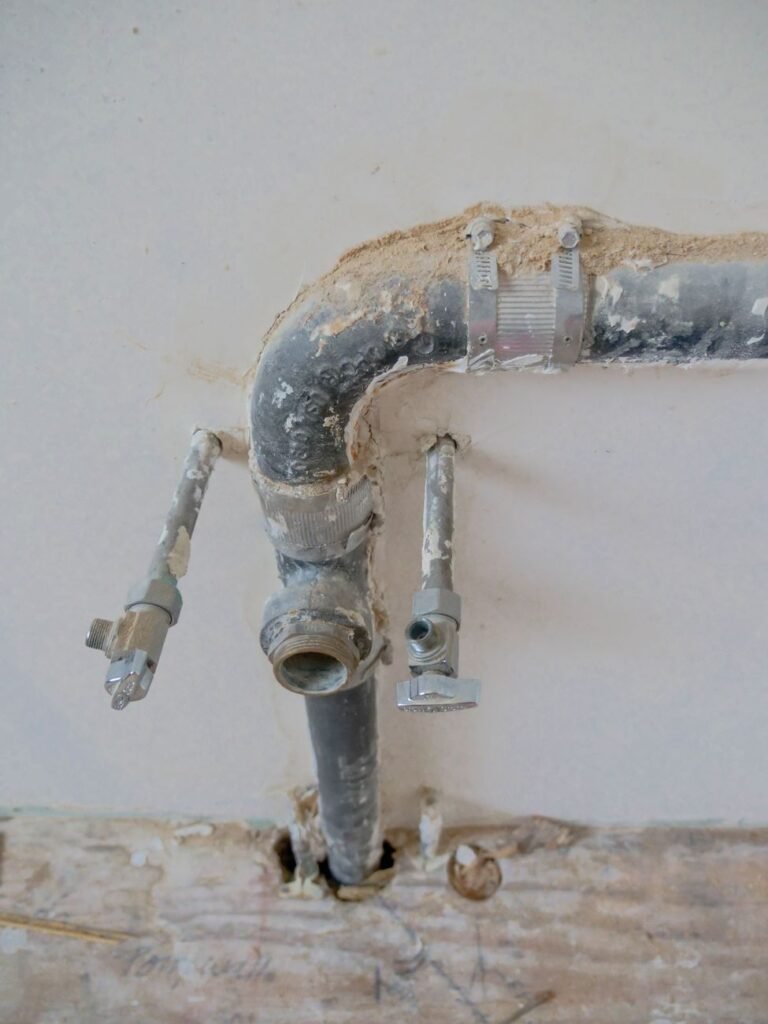
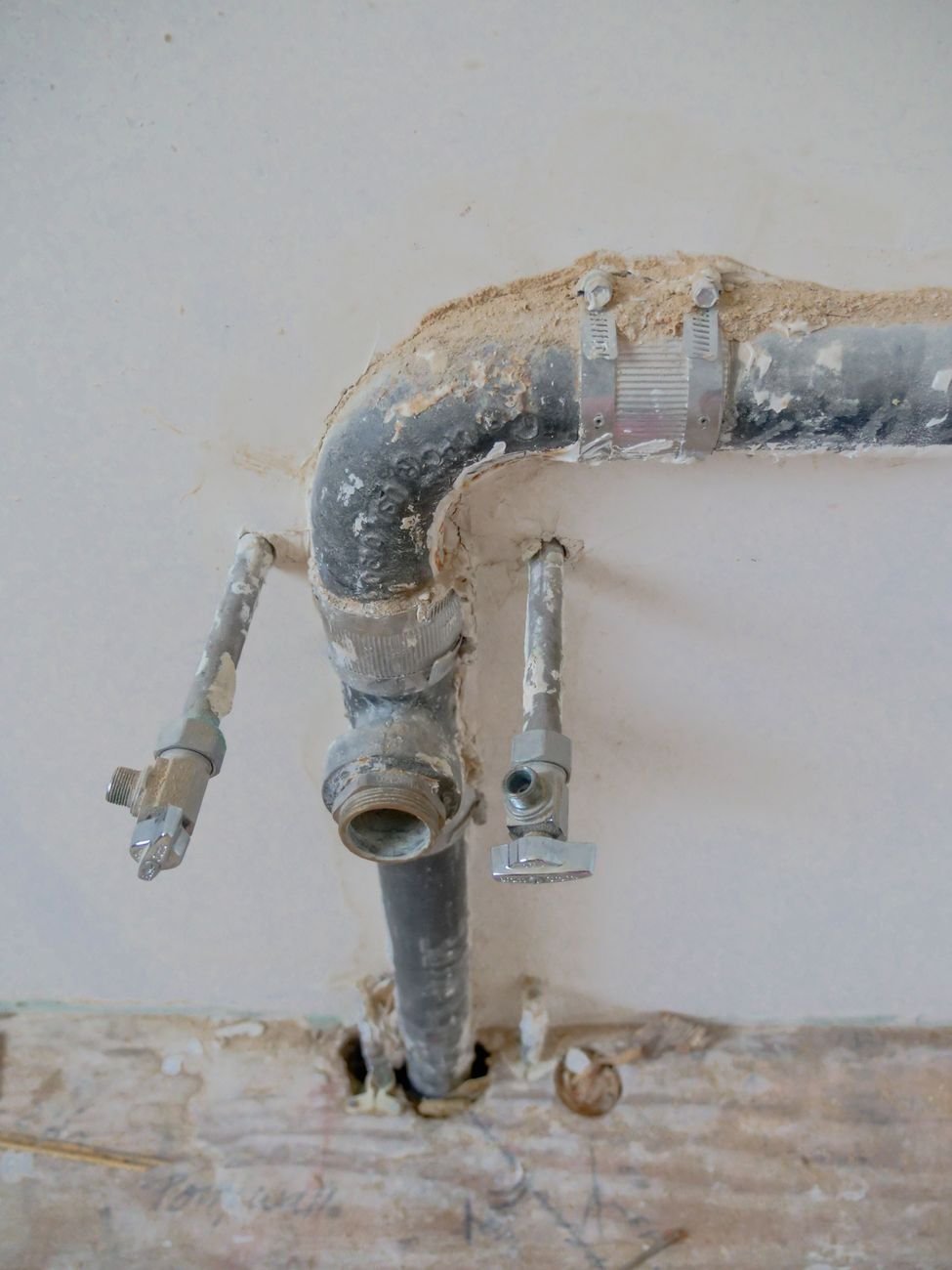
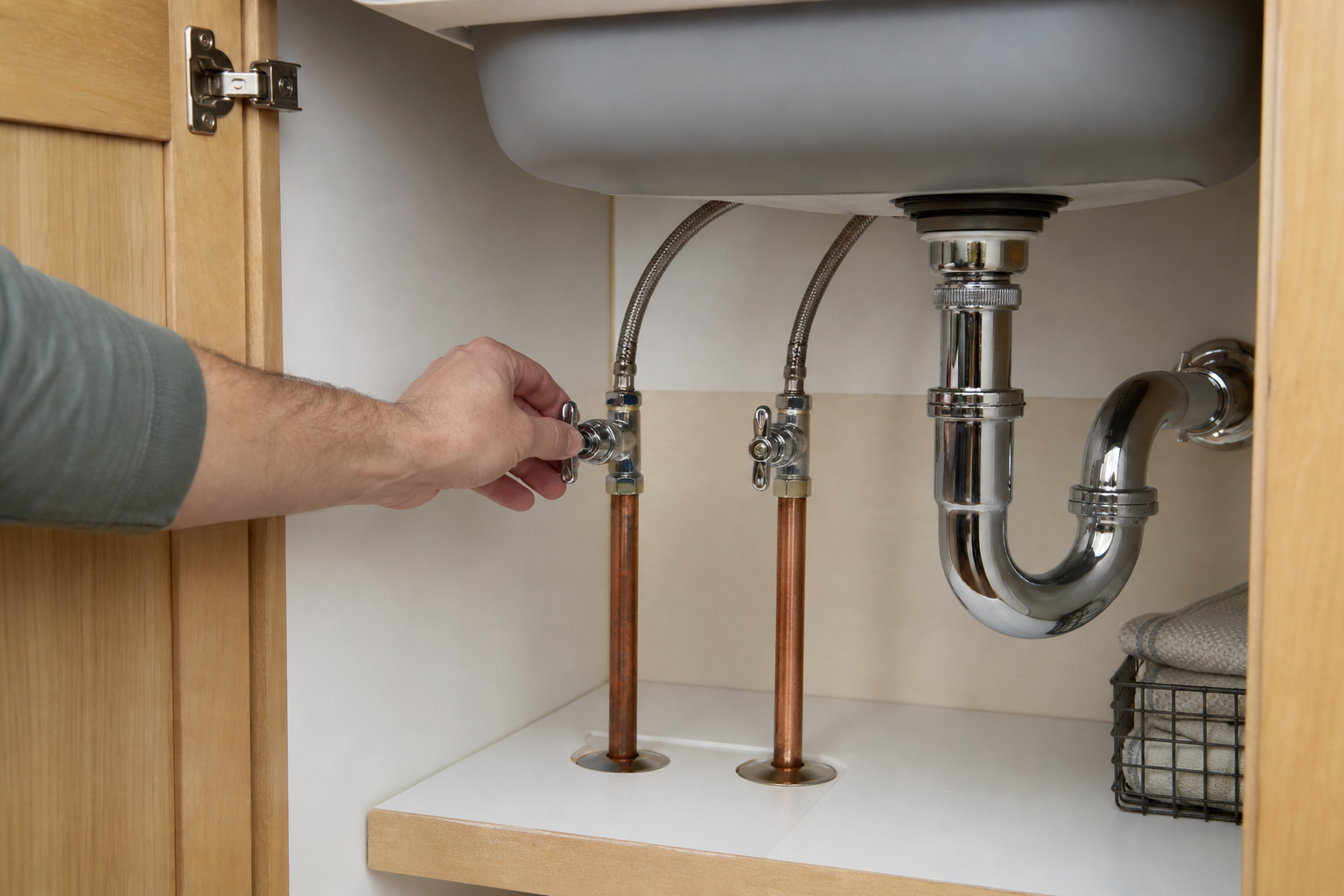
A small leak at one fixture often has a small solution: a fixture stop under a sink or behind a toilet. Turning it clockwise usually stops water to that fixture while leaving the rest of the house supplied. These valves can stiffen with age, so they should be located and tested gently before there is water on the floor. If a valve will not turn without force, leave it alone and arrange a repair.
The main shutoff stops water entering the house. It is often near the point where the service pipe comes through a basement or utility-room wall; layouts vary, so finding it in advance matters. Label it, make sure it is accessible, and check which direction closes it. A valve at a street-side meter may belong to the water utility rather than the homeowner.
A heater leak needs a different plan from a dripping faucet. Closing a nearby tap does not stop cold water feeding the tank. Shut the cold-water inlet valve to the heater, then follow the heater’s instructions for turning off its energy source, such as the electric breaker or gas control. If the inlet valve cannot be identified or does not work, use the main shutoff. For water pooling beneath the tank, see the first steps for a leaking water heater.
A leak detector that sends an alert while the house is empty can buy time, but an alert alone does not close a valve. Only a system paired with an automatic shutoff can do that.
A drain backup is not a pressurized supply leak. Closing the main valve may limit new water use, but it will not clear a blocked drain. Stop running fixtures and appliances that discharge into it; if sewage backs up or several fixtures are affected, call a plumber.
A gas smell near a water heater calls for leaving the area and contacting the gas utility or emergency services from outside. Do not operate switches or valves nearby.
-
Find the water entry point
Record where the service line enters and where the main shutoff sits. Note the meter or well pressure tank, if present.
-
Mark fixture shutoffs
Look under sinks and behind toilets. Label any valves that are hard to tell apart.
-
Locate the water heater
Record its cold-water inlet valve and its electrical disconnect or gas control.
-
Trace visible drains
Note exposed drain pipes and any accessible cleanout, usually a capped opening in a drain line.
-
Check accessible valves gently
Confirm which valve serves which fixture only if it turns easily. Never force a stuck handle.
Home plumbing maintenance tips that prevent leaks
Small checks keep a home plumbing system healthy. Look under sinks and around toilets for drips or water stains every few months, test that shutoff valves turn freely, and listen for a toilet that runs after flushing. Keep fats, oils, wipes and food scraps out of drains, and use a drain strainer in showers to catch hair.
Find and label your main water shutoff valve now, before you need it. It is usually where the supply pipe enters the house, often near the water meter, in a basement, utility room or under the kitchen sink. Knowing where it is can turn a burst pipe from a flood into a minor clean-up.
A basic understanding of home plumbing also helps when you talk to a plumber. Knowing which home plumbing fixtures share a drain, where the water heater is and which valves control which areas makes a call-out quicker and cheaper. Many home plumbing emergencies start small, so a five-minute check under sinks every few months is well worth it. Keep a simple sketch of your home plumbing layout, including valve locations, with your household paperwork.
When to call a plumber
Some home plumbing jobs are best left to a professional from the start.
Call a licensed plumber for home plumbing problems such as low pressure throughout the house, sewage smells, repeated clogs in several drains, water heater leaks or any work that requires opening walls or changing gas connections. Many simple jobs are fine for DIY, but mistakes with pressurised pipes can be costly.
If you are updating a bathroom, read our guide to which bathroom fixtures to keep or replace and find out if your toilet is round or elongated. The EPA's Fix a Leak Week page has simple ways to find and fix household leaks.
A few photos and labels can make the right shutoff easier to find under pressure. Active leaks, sewage backups, or uncertainty about which valve to close call for professional help.















1 response