
PremiumPropertyDirect.co.uk relies on reader support. Purchases made via links on our website may earn us an affiliate commission at no extra cost to you, helping keep the site running.
The first step is a quick check, not a shopping trip.
In a new home, a spare key might be hiding under a planter, while nobody knows when the smoke alarms were last tested. It is easy to start looking at cameras and smart locks, but the urgent basics are simpler. Check that doors and windows latch, test smoke and carbon monoxide alarms, and make sure exits are clear.
If an alarm fails, change its battery if appropriate or arrange a replacement promptly. If a spare key is unaccounted for, ask the landlord about rekeying or change the lock where permitted. Once those concerns are settled, it becomes much easier to tell which extra equipment, if any, would help.
Walk through the home, one room at a time
-
Start with alarms
Use the test button on each smoke and carbon monoxide alarm, following the manufacturer’s instructions. Note any missing, silent, or expired units. A failed alarm needs attention today, not a place on the later-projects list.
-
Try every exterior door
Close each door and check that it latches without being pulled tight. Test its lock and look for a loose strike plate or damaged frame. A door that cannot close or lock securely needs prompt repair.
-
Check windows within reach
In each room, test ground-floor windows and any reachable from a porch, deck, or fire escape. They should close fully and lock without forcing. Record stiff hardware, but address a window that will not lock today.
-
Trace the way out from each sleeping area
Check that the usual route to an exterior door is clear. If a window is part of the escape plan, make sure it opens from inside without a key or tool. Move anything blocking an exit immediately.
-
Make two short lists
Put failed alarms, unsecured openings, and blocked exits on the today list. Give less urgent fixes, such as a sticking latch that still locks, a specific repair date so they do not disappear into a vague to-do list.
Place smoke and carbon monoxide alarms
A smoke alarm warns of a possible fire. A carbon monoxide (CO) alarm warns of a poisonous gas that cannot be seen or smelled. Neither replaces the other. A combination alarm covers both hazards only if it is designed and labeled to detect both.
Start with the places where people sleep. Smoke alarms generally belong inside each bedroom, outside sleeping areas, and on every level, including basements. CO alarms are commonly placed outside sleeping areas and on each level, particularly in homes with fuel-burning appliances or an attached garage. The floor plan, local requirements, and manufacturer’s instructions should settle the exact spots; a vent or cooking area, for example, can affect placement.
In a long hallway or a multilevel home, an alarm sounding far from a bedroom may be difficult to hear. Compatible interconnected alarms can sound together when one detects danger. Before buying, check whether a system shares smoke alerts, CO alerts, or both.
During the room-by-room check, test each alarm as directed and look for its replacement date. If an alarm sounds, leave the building and follow emergency guidance rather than assuming it is a false alarm.
Know what to do when an alarm sounds
An alarm is easier to act on when everyone knows where to go. For each sleeping room, identify two ways out if possible, such as the door and an operable window. Keep those paths clear, and choose a meeting spot outside, away from the building. Practice getting there, including at night, so children know to stay outside rather than look for pets or belongings.
If a smoke alarm sounds, leave promptly, take another route if smoke or heat blocks the first, and call emergency services from outside. If a carbon monoxide alarm sounds, everyone should move to fresh air immediately and call emergency services. No one should stay behind to find the source or go back inside until emergency responders say it is safe. The steps to take after a carbon monoxide alarm explain what to do next.
A brief chirp may signal a low battery or fault rather than a full alarm. Check the device instructions once everyone is safe; if the sound is unclear, treat it as an alarm. A fire extinguisher suited to household fires is an option only for a small, contained fire when someone knows how to use it and the escape route remains clear. Otherwise, leave it to firefighters.
Check exterior doors before upgrading locks
Close each exterior door and check that the latch catches without a shove. Then lock and unlock it from both sides. A deadbolt should slide fully into place without lifting or pulling the door; if it sticks, the door or strike plate may be out of alignment. Test the door from outside, too: a latch that feels secure from indoors may not have caught properly.
Look closely at the frame and strike area, where the bolt enters the wood. Loose screws, cracks, soft wood, or a strike plate that moves under hand pressure deserve attention before a new lock goes on. A costlier lock does not strengthen a weak frame. Reinforcement addresses the part that holds the bolt in place when the door is forced.
After a move, former occupants, contractors, or neighbors may still have keys. Rekeying changes which keys operate an existing compatible lock; replacement may make more sense if the hardware is damaged. Renters should check the lease and ask the landlord or building manager about key control and repairs before changing locks or drilling into a frame. A sticking door or damaged strike area is worth reporting promptly.
Check the openings beyond the front door
A sturdy front door offers little protection if a ground-floor window will not latch. Check windows reachable from a porch, deck, or low roof, too. Close each one and test its lock gently; loose catches and damaged frames need repair before a sensor can be useful.
Sliding doors should close squarely and lock without forcing the panel. Check the track and latch, then consider a fitted secondary lock if the existing one is flimsy. Treat the garage side door and the door into the house as entry points, and keep the overhead door closed when unattended. Any added lock must still allow a safe exit.
A basement walkout or back stair is easy to miss during a quick check. Once the hardware works, add lighting where it helps someone see a step, find a keyhole, or notice activity. Aim lights away from neighbors’ windows. If only a few alarm contacts are available, choose which doors to cover first based on how easily they can be approached unnoticed. A sensor reports an opening; it cannot hold a loose latch shut.
Decide what a camera needs to show
A camera can show who approached a door or leave a record of a package delivery, but it cannot keep someone from entering. Before buying one, it helps to name the question it should answer: Is the concern an unseen side gate, or deliveries left at the front step? That answer points to a useful view more reliably than adding cameras everywhere.
Place a camera where it captures a face or a clear approach, rather than a wide shot of the street. Check the view in daylight and after dark; porch lights, glare, and nearby branches can make footage less useful. Aim away from neighbors’ windows, and think carefully before recording shared indoor spaces. Bedrooms and bathrooms are poor places for cameras, and household members should know what is being recorded.
Recording features deserve a close look too. Some cameras save only motion clips, and older footage may be overwritten quickly. Even cameras without monthly recording fees have storage limits, so check how long footage remains available and whether it can be downloaded.
An outage raises a separate question: whether recording continues without internet. A camera may need a local memory card, backup power, or both. If the main need is checking live video from away, that loss of connection matters as much as recording does.
- A clear view after dark
A camera aimed through a window may show reflections from its own infrared lights instead of the yard. Before buying one for that spot, check how to handle night-vision glare through glass; turning off infrared may help if outdoor lighting is sufficient.
Check forA usable night image from the intended positionWatch out forAssuming a clear daytime view will work at night - A way in when the battery dies
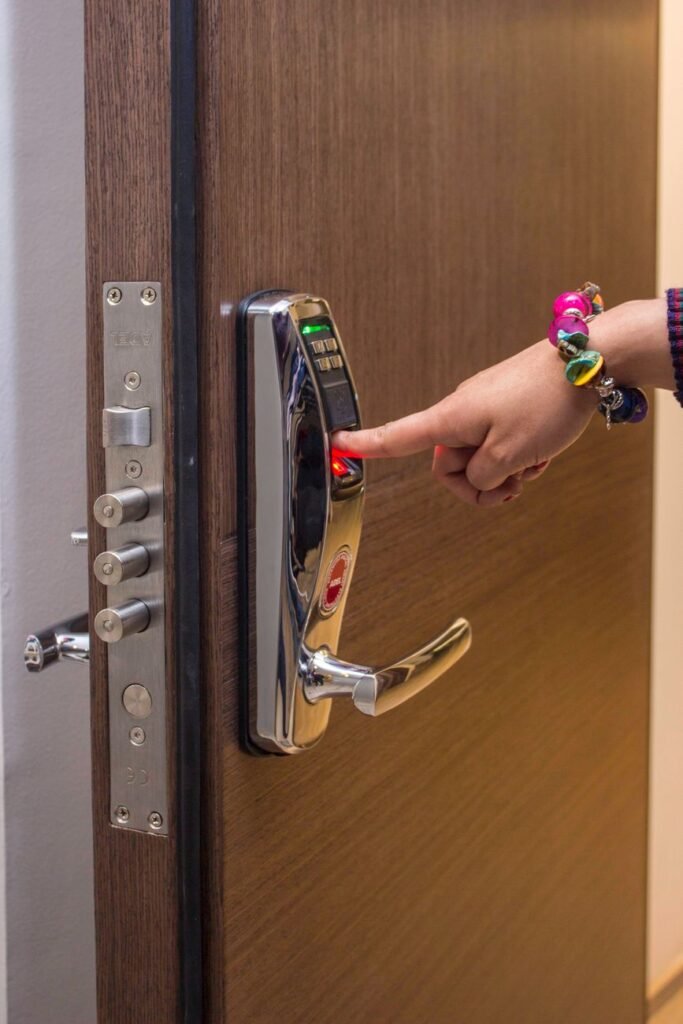
Before choosing a smart lock, find out exactly how it opens with a dead battery. Some models have a keyhole or external power contacts, but the backup is useful only if the household can access it. Check the dead-battery entry options for the model under consideration.
Check forA backup entry method the household can actually useWatch out forRelying solely on battery warnings
Keep the checks going
A calendar reminder can keep the first round of fixes from fading into the background. Test smoke and carbon monoxide alarms as their manuals instruct, and note the replacement date on each unit. A new battery does not extend an alarm’s service life.
Every few months, close and lock the main doors and reachable windows. A latch that needs a shove, or a window that no longer closes fully, deserves attention. If an alarm keeps chirping after a battery change, follow a check of common causes rather than repeatedly removing the battery.
Revisit escape routes whenever furniture moves, bedrooms change, or new window hardware goes in. Check the route from each sleeping area, including the path to the exit, not just the door itself.
A stronger lock or window device should never trap someone inside. Emergency exits must open from within without a key or special tool.
Put the urgent fixes first
An exit that cannot be used or an alarm that is missing or fails a test comes first. Clear the route, repair the opening, and replace or repair the alarm according to its instructions. Next, sort out keys whose whereabouts are uncertain and fix doors or windows that do not latch reliably. Cameras and other monitoring can wait until those basics work.
A dated checklist keeps the rest manageable. Each remaining item needs one next action, such as “call about the sticking back door on Tuesday,” rather than a vague note to improve security. Mark repairs complete only after checking that they work.