

PIV or dehumidifier: the quick answer
A PIV unit is a whole-house ventilation system that gently pushes filtered air into your home, diluting moist air. A dehumidifier removes water from the air in one area. PIV is a long-term, whole-home fix; a dehumidifier is cheaper upfront and better for targeted problems like laundry drying.
- How PIV and dehumidifiers work
- Cost to buy, install and run
- Pros and cons of each
- Which one suits your home
The PIV unit vs dehumidifier debate comes up whenever a home has persistent condensation and mould. Both can solve the problem, but they work in completely different ways, cost different amounts and suit different homes. Choosing the wrong one can mean spending hundreds of pounds without fixing the damp.
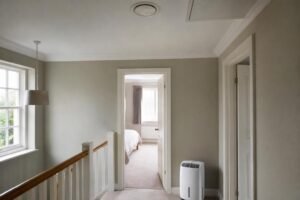
Positive input ventilation, or PIV, is a fan unit usually installed in the loft or on a wall that draws in fresh air, filters it and blows it gently into the home. The slight positive pressure pushes stale, moist air out through natural gaps and vents. A dehumidifier, by contrast, is a portable appliance that removes water from the air in one room or area. In this guide we compare a PIV unit vs dehumidifier on effectiveness, cost and practicality. For general advice on damp, see our guide to fixing damp problems.
Key takeaways
- PIV is best for whole-house condensation in homes with a loft, especially where ventilation is poor.
- Dehumidifiers are best for laundry drying, single damp rooms, flats without loft space and short-term problems.
- Cost PIV units start around £300–£400 before installation; installed costs are often £800–£1,000. Dehumidifiers cost £100–£300.
- Running Unheated PIV units are cheap to run; dehumidifiers cost a few pence an hour when running.
Our top picks at a glance


How a PIV unit works
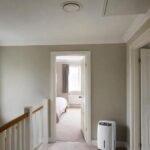
A loft-mounted PIV unit, such as the Nuaire Drimaster-Eco, draws air from the loft space, which is usually drier and slightly warmer than outside air, filters it and blows it through a diffuser into the landing or hallway. This constant, gentle supply of fresh air dilutes moisture and pushes humid air out through gaps, trickle vents and extractor fans. Some models include a small heater to temper the incoming air in very cold weather. Nuaire says PIV is now installed in over a million UK homes, and you can read how it works on Nuaire's PIV page.
How a dehumidifier works
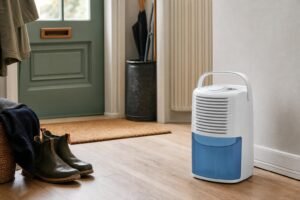
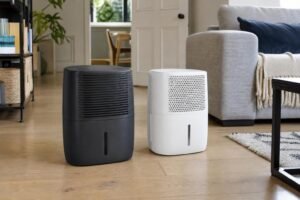
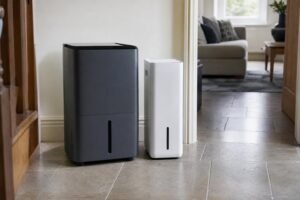
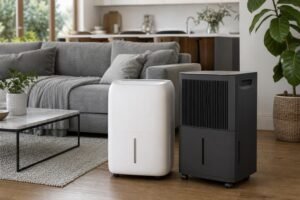
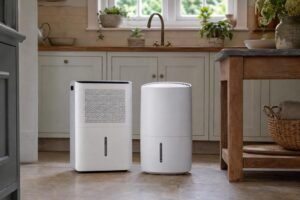
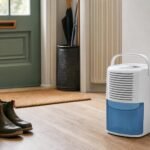
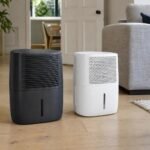
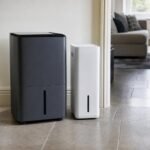
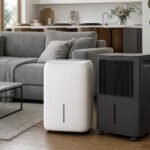
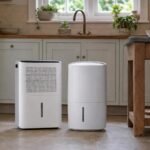
A dehumidifier draws in room air and removes water, either by chilling it over coils (compressor) or passing it through a moisture-absorbing wheel (desiccant). The water collects in a tank or drains away. It treats the room it is in, plus nearby spaces if doors are open, but it does not change the air in the home.
PIV unit vs dehumidifier: comparison table
| Factor | PIV unit | Dehumidifier |
|---|---|---|
| Coverage | Whole house | One room or area |
| How it works | Dilutes moist air with filtered fresh air | Removes water from the air |
| Upfront cost | Around £300–£1,000 for the unit | Around £100–£300 |
| Installation | Usually professional, electrical connection | Plug in and go |
| Running cost | Low for unheated units; heated models cost more | A few pence an hour while running |
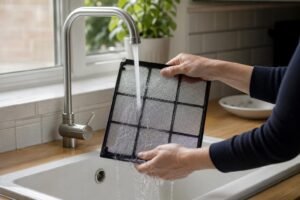
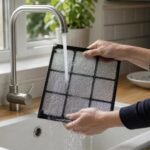
| Maintenance | Filter change every few years | Empty tank, clean filter regularly |
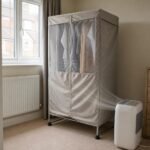
| Laundry drying | Limited help | Excellent |
| Suits flats | Wall-mounted versions exist, but less common | Yes |
| Noise | Very quiet, continuous | Audible while running |
Costs in more detail
Permagard lists the Nuaire Drimaster-Eco from around £330, while total supplied-and-fitted costs are often around £800–£1,000 once a qualified electrician has connected it. Running costs for unheated PIV units are low; retailers quote Nuaire's estimate of roughly 5–10p a day depending on speed and heating. Heated PIV units cost more to run in winter because the heater warms incoming air.
A dehumidifier costs far less upfront. A 12L compressor model costs £120–£200 and draws around 150–220W, which is about 4–6p an hour at the current Ofgem price cap of 26.32p per kWh. Used for six hours a day through winter, that is roughly £8–£11 a month. Our guide to reducing energy bills has more ways to trim running costs.
Pros and cons
- Treats the whole house continuously
- Very low maintenance
- Quiet and out of sight
- Filters incoming air
- Low running cost for unheated units
- Higher upfront and installation cost
- Needs a suitable loft or wall position
- Less help with laundry drying
- Heated versions cost more to run
- Low upfront cost
- Portable and plug-and-play
- Excellent for drying laundry
- Works in flats, garages and outbuildings
- Treats one area at a time
- Tank emptying and filter cleaning
- Audible while running
PIV unit vs dehumidifier: which should you choose?
- Condensation on windows throughout the house, with a loft: PIV is usually the better long-term fix.
- Flat or apartment: a dehumidifier is usually more practical, unless a wall-mounted PIV can be fitted.
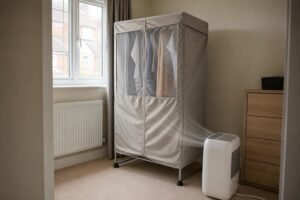
- Mainly a laundry problem: a dehumidifier, because it dries clothes and removes their moisture at source.
- Rented home: tenants usually choose a dehumidifier; landlords often choose PIV as a permanent fix.
- Severe damp: fix leaks and rising damp first, then decide. See our guide to fixing rising damp.
Many homes benefit from both: PIV to keep the house generally dry, and a dehumidifier for laundry days or a stubborn room. Homebuilding's guide to positive input ventilation is a useful extra read on PIV pitfalls.
Final verdict on PIV unit vs dehumidifier
In the PIV unit vs dehumidifier comparison, PIV wins for whole-house, long-term condensation control in homes with a loft, while a dehumidifier wins on upfront cost, flexibility and laundry drying. If you own a house with recurring condensation in several rooms, PIV is worth getting quoted. If you rent, live in a flat or mainly need to dry washing, a good dehumidifier is the smarter buy.
Frequently asked questions
Is a PIV unit better than a dehumidifier?
For whole-house condensation in a home with a loft, PIV is often the better long-term solution. For laundry drying, flats and single rooms, a dehumidifier is usually better.
How much does a PIV unit cost to install?
Units start around £300–£400, and supplied-and-fitted costs are often around £800–£1,000 including an electrician.
Are PIV units expensive to run?
Unheated PIV units are cheap to run. Heated versions cost more in winter because they warm the incoming air.
Can I use a PIV unit and a dehumidifier together?
Yes. Many households use PIV for general condensation control and a dehumidifier for laundry days or damp rooms.
Does PIV work in flats?
Wall-mounted PIV units exist for flats without loft access, but they are less common. A dehumidifier is usually the simpler choice in a flat.
PIV unit vs dehumidifier: verdict
- Whole-house condensation with a loft: PIV
- Laundry, flats and rentals: dehumidifier
- Fix leaks and rising damp first
PIV is the best permanent, whole-house fix for condensation in homes with a loft. A dehumidifier is cheaper, portable and better for laundry, flats and single rooms. Many homes get the best results from using both.