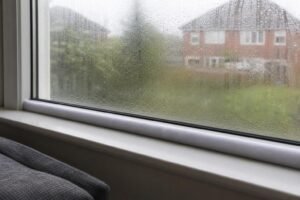

Does anti condensation window film work?
Yes, on the right windows. Heat-shrink insulating film creates a still air gap that keeps the inner surface warmer, so less water condenses. It works best on single glazing, old secondary panes and cold conservatory glass.
- How anti condensation window film works
- The best film kits in the UK
- How to fit it without wrinkles
- When film is not the answer
Anti condensation window film is one of the cheapest ways to reduce streaming windows in a cold home. For a few pounds per window, a clear heat-shrink film fitted to the frame creates a pocket of still air between the film and the glass. That pocket acts like the gap in double glazing: the film's inner surface stays warmer than the glass, so warm, moist room air is less likely to reach its dew point and condense.
It is not a miracle product. Anti condensation window film will not fix high indoor humidity, and it does little on modern double glazing that is already performing well. But on single-glazed sash windows, old metal frames, a cold conservatory or a rental where replacing windows is not an option, it can make a real difference to condensation, draughts and heat loss. In this guide we explain how it works, which films to buy and how to fit them neatly. For more ways to cut condensation, see our guide to preventing mould in UK homes.
Key takeaways
- Best type Clear heat-shrink insulating film fixed to the frame with double-sided tape.
- Where it helps most Single glazing, sash windows, old metal frames and conservatory glass.
- Evidence University of Salford tests on Stormguard film found window U-values improved by around 26–28%.
- Limits It reduces condensation on the glass but does not lower room humidity. Pair it with ventilation or a dehumidifier.
Our top picks at a glance


How anti condensation window film works
Condensation forms when warm, humid air meets a surface colder than its dew point. Single-glazed windows are often the coldest surfaces in a room, so they stream first. Anti condensation window film is fitted to the window frame rather than the glass, leaving a gap of a few millimetres to a few centimetres. The trapped air slows heat loss, so the film's inner face sits much closer to room temperature.
Independent testing backs this up. A University of Salford study commissioned by Stormguard measured window U-values with and without its secondary glazing film and found reductions of around 26–28%, for example from 4.18 to 3.00 W/m²K on a kitchen window. You can read the Salford test report for full details. A lower U-value means a warmer inner surface and less condensation.
There are also "anti-fog" or hydrophilic films designed to make condensation spread into a thin, clear layer rather than droplets. These help visibility, but the water is still there, so for damp and mould the insulating type is the better choice.
The best anti condensation window film options in the UK
1. Stormguard Secondary Glazing Film – best overall
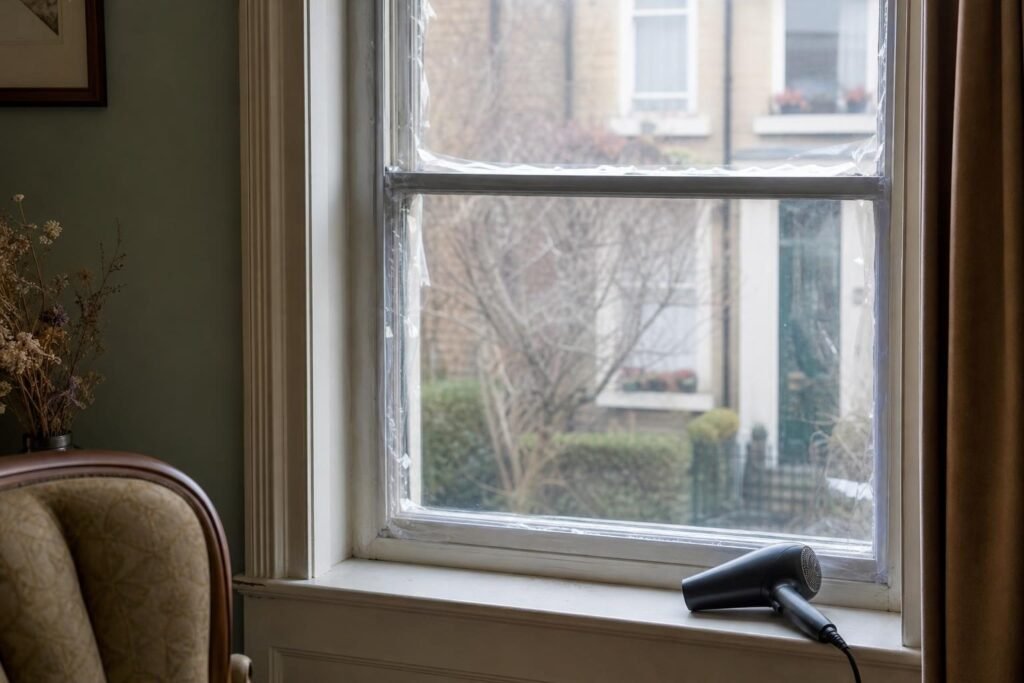
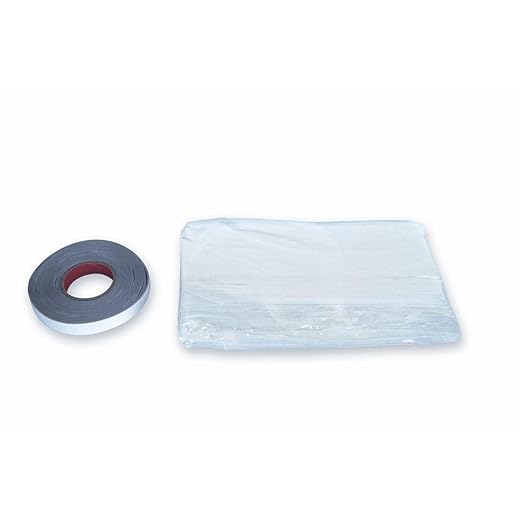
Stormguard's heat-shrink film is the most widely available option in UK DIY stores, sold in 6m² and 12m² packs with double-sided tape included. It is often one of the cheapest options per square metre, and it is the film used in the Salford test. Fit the tape to the frame, apply the film, then shrink it tight with a hairdryer.
- Widely available and inexpensive
- Independent test data
- Tape included
- Removable at the end of winter
- Tape can lift paint when removed
- Film can be damaged by pets and children
- Opening the window means removing the film
2. Stormguard Conservatory Film – best for large areas
For conservatories and big bay windows, Stormguard's 12m² conservatory pack gives you enough film for large panes in one go. The Centre for Sustainable Energy notes that enough film for a large bay window typically costs around £10–15, which makes it far cheaper than any glazing upgrade.
3. Exitex insulating window film – best alternative
Exitex, an Irish draught-proofing brand, sells a transparent heat-shrink film in 4.5m² packs that works in exactly the same way. It is a good alternative if Stormguard is out of stock.
4. Warmseal double glazing insulation film – best value bulk pack
Warmseal's 9m² pack is another tape-and-shrink kit available from UK suppliers at a low price. It suits households fitting film across several windows.
5. Magnetic acrylic secondary glazing – best upgrade
If you want something more durable than film, made-to-measure magnetic acrylic panels fix to the frame with steel and magnetic strips and can be lifted off when you want to open the window. They cost more but are reusable for years, look neater and are far tougher than film. Our guide to the best secondary glazing film compares film and panel options in more detail.
How to fit anti condensation window film
- Clean and dry the frame
Wipe the frame with warm soapy water and let it dry fully. Tape will not stick to damp or dusty surfaces.
- Apply the tape
Run the double-sided tape around the frame, a few centimetres from the glass. Press firmly and leave the backing on.
- Cut the film
Cut the film a few centimetres larger than the taped area on every side.
- Fix the film
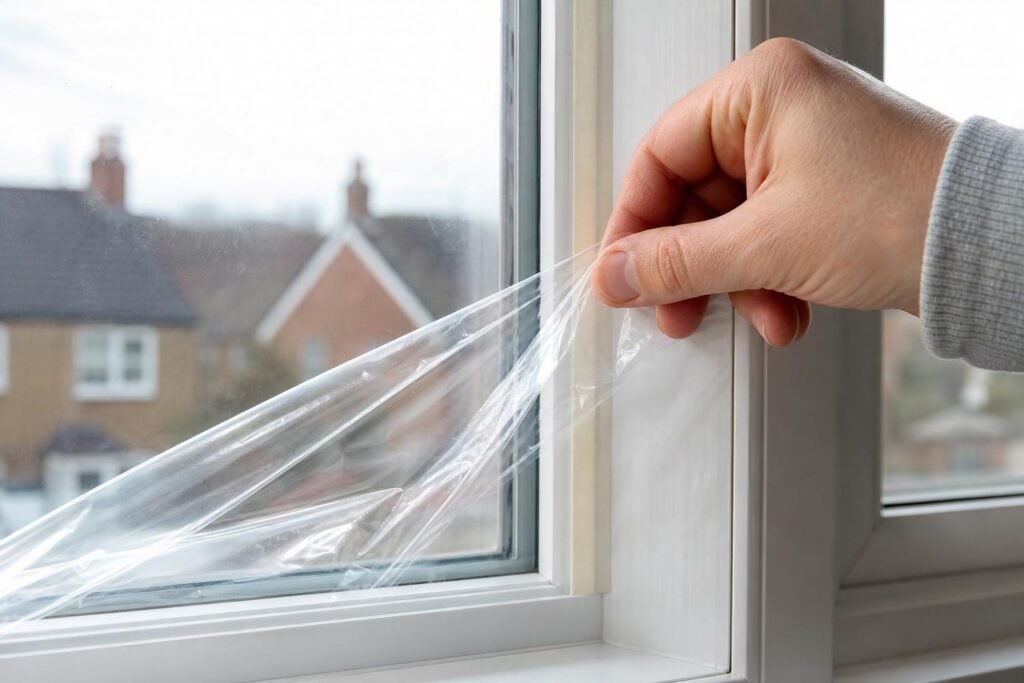
Peel the backing from the top edge first, press the film on, then work down the sides and bottom, keeping it as smooth as possible.
- Shrink with a hairdryer
Move a hairdryer on a warm setting slowly across the film, a few centimetres away, until wrinkles disappear and it is taut.
- Trim the excess
Trim the edges neatly with a sharp knife or scissors.
Do not cover trickle vents or the only window in a room with a fuel-burning appliance. Ventilation is still essential.
When anti condensation window film is not the answer
- Your double glazing is already good: film adds little and may simply move condensation elsewhere.
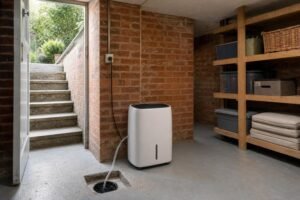
- The problem is very high humidity: if walls and ceilings are damp too, you need ventilation or a dehumidifier. See our guide to the best dehumidifiers.
- Windows you need to open daily: film has to come off to open the window. Choose removable panels instead.
- Condensation between double-glazed panes: this means the sealed unit has failed and the glass unit needs replacing.
Is anti condensation window film worth it?
For single-glazed, draughty or very cold windows, anti condensation window film is one of the best-value home improvements you can make. It costs a few pounds per window, cuts heat loss and keeps the inner surface warmer, which means less water on the sill each morning. For bigger savings, combine it with the draught-proofing ideas in our guide to cheap insulation upgrades.
Frequently asked questions
Does anti condensation window film really work?
Insulating heat-shrink film does reduce condensation on cold windows by keeping the inner surface warmer. Testing on Stormguard film found window U-values improved by around 26–28%.
Can I use window film on double glazing?
You can, but the benefit is small if your double glazing is in good condition. Film is most effective on single glazing and old, poorly performing windows.
Will window film damage my frames?
The double-sided tape can lift paint or leave residue on some frames when removed. Test a small area first or use low-tack tape.
How long does window insulation film last?
Typically a whole heating season. Most people fit it in autumn and remove it in spring.
Is anti-fog film the same as anti condensation window film?
No. Anti-fog film spreads water into a clear layer for visibility, while insulating film reduces how much condensation forms in the first place.
Our verdict on anti condensation window film
- Best value: Stormguard heat-shrink film
- Best upgrade: magnetic acrylic panels
- Still ventilate and control humidity
Heat-shrink insulating film such as Stormguard’s is the best anti condensation window film for most UK homes: cheap, removable and backed by independent testing. For a tougher, reusable option, choose magnetic acrylic secondary glazing.