
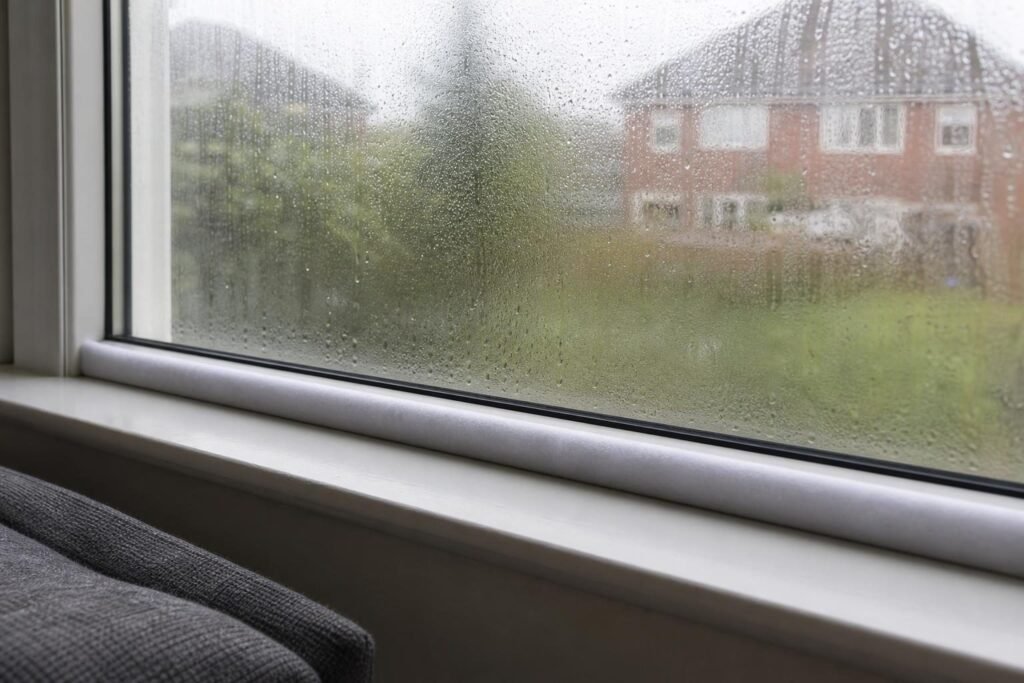
What are window condensation traps?
Window condensation traps catch or absorb the water that runs down cold glass so it does not pool on the sill, stain frames or feed mould. They treat the symptom rather than the cause, but they are cheap, quick and genuinely useful on bad winter mornings.
- The main types of trap
- Our top picks
- How to use them well
- How to reduce condensation at the source
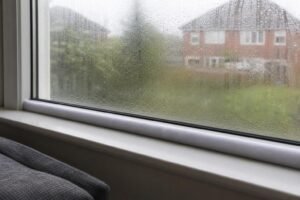
Window condensation traps are a simple answer to a very British problem: waking up to windows streaming with water and a puddle on the sill. Left alone, that water soaks into wooden sills, discolours paint, rots seals and encourages black mould around the frame. Traps catch or absorb that water before it can do damage.
There are several types, from self-adhesive felt strips to reusable "water eater" sausages, clay-filled absorbers, cordless window vacuums and moisture absorber tubs. Each suits a slightly different window and situation. In this guide we compare the best window condensation traps available in the UK and explain how to combine them with habits and appliances that cut condensation at the source. For broader advice, see our guide to preventing mould in UK homes.
Key takeaways
- Best for most windows Self-adhesive absorbent felt drip strips along the bottom of the glass.
- Best for heavy runoff Lakeland Window Water Eater: holds up to about a litre and is reusable.
- Fastest daily fix A cordless window vacuum to collect water each morning.
- Real fix Reduce indoor humidity with ventilation or a dehumidifier.
Our top picks at a glance


The main types of window condensation traps
Absorbent drip strips: thin, self-adhesive felt or fabric strips you stick along the bottom of the glass or frame. They soak up water as it runs down and can be dried and reused. Rolls are typically a few metres long and can be cut to fit.
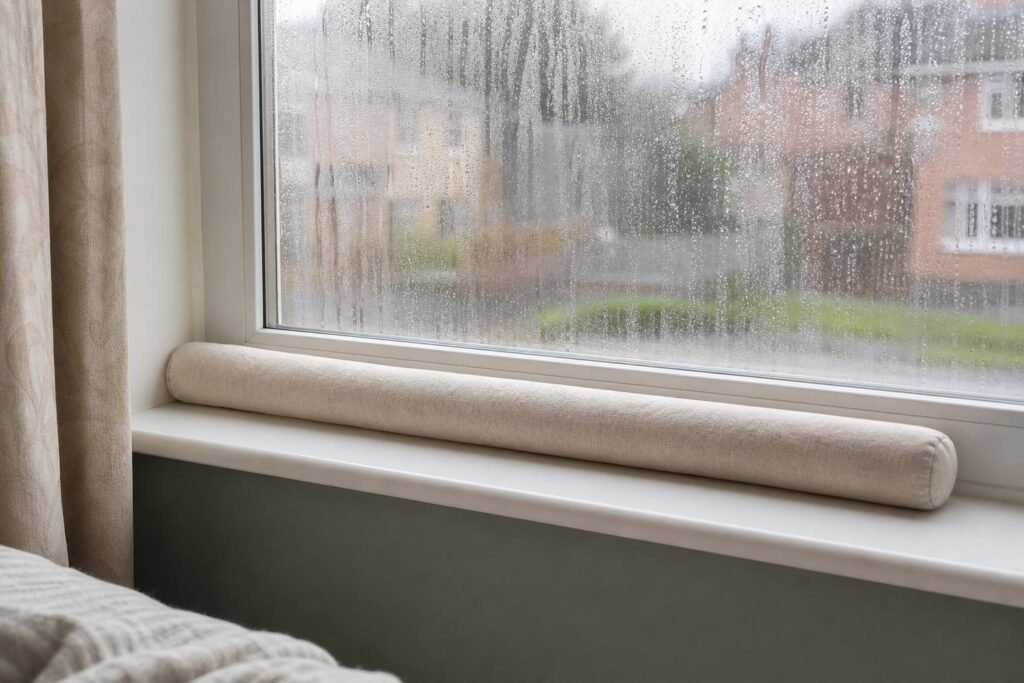
Water eaters and draught-snake absorbers: fabric tubes filled with super-absorbent material that sit on the sill and soak up runoff. You air dry them and reuse them.
Clay-filled absorbers: mouldable absorbers with clay filling that you shape to fit a sill or the base of a shower screen, then air dry to reuse.
Window vacuums: cordless squeegee-vacuums that suck condensation off the glass each morning into a small tank.
Moisture absorber tubs: containers of crystals that absorb moisture from the air into a reservoir. They reduce humidity slightly in small spaces but hold limited water.
The best window condensation traps
1. Absorbent felt drip strips – best for most windows
Cut-to-fit, self-adhesive drip strips are the most popular of all window condensation traps. Owners describe sticking a strip along the bottom of the glass and finding the usual morning puddle gone, soaked into the strip instead. Most can be peeled off, wrung out or dried and refitted. Look for thicker felt, around 5mm, and adhesive that does not leave residue.
- Cheap and cut to fit
- Discreet once fitted
- Reusable after drying
- No power needed
- Adhesive can lift on damp frames
- Can discolour over time
- Hold limited water on very wet nights
2. Lakeland Window Water Eater – best for heavy runoff
Lakeland's Window Water Eater is a super-absorbent sill tube around 65cm long that can absorb up to about a litre of water. You leave it on the sill overnight, then air dry it to reuse. Lakeland also sells a larger version that catches seepage under windows and doors.
3. Clay-filled water absorbers – best for awkward sills
Clay-filled absorbers, such as the Water Absorber sold by Coopers of Stortford for around £12.99, can be moulded to fit deep or uneven sills and even the base of a shower screen. Air dry and reuse.
4. Cordless window vacuum – best daily routine
A window vacuum is not a trap in the strict sense, but it is the fastest way to remove water from glass every morning. It takes a minute per window and you simply pour the water away. It is ideal for large windows or patio doors where strips would be overwhelmed.
5. Moisture absorber tubs – best supplement
Moisture absorber tubs on a window sill or in a cupboard slowly draw water from the air. They are useful in small rooms and wardrobes, but they cannot keep up with a whole room's moisture load.
6. Secondary glazing film – best to reduce condensation in the first place
On single-glazed or very cold windows, insulating film keeps the inner surface warmer so less water forms at all. Read our guide to the best anti condensation window film.
How to get the best from window condensation traps
- Clean and dry the frame
Fit strips to a clean, dry frame so the adhesive sticks.
- Position at the lowest point
Fit strips along the bottom edge of the glass where water collects.
- Dry them out regularly
Remove and dry absorbers during the day so they are ready for the next night.
- Wipe the glass
Use a cloth or window vacuum on very wet mornings to stop traps being overwhelmed.
- Watch for mould
Wash strips and absorbers regularly, and replace them if they become discoloured or smell.
Reduce condensation at the source
Window condensation traps manage the water; they do not stop it forming. To cut condensation itself:
- Ventilate: open trickle vents, use extractor fans and open windows briefly after cooking and showering.
- Dry laundry carefully: use a dehumidifier in a closed room, as explained in our guide to what size dehumidifier for drying clothes.
- Heat evenly: keeping rooms at a steady temperature reduces cold surfaces.
- Use a dehumidifier: keeping humidity around 50–55% dramatically reduces window condensation. See our guide to the best dehumidifiers.
- Insulate the glass: secondary glazing film helps on single glazing.
For more on why these steps matter, the Centre for Sustainable Energy's secondary glazing advice leaflet explains how simple film reduces heat loss from windows.
Our verdict on the best window condensation traps
Absorbent felt drip strips are the best window condensation traps for most homes: cheap, discreet and reusable. Choose Lakeland's Window Water Eater for heavy runoff, a clay absorber for awkward sills and a window vacuum for big windows. Then tackle the cause with ventilation, insulation and a dehumidifier.
Frequently asked questions
Do window condensation traps work?
Yes, for catching and absorbing the water that runs down glass. They do not stop condensation forming, so pair them with ventilation or a dehumidifier.
What is the best way to stop condensation on windows?
Reduce indoor humidity with ventilation and a dehumidifier, keep rooms evenly heated and insulate cold glass with film or secondary glazing.
Are condensation absorber strips reusable?
Most are. Remove them, let them dry and refit them, and wash or replace them if they get mouldy.
Do moisture absorber tubs stop window condensation?
They help a little in small spaces, but they hold limited water and cannot handle a whole room’s moisture.
Is a window vacuum worth it for condensation?
For large windows or heavy condensation, yes. It removes water quickly each morning so it cannot soak into sills.
Best window condensation traps: verdict
- Best overall: absorbent drip strips
- Heavy runoff: Lakeland Window Water Eater
- Cut condensation at source with a dehumidifier
Self-adhesive absorbent strips are our top window condensation traps, with Lakeland’s Window Water Eater best for heavy runoff and a window vacuum the quickest daily fix. Use them alongside ventilation and a dehumidifier to tackle the cause.