
What size dehumidifier for drying clothes?
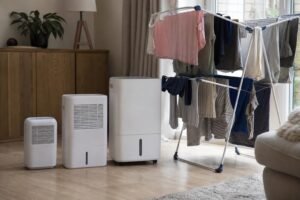
For most households a 12L dehumidifier is the sweet spot for laundry. Choose 10L for one or two people drying occasional loads, and 20L for families drying most days. In cold rooms, a desiccant model often beats a bigger compressor.
- How much water a load of washing releases
- 10L vs 12L vs 20L for laundry
- Desiccant vs compressor for drying
- Setup tips for faster drying
Choosing the right dehumidifier for drying clothes comes down to how much washing you dry, how often, and how cold the room is. A full load of washing can hold two to three litres of water even after a good spin. Without a dehumidifier, all of that ends up in your home's air and on your windows. With the right-sized machine, washing dries faster, smells fresher and your walls stay dry.
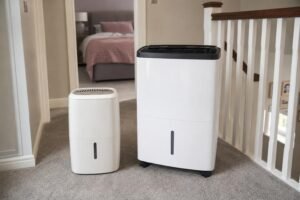
Bigger is not always better. A 20L machine will dry clothes faster than a 10L, but it costs more, takes up more space and may be overkill for a couple drying a load or two a week. This guide compares 10L, 12L and 20L sizes specifically for laundry, explains when a desiccant model is a better choice and gives practical tips to cut drying times. If you want our top overall picks, see the guide to the best dehumidifiers.
Key takeaways
- 10L Fine for one or two people drying a load or two a week in a small, warm room.
- 12L The best all-round dehumidifier for drying clothes in most homes.
- 20L Best for families drying daily, large loads or bulky items like bedding.
- Cold rooms A 7–11L desiccant often dries faster than a larger compressor in rooms below about 15°C.
Our top picks at a glance


How much water does a load of washing release?
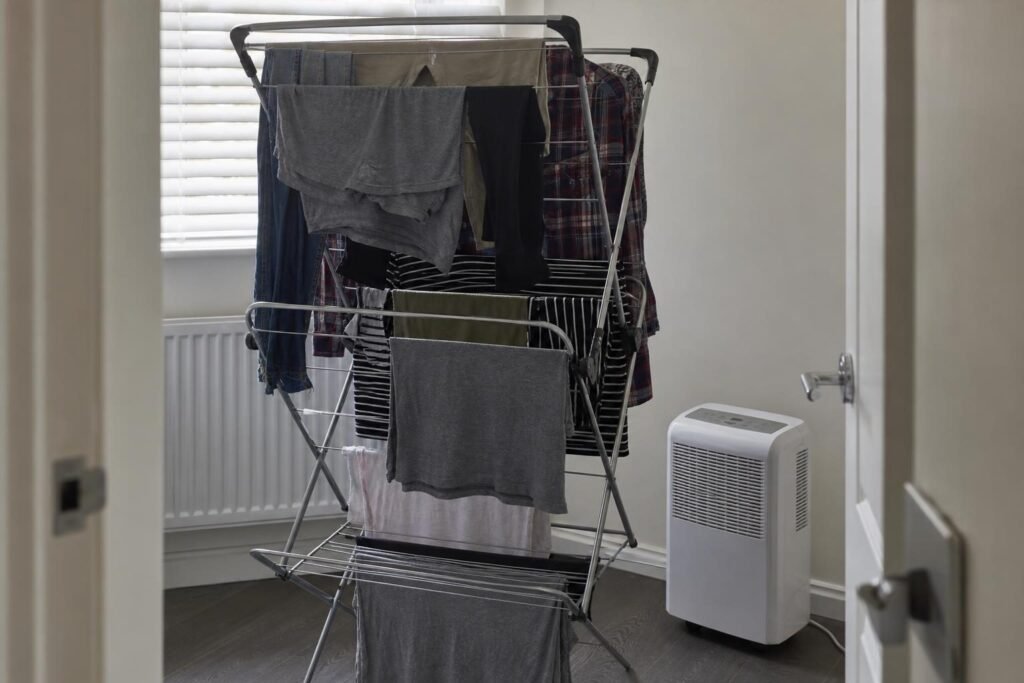
A typical 6–8kg load spun at 1,200–1,400rpm still holds roughly two to three litres of water. Towels, jeans and bedding hold more; synthetics hold less. That water has to evaporate and be removed by your dehumidifier. In practice, a dehumidifier does not need to extract the full amount in an hour; it needs to keep the air dry enough that evaporation continues quickly.
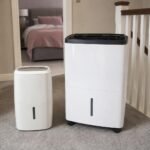
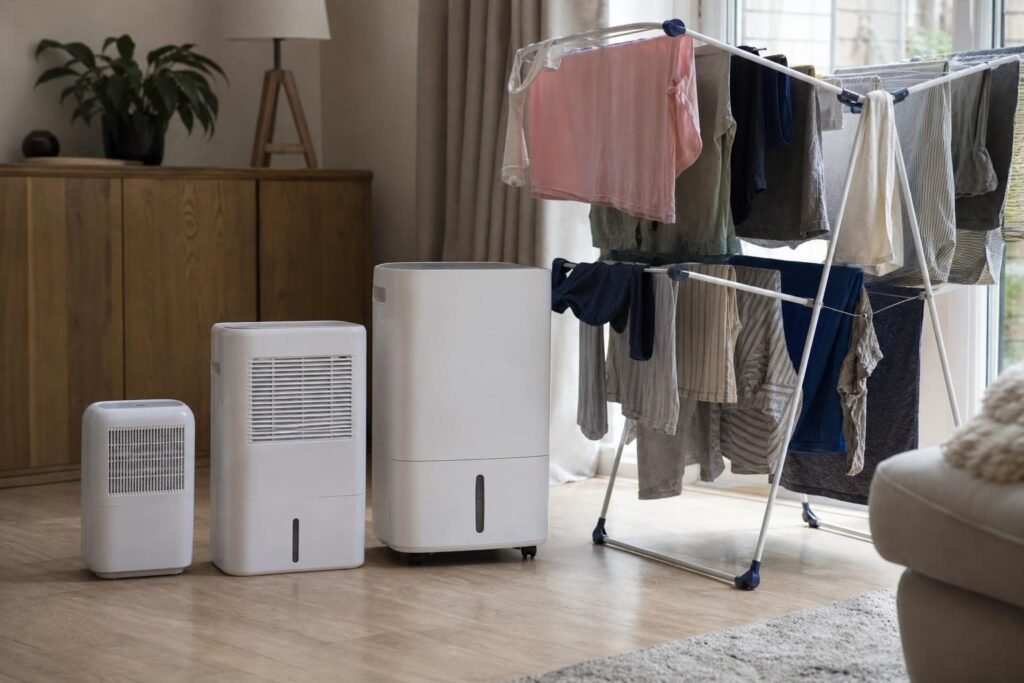
Dehumidifier size comparison for laundry
| Size | Best for | Typical drying time for a full load* | Noise | Typical price |
|---|---|---|---|---|
| 10L | 1–2 people, occasional loads | 6–8 hours | Quietest | £100–£160 |
| 12L | Most households, 2–4 loads a week | 5–7 hours | Quiet | £115–£200 |
| 20L | Families, daily drying, bedding | 3–5 hours | Slightly louder | £180–£300 |
| 7–11L desiccant | Cold rooms, fast drying with warm air | 3–6 hours | Quiet, no compressor hum | £185–£340 |
*Indicative times in a small closed room at normal room temperature on laundry mode. Fabric, spin speed and room temperature make a big difference.
10L dehumidifier for drying clothes
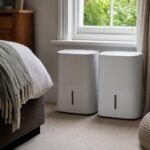
A 10L dehumidifier is fine for small households and occasional loads. It works best in a small room with the door shut. The Meaco Arete One 10L, for example, draws only about 163W and is very quiet. It will dry clothes, but more slowly than larger models, so it suits people who can leave washing overnight.
12L dehumidifier for drying clothes
For most homes, a 12L dehumidifier for drying clothes hits the sweet spot. It is still compact and affordable, but has enough capacity to handle several loads a week. Budget options from Pro Breeze, VonHaus and Devola, and premium choices such as the Meaco Arete One 12L, all work well. See our 10L vs 12L dehumidifier guide for the detail.
20L dehumidifier for drying clothes
Families drying a load or more every day, or drying bulky bedding and towels, will see the biggest benefit from a 20L. Larger models usually have bigger tanks, around 5 litres on Pro Breeze's 20L laundry-mode models, so you are not emptying mid-load. They are heavier and a little louder, but they dry clothes noticeably faster. Our 12L vs 20L dehumidifier guide compares the two.
Desiccant dehumidifiers for laundry
Desiccant dehumidifiers deserve special mention. They blow out air several degrees warmer than the room and keep working well in cold conditions, which makes them excellent laundry dryers in unheated utility rooms, garages and cool bedrooms. A 7.5L desiccant like the EcoAir DD1 Classic MK6 often dries washing faster in a cold room than a 12L or even 20L compressor model. The downside is higher power use. Read our EcoAir DD1 Classic MK6 review for more.
How to dry clothes faster with a dehumidifier
- Spin hard
Use the highest safe spin speed. Removing water in the drum is far cheaper than evaporating it.
- Use a small room
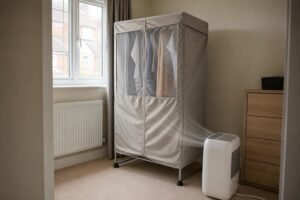
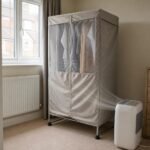
Dry in a bathroom, utility or box room with the door closed so the dehumidifier treats less air.
- Hang in a single layer
Leave gaps between items so air can move through them.
- Aim the airflow
Point the dehumidifier’s exhaust or louvre across the airer from one to two metres away.
- Use laundry mode
This runs the dehumidifier continuously rather than stopping at a humidity target.
- Turn heavy items
Flip towels and jeans halfway through so both sides dry evenly.
Running costs for laundry
At the current price cap of 26.32p per kWh, set by Ofgem, a 200W compressor dehumidifier running for six hours costs about 32p per load. A 20L model drying faster may cost a similar amount per load because it runs for less time. A desiccant at 580W for four hours costs about 61p. All are far cheaper than a vented or condenser tumble dryer. For a full cost comparison, see our heated airer and dehumidifier cost test.
Our verdict: what size dehumidifier for drying clothes?
For most homes, a 12L compressor model is the best dehumidifier for drying clothes. Choose 10L if you live alone or as a couple and dry occasionally, 20L if you are a family drying daily, and a desiccant model if your drying room is cold.
Frequently asked questions
What size dehumidifier do I need for drying clothes?
A 12L dehumidifier suits most households. Choose 10L for occasional loads and 20L for families drying daily.
Is a 10L dehumidifier enough for drying clothes?
Yes, for small loads in a small, warm room, but it will be slower than a 12L or 20L.
How long does a dehumidifier take to dry clothes?
Typically three to eight hours depending on size, room temperature, fabric and spin speed.
Is a desiccant or compressor dehumidifier better for laundry?
Desiccant models are faster in cold rooms thanks to their warm exhaust air. Compressor models are cheaper to run in heated rooms.
Is it cheaper to dry clothes with a dehumidifier than a tumble dryer?
Yes. A compressor dehumidifier costs around 30p a load on our figures, compared with roughly £1 for a vented or condenser tumble dryer.
What size dehumidifier for drying clothes: verdict
- Most homes: 12L
- Families: 20L
- Cold rooms: desiccant
A 12L compressor model is the best dehumidifier for drying clothes in most homes. Go for 20L if you dry daily as a family, 10L for occasional small loads, and a desiccant like the EcoAir DD1 if your drying room is cold.