
12L or 20L: the quick answer
A 12L dehumidifier suits flats, single rooms and smaller homes. A 20L dehumidifier is the better choice for three-bedroom houses, very damp homes and households that dry a lot of laundry indoors.
- What the litre ratings really mean
- How much more a 20L removes
- Running costs and noise
- Which size for which home
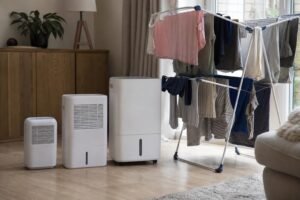
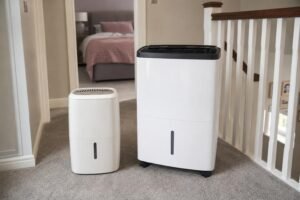
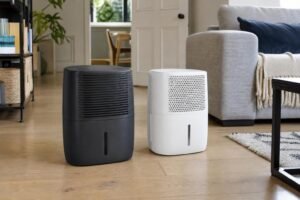
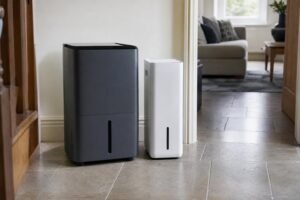
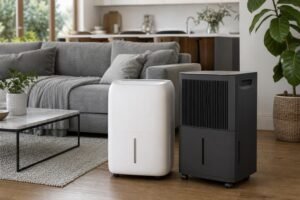
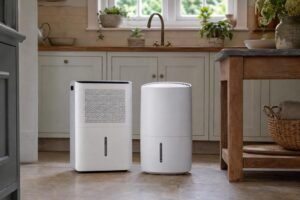
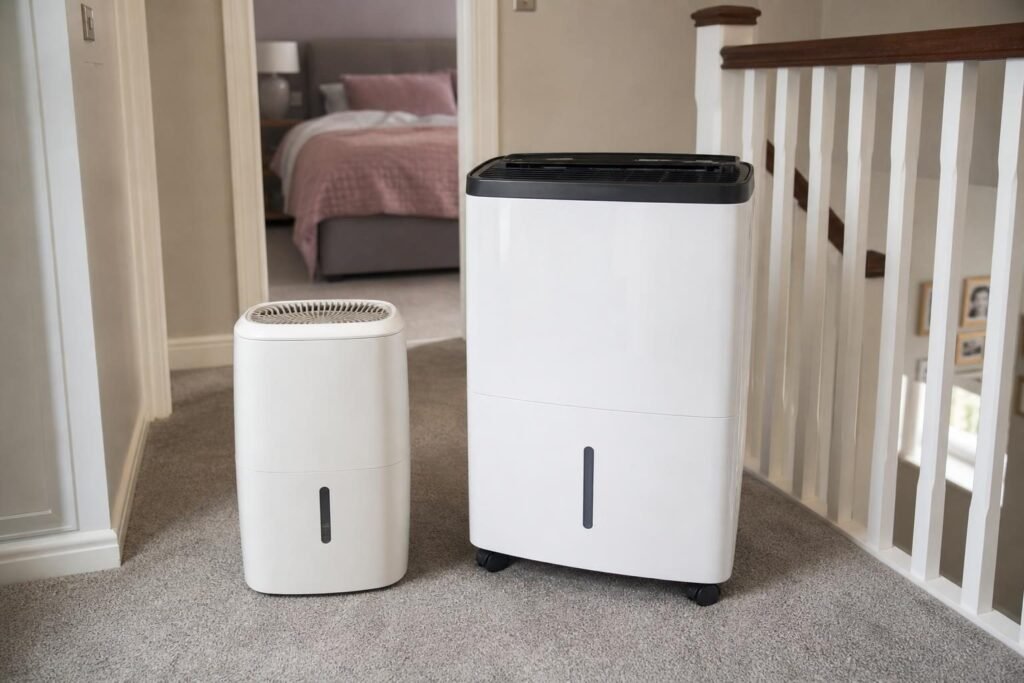
The 12L vs 20L dehumidifier question is the most important sizing decision most buyers face. These are the two most popular sizes in the UK, and they cover very different jobs. A 12L is compact, light and ideal for a bedroom or flat. A 20L is bigger, heavier and designed to manage the moisture of a whole family home.
Getting it wrong is costly in two ways. Undersize, and the machine runs flat out for hours without fully clearing condensation. Oversize, and you pay more upfront for capacity you never use. This guide explains how to choose, using realistic UK figures rather than the optimistic numbers on the box. For other options, see our guide to the best dehumidifiers.
Key takeaways
- 12L is right for studio, one- and two-bed flats, single rooms and light laundry.
- 20L is right for three-bed-plus houses, damp older homes and daily laundry drying.
- Real-world difference A 20L typically removes well over half as much again as a 12L in UK conditions.
- Running cost A 20L draws more power per hour but often switches off sooner.
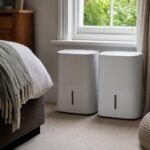
12L 12L | 20L 20L | |
|---|---|---|
 |
 | |
| Extraction at 20°C/60% | About 5.2L a day | About 8.5L a day |
| Power | About 150W | About 216W |
| Noise | About 35dB | About 38–40dB |
| Best for | Flats, 1–2 beds | 3–4 bed homes |
| Check price | Check price |
What 12L and 20L ratings mean in a real home
Dehumidifier ratings are almost always measured at 30°C and 80% relative humidity. A typical British home in winter is closer to 18–20°C and 55–65%. Meaco publishes figures at 20°C and 60%, which give a better picture: its Arete One 12L removes a little over 5 litres a day under those conditions, while the Arete One 20L removes around 8.5 litres a day for about 216W. That is the kind of gap you should expect between the two sizes.
12L vs 20L dehumidifier: comparison
| Factor | 12L dehumidifier | 20L dehumidifier |
|---|---|---|
| Typical home | Flats and 1–2 bed homes | 3–4 bed houses |
| Real-world extraction at 20°C/60% | About 5L a day | About 8–9L a day |
| Tank size | Usually 2–3L | Usually 4–5L |
| Weight | Around 9–12kg | Around 13–15kg |
| Power | About 150–200W | About 200–260W |
| Noise | Often quieter | Slightly louder at full speed |
| Laundry drying | Good for small to medium loads | Faster for full loads and families |
| Typical price | £120–£200 | £180–£300 |
Laundry drying
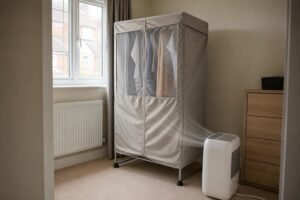
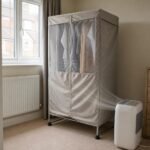
For households that dry washing indoors most days, the 20L wins clearly. It removes moisture faster, so clothes dry sooner and less water ends up on your windows. Its larger tank also means less emptying. Pro Breeze's popular 20L laundry-mode models come with tanks of around 5 litres, for example. If you dry a load or two a week, a 12L is usually enough. Our guide to what size dehumidifier for drying clothes covers this in more detail.
Running costs
A 20L dehumidifier draws more power per hour, but because it removes water faster, it often reaches your target humidity sooner and cycles off. At the current price cap of 26.32p per kWh from Ofgem, the Meaco Arete One 20L at about 216W costs roughly 6p an hour; a 12L at around 150W costs about 4p. The difference over a winter is usually a few pounds, which is small compared with the benefit of drier air if your home needs it.
Noise and size
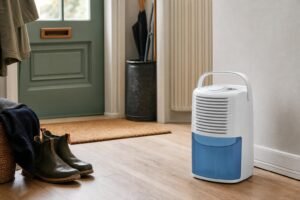
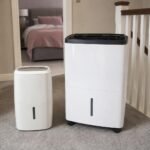
A 20L is bigger and heavier, which matters if you want to move it between rooms or up the stairs. Wheels help. On noise, good 20L models are still quiet: Meaco rates its Arete One 20L at around 38–40dB. But if the dehumidifier lives in a bedroom, a 12L will usually be the more comfortable choice.
Which size for your home?
- One-bed flat or studio: 12L.
- Two-bed flat: 12L, or 20L if you dry laundry daily or have damp problems.
- Three-bed house: 20L is the safer choice. See our guide to a dehumidifier for a three bedroom house.
- Four-bed house or very damp home: 20L or 25L.
Choosing between a 12L vs 20L dehumidifier
Bigger homes hold more moist air and more moisture sources.
Daily drying is a major moisture source.
Mould and streaming windows need more capacity.
20L units are heavier.
Matters in bedrooms and living rooms.
12L vs 20L dehumidifier: final recommendation
In the 12L vs 20L dehumidifier decision, buy a 12L for flats, single rooms and light laundry, and a 20L for family homes, damp properties and daily drying. If you are unsure and the price gap is modest, the 20L is the safer choice: it can run on a lower fan speed most of the time and still has the capacity for wet weeks. Pair either with good ventilation habits, as covered in our guide to fixing damp problems.
12L vs 20L dehumidifier: placement makes the difference
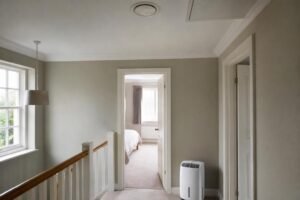
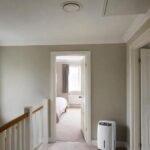
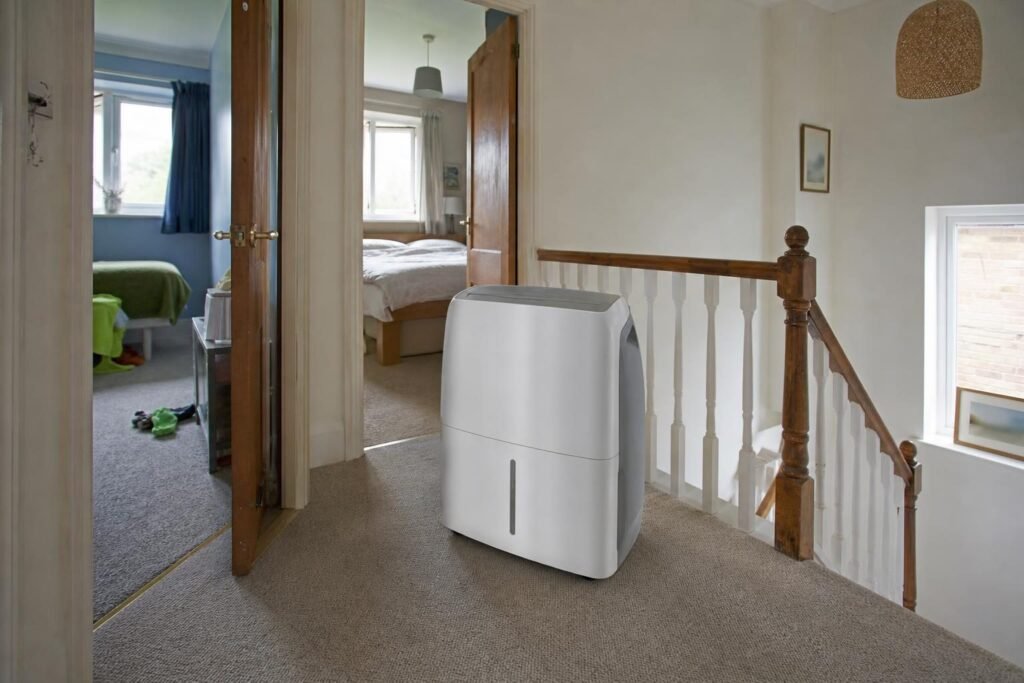
How you use the machine matters as much as the size you choose. In the 12L vs 20L dehumidifier comparison, a 12L placed in a small, closed room can dry laundry very effectively, while a 20L left in a corner with every door open may struggle to keep a whole house dry. For whole-home use, place a 20L centrally, such as on the landing, with internal doors open. For a single room, close the door and let a 12L focus on that space.
It is also worth remembering that a 20L does not have to run flat out. On mild days it can sit on a low fan speed and cycle off quickly, which keeps noise and running costs down. That flexibility is one reason many buyers who are torn on the 12L vs 20L dehumidifier question end up choosing the larger model for family homes.
Frequently asked questions
Is a 20L dehumidifier better than a 12L?
It is better for larger homes, damp properties and heavy laundry use. For a flat or single room, a 12L is usually enough and is smaller, lighter and quieter.
How much more water does a 20L remove?
In typical UK conditions, often well over half as much again. Meaco’s figures at 20°C and 60% show about 5L a day for its 12L and about 8.5L for its 20L.
Does a 20L dehumidifier use a lot more electricity?
It draws more per hour, around 200–260W versus 150–200W, but it often switches off sooner. The difference is usually a few pounds a winter.
Is a 12L dehumidifier enough for a 3 bed house?
Usually not on its own. A 20L is the safer choice for a three-bedroom house, especially if you dry laundry indoors.
Is a 20L dehumidifier too big for a flat?
Not necessarily. It will simply reach your target humidity faster. But it is heavier and takes more space, so a 12L is often more practical.
12L vs 20L dehumidifier: verdict
- Flats: 12L
- Family homes and daily laundry: 20L
- Cold rooms: consider a desiccant instead
Choose a 12L for flats, single rooms and light laundry. Choose a 20L for three-bedroom-plus houses, damp homes and daily indoor drying. If in doubt and the price gap is small, the 20L gives you headroom.