
Does anti condensation paint work?
Anti condensation paint adds a thin insulating layer to walls and ceilings, keeping the surface slightly warmer so less moisture condenses. It helps on cold walls and ceilings, but it is not a cure for high humidity or structural damp.
- How anti condensation paint works
- Our top picks for UK homes
- How to apply it properly
- When it will not help
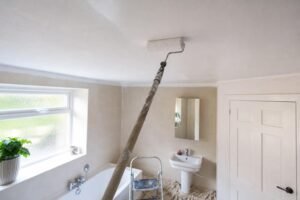
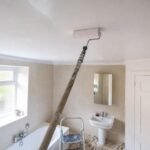
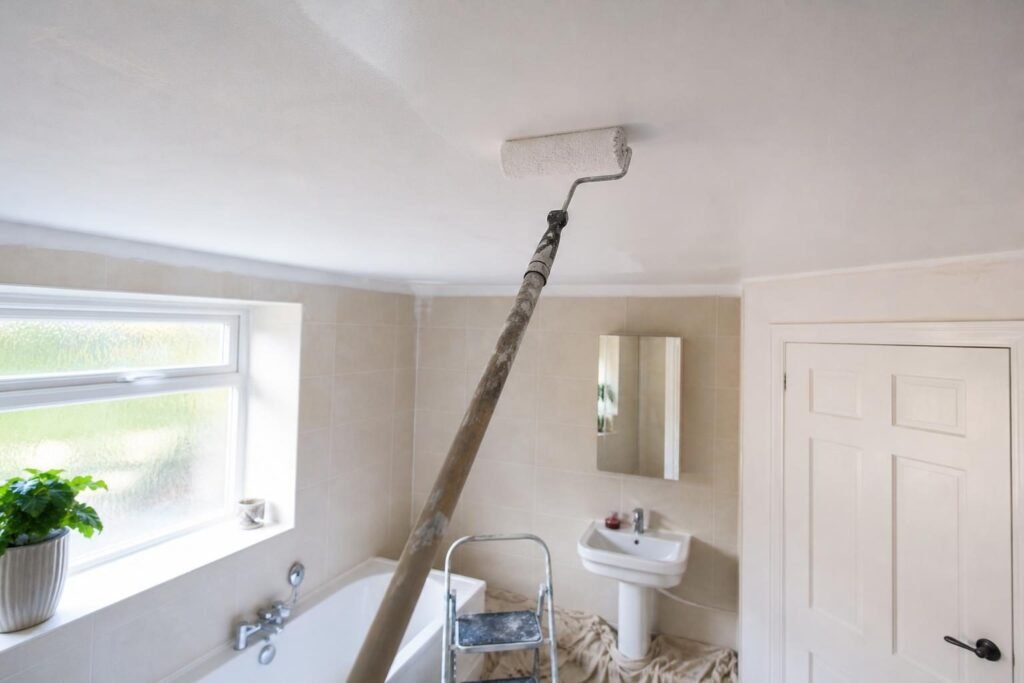
Anti condensation paint is designed for the cold walls and ceilings where condensation and black mould keep coming back: bathroom ceilings, kitchen walls, the outside wall behind a wardrobe or the corner of a north-facing bedroom. Instead of a standard emulsion, these paints contain insulating materials, often hollow microspheres, that make the painted surface less cold to the touch. A warmer surface means less water condenses on it.
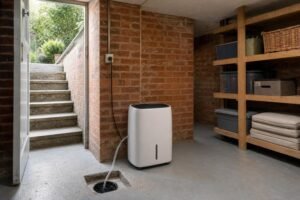
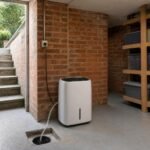
It is worth being clear about what anti condensation paint can and cannot do. It can reduce surface condensation on cold walls and ceilings and resist mould. It cannot lower the humidity in your home, stop rising or penetrating damp, or fix a broken extractor fan. Used alongside ventilation and a dehumidifier, though, it is a useful part of the solution. In this guide we compare the best anti condensation paint options available in the UK and explain how to get the best results. For the bigger picture, see our guide to fixing damp problems.
Key takeaways
- Best overall Ronseal Anti Condensation Paint: widely available, insulating and overpaintable.
- Best colour choice Smartseal Anti-Condensation Paint: available in a range of colours.
- Best base coat system HQC Insulating Anti-Condensation Base Coat for severe problems.
- Limits It reduces condensation on cold surfaces but does not reduce room humidity. Ventilate as well.
Our top picks at a glance


How anti condensation paint works
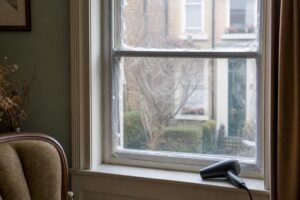
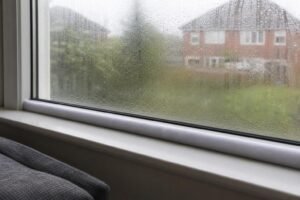
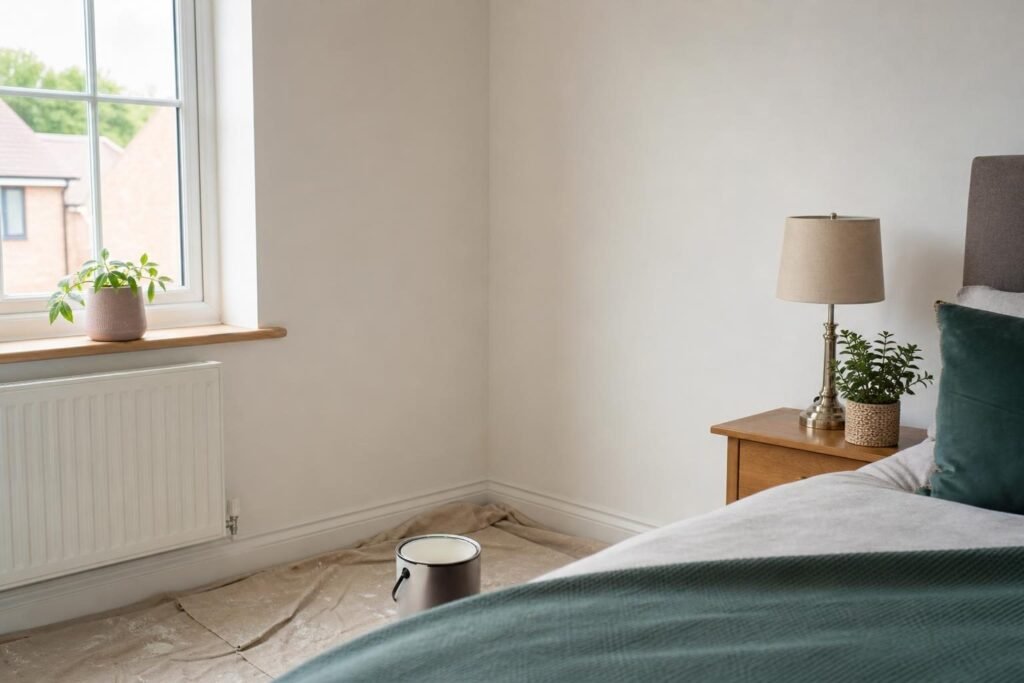
Condensation forms when warm, moist air meets a surface below its dew point. Walls and ceilings that are cold, such as outside walls, poorly insulated ceilings and corners, cool the air next to them and water condenses. Anti condensation paint contains insulating additives that slightly reduce heat transfer through the paint layer. The surface you touch stays a little warmer, which can be enough to keep it above the dew point on borderline days. Most also contain mould inhibitors.
The best anti condensation paint options in the UK
1. Ronseal Anti Condensation Paint – best overall
Ronseal's Anti Condensation Paint is the most widely available option, sold at major DIY stores in 750ml and 2.5L tins in a white matt finish. Ronseal describes it as an insulating, moisture-resistant paint that dries to a tough, scrubbable finish, and it can be used as a top coat or painted over with coloured emulsion. Coverage is about 6m² per litre, and it should be applied at temperatures above 10°C. A 750ml tin has been listed at around £25 at Homebase. See Ronseal's product page for full details.
- Easy to find in UK stores
- Can be overpainted with any emulsion
- Scrubbable, moisture-resistant finish
- Use on bare or painted walls and ceilings
- White matt only
- Relatively low coverage at about 6m² per litre
- Thick, so it needs careful application
2. Smartseal Anti-Condensation Paint – best for colour
Smartseal's anti-condensation paint is a heat-modified acrylic copolymer emulsion for interior walls and ceilings, and it is available in several colours, so you can skip a separate top coat. Owners note it may need two coats for even coverage.
3. HQC Insulating Anti-Condensation Base Coat – best for severe condensation
HQC, sold through Thermilate Technologies, offers an insulating anti-condensation base coat designed to sit under a decorative top coat. It is aimed at persistent condensation problems including mould, blistering paint and peeling wallpaper, and claims to reduce heat loss.
4. InsOpaint Anti Condensation Paint – best for heavy-duty use
InsOpaint, also from Thermilate, is an emulsion designed for continuous and severe condensation, with mould resistance built in. It suits problem rooms that have defeated standard paints.
5. Anti-mould bathroom paints – best for steamy rooms
If your problem is mainly mould on a bathroom ceiling rather than a very cold wall, a dedicated anti-mould bathroom paint may be enough. These do not insulate, but they resist mould growth and moisture. They work best alongside a good extractor fan.
How to apply anti condensation paint
- Fix the cause first
Check for leaks, rising damp and broken fans. Paint will not solve structural damp.
- Kill existing mould
Treat mould with a fungicidal wash, following the product instructions, and let it dry.
- Clean and dry the surface
Wash the wall with sugar soap, rinse and allow it to dry completely.
- Check the temperature
Apply in a room above 10°C for Ronseal’s paint, with good ventilation.
- Apply generously
Use a brush or roller and do not over-thin or spread too far; insulating paints need film thickness to work.
- Recoat or top coat
Apply a second coat if recommended, then a coloured emulsion if required.
When anti condensation paint will not help
- Very high humidity: if windows stream every morning and walls are damp throughout the house, you need ventilation or a dehumidifier. See our guide to the best dehumidifiers.
- Rising or penetrating damp: tide marks at the base of walls or damp patches after rain point to a structural problem. Our guide to fixing rising damp explains the signs.
- Cold bridges: severe cold spots around lintels or concrete frames may need insulation work rather than paint.
Is anti condensation paint worth it?
Anti condensation paint is worth it for cold walls and ceilings where condensation and mould keep returning, especially in bathrooms, kitchens and north-facing rooms. It is a relatively cheap, DIY-friendly improvement. But it works best as part of a wider plan: ventilate, control humidity and keep the home evenly heated. For most people, Ronseal's Anti Condensation Paint is the best anti condensation paint to start with.
Frequently asked questions
Does anti condensation paint really work?
It can reduce surface condensation on cold walls and ceilings by adding a thin insulating layer, and most products resist mould. It does not lower room humidity.
Can I paint over anti condensation paint?
Many products, including Ronseal’s, can be overpainted with a standard coloured emulsion.
Where should I use anti condensation paint?
On cold walls and ceilings prone to condensation, such as bathroom ceilings, kitchens and outside walls in bedrooms.
How many coats of anti condensation paint do I need?
Follow the manufacturer’s instructions. Many people find two coats give better coverage and performance.
Is anti condensation paint the same as anti-mould paint?
Not exactly. Anti condensation paint is designed to insulate the surface; anti-mould paint is designed to resist mould growth. Many anti condensation paints do both.
Best anti condensation paint: verdict
- Best overall: Ronseal
- Best colour range: Smartseal
- Fix leaks and ventilation first
Ronseal’s Anti Condensation Paint is the best anti condensation paint for most UK homes, with Smartseal the pick for colour and HQC or InsOpaint for severe problems. Use it on cold walls and ceilings alongside ventilation and humidity control.