
Do you need a dehumidifier in the bathroom?
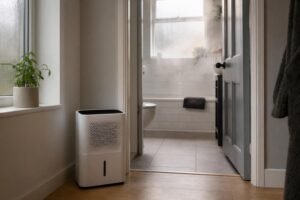
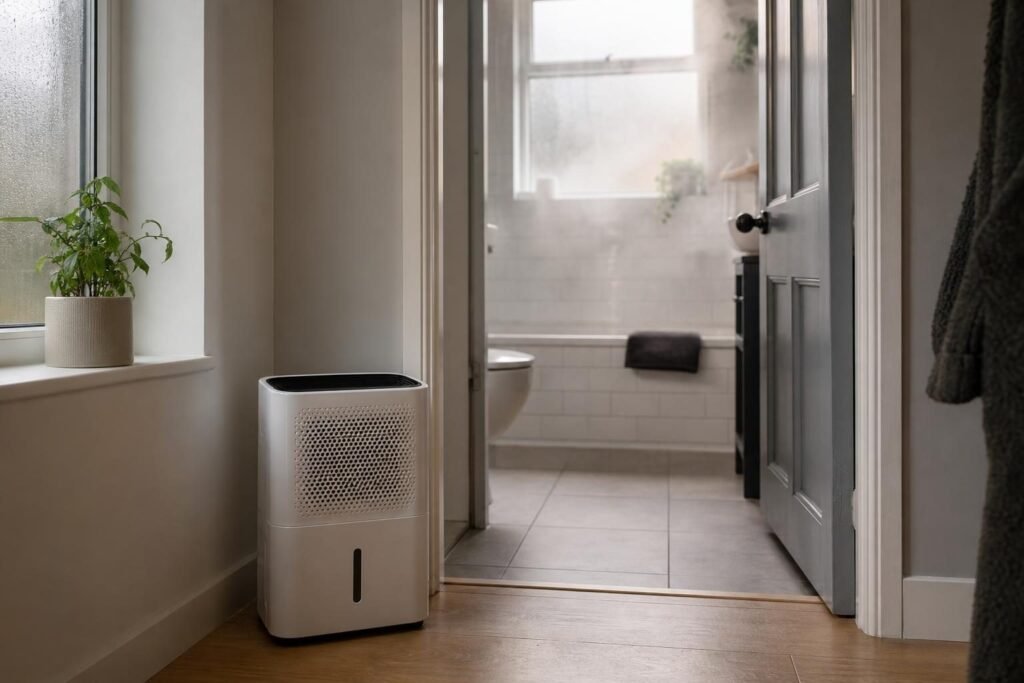
A bathroom is the wettest room in most homes. A good extractor fan should be your first line of defence, but a compact dehumidifier is a big help in bathrooms with no window, a weak fan or persistent mould, and for drying towels and laundry.
- Extractor fan vs dehumidifier
- Electrical safety and placement
- Our top compact picks
- Settings and running costs
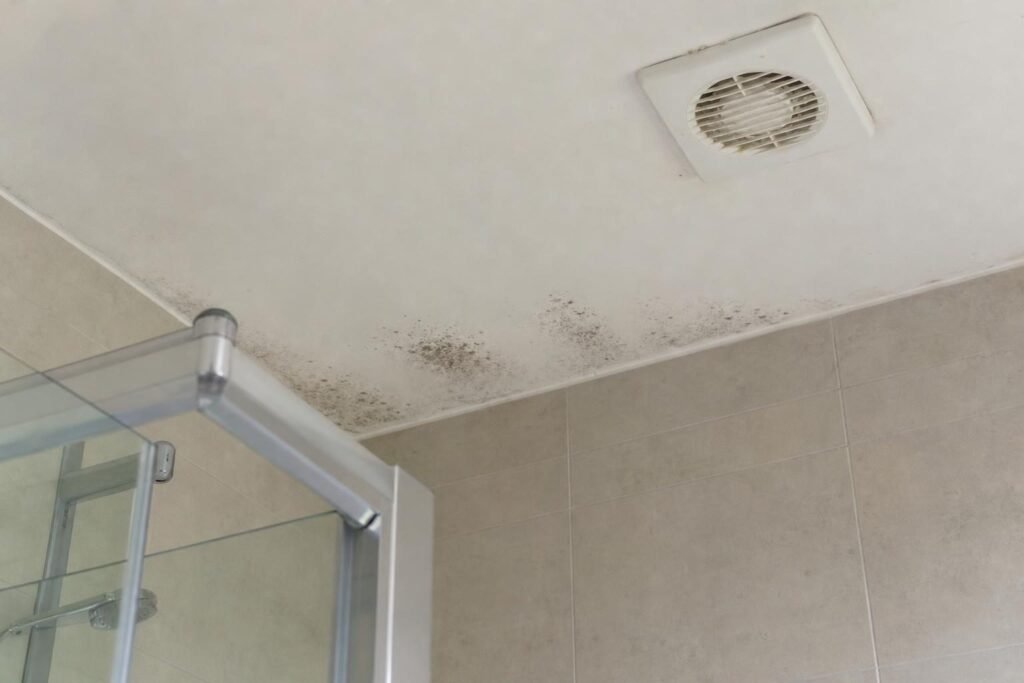
A dehumidifier for bathroom use can make a dramatic difference to mouldy ceilings, black sealant and towels that never quite dry. A single shower can add a large amount of moisture to a small room in minutes, and if your extractor fan is weak, broken or missing, that moisture settles on cold tiles, ceilings and window frames.
There are two important caveats. First, a properly working extractor fan is the most effective way to remove shower steam, so check yours before buying anything else. Second, electrical safety matters: portable dehumidifiers are not designed for wet zones near the bath or shower. This guide explains how to use a dehumidifier for bathroom condensation safely, which models suit small spaces and when another fix is better. For more ways to stop mould, see our guide to preventing mould in UK homes.
Key takeaways
- First fix Check the extractor fan works and vents outside, and run it for 15–20 minutes after showering.
- Best compact pick Meaco Arete One 10L: quiet, efficient and wall-mountable.
- Best for cold bathrooms EcoAir DD1 Classic MK6: works from 1°C and dries towels with warm air.
- Safety Keep portable dehumidifiers out of splash zones, plug them in outside the bathroom where required, and never use an extension lead in a bathroom.
Our top picks at a glance


Extractor fan or dehumidifier?
An extractor fan removes steamy air at source and sends it outside. It should be your primary defence. Building regulations require extract ventilation in bathrooms in new homes, and it is good practice in any bathroom. A dehumidifier for bathroom use is the right addition when:
- the bathroom has no window and a weak or noisy fan,
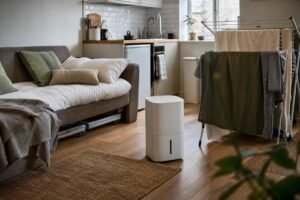
- you dry towels or laundry in the bathroom,
- mould keeps returning on ceilings and sealant despite the fan,
- the bathroom is cold, so moisture lingers after the fan stops.
Before you buy, test your fan by holding a sheet of toilet paper near the grille. If it is not pulled firmly against it, clean or replace the fan, or check that the duct actually runs outside.
Electrical safety in bathrooms
UK wiring rules are strict about bathrooms. Standard three-pin sockets are not permitted within a set distance of a bath or shower, and many bathrooms have no socket at all. That means:
- Never use an extension lead to bring power into a bathroom.
- Keep the dehumidifier well away from the bath, shower and basin, outside any splash zone.
- Consider running it just outside the bathroom with the door open after a shower, or in the bathroom only when nobody is bathing and it is plugged into a correctly positioned socket.
- Wall-mountable models can sit higher and out of the way, but should be installed following the manufacturer's guidance.
If you are unsure, ask a qualified electrician. Safety comes before speed of drying.
The best dehumidifier for bathroom use
1. Meaco Arete One 10L – best overall
The Meaco Arete One 10L is compact, very quiet at around 35dB and efficient at about 163W. Meaco lists a wall-mount option (brackets sold separately), which can help in small bathrooms and utility areas. It also filters the air, which helps with mould spores.
- Quiet and efficient
- Wall-mount option
- Air filter helps with spores
- Compact
- Compressor performance drops in very cold rooms
- Brackets and hose sold separately
2. EcoAir DD1 Classic MK6 – best for cold bathrooms
Bathrooms in older homes can be cold for most of the day, and that is where the desiccant EcoAir DD1 Classic MK6 comes into its own. It works from 1°C, is slim and light at 6kg, and blows out warm, dry air that helps towels and laundry dry. Read our EcoAir DD1 Classic MK6 review.
3. Budget 12L compressor models – best value
A 12L compressor dehumidifier from Pro Breeze, VonHaus or Devola, typically £115–£140, will cope with a family bathroom. See our best dehumidifier under £150 guide.
4. Mini dehumidifiers – for small en-suites only
Mini Peltier units remove only a few hundred millilitres a day. They can help in a small en-suite or cupboard, but they cannot keep up with daily showers in a family bathroom.
5. Moisture absorbers – a supplement, not a fix
Absorber tubs are useful on a window sill or in a cupboard, but they hold very little water and will not cope with shower steam on their own.
How to use a dehumidifier for bathroom condensation
- Run the extractor fan
Switch the fan on before you shower and leave it running for 15–20 minutes afterwards.
- Wipe down
Squeegee the shower screen and tiles after use to remove most of the water before it evaporates.
- Position safely
Place the dehumidifier outside splash zones, or just outside the door, plugged into a correctly positioned socket.
- Close the door
Once the shower is finished, close the bathroom door so the dehumidifier treats only the bathroom air.
- Run for an hour or two
Use a timer or humidistat setting around 50–55% so it switches off once the room is dry.
- Empty and clean
Empty the tank and clean the filter regularly, as bathrooms produce lint from towels.
Running costs
At 26.32p per kWh under the current Ofgem price cap, a 163W Meaco Arete One costs about 4p an hour and a desiccant like the EcoAir DD1 about 8–15p. Running a dehumidifier for bathroom drying for one to two hours after showers costs just a few pence a day.
Our verdict on the best dehumidifier for bathroom use
Fix or upgrade your extractor fan first, then add a dehumidifier for bathroom condensation if mould keeps coming back. The Meaco Arete One 10L is the best all-round choice, the EcoAir DD1 Classic MK6 is better for cold bathrooms, and a budget 12L model is fine for most family bathrooms. Always keep the dehumidifier out of splash zones and never use an extension lead in a bathroom. For a broader overview, see our guide to the best dehumidifiers.
Frequently asked questions
Is it safe to put a dehumidifier in a bathroom?
It can be, if it is kept out of splash zones, plugged into a correctly positioned socket and never powered by an extension lead. Many people run it just outside the bathroom with the door open.
Is an extractor fan better than a dehumidifier in a bathroom?
An extractor fan is the best way to remove shower steam at source. A dehumidifier is a useful extra for windowless, cold or mould-prone bathrooms.
What size dehumidifier for a bathroom?
A 10–12L compressor model or a 7–8L desiccant model is plenty for most bathrooms.
Will a dehumidifier stop bathroom mould?
It helps a lot by keeping humidity down, but you also need to clean existing mould and run the extractor fan.
How long should I run a dehumidifier after a shower?
Usually one to two hours, or until the humidity falls to around 50–55%.
Best dehumidifier for bathroom use: verdict
- Fix the extractor fan first
- Keep the dehumidifier out of splash zones
- Run it for an hour or two after showers
Start with a working extractor fan, then add a compact dehumidifier if condensation and mould persist. The Meaco Arete One 10L is our top pick, and the EcoAir DD1 Classic MK6 is best for cold bathrooms.